





























Biomedical innovation research stands at the frontier of one of humanity’s oldest and most important ambitions: the desire to understand, preserve, and improve human life. Throughout history, advances in medicine have transformed civilization. Vaccines eradicated deadly diseases, antibiotics revolutionized infection treatment, surgical innovations extended life expectancy, and modern diagnostic systems reshaped healthcare delivery. Yet despite these extraordinary achievements, the twenty-first century presents a new generation of medical challenges that are more complex, global, and interconnected than ever before.
Population aging, emerging infectious diseases, antibiotic resistance, chronic illnesses, mental health crises, environmental health threats, and genetic disorders are placing enormous pressure on healthcare systems worldwide. At the same time, rapid advances in biotechnology, artificial intelligence, genomics, robotics, nanotechnology, and computational science are opening entirely new possibilities for medical research and treatment.
Biomedical innovation research has therefore become one of the most dynamic and interdisciplinary fields in the modern world. Scientists no longer study medicine in isolation. Instead, biomedical innovation integrates biology, chemistry, engineering, computer science, neuroscience, ethics, data analytics, and even behavioral psychology into collaborative research ecosystems designed to accelerate scientific discovery and improve global health outcomes.
The future of healthcare will likely depend not only on treating diseases more effectively but also on preventing illnesses before they occur, personalizing treatments to individual patients, and redesigning healthcare systems to become more equitable, efficient, and resilient.
The Evolution of Biomedical Research
The foundations of biomedical research stretch back thousands of years. Ancient civilizations developed early medical systems based on herbal remedies, surgical experimentation, and observational knowledge. However, modern biomedical science truly accelerated during the nineteenth and twentieth centuries.
The discovery of germ theory by scientists such as Louis Pasteur and Robert Koch transformed medicine by demonstrating that microorganisms caused many diseases. This breakthrough enabled the development of sterilization techniques, vaccines, and antibiotics that dramatically reduced mortality rates.
The twentieth century witnessed extraordinary biomedical achievements including:
- Penicillin and antibiotic development
- Organ transplantation
- Medical imaging technologies
- Genetic science
- Vaccination programs
- Advanced surgical procedures
- Intensive care systems
These innovations significantly increased human life expectancy and improved quality of life across much of the world.
However, modern healthcare systems also face growing complexity. Infectious diseases remain a threat, while chronic illnesses such as diabetes, cancer, cardiovascular disease, and neurodegenerative disorders have become major global health burdens.
Biomedical innovation research now focuses not only on curing diseases but also on understanding the biological systems underlying health itself.
Genomics and the Personalized Medicine Revolution
One of the most transformative developments in biomedical innovation research is the rise of genomics and personalized medicine.
The completion of the Human Genome Project in 2003 marked a historic milestone in scientific discovery. Researchers successfully mapped the entire sequence of human DNA, providing unprecedented insight into genetic biology.
Since then, advances in sequencing technology have dramatically reduced the cost and speed of genetic analysis. Scientists can now study individual genomes quickly and affordably, opening the door to highly personalized healthcare.
Precision Medicine
Traditional medicine often follows generalized treatment approaches based on average patient responses. Personalized medicine, however, aims to tailor treatments according to each patient’s genetic profile, lifestyle, environment, and biological characteristics.
Researchers now investigate how genetic variations influence:
- Drug effectiveness
- Disease susceptibility
- Immune system behavior
- Cancer development
- Metabolic disorders
For example, cancer treatment increasingly relies on genomic analysis to identify specific mutations driving tumor growth. Targeted therapies can then attack cancer cells more precisely while minimizing damage to healthy tissue.
Gene Editing Technologies
CRISPR gene-editing technology represents one of the most revolutionary biomedical innovations of the modern era. CRISPR allows scientists to modify DNA sequences with extraordinary precision.
Researchers are exploring gene-editing applications for:
- Genetic disease treatment
- Cancer therapy
- Immune system enhancement
- Agricultural biotechnology
- Regenerative medicine
Some inherited disorders that were once considered incurable may eventually become treatable through direct genetic intervention.
However, gene editing also raises major ethical concerns. Questions surrounding human enhancement, germline editing, designer genetics, and long-term biological consequences remain highly controversial.
Biomedical innovation research increasingly integrates ethical governance alongside scientific advancement.
Artificial Intelligence in Medical Research
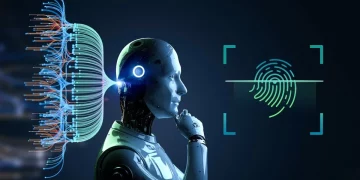
Artificial intelligence has rapidly become one of the most influential tools in biomedical research. AI systems can analyze enormous medical datasets far faster than traditional human-driven methods, accelerating diagnosis, drug discovery, and clinical decision-making.
AI-Assisted Diagnostics
Machine learning systems now assist doctors in interpreting medical images including:
- X-rays
- MRI scans
- CT scans
- Pathology slides
- Retinal imaging
In some cases, AI systems detect abnormalities with accuracy comparable to or exceeding human specialists.
Researchers also use AI for predictive diagnostics, identifying disease risks before symptoms become severe.
Drug Discovery Acceleration
Developing new pharmaceuticals traditionally requires years of experimentation and enormous financial investment. AI dramatically accelerates this process by simulating molecular interactions and identifying promising drug candidates computationally.
During global health emergencies such as the COVID-19 pandemic, AI-supported research accelerated vaccine development and treatment discovery.
Predictive Healthcare Systems
AI-powered predictive systems analyze patient histories, wearable device data, and population health trends to forecast medical risks and optimize preventive care.
Future healthcare systems may become increasingly proactive rather than reactive.
However, AI integration also introduces concerns regarding:
- Data privacy
- Algorithmic bias
- Medical accountability
- Cybersecurity
- Ethical transparency
Biomedical innovation research now explores how AI can support healthcare while maintaining trust, fairness, and patient rights.
Regenerative Medicine and Tissue Engineering
Regenerative medicine represents another groundbreaking field within biomedical innovation research. Rather than simply treating symptoms, regenerative medicine aims to restore or replace damaged tissues and organs.
Stem Cell Research
Stem cells possess the remarkable ability to develop into different cell types. Researchers investigate how stem cells can regenerate damaged tissues for conditions such as:
- Spinal cord injuries
- Heart disease
- Neurodegenerative disorders
- Diabetes
- Organ failure
Stem cell therapies may eventually revolutionize treatment for diseases previously considered irreversible.
Bioprinting and Artificial Organs
Advances in 3D bioprinting allow researchers to create tissue structures using living cells and biomaterials. Scientists are working toward printing functional organs for transplantation.
Artificial organ systems could potentially address the global shortage of donor organs while reducing transplant rejection risks.
Tissue Engineering
Researchers develop biomaterials capable of supporting tissue regeneration and healing. Innovations include synthetic skin, engineered cartilage, and bioactive implants.
Regenerative medicine may fundamentally redefine healthcare by shifting from disease management toward biological restoration.
Neuroscience and Brain Innovation Research
The human brain remains one of the most complex and mysterious structures in existence. Biomedical innovation research increasingly focuses on neuroscience and brain-computer technologies.
Brain Mapping and Cognitive Research
Advanced imaging technologies enable researchers to study neural activity with unprecedented detail. Scientists investigate how brain networks influence memory, emotion, consciousness, and decision-making.
Understanding neurological systems may improve treatments for conditions such as:
- Alzheimer’s disease
- Parkinson’s disease
- Depression
- Epilepsy
- Autism spectrum disorders
- Traumatic brain injuries
Brain-Computer Interfaces
Brain-computer interface technology enables direct communication between neural systems and digital devices.
Researchers explore applications including:
- Prosthetic limb control
- Paralysis treatment
- Communication systems for disabled patients
- Cognitive enhancement technologies
Companies and research institutions are investigating whether future interfaces could eventually expand human cognitive capabilities.
Mental Health Innovation
Mental health has become a major global concern. Biomedical researchers increasingly study how digital therapeutics, neurotechnology, and AI-supported systems can improve psychological care.
Virtual reality therapy, wearable monitoring systems, and AI-assisted counseling tools may transform mental healthcare delivery in coming decades.
Infectious Disease Research and Pandemic Preparedness
The COVID-19 pandemic demonstrated both the strengths and vulnerabilities of global biomedical systems. Scientific collaboration accelerated vaccine development at historic speed, but healthcare infrastructures also faced enormous strain.
Biomedical innovation research now prioritizes pandemic preparedness and infectious disease resilience.
Vaccine Innovation
mRNA vaccine technology represents one of the most important breakthroughs in modern biomedical research. Unlike traditional vaccines, mRNA systems can be developed rapidly and adapted to emerging pathogens.
Researchers are exploring mRNA applications for:
- Cancer treatment
- Influenza vaccines
- HIV research
- Personalized therapeutics
Global Surveillance Systems
Researchers use AI, genomic sequencing, and international data networks to monitor emerging disease outbreaks in real time.
Future global health systems may rely heavily on predictive surveillance and rapid-response biotechnology platforms.
Antibiotic Resistance
Antibiotic resistance poses a growing threat to global health. Overuse of antibiotics has accelerated the evolution of resistant bacteria.
Biomedical innovation research focuses on developing:
- New antimicrobial compounds
- Alternative therapies
- Bacteriophage treatments
- Immune-based approaches
Combating resistant pathogens remains one of the most urgent medical research priorities.
Nanotechnology and Precision Medicine
Nanotechnology enables researchers to manipulate matter at molecular and atomic scales, creating powerful new medical possibilities.
Targeted Drug Delivery
Nanoparticles can deliver drugs directly to diseased tissues while minimizing side effects on healthy cells.
This approach is especially promising for cancer treatment, where targeted delivery improves therapeutic precision.
Diagnostic Nanotechnology
Nanosensors may enable early disease detection through highly sensitive biological monitoring systems.
Future wearable or implantable devices could continuously monitor health conditions in real time.
Biomedical Materials
Researchers develop nanomaterials for implants, wound healing, and tissue regeneration applications.
Nanotechnology may significantly improve both medical treatment effectiveness and patient quality of life.
Ethical Challenges in Biomedical Innovation
Biomedical innovation raises profound ethical questions because it directly affects human life, identity, and biological systems.
Key ethical debates include:
Genetic Enhancement
Should gene-editing technologies be used only to treat diseases, or also for enhancing human abilities?
Data Privacy
Medical AI systems rely heavily on personal health data. Protecting patient privacy remains essential.
Healthcare Inequality
Advanced biomedical technologies may initially be expensive and inaccessible to poorer populations.
Human Experimentation
Balancing scientific progress with patient safety requires careful ethical oversight.
Longevity and Life Extension
Some researchers explore technologies aimed at slowing aging or extending lifespan. These possibilities raise philosophical and social questions about demographics, resource allocation, and inequality.
Biomedical innovation research increasingly recognizes that ethical governance must evolve alongside scientific capability.
Biotechnology and the Future Economy
Biotechnology has become a major driver of economic growth and industrial transformation. The global biotech industry now spans pharmaceuticals, diagnostics, agriculture, synthetic biology, and medical devices.
Governments and investors increasingly support biomedical startups and research ecosystems because of their strategic importance.
Biotech innovation clusters such as Boston, San Diego, Singapore, and Shenzhen have become global centers of research activity.
The convergence of biotechnology with AI, robotics, and advanced manufacturing may create entirely new industries in coming decades.
The Future of Human Health
The future of biomedical innovation research may transform healthcare more dramatically than any previous scientific era.
Several emerging trends could shape the future:
Predictive Medicine
Healthcare systems may increasingly prevent diseases before symptoms emerge.
Digital Health Ecosystems
Wearable devices and AI systems may continuously monitor individual health.
Longevity Science
Researchers investigate aging mechanisms and lifespan extension technologies.
Synthetic Biology
Engineered biological systems may produce medicines, tissues, and sustainable materials.
Integrated Human-Machine Systems
Brain-computer technologies may blur boundaries between biological and digital intelligence.
Ultimately, biomedical innovation research is about more than scientific advancement. It is about redefining humanity’s relationship with health, disease, aging, and life itself.
The decisions made by researchers, governments, and societies in the coming decades will shape not only the future of medicine but also the ethical foundations of human civilization.












Discussion about this post