


























Introduction
For most of human history, Mars existed only as a distant red light in the night sky.
Ancient civilizations associated the planet with war, mystery, and divine power because of its blood-colored appearance. Later, astronomers observed seasonal changes and surface patterns that inspired speculation about canals, vegetation, and even alien civilizations. Although modern science eventually revealed Mars to be a cold and hostile desert world, the planet remains one of humanity’s greatest obsessions.
Today, Mars is no longer viewed solely as an object of scientific curiosity. It has become the primary target for humanity’s long-term expansion beyond Earth.
Advances in rocketry, artificial intelligence, robotics, life-support systems, and space engineering have transformed the idea of Mars colonization from science fiction into a serious technological and scientific discussion. Governments, private companies, and researchers increasingly explore how humans might one day establish permanent settlements on the Red Planet.
Supporters argue that becoming a multi-planetary species could ensure humanity’s long-term survival, accelerate technological innovation, and inspire global cooperation. Critics warn that Mars colonization faces enormous technical, ethical, economic, and psychological challenges that humanity may underestimate.
Building a civilization on another planet would represent one of the most ambitious achievements in human history. It would fundamentally reshape science, economics, politics, culture, and humanity’s understanding of itself.
This article explores the scientific foundations of Mars colonization, the technologies required for settlement, the dangers of living on Mars, the ethical and political questions surrounding planetary expansion, and the future possibility of creating a second home for humanity beyond Earth.
Why Mars?
The Most Earth-Like Planet Nearby
Among the planets in the solar system, Mars is considered one of the most suitable candidates for human settlement.
Important similarities with Earth include:
- A relatively similar day length
- Polar ice caps
- Seasons
- Evidence of ancient water systems
Although Mars is extremely hostile, it remains more manageable than many other planetary environments.
Evidence of Ancient Water
Scientific missions discovered strong evidence that Mars once possessed:
- Rivers
- Lakes
- Possibly oceans
This suggests Mars may once have supported conditions favorable for life.
Availability of Resources
Mars contains valuable resources potentially useful for colonization:
- Water ice
- Carbon dioxide atmosphere
- Mineral-rich soil
These resources may help future settlers produce:
- Oxygen
- Fuel
- Drinking water
- Building materials
Scientific Importance
Mars exploration could help scientists answer fundamental questions:
- Did life ever exist beyond Earth?
- How do planets evolve?
- Can humans survive long-term in extraterrestrial environments?
The History of Mars Exploration
Early Observations
Telescopes first revealed surface details on Mars centuries ago.
Some astronomers mistakenly believed they observed artificial canals built by intelligent beings.
Although these theories proved incorrect, Mars captured public imagination worldwide.
Robotic Exploration
Modern Mars exploration began through robotic missions.
Spacecraft and rovers have studied:
- Surface geology
- Atmospheric conditions
- Climate history
These missions transformed understanding of Mars dramatically.
The Rover Era
Advanced rovers explored the Martian surface directly.
They analyzed:
- Rocks
- Soil
- Atmospheric chemistry
and searched for signs of ancient microbial life.
Preparing for Human Missions
Current missions increasingly focus on technologies relevant to future human settlement:
- Oxygen production
- Landing systems
- Resource extraction
Mars exploration is gradually shifting toward colonization preparation.
The Technological Challenges of Mars Colonization
Distance from Earth
Mars is extremely far from Earth.
Travel times may require:
- Six to nine months
- Precise orbital timing
- Long-duration spacecraft habitation
Communication delays also create operational challenges.
Radiation Exposure
Mars lacks a strong magnetic field and thick atmosphere.
This exposes settlers to dangerous cosmic radiation.
Long-term radiation exposure increases risks of:
- Cancer
- Neurological damage
- Cellular mutation
Protecting colonists remains one of the greatest engineering challenges.
Extreme Temperatures
Mars is extremely cold.
Average temperatures are far below freezing, requiring advanced heating and insulation systems.
Thin Atmosphere
The Martian atmosphere is:
- Thin
- Mostly carbon dioxide
- Unbreathable for humans
Colonists would require pressurized habitats and life-support systems continuously.
Dust Storms
Mars experiences massive dust storms capable of covering the entire planet.
Dust may damage:
- Equipment
- Solar panels
- Machinery
Managing Martian dust is a major concern.
Transportation to Mars
Advanced Rocket Systems
Human Mars missions require powerful reusable spacecraft capable of:
- Carrying large crews
- Transporting cargo
- Supporting long-duration travel
Rocket technology continues evolving rapidly.
Fuel Challenges
Transporting fuel from Earth is extremely expensive.
Future missions may produce rocket fuel directly on Mars using local resources.
Landing on Mars
Mars landing is difficult because:
- The atmosphere is too thin for simple parachute systems
- Gravity is strong enough to create dangerous impact risks
Engineers must develop advanced landing technologies.
Return Missions
Long-term colonization plans require the ability to:
- Return astronauts safely
- Maintain transportation networks between planets
Interplanetary logistics will become essential.
Building Habitats on Mars
Artificial Living Environments
Human habitats on Mars must protect against:
- Radiation
- Extreme temperatures
- Pressure loss
Possible habitat designs include:
- Underground bases
- Inflatable domes
- 3D-printed structures
Using Martian Materials
Future colonies may use local Martian soil to construct buildings.
This approach reduces dependence on Earth supplies.
Life Support Systems
Mars settlements require systems for:
- Oxygen production
- Water recycling
- Waste management
- Food cultivation
Self-sufficiency is critical for survival.
Psychological Design
Habitats must also support mental health by addressing:
- Isolation
- Confinement
- Stress
Living conditions significantly affect long-term psychological stability.
Food and Agriculture on Mars
Growing Food in Space
Mars colonists cannot rely entirely on Earth shipments.
Food production systems may include:
- Hydroponics
- Vertical farming
- Controlled-environment agriculture
Water Extraction
Frozen water exists beneath the Martian surface.
Future colonies may mine ice deposits for:
- Drinking water
- Agriculture
- Fuel production
Artificial Ecosystems
Scientists may eventually create closed ecological systems recycling:
- Water
- Air
- Nutrients
This would support long-term sustainability.
Challenges of Martian Farming
Agriculture on Mars faces obstacles such as:
- Low gravity
- Limited sunlight
- Toxic soil compounds
Food production remains one of colonization’s biggest challenges.
The Human Body on Mars
Effects of Reduced Gravity
Mars gravity is only about 38% of Earth’s gravity.
Long-term effects may include:
- Muscle loss
- Bone weakening
- Cardiovascular changes
Scientists still do not fully understand how humans adapt to low gravity over decades.
Mental Health Challenges
Mars colonists may experience:
- Isolation
- Loneliness
- Stress
- Psychological fatigue
Communication delays with Earth could intensify emotional strain.
Social Dynamics
Small isolated communities face risks involving:
- Conflict
- Leadership issues
- Social instability
Successful colonies require strong social structures.
Artificial Intelligence and Robotics on Mars
Robotic Construction
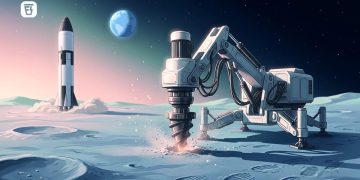
Robots will likely prepare Mars settlements before humans arrive.
They may:
- Build habitats
- Extract resources
- Install infrastructure
Automation reduces risk to astronauts.
AI-Assisted Operations
Artificial intelligence may help manage:
- Environmental systems
- Resource allocation
- Navigation
- Emergency response
AI becomes essential in distant planetary environments.
Human-Robot Collaboration
Mars colonies may depend heavily on cooperation between humans and intelligent machines.
The Economics of Mars Colonization
Enormous Costs
Mars colonization requires massive financial investment.
Expenses include:
- Rocket development
- Infrastructure
- Research
- Long-term support systems
Commercial Opportunities
Supporters believe Mars may eventually support industries such as:
- Research
- Mining
- Tourism
- Manufacturing
Public Versus Private Funding
Modern space development increasingly involves private corporations alongside governments.
Commercial competition may accelerate technological progress.
Is Colonization Worth the Cost?
Critics argue resources should focus on solving Earth’s problems first.
Debates continue regarding:
- Priorities
- Sustainability
- Economic justification
Ethical Questions About Colonizing Mars
Planetary Protection
Scientists worry human missions may contaminate Mars with Earth microbes.
This could interfere with the search for native Martian life.
Ownership and Governance
Important legal questions include:
- Who owns Martian land?
- Which laws apply on Mars?
- How should resources be shared?
Current international space law remains limited.
Repeating Historical Mistakes
Some critics compare space colonization to historical colonialism on Earth.
They warn against:
- Exploitation
- Corporate domination
- Unequal access
The Moral Responsibility of Expansion
Humanity must decide whether expanding beyond Earth should prioritize:
- Science
- Profit
- Survival
- Cooperation
Terraforming Mars
What Is Terraforming?
Terraforming refers to modifying a planet to become more Earth-like.
Proposed Mars terraforming concepts include:
- Warming the atmosphere
- Releasing greenhouse gases
- Creating liquid water systems
Technological Difficulty
Terraforming Mars would require:
- Massive energy
- Advanced engineering
- Long timescales
The process may take centuries or longer.
Environmental Ethics
Some scientists question whether humans should alter entire planets.
Mars may possess scientific or ecological value deserving protection.
The Cultural Impact of Mars Colonization
A New Human Frontier
Mars settlement would become one of history’s greatest cultural achievements.
It may inspire:
- Scientific ambition
- Artistic imagination
- Global cooperation
Human Identity Beyond Earth
Martian settlers may eventually develop:
- Distinct identities
- Unique cultures
- New social systems
Human civilization could diversify across planets.
The Psychological Meaning of Expansion
Expanding beyond Earth may fundamentally change how humanity views:
- Survival
- Destiny
- Civilization
- The universe
The Future of Human Civilization on Mars
Permanent Settlements
Future colonies may gradually evolve from:
- Research outposts
to - Self-sustaining cities
Interplanetary Society
Long-term futures may involve regular travel between:
- Earth
- Moon settlements
- Mars colonies
Human civilization may become interplanetary.
The Long-Term Vision
Mars colonization may represent only the beginning of deeper exploration into the solar system and beyond.
Conclusion
Mars colonization represents one of humanity’s most ambitious technological and scientific goals. Through advancements in rocketry, AI, robotics, habitat engineering, and life-support systems, humans are beginning to seriously consider building permanent settlements beyond Earth.
The dream offers extraordinary possibilities:
- Scientific discovery
- Technological innovation
- Species survival
- Expansion of civilization
At the same time, it introduces enormous challenges:
- Radiation exposure
- Psychological isolation
- Economic cost
- Ethical uncertainty
- Political complexity
Whether humanity ultimately succeeds in building a second world on Mars remains uncertain. However, the effort itself already pushes the boundaries of science, engineering, and human imagination.
Mars is no longer only a distant planet in the sky. It has become a symbol of humanity’s desire to explore, survive, and expand beyond the limits of Earth itself.












Discussion about this post