





















Introduction
For most of human history, traveling to space was impossible.
The stars were objects of wonder viewed only from Earth, and the idea of ordinary humans leaving the planet existed only in mythology and science fiction. Even after the first successful space missions of the twentieth century, space remained an environment accessible only to highly trained astronauts supported by massive government programs.
Space travel was considered too dangerous, expensive, and technologically difficult for civilians.
In the twenty-first century, however, this reality is beginning to change.
Advances in reusable rockets, private aerospace companies, artificial intelligence, automated flight systems, and commercial investment have launched a new era known as space tourism. Wealthy civilians have already traveled beyond Earth’s atmosphere through commercial missions, and companies worldwide are developing technologies aimed at making space travel increasingly accessible in the future.
Supporters believe space tourism could accelerate technological innovation, expand public interest in science, reduce launch costs, and eventually create entirely new industries beyond Earth. Critics argue that commercial space travel remains environmentally costly, economically unequal, and potentially dangerous.
Despite these debates, space tourism represents one of the most important transitions in the history of exploration: the movement of spaceflight from exclusive government missions toward commercial human experience.
This article explores the rise of space tourism, the technologies making it possible, the economics behind commercial spaceflight, the challenges of civilian travel beyond Earth, and how space tourism may transform the future of human civilization.
The Origins of Human Spaceflight
The Early Space Age
Human spaceflight began during the Cold War space race.
The Soviet Union launched the first human into orbit, while the United States later achieved the first moon landing.
These missions demonstrated extraordinary technological capability but required:
- Massive budgets
- Government coordination
- Specialized astronaut training
Space remained inaccessible to ordinary people.
The Era of Professional Astronauts
For decades, astronauts were typically:
- Military pilots
- Scientists
- Engineers
Spaceflight demanded rigorous physical and psychological preparation.
The Shift Toward Commercial Space
As rocket technology improved and private investment increased, companies began exploring commercial space opportunities.
The idea of civilian space travel gradually became realistic.
What Is Space Tourism?
Defining Space Tourism
Space tourism refers to commercial travel experiences allowing private individuals to visit space or near-space environments.
Current forms include:
- Suborbital flights
- Orbital tourism
- Space station visits
Future possibilities may involve:
- Lunar tourism
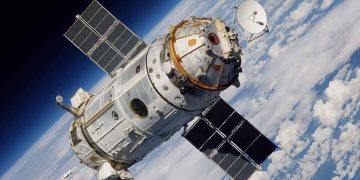
- Orbital hotels
- Interplanetary travel
Types of Space Tourism
Suborbital Tourism
Passengers briefly cross the boundary of space before returning to Earth.
These flights provide:
- Weightlessness
- Curvature-of-Earth views
- Short-duration space experience
Orbital Tourism
Orbital missions involve traveling around Earth at much greater altitude and speed.
These journeys are:
- More complex
- More expensive
- Longer in duration
Future Deep-Space Tourism
Long-term visions include:
- Moon travel
- Mars flybys
- Space resorts
Although still highly experimental, these concepts attract significant interest.
The Technology Behind Space Tourism
Reusable Rockets
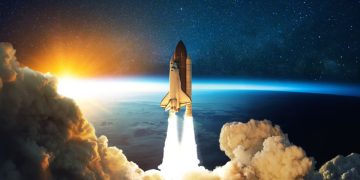
Reusable rocket technology dramatically reduced launch costs.
Traditional rockets were discarded after use, making missions extremely expensive.
Reusable systems can:
- Land safely
- Be refurbished
- Fly repeatedly
This innovation transformed commercial space economics.
Autonomous Flight Systems
Modern spacecraft increasingly rely on:
- AI navigation
- Automated safety systems
- Advanced sensors
Automation reduces operational complexity and risk.
Life Support Technology
Space tourism requires reliable systems for:
- Oxygen supply
- Cabin pressure
- Temperature regulation
- Emergency protection
Civilian safety is a major priority.
Training and Safety Procedures
Although tourists receive less training than astronauts, participants still undergo preparation involving:
- Emergency response
- Weightlessness adaptation
- Physical evaluation
Safety standards remain critical.
Why People Want to Travel to Space
The Desire for Exploration
Human curiosity drives much of space tourism interest.
Many individuals dream of:
- Leaving Earth
- Seeing the planet from orbit
- Experiencing weightlessness
Space represents the ultimate frontier of exploration.
The “Overview Effect”
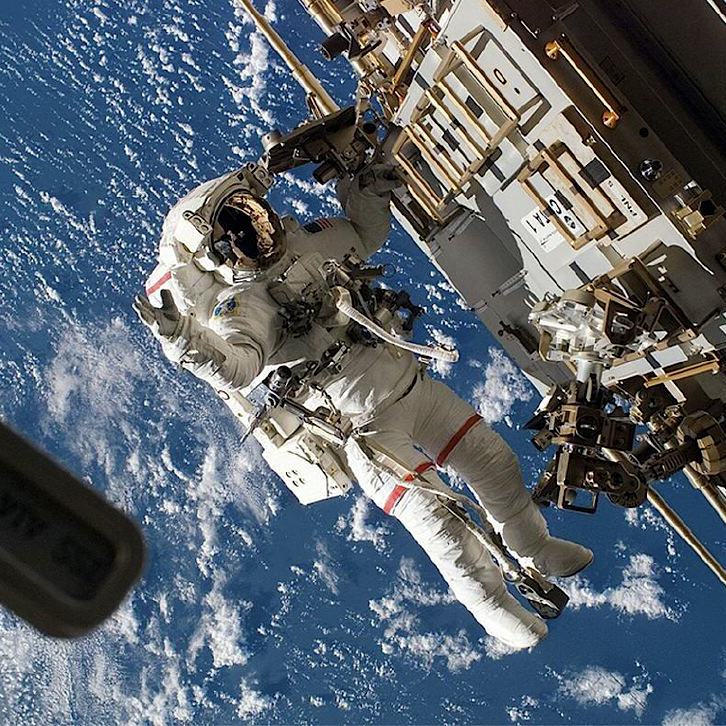
Astronauts often describe a profound psychological experience when viewing Earth from space.
This perspective can create:
- Greater environmental awareness
- Sense of global unity
- Emotional transformation
Space tourists may experience similar reactions.
Prestige and Exclusivity
Currently, space tourism remains extremely expensive.
For some individuals, participating symbolizes:
- Wealth
- Achievement
- Historical significance
Inspiration and Education
Commercial space travel may inspire:
- Scientific curiosity
- Technological interest
- Future generations of engineers and explorers
The Economics of Space Tourism
A Multi-Billion-Dollar Industry
Space tourism is becoming a rapidly growing commercial sector.
Industries connected to space tourism include:
- Aerospace manufacturing
- Hospitality
- Transportation
- Entertainment
High Costs and Limited Accessibility
Current ticket prices remain extremely high.
As a result, participation is mostly limited to wealthy individuals.
Future Cost Reduction
Supporters believe technological advancements may eventually reduce prices significantly.
Commercial aviation also began as an expensive luxury before becoming widespread.
Competition Among Private Companies
Commercial competition encourages innovation through:
- Faster development
- Improved efficiency
- Lower operational costs
Private investment plays a major role in industry expansion.
Space Tourism and Environmental Concerns
Rocket Emissions
Rocket launches produce:
- Carbon emissions
- Atmospheric pollution
- Environmental stress
Critics argue increased commercial launches may worsen environmental problems.
Balancing Innovation and Sustainability
Future space tourism may require:
- Cleaner fuels
- More efficient engines
- Environmental regulation
Sustainable development remains important.
Ethical Questions About Luxury Space Travel
Some critics question whether luxury space tourism is ethical while many global populations face:
- Poverty
- Hunger
- Climate-related crises
Debates continue about technological priorities.
The Physical and Psychological Challenges of Space Travel
Effects of Weightlessness
Microgravity affects the human body in multiple ways:
- Motion sickness
- Muscle weakening
- Fluid redistribution
Even short flights can feel physically intense.
Radiation Exposure
Space travelers encounter higher radiation levels than on Earth.
Long-term exposure remains a serious health concern.
Psychological Stress
Spaceflight may trigger:
- Anxiety
- Claustrophobia
- Emotional stress
Not everyone adapts easily to space environments.
Medical Screening
Commercial participants undergo medical evaluations to reduce risks.
As accessibility increases, safety standards may evolve further.
Space Hotels and Orbital Habitats
The Vision of Space Hospitality
Some companies plan to develop:
- Orbital hotels
- Luxury space stations
- Rotating habitats
These concepts aim to create long-duration tourism experiences.
Artificial Gravity Concepts
Future stations may generate artificial gravity through rotation.
This could improve:
- Comfort
- Health
- Long-term habitation
Entertainment Beyond Earth
Future orbital facilities may include:
- Restaurants
- Observation decks
- Recreational activities
Space tourism may eventually resemble luxury travel industries on Earth.
The Role of AI and Robotics in Space Tourism
Automated Operations
AI systems assist with:
- Navigation
- Flight monitoring
- Hazard detection
- Resource management
Automation improves reliability and efficiency.
Robotic Maintenance
Robots may perform:
- Repairs
- Cleaning
- External inspections
This reduces risk to human crews.
Personalized Tourist Experiences
AI may eventually customize:
- Training
- Virtual simulations
- Onboard experiences
Technology could make space travel more accessible to non-experts.
Legal and Political Challenges
Space Law
International space law was originally designed for government exploration rather than commercial tourism.
Important legal questions include:
- Passenger liability
- Property rights
- Orbital regulation
National Regulation
Governments increasingly regulate commercial launches to ensure:
- Safety
- Environmental protection
- Airspace coordination
Space Traffic Management
As launches increase, orbital congestion becomes more serious.
Effective traffic management systems will become essential.
The Social Impact of Space Tourism
Expanding Public Engagement with Space
Commercial tourism increases public visibility of space exploration.
This may strengthen support for:
- Science education
- Space research
- Technological innovation
Redefining Human Experience
Traveling beyond Earth may eventually become part of human culture.
Space tourism could alter perceptions of:
- Borders
- Environment
- Human identity
Inequality Concerns
Critics worry space tourism may initially reinforce inequality by remaining accessible only to elites.
Broader accessibility remains uncertain.
The Future of Commercial Space Travel
Routine Suborbital Flights
Future systems may allow rapid global travel using spaceflight technology.
Flights between continents could become significantly faster.
Lunar Tourism
Some companies envision:
- Moon flybys
- Lunar hotels
- Surface exploration experiences
Although expensive initially, lunar tourism may eventually emerge.
Space-Based Civilization
Long-term development of space tourism could support broader:
- Space economies
- Orbital industries
- Permanent off-world settlements
Tourism may become the first stage of larger human expansion into space.
Ethical Questions About Commercializing Space
Should Space Be Commercialized?
Some scientists worry excessive commercialization may prioritize profit over:
- Science
- Sustainability
- International cooperation
Cultural Ownership of Space
Space belongs to all humanity under current international agreements.
Commercial competition may challenge this principle.
Protecting Space Environments
Future development must address:
- Space debris
- Environmental contamination
- Orbital sustainability
Responsible expansion is essential.
Conclusion
Space tourism marks the beginning of a historic transformation in human civilization. Through reusable rockets, AI systems, advanced spacecraft, and commercial innovation, space travel is gradually shifting from government exclusivity toward broader human participation.
This new industry offers remarkable possibilities:
- Technological advancement
- Public inspiration
- Economic growth
- Greater connection to space exploration
At the same time, it raises important concerns:
- Environmental impact
- Economic inequality
- Safety risks
- Ethical questions about commercialization
Although space tourism remains limited today, it may eventually reshape how humanity understands travel, exploration, and even life beyond Earth itself.
The first generation of commercial space travelers represents only the beginning. In the future, leaving Earth may no longer be an extraordinary achievement reserved for astronauts alone, but a new chapter in the expanding story of human civilization among the stars.










Discussion about this post