


































techfusionnews
  • Home
  • Digital Lifestyle
    Can Cryptocurrency Replace Traditional Banking?

    Can Cryptocurrency Replace Traditional Banking?

    Is Augmented Reality Changing How We Learn?

    Is Augmented Reality Changing How We Learn?

    The Dark Side of the Smart City Revolution

    The Dark Side of the Smart City Revolution

    Can You Escape the Surveillance State with VPNs?

    Can You Escape the Surveillance State with VPNs?

    Are Digital Detoxes Just a Trend or a Necessity?

    Are Digital Detoxes Just a Trend or a Necessity?

    Is Social Media Helping or Hurting Your Mental Health?

    Is Social Media Helping or Hurting Your Mental Health?

  • Green Tech & Wellness
    Can Circular Economy Principles Revolutionize Healthcare?

    Can Circular Economy Principles Revolutionize Healthcare?

    Is AI the Secret to Personalized Eco-Wellness Solutions?

    Is AI the Secret to Personalized Eco-Wellness Solutions?

    How Do Green Building Materials Affect Your Overall Wellbeing?

    How Do Green Building Materials Affect Your Overall Wellbeing?

    Could Plant-Based Diets Be the Future of Eco-Friendly Wellness?

    Could Plant-Based Diets Be the Future of Eco-Friendly Wellness?

    How Can Smart Green Gadgets Improve Indoor Air Quality?

    How Can Smart Green Gadgets Improve Indoor Air Quality?

    Can Clean Energy Revolutionize Your Fitness Routine?

    Can Clean Energy Revolutionize Your Fitness Routine?

  • AI
    Will AI Ever Truly Understand Human Consciousness?

    Will AI Ever Truly Understand Human Consciousness?

    What Role Will AI Play in the Next Evolution of the Internet?

    What Role Will AI Play in the Next Evolution of the Internet?

    How Will AI Transform the Future of Education?

    How Will AI Transform the Future of Education?

    Can AI Understand and Create Humor?

    Can AI Understand and Create Humor?

    Is AI the Key to Unlocking Human Potential?

    Is AI the Key to Unlocking Human Potential?

    How Close Are We to AI Becoming Sentient?

    How Close Are We to AI Becoming Sentient?

  • Space Exploration
    Will We Ever Reach the Edge of the Observable Universe?

    Will We Ever Reach the Edge of the Observable Universe?

    What Are the Ethical Implications of Colonizing Other Planets?

    What Are the Ethical Implications of Colonizing Other Planets?

    What If Earth’s Magnetic Field Collapsed—Could We Survive in Space?

    What If Earth’s Magnetic Field Collapsed—Could We Survive in Space?

    Can Artificial Intelligence Assist in Discovering Exoplanets?

    Can Artificial Intelligence Assist in Discovering Exoplanets?

    Is Space Debris a Threat to Future Space Exploration?

    Is Space Debris a Threat to Future Space Exploration?

    Could We Use Wormholes to Travel Through Time and Space?

    Could We Use Wormholes to Travel Through Time and Space?

  • Innovation & Research
    Can Innovation Thrive Without Government Funding?

    Can Innovation Thrive Without Government Funding?

    Are We Ready for the Ethical Challenges of AI in Research?

    Are We Ready for the Ethical Challenges of AI in Research?

    How Can Failure Be the Most Important Lesson in Innovation?

    How Can Failure Be the Most Important Lesson in Innovation?

    Can the Digital Transformation of Research Lead to Global Scientific Unity?

    Can the Digital Transformation of Research Lead to Global Scientific Unity?

    What is the True Value of Interdisciplinary Research in Innovation?

    Why Do Some Scientific Discoveries Fail to Make an Impact?

    Why Do Some Scientific Discoveries Fail to Make an Impact?

  • All Tech
    Will AI Ever Truly Understand Human Consciousness?

    Will AI Ever Truly Understand Human Consciousness?

    Can Cryptocurrency Replace Traditional Banking?

    Can Cryptocurrency Replace Traditional Banking?

    Can Circular Economy Principles Revolutionize Healthcare?

    Can Circular Economy Principles Revolutionize Healthcare?

    Can Innovation Thrive Without Government Funding?

    Can Innovation Thrive Without Government Funding?

    Will We Ever Reach the Edge of the Observable Universe?

    Will We Ever Reach the Edge of the Observable Universe?

    What Role Will AI Play in the Next Evolution of the Internet?

    What Role Will AI Play in the Next Evolution of the Internet?

techfusionnews
  • Home
  • Digital Lifestyle
    Can Cryptocurrency Replace Traditional Banking?

    Can Cryptocurrency Replace Traditional Banking?

    Is Augmented Reality Changing How We Learn?

    Is Augmented Reality Changing How We Learn?

    The Dark Side of the Smart City Revolution

    The Dark Side of the Smart City Revolution

    Can You Escape the Surveillance State with VPNs?

    Can You Escape the Surveillance State with VPNs?

    Are Digital Detoxes Just a Trend or a Necessity?

    Are Digital Detoxes Just a Trend or a Necessity?

    Is Social Media Helping or Hurting Your Mental Health?

    Is Social Media Helping or Hurting Your Mental Health?

  • Green Tech & Wellness
    Can Circular Economy Principles Revolutionize Healthcare?

    Can Circular Economy Principles Revolutionize Healthcare?

    Is AI the Secret to Personalized Eco-Wellness Solutions?

    Is AI the Secret to Personalized Eco-Wellness Solutions?

    How Do Green Building Materials Affect Your Overall Wellbeing?

    How Do Green Building Materials Affect Your Overall Wellbeing?

    Could Plant-Based Diets Be the Future of Eco-Friendly Wellness?

    Could Plant-Based Diets Be the Future of Eco-Friendly Wellness?

    How Can Smart Green Gadgets Improve Indoor Air Quality?

    How Can Smart Green Gadgets Improve Indoor Air Quality?

    Can Clean Energy Revolutionize Your Fitness Routine?

    Can Clean Energy Revolutionize Your Fitness Routine?

  • AI
    Will AI Ever Truly Understand Human Consciousness?

    Will AI Ever Truly Understand Human Consciousness?

    What Role Will AI Play in the Next Evolution of the Internet?

    What Role Will AI Play in the Next Evolution of the Internet?

    How Will AI Transform the Future of Education?

    How Will AI Transform the Future of Education?

    Can AI Understand and Create Humor?

    Can AI Understand and Create Humor?

    Is AI the Key to Unlocking Human Potential?

    Is AI the Key to Unlocking Human Potential?

    How Close Are We to AI Becoming Sentient?

    How Close Are We to AI Becoming Sentient?

  • Space Exploration
    Will We Ever Reach the Edge of the Observable Universe?

    Will We Ever Reach the Edge of the Observable Universe?

    What Are the Ethical Implications of Colonizing Other Planets?

    What Are the Ethical Implications of Colonizing Other Planets?

    What If Earth’s Magnetic Field Collapsed—Could We Survive in Space?

    What If Earth’s Magnetic Field Collapsed—Could We Survive in Space?

    Can Artificial Intelligence Assist in Discovering Exoplanets?

    Can Artificial Intelligence Assist in Discovering Exoplanets?

    Is Space Debris a Threat to Future Space Exploration?

    Is Space Debris a Threat to Future Space Exploration?

    Could We Use Wormholes to Travel Through Time and Space?

    Could We Use Wormholes to Travel Through Time and Space?

  • Innovation & Research
    Can Innovation Thrive Without Government Funding?

    Can Innovation Thrive Without Government Funding?

    Are We Ready for the Ethical Challenges of AI in Research?

    Are We Ready for the Ethical Challenges of AI in Research?

    How Can Failure Be the Most Important Lesson in Innovation?

    How Can Failure Be the Most Important Lesson in Innovation?

    Can the Digital Transformation of Research Lead to Global Scientific Unity?

    Can the Digital Transformation of Research Lead to Global Scientific Unity?

    What is the True Value of Interdisciplinary Research in Innovation?

    Why Do Some Scientific Discoveries Fail to Make an Impact?

    Why Do Some Scientific Discoveries Fail to Make an Impact?

  • All Tech
    Will AI Ever Truly Understand Human Consciousness?

    Will AI Ever Truly Understand Human Consciousness?

    Can Cryptocurrency Replace Traditional Banking?

    Can Cryptocurrency Replace Traditional Banking?

    Can Circular Economy Principles Revolutionize Healthcare?

    Can Circular Economy Principles Revolutionize Healthcare?

    Can Innovation Thrive Without Government Funding?

    Can Innovation Thrive Without Government Funding?

    Will We Ever Reach the Edge of the Observable Universe?

    Will We Ever Reach the Edge of the Observable Universe?

    What Role Will AI Play in the Next Evolution of the Internet?

    What Role Will AI Play in the Next Evolution of the Internet?

No Result
View All Result
Plugin Install : Cart Icon need WooCommerce plugin to be installed.
techfusionnews
No Result
View All Result
Home All Tech

Exploring the Outer Solar System: What’s Next After Voyager?

January 25, 2025
in All Tech, Space Exploration
Exploring the Outer Solar System: What’s Next After Voyager?

Introduction: Overview of the Voyager Missions and Their Landmark Achievements

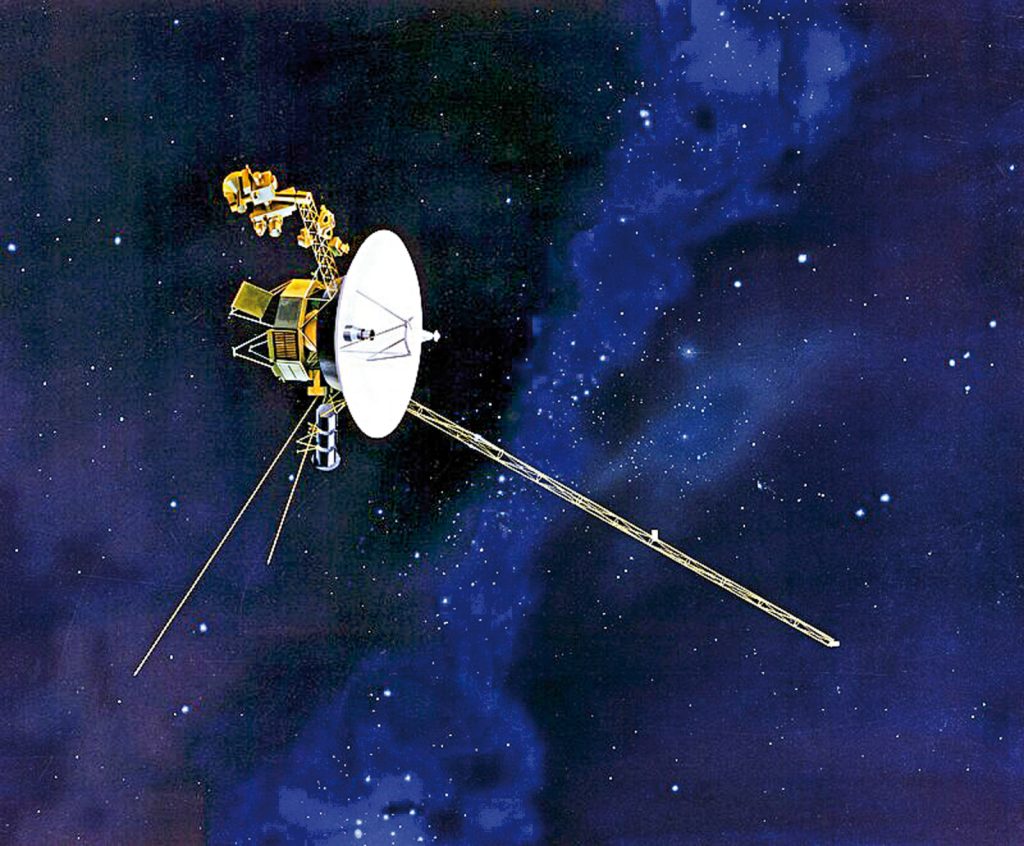
The Voyager missions, launched in the 1970s, stand as some of the most iconic achievements in space exploration. Voyager 1 and Voyager 2, both operated by NASA, were tasked with exploring the outer planets and the far reaches of our solar system. These missions have expanded our understanding of the solar system and set the stage for future exploration into the unknown territories of deep space. Voyager 1, launched in 1977, became the first human-made object to reach interstellar space in 2012, while Voyager 2, launched a few weeks earlier, followed suit in 2018.

The Voyager missions provided us with breathtaking images of Jupiter, Saturn, Uranus, and Neptune, and made groundbreaking discoveries about the planets, their moons, and the broader solar system environment. They sent back a treasure trove of data, much of which continues to inform current scientific research. As the spacecraft venture farther from Earth, their missions have also shifted to studying the cosmic environment beyond the solar system, probing the boundaries where the solar wind interacts with interstellar space.

Yet, despite their remarkable achievements, the Voyager missions represent just the beginning of our understanding of the outer solar system. As these spacecraft continue their journeys into deep space, newer, more sophisticated missions are being launched to explore even farther reaches of the solar system. What lies beyond Voyager’s legacy? What can we expect in the future as we push the boundaries of space exploration? This article will explore the next steps for outer solar system exploration, the technological advances driving these missions, and the potential for discoveries that could change our understanding of the universe.

New Horizons and Beyond: The Role of the New Horizons Mission in Exploring Distant Pluto and Beyond

While the Voyager missions marked a turning point in space exploration, one of the most significant milestones after Voyager was the New Horizons mission. Launched in 2006, New Horizons was designed to study Pluto, its moons, and the Kuiper Belt, a vast region of icy bodies beyond Neptune. In 2015, the spacecraft made history with its close flyby of Pluto, providing humanity with the first detailed images and scientific data from the dwarf planet. This flyby was a momentous occasion, revealing Pluto’s complex surface, a surprising mix of mountains, plains, and vast ice fields, along with its thin atmosphere.

New Horizons didn’t stop at Pluto, though. After its historic encounter with the dwarf planet, the spacecraft continued its journey deeper into the Kuiper Belt. In 2019, New Horizons conducted a flyby of a distant object called 2014 MU69, nicknamed “Arrokoth,” which provided further insight into the composition of ancient bodies in the outer solar system. New Horizons’ mission is a powerful example of the new era of deep-space exploration, where spacecraft are capable of traveling vast distances and making multiple discoveries over the course of their journey.

Looking forward, New Horizons is expected to continue exploring the outer edges of the solar system. With no specific end date for the mission, the spacecraft is set to travel into regions that no spacecraft has ventured before, providing us with valuable data on the nature of the outermost reaches of the solar system. The success of New Horizons offers a glimpse into what lies ahead: more detailed investigations of Kuiper Belt objects, potentially even more distant flybys, and an increased understanding of the solar system’s formation and the building blocks of our planet.

The Future of Outer Solar System Exploration: Upcoming Missions to the Outer Planets and Their Moons

As Voyager and New Horizons continue their missions, several new and upcoming space missions are poised to explore the outer planets and their moons. These missions will push the envelope of what is known about the solar system’s outermost regions and are crucial for future scientific research.

One of the most exciting upcoming missions is NASA’s Europa Clipper, which is set to launch in the 2020s. Europa, one of Jupiter’s largest moons, is believed to harbor a subsurface ocean beneath its icy shell, making it one of the most promising places in the solar system to search for signs of life. Europa Clipper will conduct detailed flybys of the moon, studying its ice shell, subsurface ocean, and geological activity. By understanding Europa’s environment, we may learn more about the potential for life on icy moons elsewhere in the solar system or beyond.

Another noteworthy mission is the Dragonfly mission, scheduled to launch in 2027. Dragonfly is a rotorcraft that will explore Saturn’s largest moon, Titan, which is often compared to an early version of Earth due to its dense atmosphere and liquid methane lakes. Titan is of particular interest to scientists because of its complex organic chemistry, which could hold clues about the origins of life. Dragonfly will fly to different locations across Titan’s surface, studying its chemistry, geology, and potential for prebiotic conditions.

In addition to Europa Clipper and Dragonfly, missions such as NASA’s JUICE (Jupiter Icy Moons Explorer) and the NASA-ESA mission to Uranus, set for the 2030s, promise to expand our knowledge of the gas giants and their moons. JUICE will focus on Jupiter’s moons Ganymede, Callisto, and Europa, while the Uranus mission will provide an unprecedented study of the ice giant’s atmosphere, rings, and moons. These missions are part of a broader effort to explore the outer planets and their satellites, which are considered to be some of the most intriguing and potentially habitable places in the solar system.
Technological Advances for Deep Space Missions: Innovations in Propulsion, Data Transmission, and Long-Duration Space Travel

The ability to explore the outer solar system and beyond is made possible by remarkable advances in space technology. These innovations are essential for ensuring the success of long-duration missions and improving the capabilities of spacecraft as they travel farther from Earth.

One of the most important technological advancements is the development of advanced propulsion systems. Traditional chemical propulsion, while effective for missions within the inner solar system, becomes less efficient as spacecraft venture farther into space. To overcome this limitation, new propulsion technologies such as ion thrusters and solar sails are being developed. Ion thrusters use electric fields to accelerate ions to extremely high speeds, allowing spacecraft to achieve greater efficiency over long distances. Solar sails, on the other hand, use radiation pressure from sunlight to propel a spacecraft, making them ideal for deep-space missions where conventional propulsion systems may not provide sufficient thrust.

Another challenge for deep-space missions is data transmission. As spacecraft venture farther into space, communication with Earth becomes increasingly difficult due to the vast distances involved. To overcome this, NASA and other space agencies are working on next-generation communication systems that utilize laser-based technologies, which could transmit data at higher speeds and over longer distances than traditional radio frequency systems. These technologies could drastically reduce communication delays and enhance the amount of data transmitted from distant missions.

Long-duration space travel also requires advancements in spacecraft power generation and life support systems. Solar panels, while effective in the inner solar system, become less reliable as a spacecraft moves farther from the Sun. Future missions will rely on nuclear power sources, such as radioisotope thermoelectric generators (RTGs), to provide a constant source of energy for long-term operations in the outer solar system. Additionally, improving life support systems will be crucial for human missions to the outer planets and beyond, ensuring astronauts have the resources they need to survive on long-duration missions.

The Search for Extraterrestrial Life: How Exploration of Outer Solar System Bodies Might Lead to Discoveries of Life

One of the most profound goals of outer solar system exploration is the search for extraterrestrial life. Many of the moons and planets in the outer solar system possess conditions that could support microbial life or at least provide insights into the origins of life itself.

Moons like Europa, Enceladus, and Titan are considered some of the most likely places to find signs of life. Europa’s subsurface ocean, hidden beneath its icy shell, could harbor the necessary conditions for life, such as warmth, water, and organic molecules. Similarly, Enceladus, one of Saturn’s moons, has geysers that shoot plumes of water vapor and organic molecules into space, suggesting the potential for life beneath its icy crust.

Titan, with its thick atmosphere and lakes of methane, offers a unique environment where life could exist in a form that is completely different from anything we know on Earth. The complex organic chemistry present on Titan could provide insights into the prebiotic conditions that may have existed on early Earth, offering clues about how life might arise on other planets or moons in our solar system and beyond.

Future missions like Europa Clipper, Dragonfly, and JUICE are all designed with the search for life in mind. By studying the chemical composition of these moons and planets, scientists hope to find signs of life or, at the very least, learn more about the conditions that make life possible.

Conclusion: The Long-Term Vision for Understanding Our Outer Solar System and the Unknown

The outer solar system has long been a frontier of space exploration, and while the Voyager missions laid the groundwork for understanding this distant region, much more remains to be discovered. The success of missions like New Horizons and the upcoming exploration of moons like Europa and Titan promises to yield new insights into the origins of the solar system, the potential for life beyond Earth, and the technologies needed to explore deep space.

As we look to the future, the exploration of the outer solar system will continue to be driven by new technological innovations, ambitious missions, and the drive to answer one of humanity’s most profound questions: Are we alone in the universe? The discoveries made in the coming decades will not only expand our understanding of the outer solar system but could also have profound implications for the future of space exploration and our place in the cosmos.


Tags: Dragonfly MissionEuropa ClipperNew HorizonsOuter Solar System ExplorationSpace Propulsion TechnologyVoyager Missions
ShareTweetShare

Related Posts

Will AI Ever Truly Understand Human Consciousness?
AI

Will AI Ever Truly Understand Human Consciousness?

January 25, 2026
Can Cryptocurrency Replace Traditional Banking?
All Tech

Can Cryptocurrency Replace Traditional Banking?

January 25, 2026
Can Circular Economy Principles Revolutionize Healthcare?
All Tech

Can Circular Economy Principles Revolutionize Healthcare?

January 25, 2026
Can Innovation Thrive Without Government Funding?
All Tech

Can Innovation Thrive Without Government Funding?

January 25, 2026
Will We Ever Reach the Edge of the Observable Universe?
All Tech

Will We Ever Reach the Edge of the Observable Universe?

January 25, 2026
What Role Will AI Play in the Next Evolution of the Internet?
AI

What Role Will AI Play in the Next Evolution of the Internet?

January 24, 2026

Discussion about this post

  • Trending
  • Comments
  • Latest
Eternal Luminary: Humanity’s Perpetual Fascination with the Sun

Eternal Luminary: Humanity’s Perpetual Fascination with the Sun

November 5, 2024
The Race Heats Up: OpenAI Joins the AI-Powered Search Arena

The Race Heats Up: OpenAI Joins the AI-Powered Search Arena

October 16, 2024
The Canon DIGITAL IXUS Legacy: Redefining Photography with Style and Innovation

The Canon DIGITAL IXUS Legacy: Redefining Photography with Style and Innovation

November 2, 2024
A New Hope: Exploring KarXT’s Potential in Treating Alzheimer’s-Related Psychosis

A New Hope: Exploring KarXT’s Potential in Treating Alzheimer’s-Related Psychosis

December 5, 2024
The Lunar Symphony: Hal Clement’s Prophetic Fantasia

The Lunar Symphony: Hal Clement’s Prophetic Fantasia

Unlocking the Future with AI’s Latest Breakthroughs: A Journey into the Unchartered Frontier

Unlocking the Future with AI’s Latest Breakthroughs: A Journey into the Unchartered Frontier

The Transformative Power of Machine Learning: Shaping the Future of Technology and Beyond

The Transformative Power of Machine Learning: Shaping the Future of Technology and Beyond

The Emotional Intelligence of AI: Bridging the Gap Between Machines and Hearts

The Emotional Intelligence of AI: Bridging the Gap Between Machines and Hearts

Will AI Ever Truly Understand Human Consciousness?

Will AI Ever Truly Understand Human Consciousness?

January 25, 2026
Can Cryptocurrency Replace Traditional Banking?

Can Cryptocurrency Replace Traditional Banking?

January 25, 2026
Can Circular Economy Principles Revolutionize Healthcare?

Can Circular Economy Principles Revolutionize Healthcare?

January 25, 2026
Can Innovation Thrive Without Government Funding?

Can Innovation Thrive Without Government Funding?

January 25, 2026
techfusionnews

Discover the essence of innovation at "Tech Aggregator," where the latest in tech converges. From cutting-edge gadgets to cosmic ventures and green breakthroughs, our site offers a streamlined look at the future of technology. Engage with concise, impactful content designed for those eager to stay ahead in an ever-evolving digital landscape. Join us at the forefront of the tech revolution.

© 2025 techfusionnews.com. contacts:[email protected]

No Result
View All Result
  • Home
  • Digital Lifestyle
  • Green Tech & Wellness
  • AI
  • Space Exploration
  • Innovation & Research
  • All Tech

© 2025 techfusionnews.com. contacts:[email protected]

Welcome Back!

Login to your account below

Forgotten Password?

Retrieve your password

Please enter your username or email address to reset your password.

Log In