





























techfusionnews
  • Home
  • Digital Lifestyle
    Always On — The Psychology of Living a Fully Connected Life

    Hybrid Reality — The Future of Digital Lifestyle in an AI-Driven World

    Always On — The Psychology of Living a Fully Connected Life

    Digital Minimalism vs Digital Addiction — The Battle for Attention and Control

    Always On — The Psychology of Living a Fully Connected Life

    The Home as a Digital Hub — Smart Living and the Rise of Invisible Technology

    Curated Reality — Social Media, Identity, and the Performance of Life

    Curated Reality — Social Media, Identity, and the Performance of Life

    Always On — The Psychology of Living a Fully Connected Life

    Always On — The Psychology of Living a Fully Connected Life

    Digital Consumption, AI Economy, and the Future of Human Choice

    Digital Consumption, AI Economy, and the Future of Human Choice

  • Green Tech & Wellness
    The Environmental Impact of Modern AI

    Biohacking and Everyday Wellness: Optimizing the Human Body in a Tech-Driven World

    The Environmental Impact of Modern AI

    Digital Detox in the Age of Hyperconnectivity: Reclaiming Mental Space

    The Environmental Impact of Modern AI

    From Solar to Storage: The New Era of Renewable Energy Innovation

    The Environmental Impact of Modern AI

    Smart Cities and the Green Revolution: How Technology is Redesigning Urban Life

    The Environmental Impact of Modern AI

    The Environmental Impact of Modern AI

    Green Technology and the New Definition of Wellness in the 21st Century

    Future Wellness — Longevity, Climate Adaptation, and the Evolution of Human Living

  • AI
    The Future of Artificial General Intelligence: Will Machines Surpass Human Intelligence?

    The Future of Artificial General Intelligence: Will Machines Surpass Human Intelligence?

    Artificial Intelligence in the Age of Transformation: Redefining Intelligence, Work, and Human Potential

    AI Ethics and Existential Risk: Alignment, Control, and the Future of Humanity

    Artificial Intelligence in the Age of Transformation: Redefining Intelligence, Work, and Human Potential

    AI in Business and the Global Economy: Power, Monopoly, and the New Rules of Capitalism

    Artificial Intelligence in the Age of Transformation: Redefining Intelligence, Work, and Human Potential

    AI and Creativity: When Machines Become Artists, Writers, and Designers

    Artificial Intelligence in the Age of Transformation: Redefining Intelligence, Work, and Human Potential

    Artificial Intelligence in the Age of Transformation: Redefining Intelligence, Work, and Human Potential

    The Invisible Revolution: How AI Is Reshaping Everyday Life

    Trust, Power, and Control: Who Owns the Age of AI?

  • Space Exploration
    The New Age of Space Exploration: From Government Missions to a Multi-Planetary Future

    The Philosophy and Ethics of Space Exploration: Who Owns the Universe?

    The New Age of Space Exploration: From Government Missions to a Multi-Planetary Future

    Life Beyond Earth: Human Survival, Space Habitats, and the Biology of Living in Space

    The New Age of Space Exploration: From Government Missions to a Multi-Planetary Future

    Deep Space Technologies: The Engineering Breakthroughs That Will Take Humanity Beyond the Solar System

    The New Age of Space Exploration: From Government Missions to a Multi-Planetary Future

    The Space Economy Revolution: How Commercialization is Redefining Humanity’s Final Frontier

    The New Age of Space Exploration: From Government Missions to a Multi-Planetary Future

    The New Age of Space Exploration: From Government Missions to a Multi-Planetary Future

    The Economics of Space — How Exploration Is Becoming the Next Trillion-Dollar Industry

    Why We Explore — The Human Drive Behind Space Exploration

  • Innovation & Research
    The Innovation Paradox: Why More Technology Doesn’t Always Mean More Progress

    From Lab to Market: Why Most Research Never Becomes Reality

    The Innovation Paradox: Why More Technology Doesn’t Always Mean More Progress

    The Crisis of Reproducibility: Can Science Still Be Trusted?

    The Innovation Paradox: Why More Technology Doesn’t Always Mean More Progress

    The New Scientific Method: How AI Is Changing the Way We Discover Knowledge

    The Innovation Paradox: Why More Technology Doesn’t Always Mean More Progress

    Invisible Innovation: The Breakthroughs That Happen Without Headlines

    The Innovation Paradox: Why More Technology Doesn’t Always Mean More Progress

    The Innovation Paradox: Why More Technology Doesn’t Always Mean More Progress

    Open Science and Global Collaboration: The New Research Ecosystem

    Open Science and Global Collaboration: The New Research Ecosystem

  • All Tech
    The Automation Economy: Work, Wealth, and Power in a Machine-Driven World

    The Automation Economy: Work, Wealth, and Power in a Machine-Driven World

    The Invisible Infrastructure: How AI Is Quietly Rewriting Everyday Life

    Digital Identity in 2030: Who Owns You in the Age of Data

    The Invisible Infrastructure: How AI Is Quietly Rewriting Everyday Life

    The Post-Smartphone Era: What Comes After the Most Successful Device in History

    The Invisible Infrastructure: How AI Is Quietly Rewriting Everyday Life

    From Code to Consciousness: The Debate Around Artificial General Intelligence

    The Invisible Infrastructure: How AI Is Quietly Rewriting Everyday Life

    The Invisible Infrastructure: How AI Is Quietly Rewriting Everyday Life

    The Invisible Architecture of Modern Life — How Technology Quietly Rewrites Human Existence

    The Next Civilization — Technology, Power, and the Future of Being Human

techfusionnews
  • Home
  • Digital Lifestyle
    Always On — The Psychology of Living a Fully Connected Life

    Hybrid Reality — The Future of Digital Lifestyle in an AI-Driven World

    Always On — The Psychology of Living a Fully Connected Life

    Digital Minimalism vs Digital Addiction — The Battle for Attention and Control

    Always On — The Psychology of Living a Fully Connected Life

    The Home as a Digital Hub — Smart Living and the Rise of Invisible Technology

    Curated Reality — Social Media, Identity, and the Performance of Life

    Curated Reality — Social Media, Identity, and the Performance of Life

    Always On — The Psychology of Living a Fully Connected Life

    Always On — The Psychology of Living a Fully Connected Life

    Digital Consumption, AI Economy, and the Future of Human Choice

    Digital Consumption, AI Economy, and the Future of Human Choice

  • Green Tech & Wellness
    The Environmental Impact of Modern AI

    Biohacking and Everyday Wellness: Optimizing the Human Body in a Tech-Driven World

    The Environmental Impact of Modern AI

    Digital Detox in the Age of Hyperconnectivity: Reclaiming Mental Space

    The Environmental Impact of Modern AI

    From Solar to Storage: The New Era of Renewable Energy Innovation

    The Environmental Impact of Modern AI

    Smart Cities and the Green Revolution: How Technology is Redesigning Urban Life

    The Environmental Impact of Modern AI

    The Environmental Impact of Modern AI

    Green Technology and the New Definition of Wellness in the 21st Century

    Future Wellness — Longevity, Climate Adaptation, and the Evolution of Human Living

  • AI
    The Future of Artificial General Intelligence: Will Machines Surpass Human Intelligence?

    The Future of Artificial General Intelligence: Will Machines Surpass Human Intelligence?

    Artificial Intelligence in the Age of Transformation: Redefining Intelligence, Work, and Human Potential

    AI Ethics and Existential Risk: Alignment, Control, and the Future of Humanity

    Artificial Intelligence in the Age of Transformation: Redefining Intelligence, Work, and Human Potential

    AI in Business and the Global Economy: Power, Monopoly, and the New Rules of Capitalism

    Artificial Intelligence in the Age of Transformation: Redefining Intelligence, Work, and Human Potential

    AI and Creativity: When Machines Become Artists, Writers, and Designers

    Artificial Intelligence in the Age of Transformation: Redefining Intelligence, Work, and Human Potential

    Artificial Intelligence in the Age of Transformation: Redefining Intelligence, Work, and Human Potential

    The Invisible Revolution: How AI Is Reshaping Everyday Life

    Trust, Power, and Control: Who Owns the Age of AI?

  • Space Exploration
    The New Age of Space Exploration: From Government Missions to a Multi-Planetary Future

    The Philosophy and Ethics of Space Exploration: Who Owns the Universe?

    The New Age of Space Exploration: From Government Missions to a Multi-Planetary Future

    Life Beyond Earth: Human Survival, Space Habitats, and the Biology of Living in Space

    The New Age of Space Exploration: From Government Missions to a Multi-Planetary Future

    Deep Space Technologies: The Engineering Breakthroughs That Will Take Humanity Beyond the Solar System

    The New Age of Space Exploration: From Government Missions to a Multi-Planetary Future

    The Space Economy Revolution: How Commercialization is Redefining Humanity’s Final Frontier

    The New Age of Space Exploration: From Government Missions to a Multi-Planetary Future

    The New Age of Space Exploration: From Government Missions to a Multi-Planetary Future

    The Economics of Space — How Exploration Is Becoming the Next Trillion-Dollar Industry

    Why We Explore — The Human Drive Behind Space Exploration

  • Innovation & Research
    The Innovation Paradox: Why More Technology Doesn’t Always Mean More Progress

    From Lab to Market: Why Most Research Never Becomes Reality

    The Innovation Paradox: Why More Technology Doesn’t Always Mean More Progress

    The Crisis of Reproducibility: Can Science Still Be Trusted?

    The Innovation Paradox: Why More Technology Doesn’t Always Mean More Progress

    The New Scientific Method: How AI Is Changing the Way We Discover Knowledge

    The Innovation Paradox: Why More Technology Doesn’t Always Mean More Progress

    Invisible Innovation: The Breakthroughs That Happen Without Headlines

    The Innovation Paradox: Why More Technology Doesn’t Always Mean More Progress

    The Innovation Paradox: Why More Technology Doesn’t Always Mean More Progress

    Open Science and Global Collaboration: The New Research Ecosystem

    Open Science and Global Collaboration: The New Research Ecosystem

  • All Tech
    The Automation Economy: Work, Wealth, and Power in a Machine-Driven World

    The Automation Economy: Work, Wealth, and Power in a Machine-Driven World

    The Invisible Infrastructure: How AI Is Quietly Rewriting Everyday Life

    Digital Identity in 2030: Who Owns You in the Age of Data

    The Invisible Infrastructure: How AI Is Quietly Rewriting Everyday Life

    The Post-Smartphone Era: What Comes After the Most Successful Device in History

    The Invisible Infrastructure: How AI Is Quietly Rewriting Everyday Life

    From Code to Consciousness: The Debate Around Artificial General Intelligence

    The Invisible Infrastructure: How AI Is Quietly Rewriting Everyday Life

    The Invisible Infrastructure: How AI Is Quietly Rewriting Everyday Life

    The Invisible Architecture of Modern Life — How Technology Quietly Rewrites Human Existence

    The Next Civilization — Technology, Power, and the Future of Being Human

No Result
View All Result
Plugin Install : Cart Icon need WooCommerce plugin to be installed.
techfusionnews
No Result
View All Result
Home All Tech

Virtual Reality in Retail: The Future of Shopping Is Immersive

February 1, 2025
in All Tech, Digital Lifestyle
Virtual Reality in Retail: The Future of Shopping Is Immersive

Introduction

The retail industry is experiencing a significant transformation, largely driven by advances in technology. One of the most exciting developments is Virtual Reality (VR), which is set to revolutionize how consumers shop. While VR has been primarily associated with gaming and entertainment, its potential in retail is vast and continues to grow. From virtual stores to virtual try-ons, VR technology is reshaping the entire shopping experience. In this article, we explore how VR is changing the retail industry, enhancing the consumer journey, and what the future holds for immersive shopping experiences.

1. Understanding Virtual Reality (VR) and Its Role in Retail

Before diving into the specifics of VR in retail, it’s essential to define what Virtual Reality is and how it differs from related technologies like Augmented Reality (AR).

1.1 What is Virtual Reality?
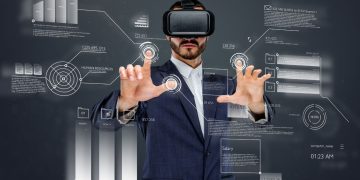
Virtual Reality is an immersive technology that uses computer-generated environments to create a simulated experience. Unlike traditional media like TV or computers, VR places users inside a fully interactive, 3D environment, allowing them to engage and navigate as if they were physically present. This immersion can be achieved using devices such as VR headsets, gloves, and motion sensors.

1.2 How VR Differs from AR in Retail
While both VR and Augmented Reality (AR) are often grouped together, they are distinct technologies. AR enhances the real world by overlaying virtual elements onto it (e.g., using a smartphone app to visualize how furniture will look in a room). In contrast, VR creates an entirely virtual world, where users can interact with objects and environments that don’t exist in reality. VR in retail offers a fully immersive shopping experience, whereas AR might offer more subtle enhancements, like virtual fitting rooms.

2. VR in Retail: Transforming the Consumer Experience

In recent years, VR has started to make its mark in the retail industry by offering immersive experiences that go beyond traditional shopping methods. Let’s explore some of the key ways VR is transforming retail.

2.1 Virtual Stores and Showrooms
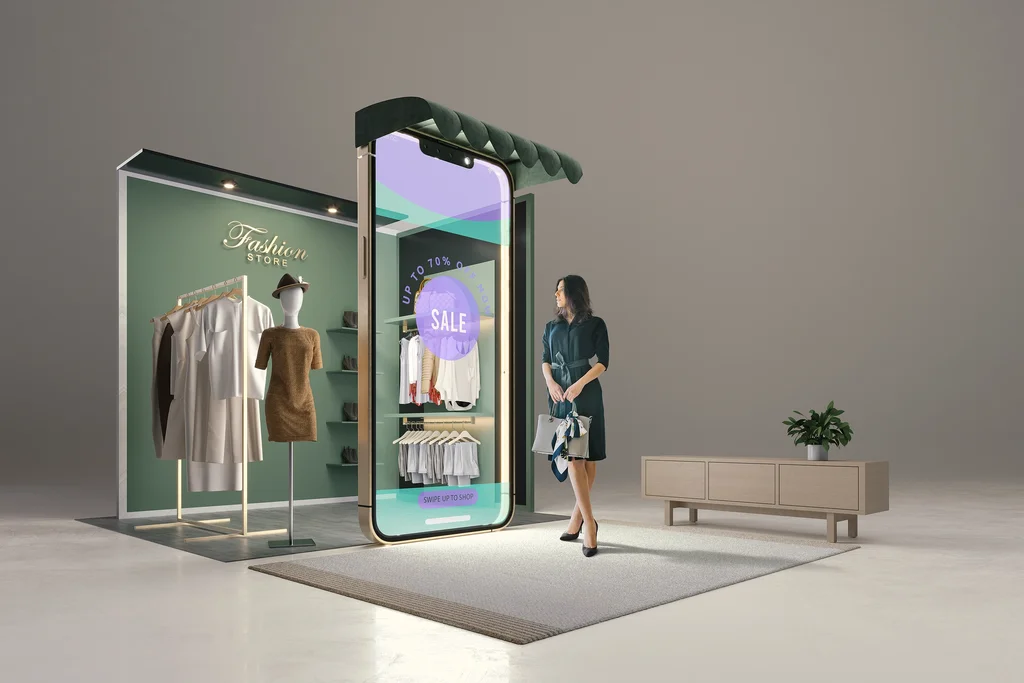
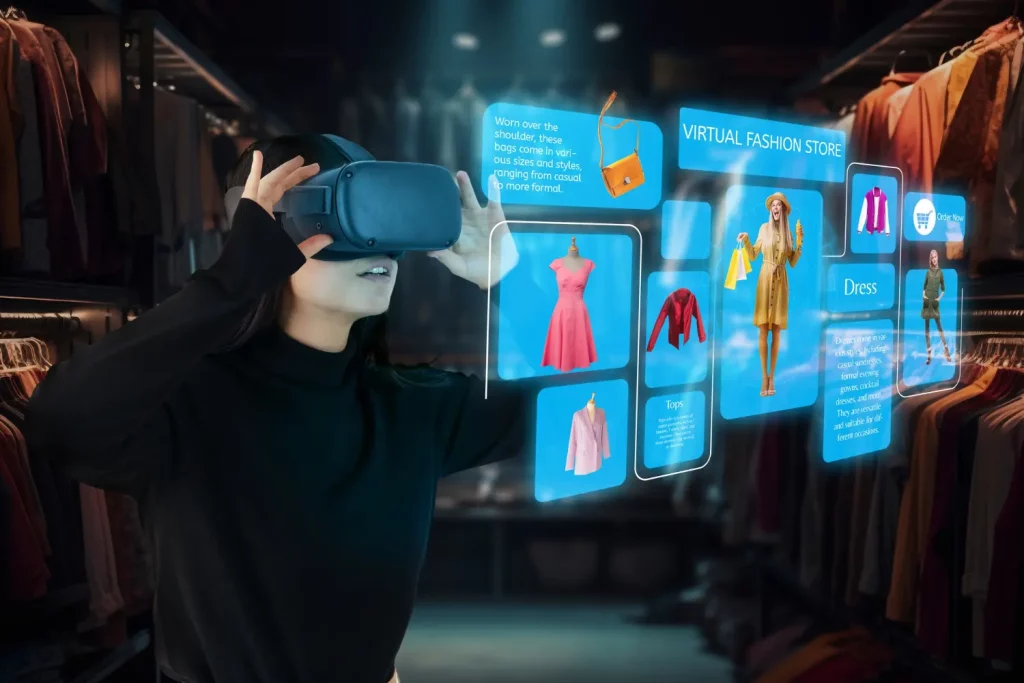
Virtual reality allows retailers to create fully immersive, 3D virtual stores where customers can browse products, explore different layouts, and make purchases—all from the comfort of their homes.

  • Virtual Store Tours: Retailers like L’Oreal and Tommy Hilfiger have used VR to create digital versions of their physical stores, where consumers can “walk through” the store, browse different sections, and interact with products as if they were in person. Virtual tours can simulate the store layout, allowing customers to experience the store’s ambiance and aesthetic.
  • Customizable Spaces: VR also allows customers to design and personalize their shopping spaces. Furniture and home decor brands, for example, allow users to customize how their home will look with different pieces, visualizing the space in a virtual environment before making a purchase decision.

Example: L’Oreal’s Virtual Beauty Store offers an immersive VR experience where users can experiment with makeup, try different looks, and view 3D simulations of how the products will look on them.

2.2 Virtual Try-Ons and Fitting Rooms
One of the most widely recognized applications of VR in retail is the virtual try-on experience. This is particularly popular in fashion, beauty, and eyewear industries, allowing customers to see how products will look on them without trying them on physically.

  • Fashion and Apparel: Retailers like Zara and Tommy Hilfiger are using VR to enable customers to try on clothing virtually. By scanning their bodies using motion-tracking technology, VR systems can accurately simulate how different items will look when worn, saving time and providing a more personalized shopping experience.
  • Eyewear and Accessories: Companies like Warby Parker and Ray-Ban are incorporating VR to allow customers to try on glasses virtually, giving them an accurate representation of how different styles will fit their face shape.

Example: Rebecca Minkoff’s Smart Dressing Rooms use VR technology in-store to let customers try on clothing digitally, providing them with an enhanced, no-pressure shopping experience.

2.3 Enhancing Product Discovery
Traditional online shopping often lacks the ability for customers to truly “experience” products. However, VR opens new avenues for immersive product discovery.

  • Interactive 3D Product Visualizations: VR allows customers to interact with products in 3D, enabling them to view details from every angle. For example, IKEA uses VR to let customers explore kitchen layouts and visualize furniture in a 3D space.
  • 360-Degree Product Exploration: Virtual reality can also provide consumers with the opportunity to examine products up close and from various perspectives, especially for items like luxury goods, cars, and tech gadgets where details matter.

Example: BMW’s Virtual Showrooms offer potential customers the chance to explore and configure cars in an immersive 3D environment, allowing them to choose models, colors, and features before making a decision.
3. Business Benefits of VR in Retail

As VR continues to evolve, it is becoming clear that the technology is not only enhancing the customer experience but also providing significant business advantages for retailers.

3.1 Increasing Customer Engagement
One of the key benefits of VR is its ability to engage customers in a way traditional shopping cannot. By providing immersive experiences, VR encourages customers to spend more time interacting with products, leading to better brand recall and higher chances of purchase.

  • Gamification and Loyalty Programs: VR can integrate gamified elements into the shopping experience. Retailers can offer rewards, contests, and exclusive content to customers who complete virtual store tours, try on virtual outfits, or interact with certain products.
  • Building Emotional Connections: By offering a more engaging, memorable shopping experience, VR helps create stronger emotional connections between brands and consumers, which can drive customer loyalty.

3.2 Reducing Return Rates
One of the persistent challenges in online retail is the high return rate, especially in industries like fashion and furniture. Virtual try-ons and product visualizations reduce the likelihood of customers purchasing the wrong size or style, thereby decreasing the number of returns.

  • Size and Fit Accuracy: By allowing customers to “try before they buy,” VR ensures that consumers are more likely to make informed purchasing decisions, reducing the frustration and cost associated with returns.

3.3 Cost Efficiency
While developing VR content can be expensive, it can also reduce costs over time by minimizing the need for physical store space, reducing the number of physical samples required for testing, and eliminating the need for a large in-store staff.

  • Virtual Stores: With VR technology, companies can open virtual stores that are open 24/7 and accessible worldwide, without the cost of maintaining physical storefronts in multiple locations.

4. Challenges in Implementing VR in Retail

While the potential of VR in retail is immense, there are several challenges that retailers must address to fully integrate this technology.

4.1 High Initial Costs
The development and implementation of VR technology can be costly, particularly for small and mid-sized retailers. Investments in VR hardware (headsets, sensors, etc.) and software development can be significant, making it difficult for smaller businesses to adopt the technology.

4.2 Consumer Adoption
While younger, tech-savvy consumers are more likely to embrace VR, the technology has yet to achieve mass adoption across all demographic groups. Some consumers may feel overwhelmed by VR headsets or prefer traditional shopping methods.

4.3 Technical Limitations
Despite advances, VR technology still faces some technical challenges, including issues with resolution, motion sickness, and the need for powerful hardware. These limitations may hinder the seamless experience that consumers expect.

4.4 Privacy and Security Concerns
As VR systems collect detailed user data (such as body scans and shopping habits), privacy concerns arise. Retailers must ensure that data is handled securely, complying with privacy regulations and ensuring customers feel safe using VR technology.

5. The Future of VR in Retail

As VR technology continues to evolve, its integration into the retail sector will only grow deeper. Here are some trends that could shape the future of VR in retail:

5.1 Integration with AI and Machine Learning
The combination of VR and AI will enable more personalized and adaptive shopping experiences. For example, AI could analyze a consumer’s behavior in a VR environment to make product recommendations based on their preferences, style, and past interactions.

5.2 VR in Social Commerce
As social media platforms increasingly become shopping destinations, VR could enhance social commerce by enabling shared, immersive shopping experiences. Friends could “meet” in virtual stores, try on clothes together, and make recommendations in real-time.

5.3 Seamless VR/AR Integration
In the future, we may see more seamless integration between VR and AR, offering customers the best of both worlds. For example, a customer could walk through a virtual store using VR and then use AR to visualize how the products would look in their real-world environment, such as their home or on their body.

Conclusion

Virtual Reality is undoubtedly shaping the future of retail by transforming how customers shop and engage with products. From immersive virtual stores to virtual try-ons, VR is enhancing the shopping experience by offering convenience, personalization, and interactivity. While challenges such as cost and consumer adoption still remain, the long-term potential of VR in retail is immense. As the technology evolves, we can expect even more innovative, engaging, and seamless shopping experiences that will change how consumers interact with brands and products for years to come.


Tags: immersive shoppingVirtual Realityvirtual try-onsVR in retail
ShareTweetShare

Related Posts

The Automation Economy: Work, Wealth, and Power in a Machine-Driven World
All Tech

The Automation Economy: Work, Wealth, and Power in a Machine-Driven World

May 5, 2026
The Invisible Infrastructure: How AI Is Quietly Rewriting Everyday Life
All Tech

Digital Identity in 2030: Who Owns You in the Age of Data

May 5, 2026
The Invisible Infrastructure: How AI Is Quietly Rewriting Everyday Life
All Tech

The Post-Smartphone Era: What Comes After the Most Successful Device in History

May 5, 2026
The Invisible Infrastructure: How AI Is Quietly Rewriting Everyday Life
All Tech

From Code to Consciousness: The Debate Around Artificial General Intelligence

May 5, 2026
The Invisible Infrastructure: How AI Is Quietly Rewriting Everyday Life
All Tech

The Invisible Infrastructure: How AI Is Quietly Rewriting Everyday Life

May 5, 2026
Always On — The Psychology of Living a Fully Connected Life
Digital Lifestyle

Hybrid Reality — The Future of Digital Lifestyle in an AI-Driven World

April 30, 2026

Discussion about this post

  • Trending
  • Comments
  • Latest
Eternal Luminary: Humanity’s Perpetual Fascination with the Sun

Eternal Luminary: Humanity’s Perpetual Fascination with the Sun

November 5, 2024
The Dark Side of the Smart City Revolution

The Dark Side of the Smart City Revolution

January 23, 2026
The Race Heats Up: OpenAI Joins the AI-Powered Search Arena

The Race Heats Up: OpenAI Joins the AI-Powered Search Arena

October 16, 2024
The Canon DIGITAL IXUS Legacy: Redefining Photography with Style and Innovation

The Canon DIGITAL IXUS Legacy: Redefining Photography with Style and Innovation

November 2, 2024
The Lunar Symphony: Hal Clement’s Prophetic Fantasia

The Lunar Symphony: Hal Clement’s Prophetic Fantasia

Unlocking the Future with AI’s Latest Breakthroughs: A Journey into the Unchartered Frontier

Unlocking the Future with AI’s Latest Breakthroughs: A Journey into the Unchartered Frontier

The Transformative Power of Machine Learning: Shaping the Future of Technology and Beyond

The Transformative Power of Machine Learning: Shaping the Future of Technology and Beyond

The Emotional Intelligence of AI: Bridging the Gap Between Machines and Hearts

The Emotional Intelligence of AI: Bridging the Gap Between Machines and Hearts

The Innovation Paradox: Why More Technology Doesn’t Always Mean More Progress

From Lab to Market: Why Most Research Never Becomes Reality

May 5, 2026
The Innovation Paradox: Why More Technology Doesn’t Always Mean More Progress

The Crisis of Reproducibility: Can Science Still Be Trusted?

May 5, 2026
The Innovation Paradox: Why More Technology Doesn’t Always Mean More Progress

The New Scientific Method: How AI Is Changing the Way We Discover Knowledge

May 5, 2026
The Innovation Paradox: Why More Technology Doesn’t Always Mean More Progress

Invisible Innovation: The Breakthroughs That Happen Without Headlines

May 5, 2026
techfusionnews

Discover the essence of innovation at "Tech Aggregator," where the latest in tech converges. From cutting-edge gadgets to cosmic ventures and green breakthroughs, our site offers a streamlined look at the future of technology. Engage with concise, impactful content designed for those eager to stay ahead in an ever-evolving digital landscape. Join us at the forefront of the tech revolution.

© 2025 techfusionnews.com. contacts:[email protected]

No Result
View All Result
  • Home
  • Digital Lifestyle
  • Green Tech & Wellness
  • AI
  • Space Exploration
  • Innovation & Research
  • All Tech

© 2025 techfusionnews.com. contacts:[email protected]

Welcome Back!

Login to your account below

Forgotten Password?

Retrieve your password

Please enter your username or email address to reset your password.

Log In