

























techfusionnews
  • Home
  • Digital Lifestyle
    Can Cryptocurrency Replace Traditional Banking?

    Can Cryptocurrency Replace Traditional Banking?

    Is Augmented Reality Changing How We Learn?

    Is Augmented Reality Changing How We Learn?

    The Dark Side of the Smart City Revolution

    The Dark Side of the Smart City Revolution

    Can You Escape the Surveillance State with VPNs?

    Can You Escape the Surveillance State with VPNs?

    Are Digital Detoxes Just a Trend or a Necessity?

    Are Digital Detoxes Just a Trend or a Necessity?

    Is Social Media Helping or Hurting Your Mental Health?

    Is Social Media Helping or Hurting Your Mental Health?

  • Green Tech & Wellness
    Can Circular Economy Principles Revolutionize Healthcare?

    Can Circular Economy Principles Revolutionize Healthcare?

    Is AI the Secret to Personalized Eco-Wellness Solutions?

    Is AI the Secret to Personalized Eco-Wellness Solutions?

    How Do Green Building Materials Affect Your Overall Wellbeing?

    How Do Green Building Materials Affect Your Overall Wellbeing?

    Could Plant-Based Diets Be the Future of Eco-Friendly Wellness?

    Could Plant-Based Diets Be the Future of Eco-Friendly Wellness?

    How Can Smart Green Gadgets Improve Indoor Air Quality?

    How Can Smart Green Gadgets Improve Indoor Air Quality?

    Can Clean Energy Revolutionize Your Fitness Routine?

    Can Clean Energy Revolutionize Your Fitness Routine?

  • AI
    Will AI Ever Truly Understand Human Consciousness?

    Will AI Ever Truly Understand Human Consciousness?

    What Role Will AI Play in the Next Evolution of the Internet?

    What Role Will AI Play in the Next Evolution of the Internet?

    How Will AI Transform the Future of Education?

    How Will AI Transform the Future of Education?

    Can AI Understand and Create Humor?

    Can AI Understand and Create Humor?

    Is AI the Key to Unlocking Human Potential?

    Is AI the Key to Unlocking Human Potential?

    How Close Are We to AI Becoming Sentient?

    How Close Are We to AI Becoming Sentient?

  • Space Exploration
    Will We Ever Reach the Edge of the Observable Universe?

    Will We Ever Reach the Edge of the Observable Universe?

    What Are the Ethical Implications of Colonizing Other Planets?

    What Are the Ethical Implications of Colonizing Other Planets?

    What If Earth’s Magnetic Field Collapsed—Could We Survive in Space?

    What If Earth’s Magnetic Field Collapsed—Could We Survive in Space?

    Can Artificial Intelligence Assist in Discovering Exoplanets?

    Can Artificial Intelligence Assist in Discovering Exoplanets?

    Is Space Debris a Threat to Future Space Exploration?

    Is Space Debris a Threat to Future Space Exploration?

    Could We Use Wormholes to Travel Through Time and Space?

    Could We Use Wormholes to Travel Through Time and Space?

  • Innovation & Research
    Can Innovation Thrive Without Government Funding?

    Can Innovation Thrive Without Government Funding?

    Are We Ready for the Ethical Challenges of AI in Research?

    Are We Ready for the Ethical Challenges of AI in Research?

    How Can Failure Be the Most Important Lesson in Innovation?

    How Can Failure Be the Most Important Lesson in Innovation?

    Can the Digital Transformation of Research Lead to Global Scientific Unity?

    Can the Digital Transformation of Research Lead to Global Scientific Unity?

    What is the True Value of Interdisciplinary Research in Innovation?

    Why Do Some Scientific Discoveries Fail to Make an Impact?

    Why Do Some Scientific Discoveries Fail to Make an Impact?

  • All Tech
    Will AI Ever Truly Understand Human Consciousness?

    Will AI Ever Truly Understand Human Consciousness?

    Can Cryptocurrency Replace Traditional Banking?

    Can Cryptocurrency Replace Traditional Banking?

    Can Circular Economy Principles Revolutionize Healthcare?

    Can Circular Economy Principles Revolutionize Healthcare?

    Can Innovation Thrive Without Government Funding?

    Can Innovation Thrive Without Government Funding?

    Will We Ever Reach the Edge of the Observable Universe?

    Will We Ever Reach the Edge of the Observable Universe?

    What Role Will AI Play in the Next Evolution of the Internet?

    What Role Will AI Play in the Next Evolution of the Internet?

techfusionnews
  • Home
  • Digital Lifestyle
    Can Cryptocurrency Replace Traditional Banking?

    Can Cryptocurrency Replace Traditional Banking?

    Is Augmented Reality Changing How We Learn?

    Is Augmented Reality Changing How We Learn?

    The Dark Side of the Smart City Revolution

    The Dark Side of the Smart City Revolution

    Can You Escape the Surveillance State with VPNs?

    Can You Escape the Surveillance State with VPNs?

    Are Digital Detoxes Just a Trend or a Necessity?

    Are Digital Detoxes Just a Trend or a Necessity?

    Is Social Media Helping or Hurting Your Mental Health?

    Is Social Media Helping or Hurting Your Mental Health?

  • Green Tech & Wellness
    Can Circular Economy Principles Revolutionize Healthcare?

    Can Circular Economy Principles Revolutionize Healthcare?

    Is AI the Secret to Personalized Eco-Wellness Solutions?

    Is AI the Secret to Personalized Eco-Wellness Solutions?

    How Do Green Building Materials Affect Your Overall Wellbeing?

    How Do Green Building Materials Affect Your Overall Wellbeing?

    Could Plant-Based Diets Be the Future of Eco-Friendly Wellness?

    Could Plant-Based Diets Be the Future of Eco-Friendly Wellness?

    How Can Smart Green Gadgets Improve Indoor Air Quality?

    How Can Smart Green Gadgets Improve Indoor Air Quality?

    Can Clean Energy Revolutionize Your Fitness Routine?

    Can Clean Energy Revolutionize Your Fitness Routine?

  • AI
    Will AI Ever Truly Understand Human Consciousness?

    Will AI Ever Truly Understand Human Consciousness?

    What Role Will AI Play in the Next Evolution of the Internet?

    What Role Will AI Play in the Next Evolution of the Internet?

    How Will AI Transform the Future of Education?

    How Will AI Transform the Future of Education?

    Can AI Understand and Create Humor?

    Can AI Understand and Create Humor?

    Is AI the Key to Unlocking Human Potential?

    Is AI the Key to Unlocking Human Potential?

    How Close Are We to AI Becoming Sentient?

    How Close Are We to AI Becoming Sentient?

  • Space Exploration
    Will We Ever Reach the Edge of the Observable Universe?

    Will We Ever Reach the Edge of the Observable Universe?

    What Are the Ethical Implications of Colonizing Other Planets?

    What Are the Ethical Implications of Colonizing Other Planets?

    What If Earth’s Magnetic Field Collapsed—Could We Survive in Space?

    What If Earth’s Magnetic Field Collapsed—Could We Survive in Space?

    Can Artificial Intelligence Assist in Discovering Exoplanets?

    Can Artificial Intelligence Assist in Discovering Exoplanets?

    Is Space Debris a Threat to Future Space Exploration?

    Is Space Debris a Threat to Future Space Exploration?

    Could We Use Wormholes to Travel Through Time and Space?

    Could We Use Wormholes to Travel Through Time and Space?

  • Innovation & Research
    Can Innovation Thrive Without Government Funding?

    Can Innovation Thrive Without Government Funding?

    Are We Ready for the Ethical Challenges of AI in Research?

    Are We Ready for the Ethical Challenges of AI in Research?

    How Can Failure Be the Most Important Lesson in Innovation?

    How Can Failure Be the Most Important Lesson in Innovation?

    Can the Digital Transformation of Research Lead to Global Scientific Unity?

    Can the Digital Transformation of Research Lead to Global Scientific Unity?

    What is the True Value of Interdisciplinary Research in Innovation?

    Why Do Some Scientific Discoveries Fail to Make an Impact?

    Why Do Some Scientific Discoveries Fail to Make an Impact?

  • All Tech
    Will AI Ever Truly Understand Human Consciousness?

    Will AI Ever Truly Understand Human Consciousness?

    Can Cryptocurrency Replace Traditional Banking?

    Can Cryptocurrency Replace Traditional Banking?

    Can Circular Economy Principles Revolutionize Healthcare?

    Can Circular Economy Principles Revolutionize Healthcare?

    Can Innovation Thrive Without Government Funding?

    Can Innovation Thrive Without Government Funding?

    Will We Ever Reach the Edge of the Observable Universe?

    Will We Ever Reach the Edge of the Observable Universe?

    What Role Will AI Play in the Next Evolution of the Internet?

    What Role Will AI Play in the Next Evolution of the Internet?

No Result
View All Result
Plugin Install : Cart Icon need WooCommerce plugin to be installed.
techfusionnews
No Result
View All Result
Home All Tech

How Will the James Webb Space Telescope Change Our Understanding of the Universe?

March 17, 2025
in All Tech, Space Exploration
How Will the James Webb Space Telescope Change Our Understanding of the Universe?

Introduction

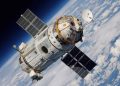
The James Webb Space Telescope (JWST), launched on December 25, 2021, is one of the most significant advancements in space exploration and astrophysics. As the successor to the Hubble Space Telescope, JWST is designed to probe deeper into the cosmos and provide an unprecedented level of detail about the universe’s origins, evolution, and structure. Unlike its predecessor, which primarily observes in visible and ultraviolet light, JWST is an infrared telescope, capable of seeing through cosmic dust and revealing phenomena that have previously been hidden from view. With its more powerful suite of instruments and its advanced technological features, the JWST is poised to make breakthroughs in multiple areas of astrophysics, including the study of the early universe, the discovery of exoplanets, and the investigation of dark matter and dark energy. This article explores the goals, technological features, and potential impacts of the JWST, examining how it will revolutionize our understanding of the universe.

Technological Features

Advanced Instruments: Infrared Capabilities, Large Mirror Size, and the Detection of Distant Galaxies and Exoplanets

One of the most distinctive features of the James Webb Space Telescope is its ability to observe the universe in the infrared spectrum. While Hubble relied on visible and ultraviolet light to capture images of celestial objects, JWST’s infrared capabilities enable it to detect heat emitted by distant objects, which often provides a more detailed and comprehensive picture of the cosmos. This infrared sensitivity is essential for peering through cosmic dust clouds that would otherwise obscure the view of stars, planets, and other celestial bodies. Additionally, infrared observations allow the telescope to study objects that are too faint or distant for optical telescopes to detect.

JWST’s primary instrument, the Near-Infrared Camera (NIRCam), is designed to study distant galaxies, stars, and exoplanets by capturing infrared light in wavelengths that are beyond the capabilities of the human eye. This allows JWST to look further back in time than ever before, enabling it to observe the first galaxies that formed after the Big Bang. Its infrared capabilities also enable it to detect faint objects that are hidden by interstellar dust, revealing hidden regions of star formation and the evolution of galaxies.

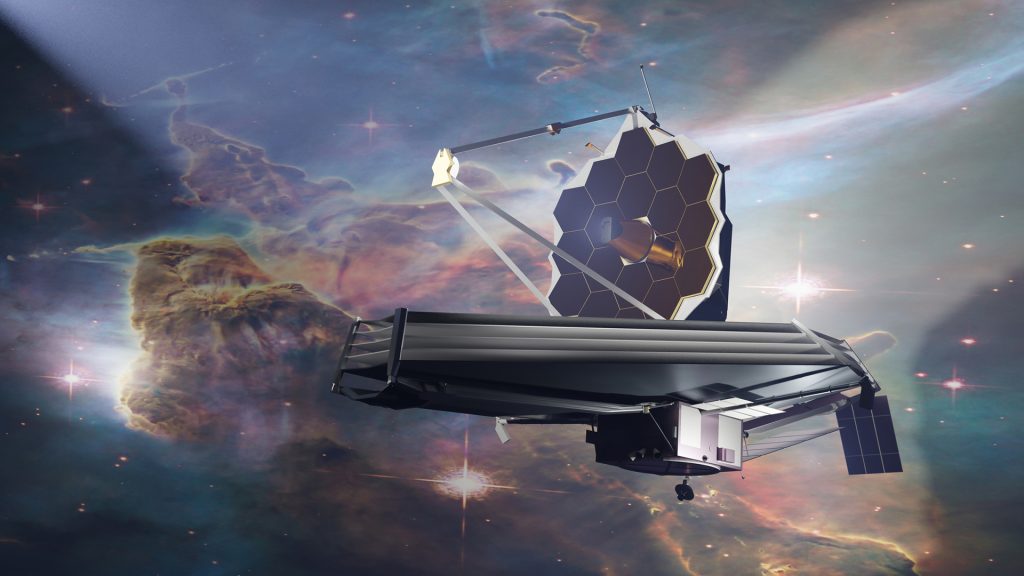
The telescope’s large primary mirror, measuring 6.5 meters (about 21 feet) in diameter, is another groundbreaking technological feature. This large mirror allows JWST to collect more light than Hubble’s 2.4-meter mirror, making it far more sensitive to distant and faint sources of infrared light. The size and precision of the mirror contribute to the telescope’s ability to resolve distant galaxies and detect exoplanets with extraordinary clarity.

In addition to the NIRCam, JWST is equipped with several other scientific instruments, including the Mid-Infrared Instrument (MIRI), the Near-Infrared Spectrograph (NIRSpec), and the Fine Guidance Sensor/Near-Infrared Imager and Slitless Spectrograph (FGS/NIRISS). Each of these instruments is designed to tackle specific scientific questions, such as studying the physical and chemical properties of distant galaxies, characterizing the atmospheres of exoplanets, and observing the formation of stars and planetary systems.

The Sunshield and Deployment: A Look at the JWST’s Sunshield and How It Keeps the Telescope Cool Enough for Infrared Observations

A critical component of JWST’s design is its sunshield, which is essential for maintaining the telescope’s infrared capabilities. The sunshield consists of five layers of a special material called Kapton, which is designed to protect the telescope from the heat of the Sun. The sunshield works by blocking heat from the Sun, preventing the telescope from overheating and ensuring that it stays cold enough for infrared observations. Infrared detectors are highly sensitive to heat, so keeping the telescope at extremely low temperatures is crucial for obtaining accurate measurements of distant objects.

The sunshield is about the size of a tennis court and works by reflecting and dissipating the Sun’s heat. The design of the sunshield is particularly unique because it allows JWST to operate at a stable temperature of around -223°C (-370°F), which is critical for its infrared observations. This is achieved through the combination of the sunshield and the telescope’s position in space, located at the second Lagrange point (L2), about 1.5 million kilometers (approximately 930,000 miles) from Earth. At this position, the sunshield faces the Sun, while the telescope is in the shadow, allowing it to maintain optimal conditions for its scientific instruments.

The deployment of the sunshield itself was one of the most challenging aspects of the JWST’s launch. The sunshield had to be folded up for launch and then unfolded in space. This complex process involved numerous stages and required precise coordination to ensure the layers of the sunshield were properly deployed. Fortunately, the deployment process was a success, and the sunshield now serves as one of the telescope’s most crucial components in enabling its groundbreaking observations.

Impacts on Astrophysics

Deep Space Exploration: The Ability of JWST to Peer Deeper into Space and Time

Perhaps the most exciting aspect of JWST is its ability to peer deeper into space and time than any previous telescope. One of the major goals of the mission is to study the origins of the universe, particularly the formation of the first galaxies, stars, and planetary systems. JWST’s ability to observe infrared light allows it to look further back in time, beyond the reach of optical telescopes, and capture the faint, redshifted light from the earliest galaxies that formed after the Big Bang.

Using its advanced instruments, JWST will observe the very first stars and galaxies that lit up the universe, marking the end of the cosmic dark ages. By observing these early cosmic structures, scientists hope to gain insights into how galaxies, stars, and the fundamental elements of the universe were formed. This will help answer some of the most profound questions in astrophysics, including how the universe evolved from a hot, dense state shortly after the Big Bang to the complex, structured cosmos we see today.

In addition to studying the early universe, JWST will also explore the formation of stars and planetary systems in more detail. The telescope’s infrared capabilities allow it to study regions of space where new stars are born, observing the processes that lead to the creation of solar systems and the potential for habitability. This will provide valuable insights into the conditions required for life to exist and the processes that give rise to the building blocks of planets and life.
Exoplanet Discovery: JWST’s Role in Studying the Atmospheres of Exoplanets

Another major contribution of the James Webb Space Telescope will be in the study of exoplanets—planets that orbit stars outside of our solar system. Over the past few decades, thousands of exoplanets have been discovered, and scientists are now eager to learn more about these distant worlds, particularly whether any of them may be capable of supporting life.

JWST’s instruments are specifically designed to study the atmospheres of exoplanets in great detail. One of the most powerful tools for this is the NIRSpec, which will allow scientists to analyze the composition of exoplanet atmospheres by observing how light from their parent stars interacts with the planets’ atmospheres. By measuring the absorption spectra of this light, JWST can detect key molecules, such as water vapor, carbon dioxide, and methane, which are essential indicators of a planet’s potential habitability.

In addition, JWST’s MIRI instrument will allow for the study of exoplanets that are farther away and more difficult to observe with existing telescopes. The telescope’s ability to detect faint infrared signals will provide a wealth of new data about these distant worlds, helping scientists identify those that may harbor the necessary conditions for life.

Scientific Contributions

Early Universe Observation: How JWST Will Allow Us to Study the Universe’s Earliest Moments

JWST’s ability to observe the universe’s earliest moments is one of its most anticipated features. By observing galaxies that formed just a few hundred million years after the Big Bang, the telescope will help scientists investigate the processes that led to the formation of the first stars and galaxies. Understanding these early moments in the universe’s history will provide crucial insights into how cosmic structures came to be and help refine our models of the Big Bang and the evolution of the universe.

The telescope’s ability to study the formation of galaxies will also shed light on how galaxies grew and evolved over billions of years, contributing to our understanding of galaxy formation and the role of dark matter in shaping the universe’s large-scale structure.

Dark Matter and Dark Energy: The Potential for JWST to Shed Light on Some of the Universe’s Most Mysterious Phenomena

One of the greatest mysteries of modern astrophysics is the nature of dark matter and dark energy, two invisible substances that make up most of the universe’s mass and energy but remain largely undetected. Dark matter is thought to exert a gravitational influence on visible matter, while dark energy is believed to be responsible for the accelerated expansion of the universe. Despite their crucial role in the cosmos, dark matter and dark energy have not been directly observed.

JWST’s advanced instruments may help scientists probe these elusive phenomena. By studying the distribution of galaxies and the cosmic web, the telescope can help to map the presence of dark matter. In addition, JWST’s observations of the early universe may offer clues about the origins of dark energy and its impact on the expansion of the universe. Although much remains unknown, JWST’s observations will provide new data that could revolutionize our understanding of these mysterious forces.

Conclusion

The James Webb Space Telescope represents a monumental leap forward in our ability to observe and understand the universe. With its powerful infrared capabilities, advanced instruments, and ability to peer deeper into space and time than ever before, JWST is poised to make groundbreaking contributions to astrophysics. From uncovering the origins of galaxies and stars to studying the atmospheres of exoplanets and investigating the mysteries of dark matter and dark energy, JWST will reshape our understanding of the cosmos and provide answers to some of the most fundamental questions about the universe’s origins, evolution, and future.


Tags: exoplanet discoveryinfrared astronomyJames Webb Space TelescopeJWST
ShareTweetShare

Related Posts

Will AI Ever Truly Understand Human Consciousness?
AI

Will AI Ever Truly Understand Human Consciousness?

January 25, 2026
Can Cryptocurrency Replace Traditional Banking?
All Tech

Can Cryptocurrency Replace Traditional Banking?

January 25, 2026
Can Circular Economy Principles Revolutionize Healthcare?
All Tech

Can Circular Economy Principles Revolutionize Healthcare?

January 25, 2026
Can Innovation Thrive Without Government Funding?
All Tech

Can Innovation Thrive Without Government Funding?

January 25, 2026
Will We Ever Reach the Edge of the Observable Universe?
All Tech

Will We Ever Reach the Edge of the Observable Universe?

January 25, 2026
What Role Will AI Play in the Next Evolution of the Internet?
AI

What Role Will AI Play in the Next Evolution of the Internet?

January 24, 2026

Discussion about this post

  • Trending
  • Comments
  • Latest
Eternal Luminary: Humanity’s Perpetual Fascination with the Sun

Eternal Luminary: Humanity’s Perpetual Fascination with the Sun

November 5, 2024
The Race Heats Up: OpenAI Joins the AI-Powered Search Arena

The Race Heats Up: OpenAI Joins the AI-Powered Search Arena

October 16, 2024
The Canon DIGITAL IXUS Legacy: Redefining Photography with Style and Innovation

The Canon DIGITAL IXUS Legacy: Redefining Photography with Style and Innovation

November 2, 2024
A New Hope: Exploring KarXT’s Potential in Treating Alzheimer’s-Related Psychosis

A New Hope: Exploring KarXT’s Potential in Treating Alzheimer’s-Related Psychosis

December 5, 2024
The Lunar Symphony: Hal Clement’s Prophetic Fantasia

The Lunar Symphony: Hal Clement’s Prophetic Fantasia

Unlocking the Future with AI’s Latest Breakthroughs: A Journey into the Unchartered Frontier

Unlocking the Future with AI’s Latest Breakthroughs: A Journey into the Unchartered Frontier

The Transformative Power of Machine Learning: Shaping the Future of Technology and Beyond

The Transformative Power of Machine Learning: Shaping the Future of Technology and Beyond

The Emotional Intelligence of AI: Bridging the Gap Between Machines and Hearts

The Emotional Intelligence of AI: Bridging the Gap Between Machines and Hearts

Will AI Ever Truly Understand Human Consciousness?

Will AI Ever Truly Understand Human Consciousness?

January 25, 2026
Can Cryptocurrency Replace Traditional Banking?

Can Cryptocurrency Replace Traditional Banking?

January 25, 2026
Can Circular Economy Principles Revolutionize Healthcare?

Can Circular Economy Principles Revolutionize Healthcare?

January 25, 2026
Can Innovation Thrive Without Government Funding?

Can Innovation Thrive Without Government Funding?

January 25, 2026
techfusionnews

Discover the essence of innovation at "Tech Aggregator," where the latest in tech converges. From cutting-edge gadgets to cosmic ventures and green breakthroughs, our site offers a streamlined look at the future of technology. Engage with concise, impactful content designed for those eager to stay ahead in an ever-evolving digital landscape. Join us at the forefront of the tech revolution.

© 2025 techfusionnews.com. contacts:[email protected]

No Result
View All Result
  • Home
  • Digital Lifestyle
  • Green Tech & Wellness
  • AI
  • Space Exploration
  • Innovation & Research
  • All Tech

© 2025 techfusionnews.com. contacts:[email protected]

Welcome Back!

Login to your account below

Forgotten Password?

Retrieve your password

Please enter your username or email address to reset your password.

Log In