































In the process of seeking sustainable energy solutions globally, wind power has become one of the fastest-growing energy technologies in the world due to its clean and renewable characteristics. With the development of technology, wind power generation is entering a new era, and the core of this new era lies in how to achieve more efficient energy conversion to maximize the utilization of wind energy. This article will explore the latest technological advancements and future development trends in the field of wind power generation, as well as how these innovations drive the improvement of wind energy conversion efficiency.
Progress in wind power generation technology
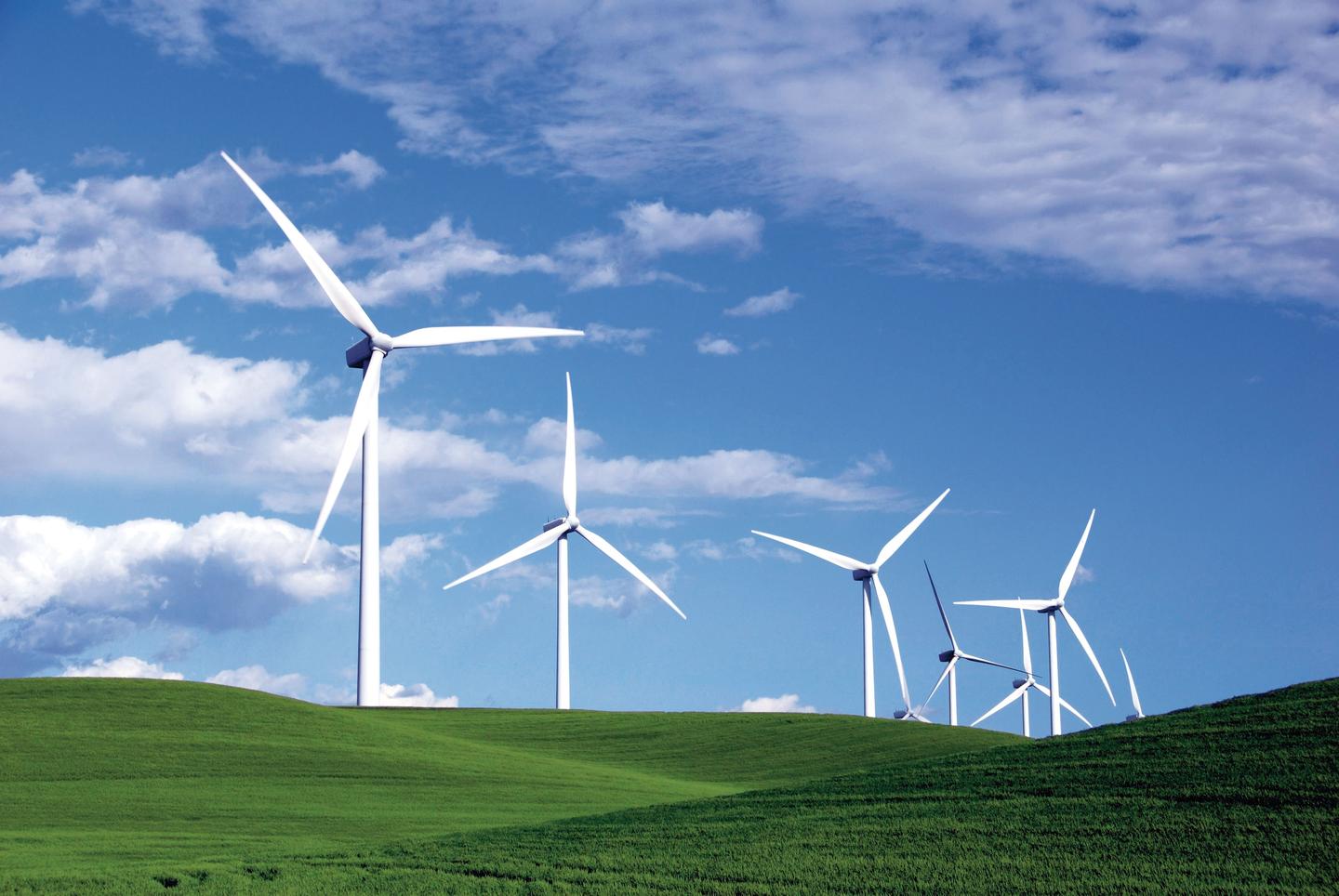
The core of wind power generation technology lies in wind turbines, which convert wind energy into mechanical energy, which is then converted into electrical energy by generators. In the past few decades, the design and materials of wind turbines have undergone significant changes. The latest generation of wind turbines have longer blades and higher towers, which allows them to capture stronger winds in the air and convert more wind energy into electricity. In addition, the material of the blades has been upgraded from traditional glass fiber to carbon fiber composite materials, which have higher strength, lighter weight, and can improve the response speed and efficiency of the blades.
Strategies for improving energy conversion efficiency
In order to further improve the energy conversion efficiency of wind power generation, researchers and engineers are adopting various strategies. One of them is to optimize the operation of turbines through precise weather forecasting and advanced control algorithms. By monitoring changes in wind speed and direction in real-time, turbines can automatically adjust the angle and direction of their blades to capture the maximum amount of wind energy. In addition, the design of generators is constantly improving, with new direct drive generators reducing rotating parts, minimizing energy loss, and improving conversion efficiency.
The potential of offshore wind power generation
Offshore wind power generation is another important development direction in the field of wind power generation. Due to higher and more stable wind speeds at sea, offshore wind power plants can provide higher power generation and more stable energy supply. To overcome the challenges of offshore installation and maintenance, engineers have developed floating wind turbines that can be installed in deep water areas, further utilizing offshore wind energy resources. Meanwhile, by utilizing more powerful cables and more efficient energy transmission technologies, the electricity generated by offshore wind power can be effectively transmitted back to land.
The combination of wind power generation and smart grid
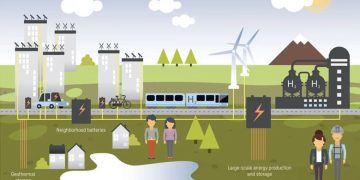
With the development of smart grid technology, the efficiency and reliability of wind power generation are expected to be further improved. Smart grid can monitor the demand and supply of energy in real time, optimize the distribution of electricity. This is particularly important for wind power generation, as the output of wind power generation is greatly affected by changes in wind speed. Through the smart grid, the electricity generated by wind power plants can be more effectively integrated into the grid, and even other energy sources can be quickly deployed to supplement the power supply when the wind is weak.
Future prospects
Looking ahead, wind power technology will continue to develop towards higher efficiency and lower costs. The application of new materials, designs, and technologies will make wind turbines more powerful, durable, and intelligent. Meanwhile, the integration with other renewable energy technologies, such as solar energy and energy storage systems, will make wind power a more reliable and diversified energy solution.
epilogue
Wind power generation is ushering in a new era of development, characterized by more efficient energy conversion and smarter power systems. With the advancement of technology and the decrease in costs, wind power is expected to occupy a more important position in the global energy structure, providing a solid foundation for achieving carbon neutrality goals and building a sustainable future.













Discussion about this post