
































With the continuous growth of global demand for sustainable energy, the ocean, as one of the largest energy reservoirs on Earth, is attracting the attention of scientists and engineers due to the enormous energy contained in its tides and waves. Tidal energy, which generates electricity by utilizing the water flow generated by ocean tidal movements, is a clean and efficient renewable energy source. This article will explore the latest developments in tidal power generation technology and how these cutting-edge developments are driving further breakthroughs in the field of ocean energy.
The principle of tidal power generation technology
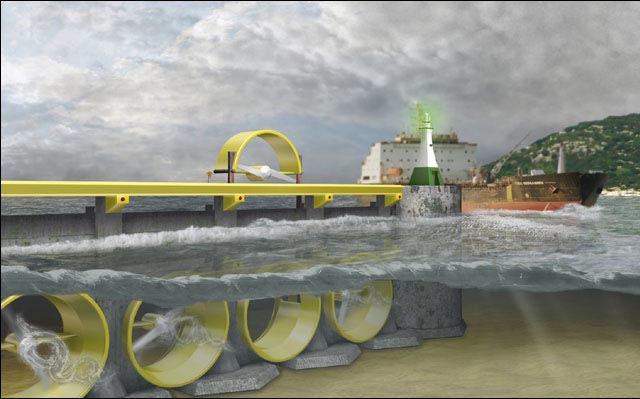
Tidal power generation technology mainly drives turbines to generate electricity by capturing the kinetic energy of tidal currents. This technology is similar to wind power generation, but due to the higher density of water than air, tidal turbines can generate a large amount of energy even in low-speed water flow. There are two main forms of tidal power generation: one is a fixed tidal power station built on the seabed, and the other is a floating tidal power system that can float below the water surface and capture the energy of water flow at different depths.
Technological progress and efficiency improvement
In the development process of tidal power generation technology, improving energy conversion efficiency has always been a research focus. In recent years, the efficiency of tidal turbines has been significantly improved by adopting more advanced materials and designs. For example, engineers are researching new turbine blade designs that can maximize the capture of energy in water flow and reduce turbine drag. In addition, by digitally simulating and optimizing the tidal power generation system, researchers can more accurately predict tidal patterns, thereby optimizing the layout and operating time of turbines to improve energy capture rates.
Environmental impact and ecological compatibility
While developing trend power generation technology, environmental protection and ecological compatibility are also important issues that cannot be ignored. In order to reduce the impact on marine ecosystems, tidal power projects need to undergo strict environmental impact assessments. By adopting low-noise turbine designs and considering avoiding interference with marine life in the design, tidal power generation technology is becoming an eco-friendly energy solution.
Economy and Market Potential
Although the initial investment of tidal power generation technology is relatively high, it has good economic viability in the long run due to its low operating costs and strong predictability. With the maturity of technology and large-scale production, the cost of tidal power generation is gradually decreasing. In some regions, the cost of tidal power generation can already compete with other forms of renewable energy. In addition, with the increasing demand for stable and reliable renewable energy in the energy market, the market potential of tidal power generation is constantly expanding.
Future prospects
The future trend of power generation technology will be more intelligent and automated. For example, by integrating advanced sensors and control systems, tidal power plants can monitor environmental conditions in real time and automatically adjust the operating status of turbines to adapt to constantly changing tidal flow rates. At the same time, the combination with other renewable energy technologies such as wind and solar energy, as well as integration with energy storage systems, will make tidal power generation an important supplement to the energy system.
epilogue
The cutting-edge development of tidal power generation technology is transforming ocean energy into sustainable energy solutions in reality. With technological advancements, cost reductions, and increased market recognition, tidal power generation is expected to play an increasingly important role in the global energy structure. In the future, tidal power generation will not only provide us with clean electricity, but also promote the development of the marine economy and contribute to maintaining the marine ecological environment.













Discussion about this post