
















techfusionnews
  • Home
  • Digital Lifestyle
    Do You Really Own Your Digital Content, or Are You Just Borrowing It?

    Do You Really Own Your Digital Content, or Are You Just Borrowing It?

    Smart Green Architecture: The Ultimate Anti-Aging Secret?

    How Are Digital Economies Reshaping Local Communities?

    Digital Art: Can It Truly Capture Human Emotion, or Is It Just Pixels?

    Digital Art: Can It Truly Capture Human Emotion, or Is It Just Pixels?

    Is Artificial Reality More Authentic Than Real Life in Certain Situations?

    Is Artificial Reality More Authentic Than Real Life in Certain Situations?

    Is Your Digital Library a True Reflection of Who You Are?

    Is Your Digital Library a True Reflection of Who You Are?

    Can You Truly Escape Digital Overload with a Simple App?

    Can You Truly Escape Digital Overload with a Simple App?

  • Green Tech & Wellness
    How Does Eco-Conscious Travel Affect Your Mental Health?

    How Does Eco-Conscious Travel Affect Your Mental Health?

    Bio-Based Materials in Wearables: Can They Prevent Chronic Illness?

    Bio-Based Materials in Wearables: Can They Prevent Chronic Illness?

    Smart Green Architecture: The Ultimate Anti-Aging Secret?

    Smart Green Architecture: The Ultimate Anti-Aging Secret?

    How Can Eco-Friendly Virtual Reality Enhance Mental Clarity?

    How Can Eco-Friendly Virtual Reality Enhance Mental Clarity?

    Can Eco-Centric Tech Improve Your Neuroplasticity?

    Can Eco-Centric Tech Improve Your Neuroplasticity?

    How Much of Your Personality Is Crafted by Social Media Filters?

    How Much of Your Personality Is Crafted by Social Media Filters?

  • AI
    Can AI Explore Parallel Universes Through Data?

    Can AI Explore Parallel Universes Through Data?

    Will AI Ever Create Art That Challenges Our Understanding of Reality?

    Will AI Ever Create Art That Challenges Our Understanding of Reality?

    Can AI Identify Patterns in Nature That Humans Have Yet to Discover?

    Can AI Identify Patterns in Nature That Humans Have Yet to Discover?

    AI Capable of Decoding the Concept of Time Itself?

    AI Capable of Decoding the Concept of Time Itself?

    Can AI Predict the Future of Human Consciousness?

    Can AI Predict the Future of Human Consciousness?

    How Could AI Be Used to Recreate Lost Historical Events?

    How Could AI Be Used to Recreate Lost Historical Events?

  • Space Exploration
    How Does Space Radiation Affect Astronauts’ Health?

    How Does Space Radiation Affect Astronauts’ Health?

    Can We Mine Asteroids for Resources in the Future?

    Can We Mine Asteroids for Resources in the Future?

    Why Haven’t We Found Extraterrestrial Civilizations Yet?

    Why Haven’t We Found Extraterrestrial Civilizations Yet?

    Can Artificial Intelligence Lead the Next Space Missions?

    Can Artificial Intelligence Lead the Next Space Missions?

    What if Earth’s Atmosphere Was Not Perfect for Life?

    What if Earth’s Atmosphere Was Not Perfect for Life?

    Will We Ever Find a Parallel Universe Beyond Our Own?

    Will We Ever Find a Parallel Universe Beyond Our Own?

  • Innovation & Research
    Robotics: The Key to Overcoming Labor Shortages in Science?

    Robotics: The Key to Overcoming Labor Shortages in Science?

    How Can Artificial Intelligence Foster Creativity in the Arts?

    How Can Artificial Intelligence Foster Creativity in the Arts?

    What If We Could Edit Human Memories—Should We?

    What If We Could Edit Human Memories—Should We?

    Can 3D Printing Transform the Medical Field?

    Can 3D Printing Transform the Medical Field?

    Blockchain: The Future of Transparent and Secure Research

    Blockchain: The Future of Transparent and Secure Research

    What Will the Next Big Breakthrough in Renewable Energy Look Like?

    What Will the Next Big Breakthrough in Renewable Energy Look Like?

  • All Tech
    Could Wearable Tech Unlock Hidden Human Abilities?

    Could Wearable Tech Unlock Hidden Human Abilities?

    Can Virtual Reality Be the Next Frontier in Therapy?

    Can Virtual Reality Be the Next Frontier in Therapy?

    Is Biohacking the Next Step in Human Evolution?

    Is Biohacking the Next Step in Human Evolution?

    What If Robots Could Create Their Own Cultural Movements?

    What If Robots Could Create Their Own Cultural Movements?

    Are We Prepared for the Ethics of AI-Driven Space Exploration?

    Are We Prepared for the Ethics of AI-Driven Space Exploration?

    New Mythology for the Digital Age

    New Mythology for the Digital Age

techfusionnews
  • Home
  • Digital Lifestyle
    Do You Really Own Your Digital Content, or Are You Just Borrowing It?

    Do You Really Own Your Digital Content, or Are You Just Borrowing It?

    Smart Green Architecture: The Ultimate Anti-Aging Secret?

    How Are Digital Economies Reshaping Local Communities?

    Digital Art: Can It Truly Capture Human Emotion, or Is It Just Pixels?

    Digital Art: Can It Truly Capture Human Emotion, or Is It Just Pixels?

    Is Artificial Reality More Authentic Than Real Life in Certain Situations?

    Is Artificial Reality More Authentic Than Real Life in Certain Situations?

    Is Your Digital Library a True Reflection of Who You Are?

    Is Your Digital Library a True Reflection of Who You Are?

    Can You Truly Escape Digital Overload with a Simple App?

    Can You Truly Escape Digital Overload with a Simple App?

  • Green Tech & Wellness
    How Does Eco-Conscious Travel Affect Your Mental Health?

    How Does Eco-Conscious Travel Affect Your Mental Health?

    Bio-Based Materials in Wearables: Can They Prevent Chronic Illness?

    Bio-Based Materials in Wearables: Can They Prevent Chronic Illness?

    Smart Green Architecture: The Ultimate Anti-Aging Secret?

    Smart Green Architecture: The Ultimate Anti-Aging Secret?

    How Can Eco-Friendly Virtual Reality Enhance Mental Clarity?

    How Can Eco-Friendly Virtual Reality Enhance Mental Clarity?

    Can Eco-Centric Tech Improve Your Neuroplasticity?

    Can Eco-Centric Tech Improve Your Neuroplasticity?

    How Much of Your Personality Is Crafted by Social Media Filters?

    How Much of Your Personality Is Crafted by Social Media Filters?

  • AI
    Can AI Explore Parallel Universes Through Data?

    Can AI Explore Parallel Universes Through Data?

    Will AI Ever Create Art That Challenges Our Understanding of Reality?

    Will AI Ever Create Art That Challenges Our Understanding of Reality?

    Can AI Identify Patterns in Nature That Humans Have Yet to Discover?

    Can AI Identify Patterns in Nature That Humans Have Yet to Discover?

    AI Capable of Decoding the Concept of Time Itself?

    AI Capable of Decoding the Concept of Time Itself?

    Can AI Predict the Future of Human Consciousness?

    Can AI Predict the Future of Human Consciousness?

    How Could AI Be Used to Recreate Lost Historical Events?

    How Could AI Be Used to Recreate Lost Historical Events?

  • Space Exploration
    How Does Space Radiation Affect Astronauts’ Health?

    How Does Space Radiation Affect Astronauts’ Health?

    Can We Mine Asteroids for Resources in the Future?

    Can We Mine Asteroids for Resources in the Future?

    Why Haven’t We Found Extraterrestrial Civilizations Yet?

    Why Haven’t We Found Extraterrestrial Civilizations Yet?

    Can Artificial Intelligence Lead the Next Space Missions?

    Can Artificial Intelligence Lead the Next Space Missions?

    What if Earth’s Atmosphere Was Not Perfect for Life?

    What if Earth’s Atmosphere Was Not Perfect for Life?

    Will We Ever Find a Parallel Universe Beyond Our Own?

    Will We Ever Find a Parallel Universe Beyond Our Own?

  • Innovation & Research
    Robotics: The Key to Overcoming Labor Shortages in Science?

    Robotics: The Key to Overcoming Labor Shortages in Science?

    How Can Artificial Intelligence Foster Creativity in the Arts?

    How Can Artificial Intelligence Foster Creativity in the Arts?

    What If We Could Edit Human Memories—Should We?

    What If We Could Edit Human Memories—Should We?

    Can 3D Printing Transform the Medical Field?

    Can 3D Printing Transform the Medical Field?

    Blockchain: The Future of Transparent and Secure Research

    Blockchain: The Future of Transparent and Secure Research

    What Will the Next Big Breakthrough in Renewable Energy Look Like?

    What Will the Next Big Breakthrough in Renewable Energy Look Like?

  • All Tech
    Could Wearable Tech Unlock Hidden Human Abilities?

    Could Wearable Tech Unlock Hidden Human Abilities?

    Can Virtual Reality Be the Next Frontier in Therapy?

    Can Virtual Reality Be the Next Frontier in Therapy?

    Is Biohacking the Next Step in Human Evolution?

    Is Biohacking the Next Step in Human Evolution?

    What If Robots Could Create Their Own Cultural Movements?

    What If Robots Could Create Their Own Cultural Movements?

    Are We Prepared for the Ethics of AI-Driven Space Exploration?

    Are We Prepared for the Ethics of AI-Driven Space Exploration?

    New Mythology for the Digital Age

    New Mythology for the Digital Age

No Result
View All Result
Plugin Install : Cart Icon need WooCommerce plugin to be installed.
techfusionnews
No Result
View All Result
Home All Tech

Synthetic Biology Redefine the Future of Food

November 26, 2025
in All Tech
Synthetic Biology Redefine the Future of Food

Synthetic biology, the multidisciplinary field that merges biology, engineering, and technology, is emerging as one of the most innovative solutions to some of the most pressing global challenges. Among these challenges, the future of food stands out as both a critical and urgent issue. The world’s population is growing rapidly, food security is becoming more uncertain, and the traditional methods of agriculture and food production are facing mounting environmental pressures. As we look toward the future, synthetic biology offers transformative potential for reshaping food production systems in ways that are sustainable, efficient, and able to meet the diverse needs of a rapidly changing world.

Understanding Synthetic Biology and Its Relevance to Food

At its core, synthetic biology is about designing and constructing new biological parts, devices, and systems that do not exist naturally. This involves manipulating microorganisms, such as bacteria or yeast, to produce useful compounds or perform specific functions. Unlike traditional genetic engineering, which typically involves altering existing genes to improve a biological function, synthetic biology aims to create entirely new biological functions and processes. This has profound implications for the food industry, offering the potential for innovations ranging from lab-grown meat to bio-based food ingredients and enhanced crop yields.

The beauty of synthetic biology in food production lies in its versatility. Through precise genetic modifications, microorganisms can be programmed to produce proteins, fats, sugars, and other compounds traditionally sourced from plants and animals. These engineered organisms can also be optimized to work in specific environments, reduce waste, and even function under adverse conditions, making them ideal candidates for producing food in a resource-efficient manner.

Revolutionizing Protein Production

Protein is a fundamental building block of the human diet, but the traditional methods of sourcing protein—through livestock farming and agriculture—are resource-intensive and environmentally taxing. The livestock industry is one of the largest contributors to greenhouse gas emissions, and traditional farming requires vast amounts of water, land, and feed. As the global population grows, the demand for protein continues to increase, putting further strain on the planet’s limited resources.

Synthetic biology offers a radical alternative: engineered microorganisms can produce protein without the need for livestock. This process, known as “precision fermentation,” involves programming microorganisms to produce proteins that mimic those found in animal-based products. This has paved the way for a new generation of plant-based and lab-grown proteins that are more sustainable and require far fewer resources.

One of the most notable examples of synthetic biology in protein production is the creation of lab-grown meat, or cultured meat. In this process, animal cells are harvested and cultured in a laboratory setting to grow muscle tissue, which can then be used to produce meat without the need to raise and slaughter animals. Companies like Mosa Meat and Eat Just are at the forefront of this technology, which could significantly reduce the environmental footprint of meat production, decrease animal cruelty, and provide a solution to the growing global demand for animal protein.
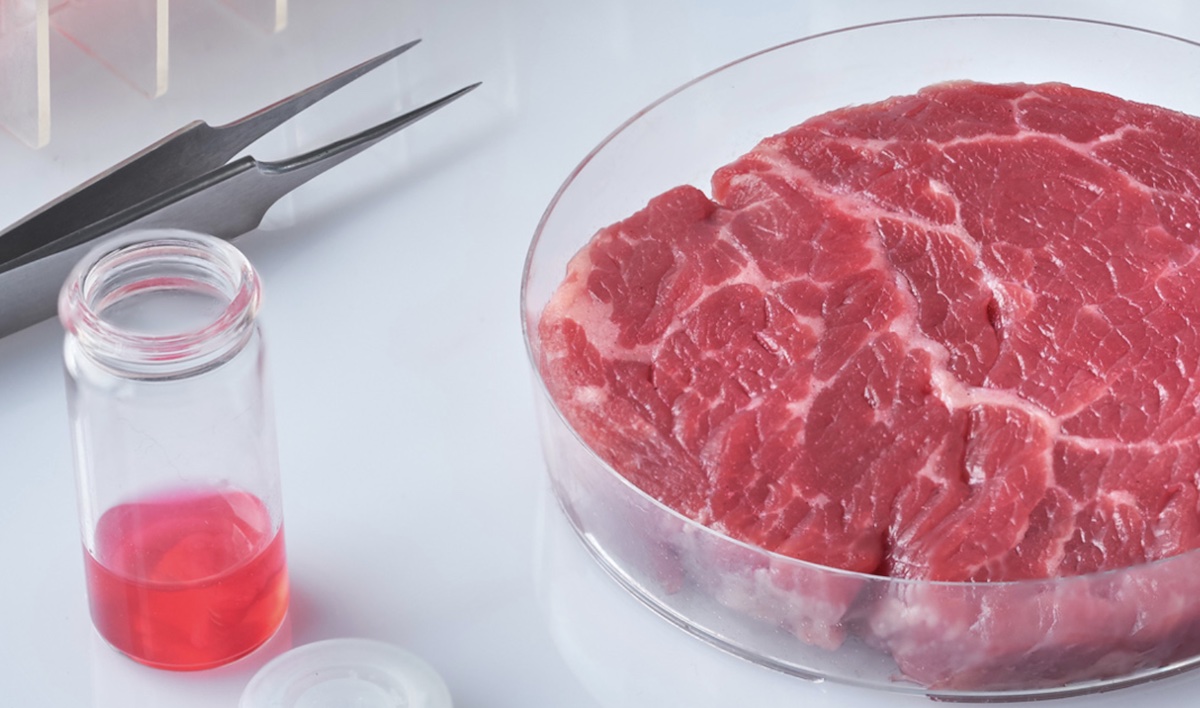
Disrupting the Plate: Cultured Meat Technology | California Management  Review

But lab-grown meat is just one part of the synthetic biology revolution. Microorganisms such as yeast and bacteria can also be engineered to produce proteins like whey or casein (the primary proteins in dairy), providing a more sustainable alternative to traditional dairy farming. Companies like Perfect Day have already begun producing dairy proteins via fermentation, which can be used to create dairy-like products without the environmental impact of conventional dairy farming.

Addressing Nutritional Needs with Engineered Foods

In addition to revolutionizing protein production, synthetic biology also holds the key to addressing some of the world’s most pressing nutritional challenges. Malnutrition, particularly in developing regions, is often linked to deficiencies in essential nutrients such as vitamins, minerals, and amino acids. While fortified foods have been used to address these deficiencies, synthetic biology provides an even more targeted approach.

For example, microorganisms can be engineered to produce micronutrients such as vitamins, minerals, and amino acids in large quantities. This could lead to the creation of bio-fortified foods that are richer in essential nutrients, offering a more sustainable solution to the problem of global malnutrition. Moreover, the ability to engineer crops with specific nutritional profiles could improve the quality of food grown in regions where soil quality and agricultural infrastructure are poor.

Synthetic biology could also play a role in developing alternative sources of essential fats. Omega-3 fatty acids, for example, are typically sourced from fish, but concerns over overfishing and environmental degradation have led to the search for alternative production methods. By engineering algae or other microorganisms to produce omega-3s, it may be possible to supply these essential fats in a more sustainable and ethical manner.

Sustainable Agriculture: Reducing the Environmental Impact of Food Production
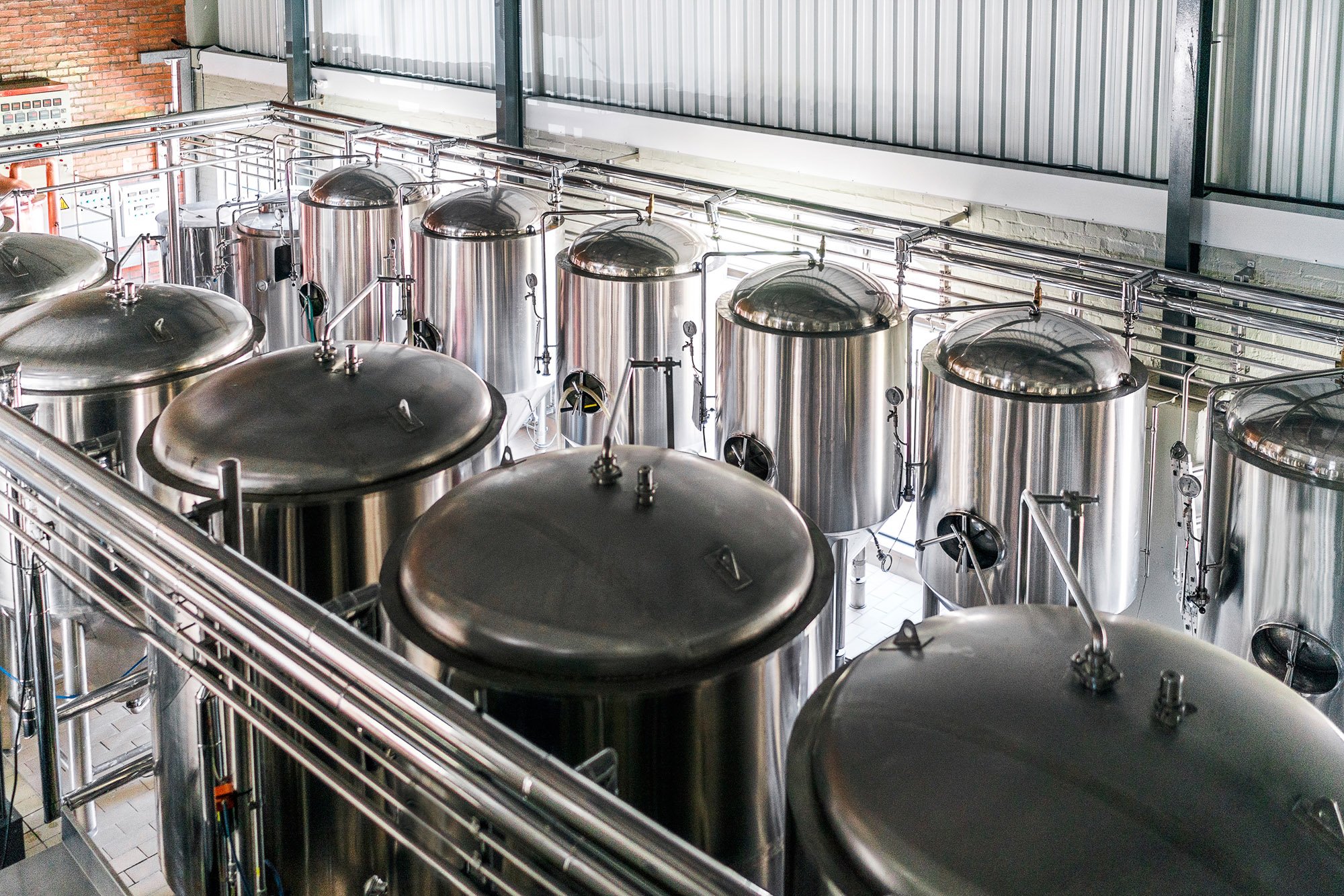
Precision fermentation | Making food with microbes | GFI

The environmental impact of traditional agriculture is one of the biggest challenges facing the global food system. Deforestation, soil degradation, water overuse, and pesticide runoff are just some of the many environmental issues tied to conventional farming practices. Synthetic biology offers innovative solutions to mitigate these problems and create a more sustainable food system.

One area where synthetic biology can make a significant impact is in the development of more resilient crops. By engineering plants to be more resistant to pests, diseases, and extreme weather conditions, synthetic biology could reduce the need for chemical pesticides and fertilizers, which are not only harmful to the environment but also to human health. Crops engineered to tolerate drought or high salinity could be grown in regions where conventional crops would fail, increasing food security in areas that are vulnerable to climate change.

In addition, synthetic biology can help reduce the environmental footprint of agriculture by improving the efficiency of nitrogen use in plants. Nitrogen fertilizers are a major source of pollution and greenhouse gas emissions, but through synthetic biology, scientists are exploring ways to engineer crops that can fix their own nitrogen, eliminating the need for synthetic fertilizers. This could revolutionize agriculture by reducing the reliance on petrochemical inputs and reducing the pollution caused by fertilizer runoff.

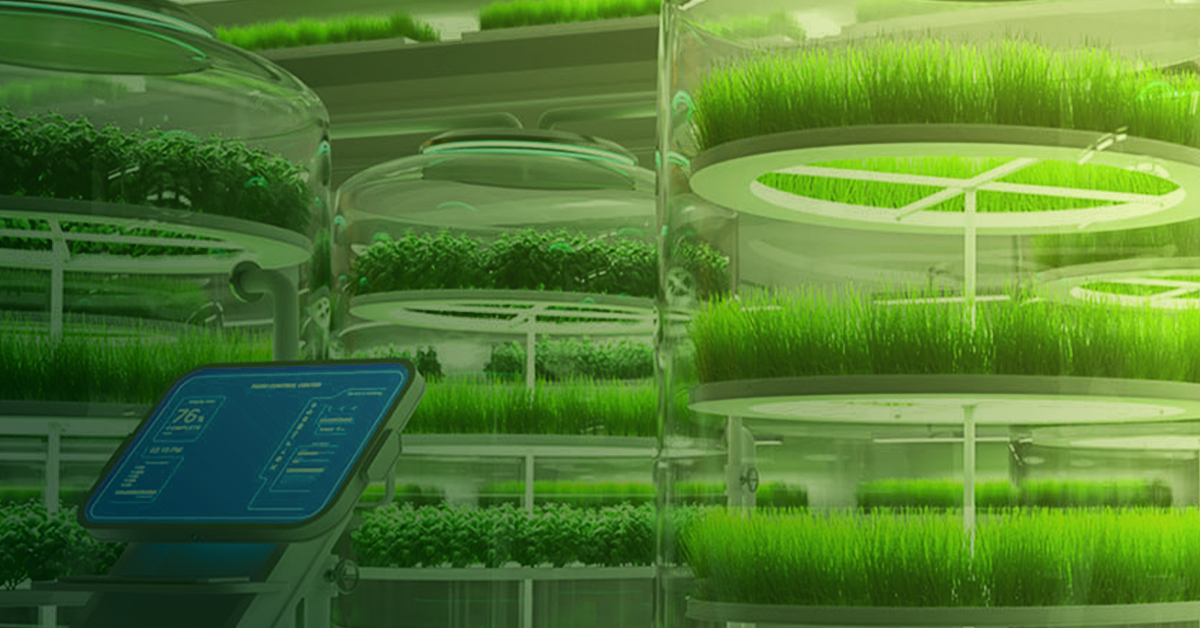
Moreover, synthetic biology could also be used to create new food sources altogether. Algae, fungi, and other microorganisms can be cultivated to produce food in highly controlled, vertical farming environments. These systems require significantly less land, water, and energy compared to traditional farming methods. Additionally, microorganisms can be fed on organic waste, turning byproducts into valuable food ingredients and reducing food waste in the process.

The Ethics and Future of Synthetic Biology in Food

While the potential benefits of synthetic biology in food production are immense, there are also significant ethical, regulatory, and social considerations that must be addressed. The idea of genetically engineered organisms in the food supply raises questions about safety, labeling, and the potential long-term effects on human health and the environment.

As synthetic biology moves from the laboratory to the market, there will be ongoing debates about the risks and rewards of using engineered organisms in food production. Governments, regulators, and industry stakeholders will need to work together to establish clear guidelines and standards for the safe use of synthetic biology in food. Transparent labeling will be crucial to ensure consumer confidence and allow people to make informed decisions about the foods they eat.

Another important consideration is the potential for synthetic biology to exacerbate inequalities in the global food system. While the technology has the potential to improve food security and sustainability, it could also be monopolized by large corporations, limiting access to these innovations for small-scale farmers and communities in developing countries. Ensuring equitable access to synthetic biology solutions will be a key challenge moving forward.

The Path Ahead: A New Era of Food Production

The future of food is likely to be defined by the convergence of synthetic biology, biotechnology, and sustainable agriculture. From lab-grown meat and bio-fortified crops to alternative proteins and vertical farms, synthetic biology has the potential to reshape the way we produce, distribute, and consume food.

As with any transformative technology, the path forward will not be without challenges. However, the potential benefits—improved sustainability, greater food security, and a reduction in the environmental impact of food production—are too great to ignore. With careful regulation, ethical considerations, and thoughtful innovation, synthetic biology could play a crucial role in building a more sustainable, resilient, and equitable food system for the future.


Tags: BiotechnologyCRISPRHealthInnovation
ShareTweetShare

Related Posts

Could Wearable Tech Unlock Hidden Human Abilities?
All Tech

Could Wearable Tech Unlock Hidden Human Abilities?

December 11, 2025
Can Virtual Reality Be the Next Frontier in Therapy?
All Tech

Can Virtual Reality Be the Next Frontier in Therapy?

December 10, 2025
Is Biohacking the Next Step in Human Evolution?
All Tech

Is Biohacking the Next Step in Human Evolution?

December 9, 2025
What If Robots Could Create Their Own Cultural Movements?
All Tech

What If Robots Could Create Their Own Cultural Movements?

December 8, 2025
Are We Prepared for the Ethics of AI-Driven Space Exploration?
All Tech

Are We Prepared for the Ethics of AI-Driven Space Exploration?

December 7, 2025
New Mythology for the Digital Age
All Tech

New Mythology for the Digital Age

December 6, 2025

Discussion about this post

  • Trending
  • Comments
  • Latest
Eternal Luminary: Humanity’s Perpetual Fascination with the Sun

Eternal Luminary: Humanity’s Perpetual Fascination with the Sun

November 5, 2024
The Race Heats Up: OpenAI Joins the AI-Powered Search Arena

The Race Heats Up: OpenAI Joins the AI-Powered Search Arena

October 16, 2024
The Canon DIGITAL IXUS Legacy: Redefining Photography with Style and Innovation

The Canon DIGITAL IXUS Legacy: Redefining Photography with Style and Innovation

November 2, 2024
A New Hope: Exploring KarXT’s Potential in Treating Alzheimer’s-Related Psychosis

A New Hope: Exploring KarXT’s Potential in Treating Alzheimer’s-Related Psychosis

December 5, 2024
The Lunar Symphony: Hal Clement’s Prophetic Fantasia

The Lunar Symphony: Hal Clement’s Prophetic Fantasia

Unlocking the Future with AI’s Latest Breakthroughs: A Journey into the Unchartered Frontier

Unlocking the Future with AI’s Latest Breakthroughs: A Journey into the Unchartered Frontier

The Transformative Power of Machine Learning: Shaping the Future of Technology and Beyond

The Transformative Power of Machine Learning: Shaping the Future of Technology and Beyond

The Emotional Intelligence of AI: Bridging the Gap Between Machines and Hearts

The Emotional Intelligence of AI: Bridging the Gap Between Machines and Hearts

Could Wearable Tech Unlock Hidden Human Abilities?

Could Wearable Tech Unlock Hidden Human Abilities?

December 11, 2025
Can AI Explore Parallel Universes Through Data?

Can AI Explore Parallel Universes Through Data?

December 11, 2025
How Does Space Radiation Affect Astronauts’ Health?

How Does Space Radiation Affect Astronauts’ Health?

December 11, 2025
Robotics: The Key to Overcoming Labor Shortages in Science?

Robotics: The Key to Overcoming Labor Shortages in Science?

December 11, 2025
techfusionnews

Discover the essence of innovation at "Tech Aggregator," where the latest in tech converges. From cutting-edge gadgets to cosmic ventures and green breakthroughs, our site offers a streamlined look at the future of technology. Engage with concise, impactful content designed for those eager to stay ahead in an ever-evolving digital landscape. Join us at the forefront of the tech revolution.

© 2025 techfusionnews.com. contacts:[email protected]

No Result
View All Result
  • Home
  • Digital Lifestyle
  • Green Tech & Wellness
  • AI
  • Space Exploration
  • Innovation & Research
  • All Tech

© 2025 techfusionnews.com. contacts:[email protected]

Welcome Back!

Login to your account below

Forgotten Password?

Retrieve your password

Please enter your username or email address to reset your password.

Log In