

































In today’s hyper-connected world, the concept of “digital detox” has gained significant attention. More and more individuals, communities, and even corporations are adopting measures to disconnect from technology in an effort to reclaim their mental health, creativity, and work-life balance. However, as we enter the era of green technology, the question arises: can green tech innovations, with their promise of sustainability, energy efficiency, and eco-friendly solutions, help reverse or alleviate some of the impacts of a digital detox? The answer lies in the evolving relationship between technology, environmental impact, and human well-being.
Understanding the Digital Detox Phenomenon
A “digital detox” refers to a period of intentional disconnection from digital devices, particularly smartphones, computers, and social media platforms. It’s a response to the pervasive nature of technology in our daily lives, where digital devices are often seen as both indispensable and overwhelming. The impacts of prolonged digital engagement can be seen in a variety of ways—from increased stress and anxiety levels to reduced face-to-face interaction and, in some cases, digital addiction. In short, while technology has brought immense convenience and connectivity, it has also introduced a series of challenges, particularly in relation to mental health and social well-being.
Digital detox programs often emphasize the need for balance—helping individuals disconnect to reconnect with themselves, nature, and others. These programs aim to reduce the negative effects of screen time, promote mindfulness, and foster more meaningful, in-person interactions. However, the benefits of a digital detox can sometimes come with unintended consequences, such as feelings of isolation, missed opportunities for networking, or a lack of access to essential digital resources.
The Green Tech Revolution: A Modern Solution
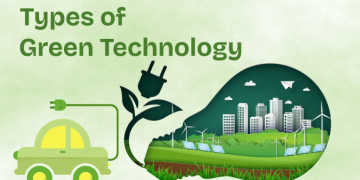
Green tech, or green technology, refers to the development of products, services, and technologies that have a minimal impact on the environment. Innovations in this space have led to cleaner energy, more sustainable production methods, and solutions that reduce carbon footprints. As industries shift toward greener practices, there’s a growing opportunity to address both the environmental and personal impacts of technology.
The marriage of green tech with digital detox could offer a compelling way forward. By implementing sustainable technologies, it’s possible to make the digital world less intrusive while still maintaining its core benefits. How might this work? Let’s explore several green tech innovations that could play a key role in reshaping the digital detox experience.
Sustainable Technology: A Balance Between Tech and Well-being

1. Energy-Efficient Devices
One of the most pressing environmental concerns associated with digital technology is its energy consumption. From smartphones and laptops to data centers and cloud computing infrastructure, the digital world consumes an enormous amount of energy. While energy-efficient devices and renewable energy sources can’t eliminate the need for digital detox altogether, they can mitigate the environmental damage caused by our tech-centric lifestyles.
A shift towards energy-efficient digital devices, powered by solar energy or wind power, could make the tech industry more sustainable without compromising its utility. For example, solar-powered laptops, smartphones, and even e-readers already exist, reducing the carbon footprint of daily tech usage. As energy-efficient devices become the standard, individuals may find it easier to justify keeping technology in their lives without feeling as guilty about the environmental impact.
2. Sustainable Internet Infrastructure
Data centers are one of the largest consumers of electricity worldwide. They house the servers that process and store the data that fuels the internet, from emails to social media posts and video streaming. With green tech innovations, companies are now investing in building “green” data centers that use renewable energy and environmentally friendly cooling systems to reduce their carbon footprint.
Major companies like Google and Microsoft have committed to running their data centers on 100% renewable energy. As more tech giants embrace sustainable data infrastructure, the environmental cost of maintaining a digitally connected world decreases. A digital detox, in this case, doesn’t mean completely disconnecting but rather enjoying the benefits of a more eco-conscious digital landscape.
3. Eco-Friendly Recycling and Disposal Practices
The digital world also contributes to the growing issue of electronic waste (e-waste). Devices are often discarded when they are no longer functional, leading to pollution and harmful environmental effects. Green tech solutions are addressing e-waste by promoting recycling programs and designing devices with longer lifespans, repairability, and recyclability in mind.
For instance, modular smartphones, where users can replace individual parts instead of replacing the entire device, are gaining traction. Companies are also investing in closed-loop recycling systems that allow for the reuse of materials from old devices. These innovations make it easier to continue using technology sustainably, even while practicing a digital detox.
Digital Detox Without Disconnecting
For those seeking the benefits of a digital detox but not wanting to completely abandon technology, green tech offers a balanced approach. Here are some ways that green innovations can make digital detox more manageable without the need for total disconnection:

1. Eco-Friendly Digital Habits
Mindful use of digital devices is a growing trend. Instead of spending hours mindlessly scrolling, people can adopt eco-friendly digital habits, such as using devices for specific, time-limited tasks and taking breaks to engage with nature or offline activities. This reduces screen time, improves mental health, and has a minimal environmental footprint.
For example, eco-conscious tech platforms are increasingly offering low-impact alternatives to traditional services, such as “green” social media platforms that offset their energy usage through carbon credits. These platforms encourage digital mindfulness while promoting sustainability, helping users balance their digital and offline worlds.
2. Wellness Apps for a Green Lifestyle
Wellness apps can also play a role in supporting a digital detox while remaining in touch with technology. Many wellness apps focus on promoting healthy, sustainable living by providing users with tools for mindfulness, exercise, nutrition, and mental health—all of which are part of the digital detox movement. By encouraging eco-friendly behaviors, like reducing energy consumption or practicing outdoor meditation, these apps promote a holistic approach to well-being that incorporates green tech.
3. Smart Home Devices
Smart homes are another area where green tech can support a more balanced approach to digital engagement. Devices like smart thermostats, energy-efficient lighting, and solar-powered gadgets are examples of how technology can be used to create a more sustainable lifestyle. These smart home technologies can be seamlessly integrated into daily routines, helping users reduce energy consumption and carbon footprints without drastically altering their digital habits.
By making homes more energy-efficient, users can enjoy the convenience of smart technologies while contributing to environmental sustainability. This allows for a form of digital engagement that aligns with a mindful, eco-conscious lifestyle.
The Broader Impact: Environmental and Societal Benefits
Green tech innovations not only reduce the environmental impact of our digital habits but can also promote societal well-being. For example, the shift toward renewable energy sources and sustainable manufacturing practices can create new job opportunities, reduce reliance on nonrenewable resources, and lower greenhouse gas emissions. Additionally, by integrating green tech solutions into the digital detox movement, communities can foster a more inclusive approach to technology, ensuring that environmental sustainability and personal well-being go hand in hand.
The growing interest in green tech also presents an opportunity for corporations, governments, and individuals to rethink their relationship with technology. As digital tools become more sustainable, they can help bridge the gap between digital engagement and environmental responsibility, ultimately promoting a more harmonious coexistence.
Conclusion
The answer to whether green tech innovations can reverse the impacts of a digital detox is a resounding “yes”—at least, in part. While digital detox remains essential for maintaining mental health and social well-being, green technology provides a practical, sustainable way to ensure that digital engagement has less of a negative impact on the environment. From energy-efficient devices and sustainable data centers to eco-friendly habits and wellness apps, green tech has the potential to redefine our relationship with technology in a way that balances productivity, well-being, and environmental responsibility.
Ultimately, the digital detox movement doesn’t have to mean a complete rejection of technology. By integrating green tech solutions into our daily lives, we can engage with the digital world in a way that nurtures both personal and planetary health, ensuring that the future of technology remains bright, sustainable, and in tune with the natural world.













Discussion about this post