





















Garbage disposal has always been an increasingly serious issue on a global scale. With population growth and changes in consumption patterns, urban and rural areas generate a large amount of waste every day. However, traditional waste disposal methods such as landfill and incineration are gradually being considered unsustainable as they can cause environmental pollution and resource waste. In this context, the application of innovative technologies has brought revolutionary changes to waste management. This article will explore these technologies and their impact on the waste management industry.
The Application of Innovative Technologies in Waste Management
1. Intelligent classification system
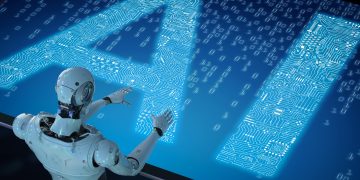
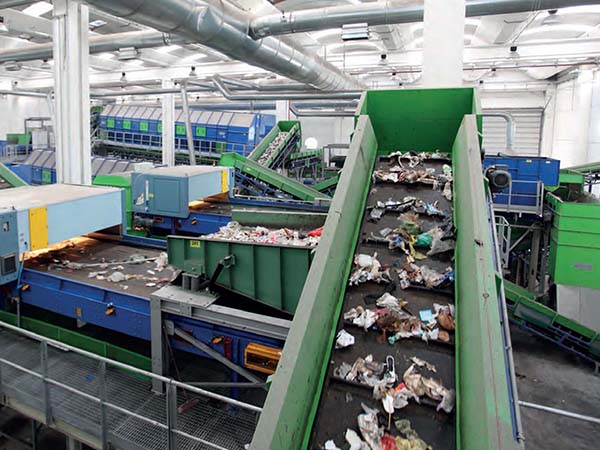
Intelligent classification technology is an important component of the recycling revolution. By using sensors, machine vision, and artificial intelligence algorithms, intelligent classification systems can automatically identify and separate different types of waste. This not only improves recycling efficiency, but also reduces reliance on manual sorting.
2. Efficient recycling technology
New recycling processes, such as optical sorting and mechanical biological treatment, are being used to improve recovery rates and quality. These technologies can more accurately separate recyclable materials, thereby improving the reuse of resources.
3. Energy recovery
Through waste incineration power generation and biomass energy technology, waste treatment not only reduces the volume of waste, but also converts it into useful energy. These technologies reduce dependence on fossil fuels by maximizing the utilization of organic matter in waste and converting it into electricity or heat.
4. Biodegradation technology
Biodegradation technology utilizes microorganisms to convert organic waste into fertilizers or biofuels. This not only reduces the volume of waste, but also provides a sustainable waste treatment method.
5. Electronic waste recycling
With the popularity of electronic products, electronic waste has become an important issue. Innovative electronic waste recycling technologies, such as precision dismantling and material recycling, can extract valuable materials such as gold, silver, and rare earth metals from waste electronic products.
The impact on the waste management industry
The impact of innovative technologies on the waste management industry is profound. Firstly, these technologies have increased the recycling rate, reduced the demand for landfill and incineration, and thus alleviated the pressure on the environment. Secondly, by converting waste into energy and other useful resources, innovative technologies have increased the value of garbage and changed people’s perception of it. In addition, the application of these technologies has also promoted the emergence of new business models and employment opportunities.
Challenges Faced
Although innovative technologies have broad prospects for application in waste management, they also face some challenges in the promotion process. Firstly, there is the issue of cost, as many high-tech technologies require a significant initial investment. Secondly, there is the issue of technology acceptance, which requires joint efforts from the government, enterprises, and consumers to promote the widespread application of these technologies. In addition, corresponding policies and regulations are needed to support the development of these technologies.
Future prospects
With the advancement of technology and the reduction of costs, the application of innovative technologies in waste treatment will become increasingly popular. The future of garbage disposal will be more efficient, environmentally friendly, and sustainable. This will not only improve environmental quality, but also promote circular economic development.
epilogue
Innovative technologies are leading the recycling revolution in the waste management industry, and their application helps achieve the sustainable development goals of waste management. Through technologies such as intelligent classification, efficient recycling, energy recovery, biodegradation, and electronic waste recycling, garbage disposal has become more efficient and environmentally friendly. In the face of challenges, joint efforts from all parties are needed to ensure that these innovative technologies can be widely applied and contribute to building a green and sustainable future.













Discussion about this post