




























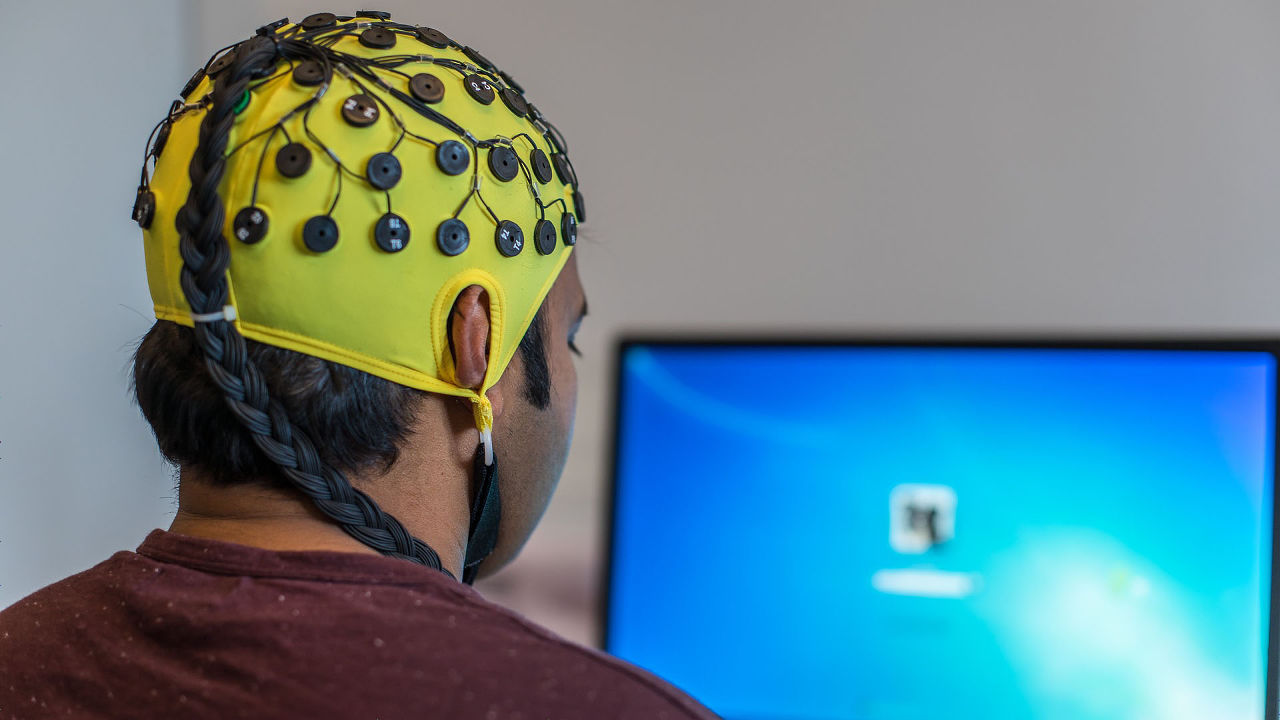
In the ever-evolving landscape of artificial intelligence (AI), the question of whether AI can predict the future of human consciousness is a compelling and deeply philosophical one. Can machines, which are increasingly sophisticated, truly understand or foresee the complex workings of human awareness, perception, and thought? This article explores the potential for AI to predict the future of human consciousness, examining the intersection of technology, neuroscience, and philosophy, and evaluating whether AI could ever unlock the mysteries of the human mind.
The Concept of Consciousness
Before delving into the AI aspect, it’s important to define what we mean by “human consciousness.” Consciousness is a complex phenomenon that encompasses our awareness of ourselves, our thoughts, and the external world. It’s a state that allows us to experience emotions, make decisions, solve problems, and engage with others. Theories about consciousness vary, but most scientists and philosophers agree that it involves at least two key aspects: subjective experience (often called “qualia”) and the ability to process and integrate information.
The Challenge of Understanding Consciousness
The challenge in predicting the future of human consciousness lies in the inherent complexity of the mind. Consciousness is not just an algorithmic process; it is intertwined with subjective experience, emotions, and perceptions that are, for now, beyond the reach of scientific measurement. While AI can model and analyze information, it lacks the rich, subjective experiences that constitute the human condition.
To predict the future of consciousness, one must first understand it — a task that has eluded scientists for centuries. The “hard problem” of consciousness, as philosopher David Chalmers calls it, is to explain how and why subjective experiences arise from neural processes. If AI is to predict the future of consciousness, it must tackle this question, which remains one of the greatest unsolved mysteries in science.
Can AI Simulate Consciousness?
AI, particularly in the realm of deep learning, has made incredible strides in mimicking certain aspects of human intelligence. Machines can learn to recognize patterns, understand language, and even engage in complex decision-making. However, despite these impressive capabilities, AI does not yet exhibit anything resembling human consciousness.
AI models, such as neural networks, function by processing vast amounts of data to identify patterns and make predictions. But these models lack self-awareness or subjective experience. They can predict outcomes based on past data, but they cannot experience what it’s like to be conscious. Thus, while AI may simulate certain cognitive processes, it does not simulate the actual experience of consciousness.
One of the questions this raises is whether AI will ever be able to simulate consciousness to the point where it can make accurate predictions about the future of human consciousness. Some futurists, such as Ray Kurzweil, believe that AI will eventually surpass human cognitive abilities, leading to what he calls “the singularity,” where AI and human consciousness merge. This theory posits that AI might eventually understand and even enhance human consciousness by uploading or transferring human minds into machines.
Predicting the Future: AI’s Role in Understanding Consciousness
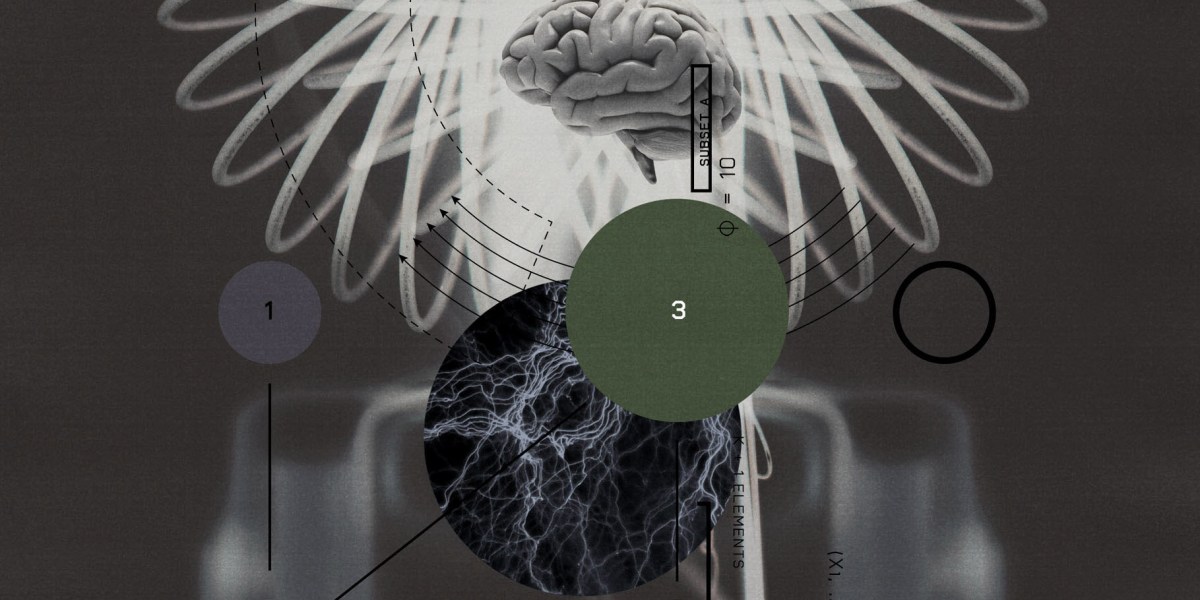
Despite the challenges in understanding consciousness, AI does have a role to play in predicting its future — at least in terms of identifying trends, patterns, and potential advancements. AI can analyze large datasets from neuroscience, psychology, and other fields to predict how human consciousness might evolve as technology and society continue to change. This could involve understanding the impact of brain-computer interfaces (BCIs), the effects of AI on human cognition, and the potential for neuro-enhancement technologies.
1. Brain-Computer Interfaces (BCIs)
BCIs are devices that enable direct communication between the brain and external devices, such as computers or robotic limbs. They have already shown promise in helping people with neurological disabilities regain lost abilities. But could BCIs also change the way we experience consciousness?
AI can play a significant role in advancing BCIs by enhancing the interpretation of brain signals and improving the interface between the brain and machines. This could lead to new forms of consciousness, where humans can interact directly with machines or even augment their cognitive abilities. For instance, AI could predict how the integration of BCIs into daily life might affect human awareness, decision-making, and even self-perception. Would such interfaces enhance consciousness, or would they create new forms of alienation?
2. Cognitive Enhancements and AI-Driven Neurotechnology
The field of neurotechnology, which combines neuroscience with AI, holds great potential for understanding and enhancing human consciousness. Technologies such as transcranial direct current stimulation (tDCS) and deep brain stimulation (DBS) are already being used to treat certain mental health conditions and neurological disorders.
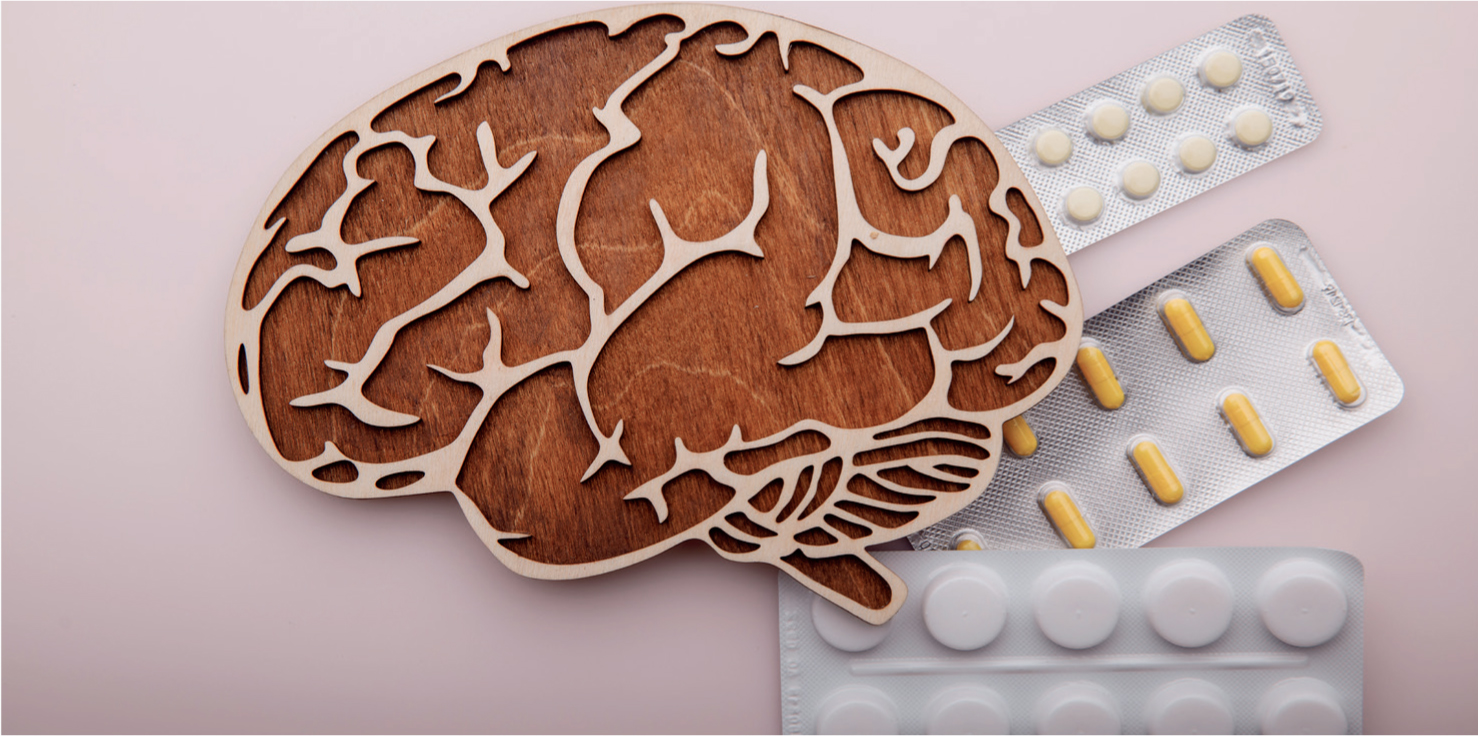
As AI continues to improve, it may be used to personalize these treatments, identifying specific brain regions that require stimulation to improve cognition, mood, or even consciousness itself. Moreover, AI could assist in designing drugs or therapies that enhance cognitive function, potentially altering the way we experience consciousness.
3. Ethical Considerations in AI and Consciousness
As AI systems become more advanced, questions surrounding the ethical implications of predicting and potentially altering human consciousness become increasingly important. Will AI be used to manipulate or control consciousness in harmful ways? How can we ensure that AI technologies are used for the benefit of humanity, rather than to further entrench existing inequalities or power imbalances?
AI-driven advancements in consciousness, such as cognitive enhancement or brain-machine interfaces, could lead to profound societal changes. Predicting these changes — both positive and negative — is a task that AI can assist with by analyzing historical data and projecting future trends. However, AI itself cannot answer the ethical questions related to these advancements; these must be addressed by human decision-makers.
The Future of Consciousness: Can AI Predict What’s Next?
So, where does all of this leave us in terms of predicting the future of human consciousness? AI, with its ability to analyze vast amounts of data, can certainly help us identify trends and potential developments in the field. However, predicting the future of consciousness itself is a much more complex task. The subjective nature of consciousness, combined with the uncertainties surrounding technological, societal, and cultural changes, makes any prediction highly speculative.
That being said, there are a few possibilities that AI might help us explore:
- AI-Enhanced Consciousness: AI could help humans enhance their cognitive abilities, making us more aware, more focused, or more empathetic. Brain-machine interfaces, cognitive augmentation, and personalized neurotechnologies might change what it means to be conscious. The future may involve symbiotic relationships between humans and machines, where AI helps us expand the limits of our consciousness.
- Consciousness Beyond the Biological Brain: AI could help us explore the possibility of transferring consciousness to non-biological substrates, such as computers or robots. While this idea is still largely theoretical, AI could help simulate the process and offer insights into whether it’s feasible or desirable to upload human minds into machines.
- AI-Driven Consciousness: Another possibility is that AI itself could evolve into a form of consciousness. While current AI lacks subjective experience, future developments may lead to machines that possess awareness, emotions, and perhaps even self-reflection. The implications of such a development would be profound, not just for AI, but for our understanding of consciousness itself.
Conclusion: The Role of AI in Predicting Consciousness
AI has the potential to provide us with valuable insights into the future of human consciousness. By analyzing patterns in neuroscience, psychology, and societal trends, AI can help predict how emerging technologies may influence our minds and behaviors. However, the future of consciousness remains unpredictable, shaped by forces beyond the realm of machine learning and deep neural networks.
Ultimately, while AI can aid in our understanding and prediction of certain aspects of consciousness, it cannot fully comprehend or replicate the subjective experience of being human. Consciousness remains a mystery — a frontier where science, philosophy, and technology intersect, and where AI’s predictions may help guide us, but not fully define us.










Discussion about this post