
























techfusionnews
  • Home
  • Digital Lifestyle
    What’s the Real Cost of Being Always Connected

    What’s the Real Cost of Being Always Connected

    Can AI Truly Replace Human Creativity?

    Can AI Truly Replace Human Creativity?

    Are Virtual Reality Workspaces the Future of Office Life?

    Are Virtual Reality Workspaces the Future of Office Life?

    How Secure Is Your Data in the Cloud?

    How Secure Is Your Data in the Cloud?

    Is the Digital Nomad Lifestyle Sustainable in 2026?

    Is the Digital Nomad Lifestyle Sustainable in 2026?

    Are You Ready to Live Without Your Phone?

    Are You Ready to Live Without Your Phone?

  • Green Tech & Wellness
    Is Organic Farming the Missing Link in Health Tech?

    Is Organic Farming the Missing Link in Health Tech?

    What Role Does Sustainable Fashion Play in Mental Wellbeing?

    What Role Does Sustainable Fashion Play in Mental Wellbeing?

    Can Green Tech Help Us Achieve True Digital Detox?

    Can Green Tech Help Us Achieve True Digital Detox?

    Are Eco-Friendly Homes the Key to Better Sleep?

    Are Eco-Friendly Homes the Key to Better Sleep?

    How Does Renewable Energy Impact Personal Wellness?

    How Does Renewable Energy Impact Personal Wellness?

    Can Nature-Inspired Design Enhance Workplace Productivity?

    Can Nature-Inspired Design Enhance Workplace Productivity?

  • AI
    Can AI Be Creative Without Human Input?

    Can AI Be Creative Without Human Input?

    What If AI Could Predict the Future?

    What If AI Could Predict the Future?

    Will AI Ever Be Truly Conscious?

    Will AI Ever Be Truly Conscious?

    Could AI Become the Ultimate Philosopher?

    Could AI Become the Ultimate Philosopher?

    Are We Ready for AI-Powered Art to Dominate the Market?

    Are We Ready for AI-Powered Art to Dominate the Market?

    What Happens When AI Becomes More Ethical Than Us

    What Happens When AI Becomes More Ethical Than Us

  • Space Exploration
    What Is the Future of Space Mining

    What Is the Future of Space Mining

    Are We Really Ready for a Human Colony on the Moon?

    Are We Really Ready for a Human Colony on the Moon?

    What If We Found Life in the Subsurface Oceans of Europa?

    What If We Found Life in the Subsurface Oceans of Europa?

    Could Quantum Physics Unlock Intergalactic Travel?

    Could Quantum Physics Unlock Intergalactic Travel?

    How Do Black Holes Influence the Fate of Galaxies?

    How Do Black Holes Influence the Fate of Galaxies?

    Is the Search for Extraterrestrial Life Just a Fantasy?

    Is the Search for Extraterrestrial Life Just a Fantasy?

  • Innovation & Research
    Can Sustainability Drive the Next Wave of Innovation in Engineering?

    Can Sustainability Drive the Next Wave of Innovation in Engineering?

    Is Open Innovation the Key to Faster Technological Progress?

    Is Open Innovation the Key to Faster Technological Progress?

    What Role Does Collaboration Play in Modern Scientific Breakthroughs?

    What Role Does Collaboration Play in Modern Scientific Breakthroughs?

    Are We Too Focused on Big Data in Research Innovation?

    Are We Too Focused on Big Data in Research Innovation?

    What Makes a Great Researcher in Today’s Innovation Landscape?

    What Makes a Great Researcher in Today’s Innovation Landscape?

    Can AI Revolutionize the Way We Approach Healthcare Innovation?

    Can AI Revolutionize the Way We Approach Healthcare Innovation?

  • All Tech
    Can AI Be Creative Without Human Input?

    Can AI Be Creative Without Human Input?

    What’s the Real Cost of Being Always Connected

    What’s the Real Cost of Being Always Connected

    Is Organic Farming the Missing Link in Health Tech?

    Is Organic Farming the Missing Link in Health Tech?

    Can Sustainability Drive the Next Wave of Innovation in Engineering?

    Can Sustainability Drive the Next Wave of Innovation in Engineering?

    What Is the Future of Space Mining

    What Is the Future of Space Mining

    What If AI Could Predict the Future?

    What If AI Could Predict the Future?

techfusionnews
  • Home
  • Digital Lifestyle
    What’s the Real Cost of Being Always Connected

    What’s the Real Cost of Being Always Connected

    Can AI Truly Replace Human Creativity?

    Can AI Truly Replace Human Creativity?

    Are Virtual Reality Workspaces the Future of Office Life?

    Are Virtual Reality Workspaces the Future of Office Life?

    How Secure Is Your Data in the Cloud?

    How Secure Is Your Data in the Cloud?

    Is the Digital Nomad Lifestyle Sustainable in 2026?

    Is the Digital Nomad Lifestyle Sustainable in 2026?

    Are You Ready to Live Without Your Phone?

    Are You Ready to Live Without Your Phone?

  • Green Tech & Wellness
    Is Organic Farming the Missing Link in Health Tech?

    Is Organic Farming the Missing Link in Health Tech?

    What Role Does Sustainable Fashion Play in Mental Wellbeing?

    What Role Does Sustainable Fashion Play in Mental Wellbeing?

    Can Green Tech Help Us Achieve True Digital Detox?

    Can Green Tech Help Us Achieve True Digital Detox?

    Are Eco-Friendly Homes the Key to Better Sleep?

    Are Eco-Friendly Homes the Key to Better Sleep?

    How Does Renewable Energy Impact Personal Wellness?

    How Does Renewable Energy Impact Personal Wellness?

    Can Nature-Inspired Design Enhance Workplace Productivity?

    Can Nature-Inspired Design Enhance Workplace Productivity?

  • AI
    Can AI Be Creative Without Human Input?

    Can AI Be Creative Without Human Input?

    What If AI Could Predict the Future?

    What If AI Could Predict the Future?

    Will AI Ever Be Truly Conscious?

    Will AI Ever Be Truly Conscious?

    Could AI Become the Ultimate Philosopher?

    Could AI Become the Ultimate Philosopher?

    Are We Ready for AI-Powered Art to Dominate the Market?

    Are We Ready for AI-Powered Art to Dominate the Market?

    What Happens When AI Becomes More Ethical Than Us

    What Happens When AI Becomes More Ethical Than Us

  • Space Exploration
    What Is the Future of Space Mining

    What Is the Future of Space Mining

    Are We Really Ready for a Human Colony on the Moon?

    Are We Really Ready for a Human Colony on the Moon?

    What If We Found Life in the Subsurface Oceans of Europa?

    What If We Found Life in the Subsurface Oceans of Europa?

    Could Quantum Physics Unlock Intergalactic Travel?

    Could Quantum Physics Unlock Intergalactic Travel?

    How Do Black Holes Influence the Fate of Galaxies?

    How Do Black Holes Influence the Fate of Galaxies?

    Is the Search for Extraterrestrial Life Just a Fantasy?

    Is the Search for Extraterrestrial Life Just a Fantasy?

  • Innovation & Research
    Can Sustainability Drive the Next Wave of Innovation in Engineering?

    Can Sustainability Drive the Next Wave of Innovation in Engineering?

    Is Open Innovation the Key to Faster Technological Progress?

    Is Open Innovation the Key to Faster Technological Progress?

    What Role Does Collaboration Play in Modern Scientific Breakthroughs?

    What Role Does Collaboration Play in Modern Scientific Breakthroughs?

    Are We Too Focused on Big Data in Research Innovation?

    Are We Too Focused on Big Data in Research Innovation?

    What Makes a Great Researcher in Today’s Innovation Landscape?

    What Makes a Great Researcher in Today’s Innovation Landscape?

    Can AI Revolutionize the Way We Approach Healthcare Innovation?

    Can AI Revolutionize the Way We Approach Healthcare Innovation?

  • All Tech
    Can AI Be Creative Without Human Input?

    Can AI Be Creative Without Human Input?

    What’s the Real Cost of Being Always Connected

    What’s the Real Cost of Being Always Connected

    Is Organic Farming the Missing Link in Health Tech?

    Is Organic Farming the Missing Link in Health Tech?

    Can Sustainability Drive the Next Wave of Innovation in Engineering?

    Can Sustainability Drive the Next Wave of Innovation in Engineering?

    What Is the Future of Space Mining

    What Is the Future of Space Mining

    What If AI Could Predict the Future?

    What If AI Could Predict the Future?

No Result
View All Result
Plugin Install : Cart Icon need WooCommerce plugin to be installed.
techfusionnews
No Result
View All Result
Home Space Exploration

What if Earth’s Atmosphere Was Not Perfect for Life?

December 6, 2025
in Space Exploration
What if Earth’s Atmosphere Was Not Perfect for Life?

When we gaze up at the sky, we often take for granted the invisible shield that envelops our planet—the atmosphere. This thin layer of gases is not just a passive backdrop to our daily lives; it plays a critical role in making Earth habitable. But what if Earth’s atmosphere were not perfectly tailored to support life? Would life as we know it even exist? In this article, we’ll explore the delicate balance of gases, pressures, and other factors that make Earth’s atmosphere a unique and irreplaceable condition for sustaining life, and ponder the dramatic consequences if things were different.

The Perfect Mix: Earth’s Atmospheric Composition

Earth’s atmosphere consists primarily of nitrogen (78%), oxygen (21%), and traces of carbon dioxide (0.04%), argon, neon, helium, methane, and other gases. This composition is not arbitrary. It is the result of billions of years of evolution, geological processes, and cosmic interactions, all of which have made Earth uniquely suited for life. Without this specific blend, life could not exist in the form we know it.

Oxygen: The Breath of Life

Oxygen is arguably the most crucial component for the survival of aerobic life forms—those that rely on oxygen for respiration. The presence of oxygen in Earth’s atmosphere is largely a product of photosynthetic organisms, which have been releasing oxygen into the air for billions of years. If oxygen were absent, or even present in a significantly reduced amount, complex multicellular life would not have evolved. The absence of oxygen would limit the types of life forms to anaerobic organisms, which are less diverse and less complex.

If Earth’s atmosphere contained, say, 5% oxygen, fires would become uncontrollable, and organisms would struggle to extract enough oxygen to power their metabolic processes. On the other hand, an atmosphere with 30% oxygen could be dangerously combustible, with frequent spontaneous fires occurring in forests or cities, making it nearly impossible for large life forms to survive.

Nitrogen: The Silent Stabilizer

While nitrogen may seem like a passive player in the atmosphere, it plays an essential role in stabilizing the other gases. Nitrogen dilutes oxygen, preventing its reactive properties from overwhelming the planet. Without nitrogen, oxygen would readily combine with other elements, such as iron, leading to rapid oxidation and the destruction of organic molecules. This balance between nitrogen and oxygen ensures that the atmosphere remains stable and conducive to life.

If Earth’s atmosphere lacked nitrogen, the oxygen present would likely react with other substances, potentially leading to a scenario where the Earth’s surface would be bathed in a sea of reactive, life-hostile gases. Without nitrogen, Earth’s atmosphere might resemble Venus’—thick with carbon dioxide and sulfur compounds—making it inhospitable to complex life.

The Role of Atmospheric Pressure

Atmospheric pressure is another key factor that makes Earth suitable for life. The pressure exerted by the atmosphere on the surface of the Earth ensures that water remains in its liquid state, a necessary condition for life as we know it. On planets with too little atmospheric pressure, like Mars, water cannot remain liquid and instead freezes or evaporates. In contrast, too much atmospheric pressure, as seen on Venus, would create an inhospitable “runaway greenhouse effect,” where temperatures soar and water boils away.

Earth’s atmospheric pressure is a delicate balance, around 1013 millibars at sea level, which is just right for supporting life. If the pressure were lower, water would boil at lower temperatures, making it harder for organisms to survive. If it were higher, life would be subjected to crushing forces that would hinder respiration and growth.
Global-warming Armageddon? It may be more likely than you thought | The  Independent | The Independent

The Greenhouse Effect: A Delicate Balance

The greenhouse effect, which occurs when gases in the atmosphere trap heat, is another key factor that makes Earth livable. Without the greenhouse effect, Earth would be a frozen wasteland, with an average temperature well below freezing. However, too much of the greenhouse effect—such as what we see on Venus—would cause the planet to overheat to the point of becoming a furnace.

The current balance of greenhouse gases, including carbon dioxide, methane, and water vapor, ensures that Earth maintains a temperature conducive to life. If Earth’s atmosphere were to contain too much carbon dioxide, for example, the planet could experience a runaway greenhouse effect, leading to extreme warming and a hothouse Earth scenario, where all life forms would be unable to survive due to excessive heat.

Conversely, too little carbon dioxide would result in a cooler planet, where global temperatures could plummet to levels that make the planet uninhabitable. In such a scenario, many of the life forms that rely on a warm climate would cease to exist.

Earth’s Atmosphere and the Sun

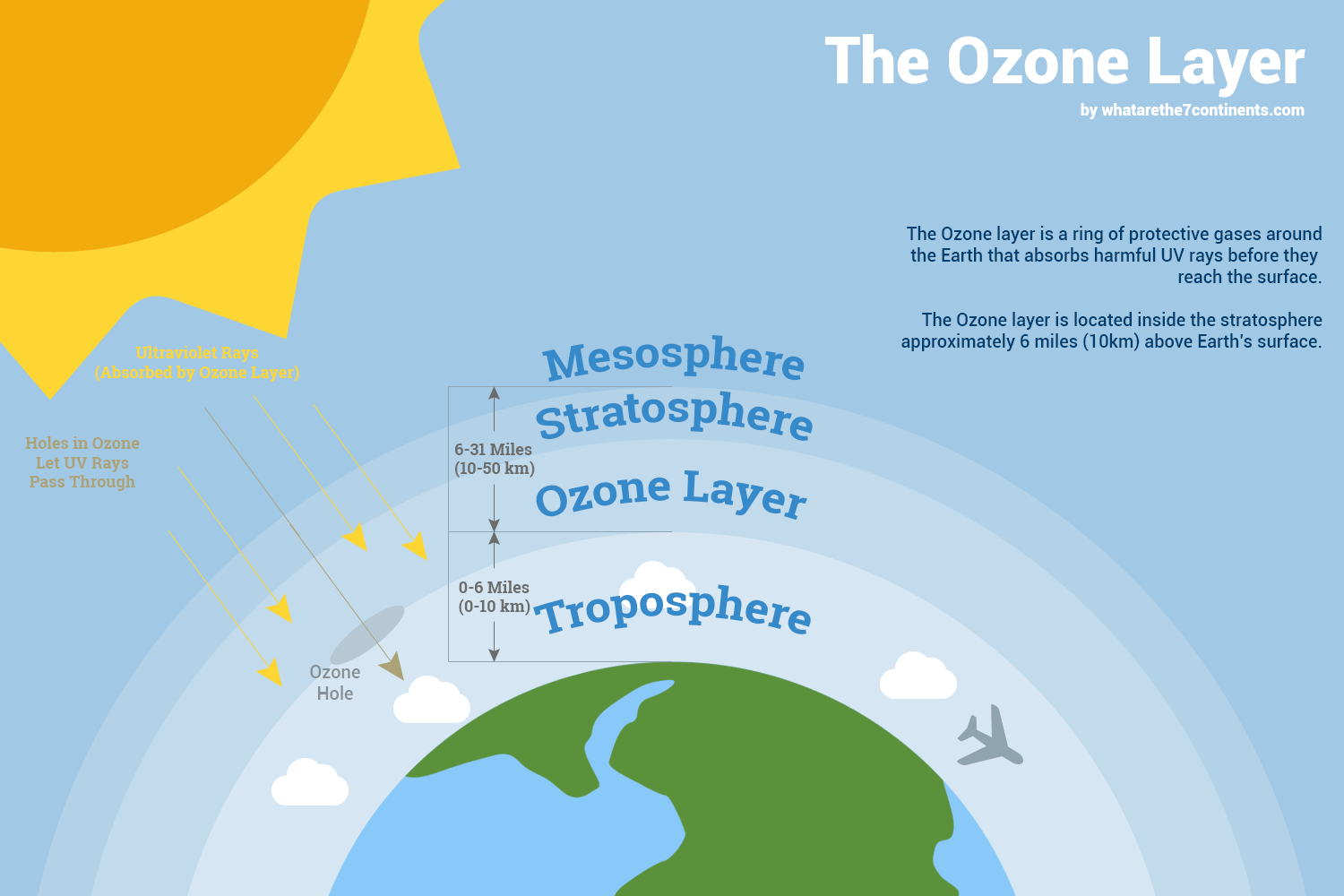
The Sun is the primary source of energy for Earth’s climate system, and the atmosphere plays a crucial role in regulating the amount of solar energy that reaches the surface. Earth’s atmosphere is transparent to visible light, allowing the Sun’s energy to penetrate and warm the planet. However, it also acts as a shield, blocking harmful ultraviolet (UV) radiation that can cause genetic mutations and increase the risk of cancer in living organisms.

If Earth’s atmosphere were not properly equipped with ozone and other protective layers, the planet would be exposed to harmful UV radiation. This would lead to a collapse of ecosystems and widespread harm to both plant and animal life. In fact, even a small decrease in ozone levels, as seen with the depletion of the ozone layer in the late 20th century, can have dramatic consequences on human health and the environment.

The Impact of a Less Perfect Atmosphere

Let’s imagine a world where Earth’s atmosphere was less than perfect for life—where the composition, pressure, or greenhouse effect were altered in ways that made the planet hostile to life as we know it.

A Lack of Oxygen

Without oxygen, Earth would be an entirely different place. The atmosphere might consist mostly of nitrogen, carbon dioxide, and other gases, with little to no oxygen available for respiration. Organisms on Earth would either have to rely on anaerobic processes, or life as we know it would be impossible.
Ozone Layer Depletion Presentation

In this alternate reality, life forms would likely be microscopic and primitive, similar to the earliest organisms on Earth. The lack of oxygen would prevent the formation of large, multicellular organisms, and the diversity of life that has evolved over billions of years would not exist. The atmosphere would not support the complexity of life we see today, and our planet would resemble more of a barren wasteland, with few signs of active biological processes.

Excessive Greenhouse Gases

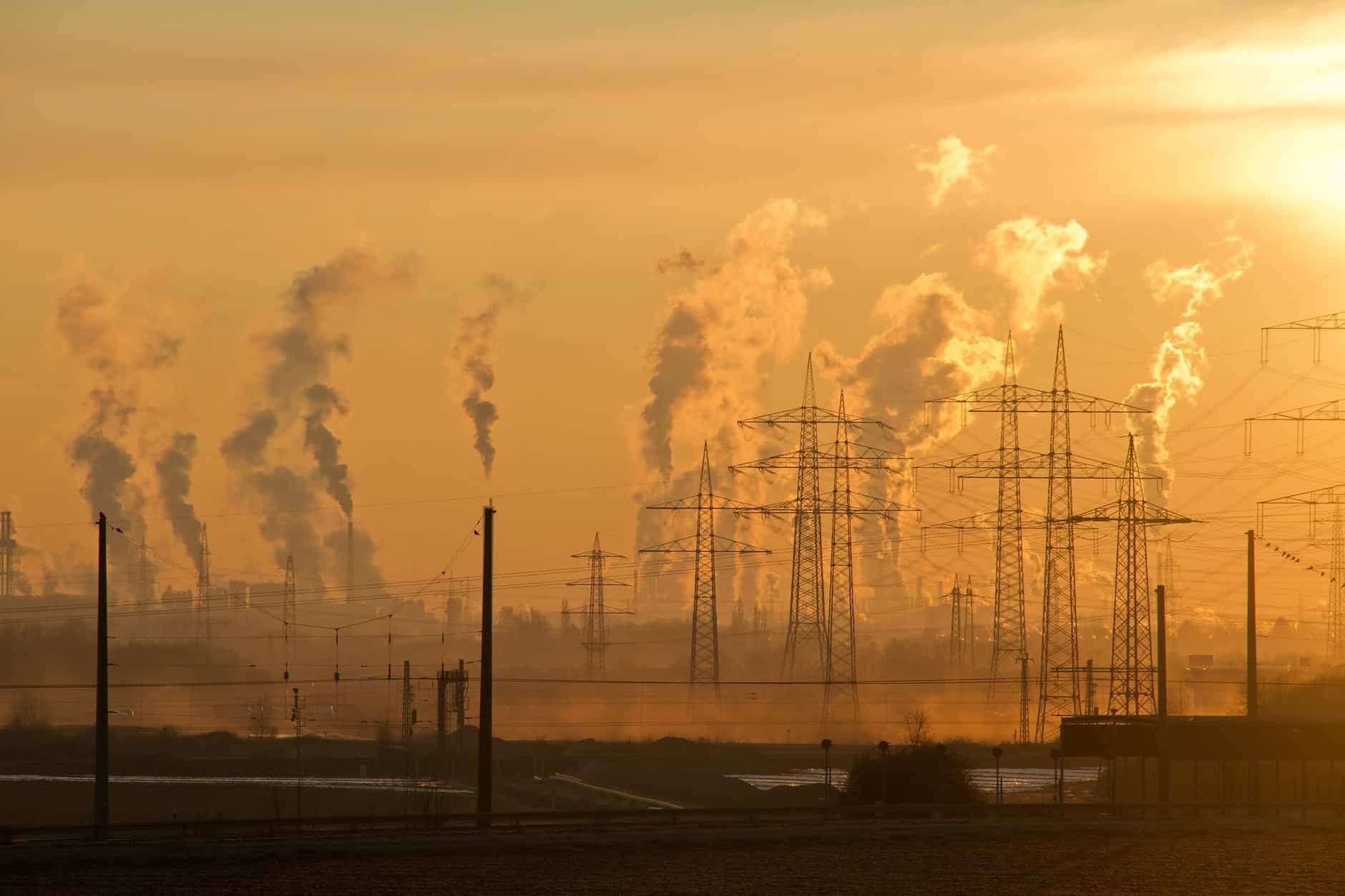
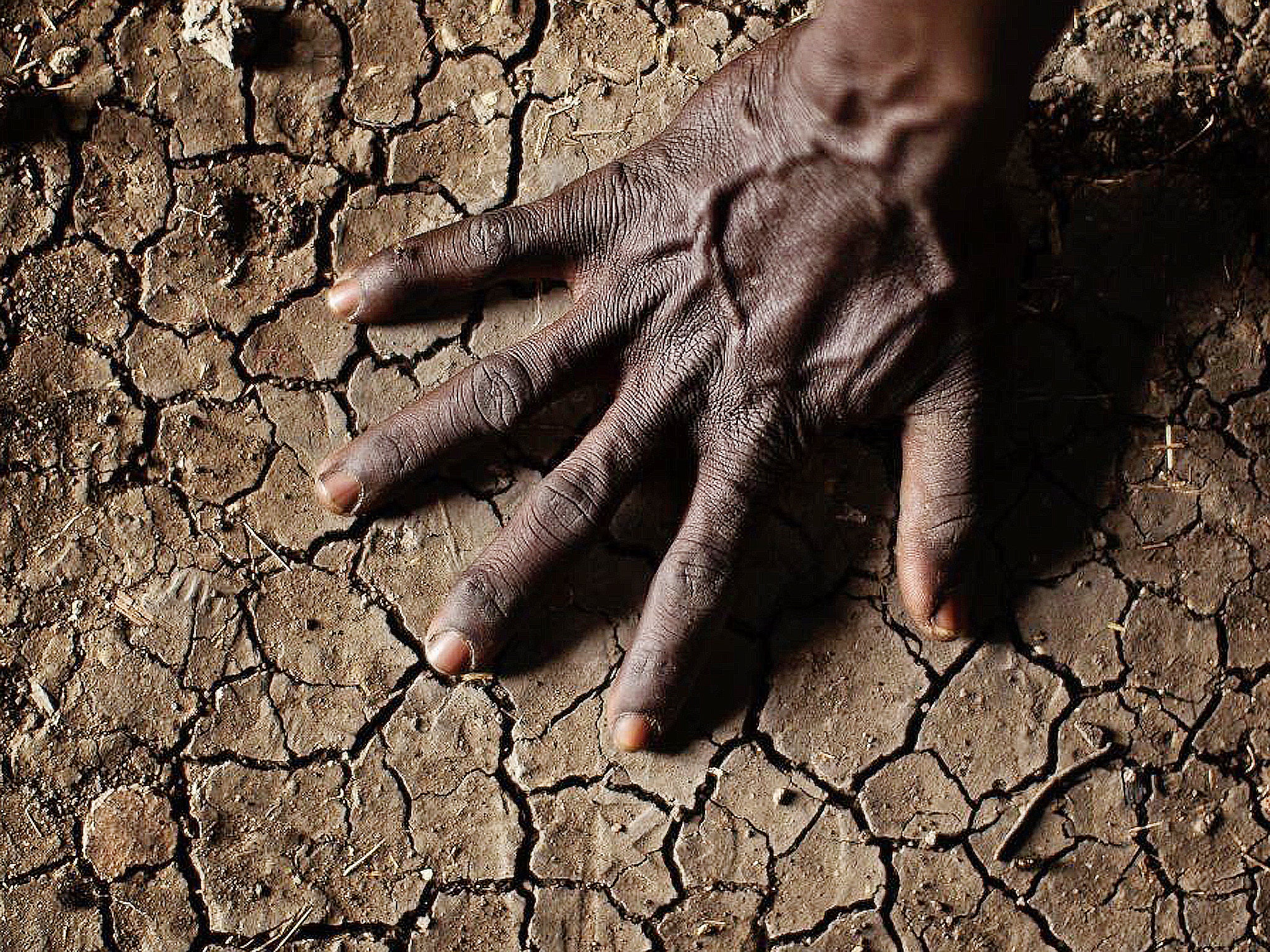
If Earth’s atmosphere contained excessive amounts of greenhouse gases like carbon dioxide and methane, the planet would experience runaway global warming. In this scenario, temperatures would soar, and the oceans would evaporate, leaving behind a dry, desert-like surface. Extreme heat would prevent most life forms from surviving, and any remaining life would be forced to adapt to harsh conditions, much like the life forms on Venus.

This extreme heating would also lead to the collapse of ecosystems, as plants and animals that rely on specific temperature ranges for survival would be unable to thrive. Biodiversity would be severely limited, and life on Earth would be relegated to the most extreme environments, such as deep-sea vents or underground caves, where conditions are more stable.

A Thinner Atmosphere

If Earth’s atmosphere were significantly thinner, the planet would become an inhospitable cold desert. The lower pressure would prevent water from remaining in a liquid state, causing it to freeze or evaporate. Without liquid water, life could not exist in any meaningful form, and Earth would resemble a barren version of Mars, with frozen tundras and a lack of biological activity.

Additionally, a thinner atmosphere would offer less protection from cosmic radiation, which could damage DNA and lead to mutations. Over time, this would hinder the evolution of life and likely cause any surviving organisms to become highly adapted to extreme conditions. The atmosphere would offer little protection against the Sun’s radiation, leading to the sterilization of the planet’s surface.

A Denser Atmosphere

On the flip side, if Earth’s atmosphere were much denser, the planet would be subjected to higher pressures, which could make it difficult for organisms to survive. Higher pressures would lead to higher temperatures, as the dense atmosphere would trap more heat, creating a hothouse effect similar to Venus. This would result in extreme temperatures that could make Earth uninhabitable for most life forms.

A denser atmosphere would also alter the behavior of gases and chemical reactions, potentially making the planet’s surface hostile to life. The increased pressure would create a more hostile environment for organisms, potentially preventing the development of large, complex life forms.

Conclusion

Earth’s atmosphere is an intricately balanced system that is finely tuned to support life. From the right mix of gases to the correct atmospheric pressure, every aspect of our atmosphere contributes to the delicate conditions necessary for life to thrive. If Earth’s atmosphere were even slightly different, life as we know it could not exist. Whether through the absence of oxygen, excessive greenhouse gases, or a drastic change in atmospheric pressure, the consequences would be dire, making Earth a barren, lifeless rock.

This delicate equilibrium that sustains life on Earth is a rare and precious occurrence in the universe, one that we often overlook as we go about our daily lives. Understanding the importance of this balance allows us to appreciate just how fragile and extraordinary the conditions on our planet truly are.


Tags: Environmental protectionScience FictionSpace ExplorationSpace Phenomena
ShareTweetShare

Related Posts

What Is the Future of Space Mining
All Tech

What Is the Future of Space Mining

January 16, 2026
Are We Really Ready for a Human Colony on the Moon?
All Tech

Are We Really Ready for a Human Colony on the Moon?

January 15, 2026
What If We Found Life in the Subsurface Oceans of Europa?
All Tech

What If We Found Life in the Subsurface Oceans of Europa?

January 14, 2026
Could Quantum Physics Unlock Intergalactic Travel?
All Tech

Could Quantum Physics Unlock Intergalactic Travel?

January 13, 2026
How Do Black Holes Influence the Fate of Galaxies?
All Tech

How Do Black Holes Influence the Fate of Galaxies?

January 12, 2026
Is the Search for Extraterrestrial Life Just a Fantasy?
All Tech

Is the Search for Extraterrestrial Life Just a Fantasy?

January 11, 2026

Discussion about this post

  • Trending
  • Comments
  • Latest
Eternal Luminary: Humanity’s Perpetual Fascination with the Sun

Eternal Luminary: Humanity’s Perpetual Fascination with the Sun

November 5, 2024
The Race Heats Up: OpenAI Joins the AI-Powered Search Arena

The Race Heats Up: OpenAI Joins the AI-Powered Search Arena

October 16, 2024
The Canon DIGITAL IXUS Legacy: Redefining Photography with Style and Innovation

The Canon DIGITAL IXUS Legacy: Redefining Photography with Style and Innovation

November 2, 2024
A New Hope: Exploring KarXT’s Potential in Treating Alzheimer’s-Related Psychosis

A New Hope: Exploring KarXT’s Potential in Treating Alzheimer’s-Related Psychosis

December 5, 2024
The Lunar Symphony: Hal Clement’s Prophetic Fantasia

The Lunar Symphony: Hal Clement’s Prophetic Fantasia

Unlocking the Future with AI’s Latest Breakthroughs: A Journey into the Unchartered Frontier

Unlocking the Future with AI’s Latest Breakthroughs: A Journey into the Unchartered Frontier

The Transformative Power of Machine Learning: Shaping the Future of Technology and Beyond

The Transformative Power of Machine Learning: Shaping the Future of Technology and Beyond

The Emotional Intelligence of AI: Bridging the Gap Between Machines and Hearts

The Emotional Intelligence of AI: Bridging the Gap Between Machines and Hearts

Can AI Be Creative Without Human Input?

Can AI Be Creative Without Human Input?

January 16, 2026
What’s the Real Cost of Being Always Connected

What’s the Real Cost of Being Always Connected

January 16, 2026
Is Organic Farming the Missing Link in Health Tech?

Is Organic Farming the Missing Link in Health Tech?

January 16, 2026
Can Sustainability Drive the Next Wave of Innovation in Engineering?

Can Sustainability Drive the Next Wave of Innovation in Engineering?

January 16, 2026
techfusionnews

Discover the essence of innovation at "Tech Aggregator," where the latest in tech converges. From cutting-edge gadgets to cosmic ventures and green breakthroughs, our site offers a streamlined look at the future of technology. Engage with concise, impactful content designed for those eager to stay ahead in an ever-evolving digital landscape. Join us at the forefront of the tech revolution.

© 2025 techfusionnews.com. contacts:[email protected]

No Result
View All Result
  • Home
  • Digital Lifestyle
  • Green Tech & Wellness
  • AI
  • Space Exploration
  • Innovation & Research
  • All Tech

© 2025 techfusionnews.com. contacts:[email protected]

Welcome Back!

Login to your account below

Forgotten Password?

Retrieve your password

Please enter your username or email address to reset your password.

Log In