





















techfusionnews
  • Home
  • Digital Lifestyle
    Do You Really Own Your Digital Content, or Are You Just Borrowing It?

    Do You Really Own Your Digital Content, or Are You Just Borrowing It?

    Smart Green Architecture: The Ultimate Anti-Aging Secret?

    How Are Digital Economies Reshaping Local Communities?

    Digital Art: Can It Truly Capture Human Emotion, or Is It Just Pixels?

    Digital Art: Can It Truly Capture Human Emotion, or Is It Just Pixels?

    Is Artificial Reality More Authentic Than Real Life in Certain Situations?

    Is Artificial Reality More Authentic Than Real Life in Certain Situations?

    Is Your Digital Library a True Reflection of Who You Are?

    Is Your Digital Library a True Reflection of Who You Are?

    Can You Truly Escape Digital Overload with a Simple App?

    Can You Truly Escape Digital Overload with a Simple App?

  • Green Tech & Wellness
    How Does Eco-Conscious Travel Affect Your Mental Health?

    How Does Eco-Conscious Travel Affect Your Mental Health?

    Bio-Based Materials in Wearables: Can They Prevent Chronic Illness?

    Bio-Based Materials in Wearables: Can They Prevent Chronic Illness?

    Smart Green Architecture: The Ultimate Anti-Aging Secret?

    Smart Green Architecture: The Ultimate Anti-Aging Secret?

    How Can Eco-Friendly Virtual Reality Enhance Mental Clarity?

    How Can Eco-Friendly Virtual Reality Enhance Mental Clarity?

    Can Eco-Centric Tech Improve Your Neuroplasticity?

    Can Eco-Centric Tech Improve Your Neuroplasticity?

    How Much of Your Personality Is Crafted by Social Media Filters?

    How Much of Your Personality Is Crafted by Social Media Filters?

  • AI
    Can AI Explore Parallel Universes Through Data?

    Can AI Explore Parallel Universes Through Data?

    Will AI Ever Create Art That Challenges Our Understanding of Reality?

    Will AI Ever Create Art That Challenges Our Understanding of Reality?

    Can AI Identify Patterns in Nature That Humans Have Yet to Discover?

    Can AI Identify Patterns in Nature That Humans Have Yet to Discover?

    AI Capable of Decoding the Concept of Time Itself?

    AI Capable of Decoding the Concept of Time Itself?

    Can AI Predict the Future of Human Consciousness?

    Can AI Predict the Future of Human Consciousness?

    How Could AI Be Used to Recreate Lost Historical Events?

    How Could AI Be Used to Recreate Lost Historical Events?

  • Space Exploration
    How Does Space Radiation Affect Astronauts’ Health?

    How Does Space Radiation Affect Astronauts’ Health?

    Can We Mine Asteroids for Resources in the Future?

    Can We Mine Asteroids for Resources in the Future?

    Why Haven’t We Found Extraterrestrial Civilizations Yet?

    Why Haven’t We Found Extraterrestrial Civilizations Yet?

    Can Artificial Intelligence Lead the Next Space Missions?

    Can Artificial Intelligence Lead the Next Space Missions?

    What if Earth’s Atmosphere Was Not Perfect for Life?

    What if Earth’s Atmosphere Was Not Perfect for Life?

    Will We Ever Find a Parallel Universe Beyond Our Own?

    Will We Ever Find a Parallel Universe Beyond Our Own?

  • Innovation & Research
    Robotics: The Key to Overcoming Labor Shortages in Science?

    Robotics: The Key to Overcoming Labor Shortages in Science?

    How Can Artificial Intelligence Foster Creativity in the Arts?

    How Can Artificial Intelligence Foster Creativity in the Arts?

    What If We Could Edit Human Memories—Should We?

    What If We Could Edit Human Memories—Should We?

    Can 3D Printing Transform the Medical Field?

    Can 3D Printing Transform the Medical Field?

    Blockchain: The Future of Transparent and Secure Research

    Blockchain: The Future of Transparent and Secure Research

    What Will the Next Big Breakthrough in Renewable Energy Look Like?

    What Will the Next Big Breakthrough in Renewable Energy Look Like?

  • All Tech
    Could Wearable Tech Unlock Hidden Human Abilities?

    Could Wearable Tech Unlock Hidden Human Abilities?

    Can Virtual Reality Be the Next Frontier in Therapy?

    Can Virtual Reality Be the Next Frontier in Therapy?

    Is Biohacking the Next Step in Human Evolution?

    Is Biohacking the Next Step in Human Evolution?

    What If Robots Could Create Their Own Cultural Movements?

    What If Robots Could Create Their Own Cultural Movements?

    Are We Prepared for the Ethics of AI-Driven Space Exploration?

    Are We Prepared for the Ethics of AI-Driven Space Exploration?

    New Mythology for the Digital Age

    New Mythology for the Digital Age

techfusionnews
  • Home
  • Digital Lifestyle
    Do You Really Own Your Digital Content, or Are You Just Borrowing It?

    Do You Really Own Your Digital Content, or Are You Just Borrowing It?

    Smart Green Architecture: The Ultimate Anti-Aging Secret?

    How Are Digital Economies Reshaping Local Communities?

    Digital Art: Can It Truly Capture Human Emotion, or Is It Just Pixels?

    Digital Art: Can It Truly Capture Human Emotion, or Is It Just Pixels?

    Is Artificial Reality More Authentic Than Real Life in Certain Situations?

    Is Artificial Reality More Authentic Than Real Life in Certain Situations?

    Is Your Digital Library a True Reflection of Who You Are?

    Is Your Digital Library a True Reflection of Who You Are?

    Can You Truly Escape Digital Overload with a Simple App?

    Can You Truly Escape Digital Overload with a Simple App?

  • Green Tech & Wellness
    How Does Eco-Conscious Travel Affect Your Mental Health?

    How Does Eco-Conscious Travel Affect Your Mental Health?

    Bio-Based Materials in Wearables: Can They Prevent Chronic Illness?

    Bio-Based Materials in Wearables: Can They Prevent Chronic Illness?

    Smart Green Architecture: The Ultimate Anti-Aging Secret?

    Smart Green Architecture: The Ultimate Anti-Aging Secret?

    How Can Eco-Friendly Virtual Reality Enhance Mental Clarity?

    How Can Eco-Friendly Virtual Reality Enhance Mental Clarity?

    Can Eco-Centric Tech Improve Your Neuroplasticity?

    Can Eco-Centric Tech Improve Your Neuroplasticity?

    How Much of Your Personality Is Crafted by Social Media Filters?

    How Much of Your Personality Is Crafted by Social Media Filters?

  • AI
    Can AI Explore Parallel Universes Through Data?

    Can AI Explore Parallel Universes Through Data?

    Will AI Ever Create Art That Challenges Our Understanding of Reality?

    Will AI Ever Create Art That Challenges Our Understanding of Reality?

    Can AI Identify Patterns in Nature That Humans Have Yet to Discover?

    Can AI Identify Patterns in Nature That Humans Have Yet to Discover?

    AI Capable of Decoding the Concept of Time Itself?

    AI Capable of Decoding the Concept of Time Itself?

    Can AI Predict the Future of Human Consciousness?

    Can AI Predict the Future of Human Consciousness?

    How Could AI Be Used to Recreate Lost Historical Events?

    How Could AI Be Used to Recreate Lost Historical Events?

  • Space Exploration
    How Does Space Radiation Affect Astronauts’ Health?

    How Does Space Radiation Affect Astronauts’ Health?

    Can We Mine Asteroids for Resources in the Future?

    Can We Mine Asteroids for Resources in the Future?

    Why Haven’t We Found Extraterrestrial Civilizations Yet?

    Why Haven’t We Found Extraterrestrial Civilizations Yet?

    Can Artificial Intelligence Lead the Next Space Missions?

    Can Artificial Intelligence Lead the Next Space Missions?

    What if Earth’s Atmosphere Was Not Perfect for Life?

    What if Earth’s Atmosphere Was Not Perfect for Life?

    Will We Ever Find a Parallel Universe Beyond Our Own?

    Will We Ever Find a Parallel Universe Beyond Our Own?

  • Innovation & Research
    Robotics: The Key to Overcoming Labor Shortages in Science?

    Robotics: The Key to Overcoming Labor Shortages in Science?

    How Can Artificial Intelligence Foster Creativity in the Arts?

    How Can Artificial Intelligence Foster Creativity in the Arts?

    What If We Could Edit Human Memories—Should We?

    What If We Could Edit Human Memories—Should We?

    Can 3D Printing Transform the Medical Field?

    Can 3D Printing Transform the Medical Field?

    Blockchain: The Future of Transparent and Secure Research

    Blockchain: The Future of Transparent and Secure Research

    What Will the Next Big Breakthrough in Renewable Energy Look Like?

    What Will the Next Big Breakthrough in Renewable Energy Look Like?

  • All Tech
    Could Wearable Tech Unlock Hidden Human Abilities?

    Could Wearable Tech Unlock Hidden Human Abilities?

    Can Virtual Reality Be the Next Frontier in Therapy?

    Can Virtual Reality Be the Next Frontier in Therapy?

    Is Biohacking the Next Step in Human Evolution?

    Is Biohacking the Next Step in Human Evolution?

    What If Robots Could Create Their Own Cultural Movements?

    What If Robots Could Create Their Own Cultural Movements?

    Are We Prepared for the Ethics of AI-Driven Space Exploration?

    Are We Prepared for the Ethics of AI-Driven Space Exploration?

    New Mythology for the Digital Age

    New Mythology for the Digital Age

No Result
View All Result
Plugin Install : Cart Icon need WooCommerce plugin to be installed.
techfusionnews
No Result
View All Result
Home Space Exploration

Can Artificial Intelligence Lead the Next Space Missions?

December 7, 2025
in Space Exploration
Can Artificial Intelligence Lead the Next Space Missions?

The cosmos has long been a domain of human ambition, where we stretch the limits of science and technology to explore the stars, planets, and beyond. Yet, as we stand on the brink of a new era of space exploration, one question is emerging with increasing urgency: Can Artificial Intelligence (AI) lead the next space missions?

Artificial intelligence, which once seemed relegated to science fiction, is now beginning to play a central role in various aspects of human life, from healthcare to finance. Its potential to revolutionize space exploration is no less profound. As missions grow more complex, as the sheer volume of data increases, and as the need for autonomous decision-making becomes more crucial, AI appears poised to become the co-pilot, strategist, and even the decision-maker of future space missions.

This article delves into the role AI is already playing in space exploration and considers how it could take on a leadership role in upcoming missions.

The Current Role of AI in Space Exploration

AI is no stranger to the space industry. From the earliest days of space exploration, computers have been critical in assisting human astronauts and mission planners. However, the AI we’re talking about today is far more advanced and capable of performing tasks that were once unimaginable.

1. Robotic Spacecraft and Rovers:

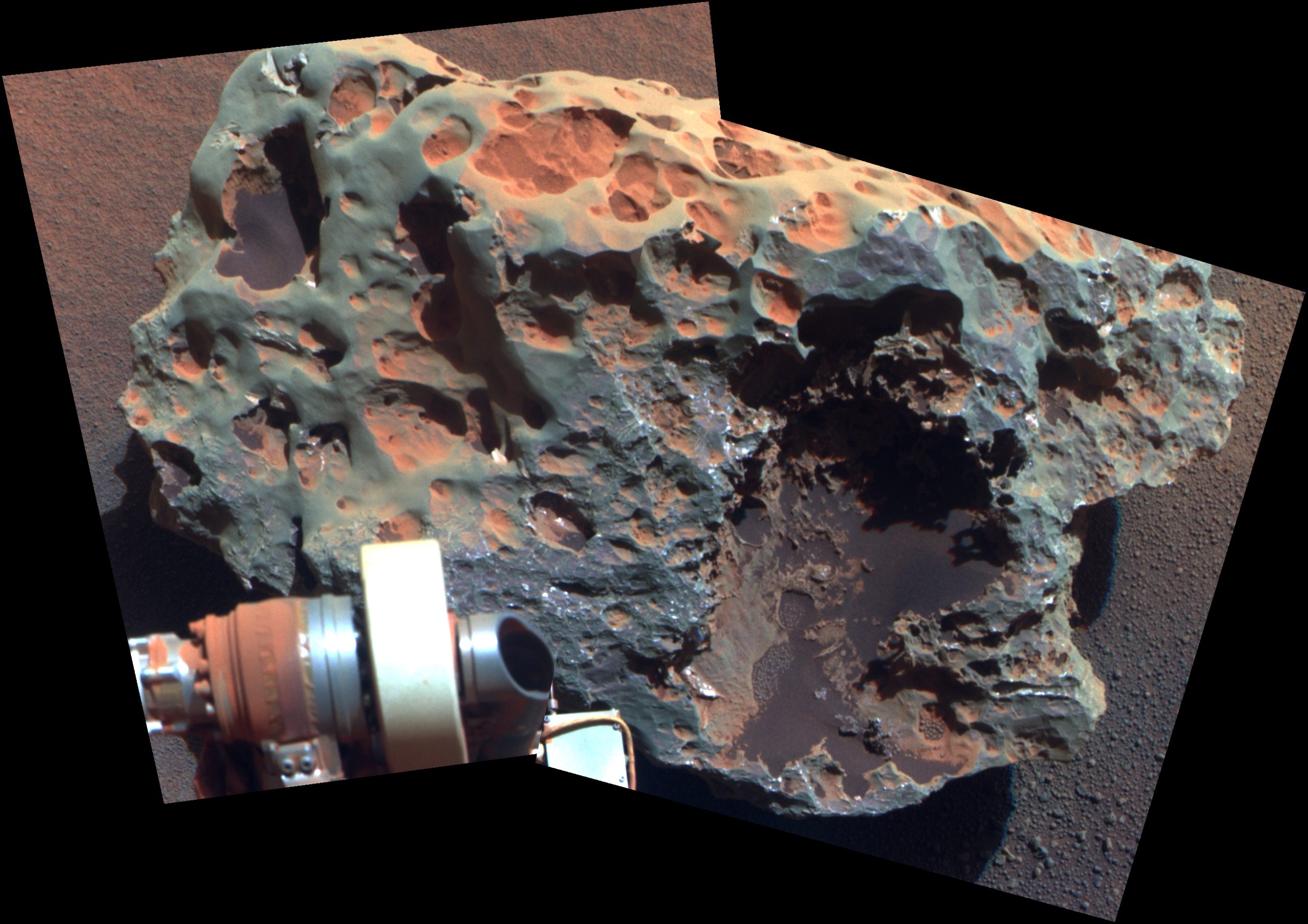
Robotic spacecraft like NASA’s Curiosity and Perseverance rovers on Mars, as well as the European Space Agency’s Rosetta mission, have been integrating AI technologies to assist in autonomous navigation and decision-making. The rovers use AI to assess terrain, identify scientific targets, and make decisions about where to go next based on real-time data. In environments like Mars, where communication delays from Earth can be as long as 20 minutes, real-time decision-making is crucial.

These robots are also able to use AI for analyzing images and samples, helping to identify important geological features or signs of life, without requiring human intervention. AI-powered systems on these rovers are crucial to operating in unknown and remote environments, where direct control is often not feasible.

2. AI in Spacecraft Navigation:
Autonomous Solutions for Outer Space | Advanced Navigation

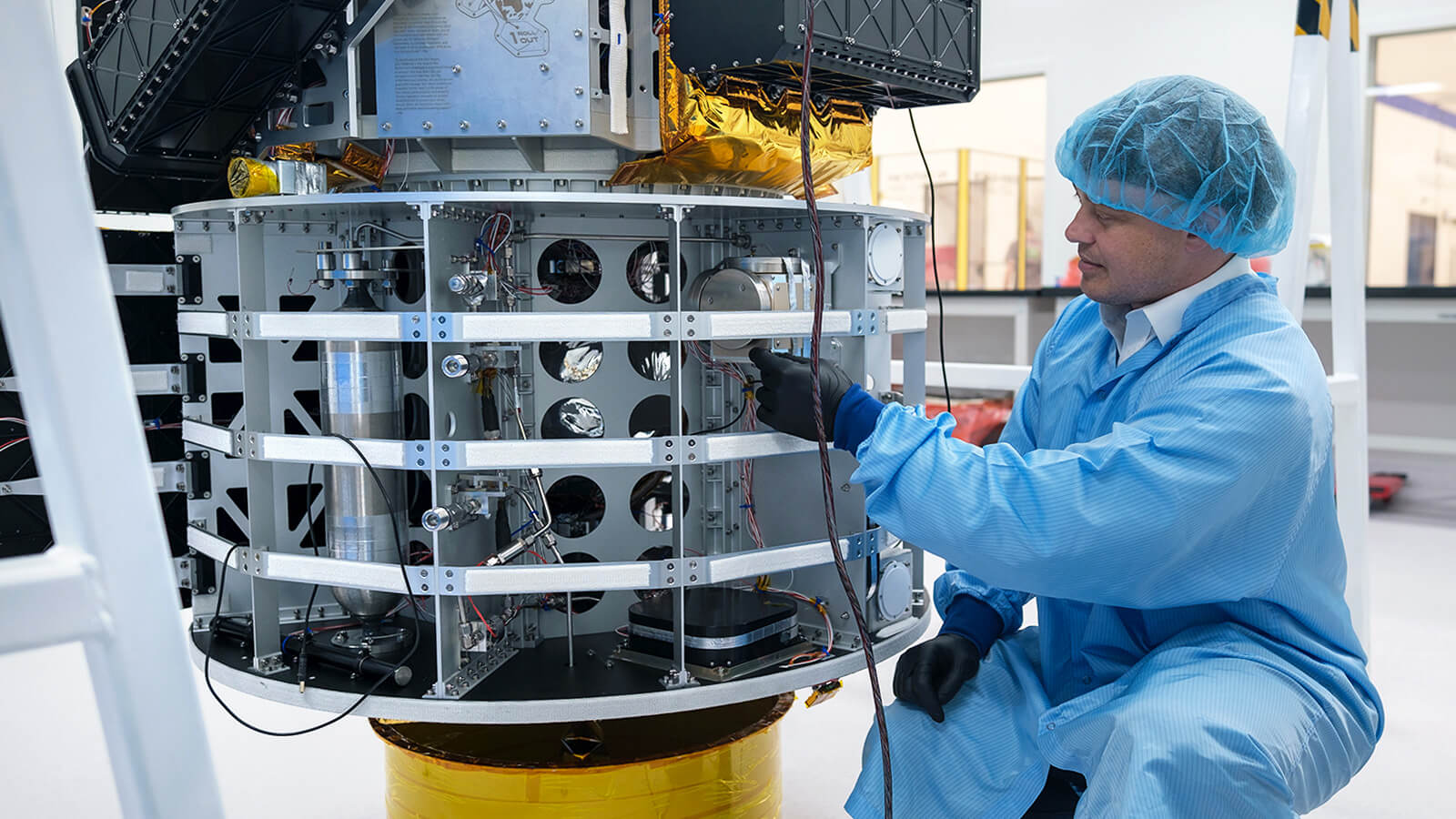
One area where AI excels is in spacecraft navigation. Space missions require precise course adjustments, sometimes involving millions of miles of travel. NASA’s Deep Space One and Dawn spacecraft used autonomous AI to carry out complex maneuvers, guiding themselves through deep space toward their destinations, including asteroids and distant planets.

AI algorithms can monitor spacecraft systems, check for malfunctions, and make decisions about when and how to repair or adjust these systems. Such capabilities could be crucial for future missions to planets, moons, or even the outer edges of the solar system, where human intervention is not possible.

3. Data Analysis and Processing:

Space missions generate massive amounts of data—far more than human scientists can process in real time. AI plays a pivotal role in sifting through this data, finding patterns, and making predictions. For example, AI has been used to analyze satellite data to study Earth’s climate, track weather patterns, and even monitor space weather, including solar flares and cosmic radiation.

With upcoming missions to distant planets, moons, and asteroids, AI will become even more important. AI can be used to process data from planetary surface scans, atmospheric readings, and astronomical observations far faster than human scientists can, flagging critical information for human review.

The Challenges of Using AI in Space Exploration

While the promise of AI in space exploration is vast, there are also challenges to integrating it into future missions. The very nature of space exploration—its unpredictability, harsh environments, and technological limitations—presents a unique set of obstacles.

1. Autonomy and Decision-Making:

AI’s capacity to make decisions without human input is one of its greatest strengths, but it also presents challenges. In a space mission, where conditions are constantly changing and there is no immediate feedback loop from Earth, AI systems need to be highly autonomous. This raises the issue of trust. Can mission planners trust AI to make decisions that could have profound consequences?

Moreover, even though AI systems can learn from past experiences and adapt, space missions often present entirely new scenarios. The ability of AI to handle unanticipated challenges and unknowns is a key hurdle to overcome. As AI systems become more advanced, however, their capacity for handling novel situations will improve.
To make Curiosity (et al.) more curious, NASA and ESA smarten up AI in  space - Ars Technica

2. Complexity of Space Environments:

AI’s reliance on data and sensors means that it needs to have access to a vast amount of reliable, high-quality data to function optimally. In space, this can be difficult due to the unpredictable nature of space environments—radiation, solar storms, and cosmic debris can all interfere with a spacecraft’s sensors or data transmission. Ensuring AI systems can cope with these variables is crucial for long-term success.

3. Communication Delays:

Space missions often face significant communication delays with Earth. For example, a signal from Mars can take anywhere from 13 to 24 minutes to reach Earth, depending on the planets’ relative positions. During this time, decisions that need to be made on the fly must be handled by onboard AI systems. While this reduces the need for real-time human intervention, it places a high degree of responsibility on the AI to make sound decisions without human oversight.

The Vision for AI in Future Space Missions

As AI continues to evolve, its role in future space exploration will likely expand significantly. The next generation of space missions—whether they be manned missions to Mars, missions to explore asteroids, or even voyages to distant exoplanets—could rely heavily on AI for autonomy, optimization, and problem-solving.

1. AI and Human-Manned Missions to Mars:

Human missions to Mars are perhaps the most high-profile space exploration goal in the coming decades. These missions will require the careful management of complex systems, life-support technologies, and navigation protocols. AI could play a critical role in all of these areas.

AI-powered assistants could support astronauts in various ways, from managing resources like oxygen and water to ensuring that the spacecraft systems are functioning optimally. More advanced AI could also take on the role of mission commander in emergencies—making autonomous decisions to ensure the safety and success of the crew.

AI could also be crucial for keeping astronauts mentally and physically healthy on long-duration missions. Intelligent companions or virtual assistants could help astronauts stay connected, manage stress, and maintain their well-being, while also helping with scientific research or everyday tasks.

2. Exploring Distant Worlds:

Exploration of the outer planets and moons of our solar system, such as Jupiter’s moon Europa or Saturn’s moon Titan, will require a high degree of automation. AI can support these missions by independently operating probes or rovers, analyzing data from distant and potentially hazardous locations, and even adjusting the mission parameters based on unexpected findings.

With the absence of immediate communication from Earth, these AI systems will need to be highly adaptable and capable of responding to rapidly changing environments. AI could even be used to evaluate the potential for life on these distant worlds, interpreting signs of habitability without waiting for human scientists to provide guidance.

3. AI and the Search for Extraterrestrial Intelligence (SETI):

One of the most exciting areas where AI can contribute is in the search for extraterrestrial life. AI algorithms could sift through vast amounts of astronomical data for signs of alien signals, quickly identifying patterns or anomalies that might otherwise go unnoticed. With powerful machine learning techniques, AI could uncover previously unseen signals and help astronomers make more accurate predictions about where to search next.

AI’s ability to learn from data and improve over time could make it a valuable tool in this ongoing search for answers to one of humanity’s most profound questions: Are we alone in the universe?

The Future of AI in Space Missions: A New Era of Exploration

AI’s potential to lead the next generation of space missions is undeniable. As the technology continues to advance, we can expect it to take on more and more critical roles in space exploration. From piloting autonomous spacecraft to leading scientific research efforts, AI is not just an assistant—it is becoming a key player in humanity’s quest to understand the universe.

The combination of AI and space exploration could lead to faster, more efficient missions, greater safety for astronauts, and deeper insights into the mysteries of the cosmos. Whether it’s supporting human astronauts on Mars or exploring the outer reaches of the solar system, AI has the potential to transform space exploration as we know it.


Tags: AI InnovationInnovationNASASpace ExplorationSpace technology
ShareTweetShare

Related Posts

How Does Space Radiation Affect Astronauts’ Health?
Space Exploration

How Does Space Radiation Affect Astronauts’ Health?

December 11, 2025
Can We Mine Asteroids for Resources in the Future?
Space Exploration

Can We Mine Asteroids for Resources in the Future?

December 10, 2025
Why Haven’t We Found Extraterrestrial Civilizations Yet?
Space Exploration

Why Haven’t We Found Extraterrestrial Civilizations Yet?

December 9, 2025
What if Earth’s Atmosphere Was Not Perfect for Life?
Space Exploration

What if Earth’s Atmosphere Was Not Perfect for Life?

December 6, 2025
Will We Ever Find a Parallel Universe Beyond Our Own?
Space Exploration

Will We Ever Find a Parallel Universe Beyond Our Own?

December 5, 2025
What Will Space Tourism Look Like in 50 Years?
Space Exploration

What Will Space Tourism Look Like in 50 Years?

December 4, 2025

Discussion about this post

  • Trending
  • Comments
  • Latest
Eternal Luminary: Humanity’s Perpetual Fascination with the Sun

Eternal Luminary: Humanity’s Perpetual Fascination with the Sun

November 5, 2024
The Race Heats Up: OpenAI Joins the AI-Powered Search Arena

The Race Heats Up: OpenAI Joins the AI-Powered Search Arena

October 16, 2024
The Canon DIGITAL IXUS Legacy: Redefining Photography with Style and Innovation

The Canon DIGITAL IXUS Legacy: Redefining Photography with Style and Innovation

November 2, 2024
A New Hope: Exploring KarXT’s Potential in Treating Alzheimer’s-Related Psychosis

A New Hope: Exploring KarXT’s Potential in Treating Alzheimer’s-Related Psychosis

December 5, 2024
The Lunar Symphony: Hal Clement’s Prophetic Fantasia

The Lunar Symphony: Hal Clement’s Prophetic Fantasia

Unlocking the Future with AI’s Latest Breakthroughs: A Journey into the Unchartered Frontier

Unlocking the Future with AI’s Latest Breakthroughs: A Journey into the Unchartered Frontier

The Transformative Power of Machine Learning: Shaping the Future of Technology and Beyond

The Transformative Power of Machine Learning: Shaping the Future of Technology and Beyond

The Emotional Intelligence of AI: Bridging the Gap Between Machines and Hearts

The Emotional Intelligence of AI: Bridging the Gap Between Machines and Hearts

Could Wearable Tech Unlock Hidden Human Abilities?

Could Wearable Tech Unlock Hidden Human Abilities?

December 11, 2025
Can AI Explore Parallel Universes Through Data?

Can AI Explore Parallel Universes Through Data?

December 11, 2025
How Does Space Radiation Affect Astronauts’ Health?

How Does Space Radiation Affect Astronauts’ Health?

December 11, 2025
Robotics: The Key to Overcoming Labor Shortages in Science?

Robotics: The Key to Overcoming Labor Shortages in Science?

December 11, 2025
techfusionnews

Discover the essence of innovation at "Tech Aggregator," where the latest in tech converges. From cutting-edge gadgets to cosmic ventures and green breakthroughs, our site offers a streamlined look at the future of technology. Engage with concise, impactful content designed for those eager to stay ahead in an ever-evolving digital landscape. Join us at the forefront of the tech revolution.

© 2025 techfusionnews.com. contacts:[email protected]

No Result
View All Result
  • Home
  • Digital Lifestyle
  • Green Tech & Wellness
  • AI
  • Space Exploration
  • Innovation & Research
  • All Tech

© 2025 techfusionnews.com. contacts:[email protected]

Welcome Back!

Login to your account below

Forgotten Password?

Retrieve your password

Please enter your username or email address to reset your password.

Log In