
























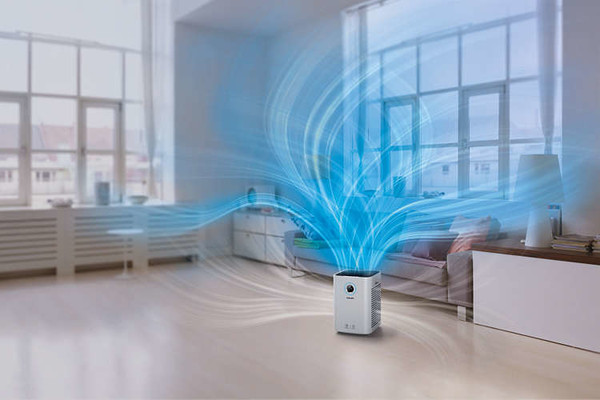
With the rapid advancement of industrialization and urbanization, air quality issues are increasingly receiving global attention. Indoor air pollution, especially in enclosed spaces, has become an important factor affecting human health. For this reason, scientists and engineers are constantly developing and improving air purification technologies to ensure indoor air quality. These new systems not only remove particulate matter, harmful gases, and microorganisms from the air, but also monitor air quality and intelligently regulate indoor environments. This article will explore the latest developments in these air purification technologies and their impact on indoor environments.
Progress in Air Purification Technology
1. Efficient particulate matter filtration system
Traditional air purifiers rely on HEPA filters to capture particulate matter in the air. Modern air purification technology has been optimized based on this, using more efficient materials and designs to improve the ability to capture small particles. For example, some new HEPA filters can capture particles as small as 0.1 micrometers, which is particularly important for reducing bacteria and viruses in the air.
2. Activated carbon adsorption technology
Activated carbon is widely used for adsorbing harmful gases in the air, such as formaldehyde, benzene, and volatile organic compounds (VOCs), due to its porous structure. The new air purifier, combined with activated carbon and other filtering materials, can more effectively remove harmful substances from indoor air.
3. Photocatalytic oxidation technology
Photocatalysts activated by ultraviolet light, such as titanium dioxide, can decompose organic pollutants in the air and convert them into harmless substances. This technology can not only remove odors and harmful gases, but also kill microorganisms such as bacteria and viruses.
4. Negative ion generator
A negative ion generator purifies the air by generating negative ions. Negative ions can combine with positive ions in the air, such as dust, pollen, and smoke particles, causing them to settle and purify the air. This technology also helps to improve the quality and freshness of indoor air.
5. Intelligent monitoring and control system
With the development of IoT technology, modern air purifiers can monitor indoor air quality in real-time and remotely control it through smartphone applications. These systems can automatically adjust the operation mode of the purifier based on indoor air quality, ensuring that indoor air is always in the best condition.
Impact on indoor environment
The application of the new generation air purification system has a significant improvement effect on indoor environment. Firstly, they can effectively reduce pollutants in indoor air, lowering the risk of respiratory diseases and other health issues. Secondly, these systems can improve indoor air quality and enhance living and working environments. In addition, the application of intelligent monitoring and control systems makes air purification more efficient and convenient.
Challenges Faced
Despite significant progress in air purification technology, there are still some challenges in its promotion and application. Firstly, the relatively high cost of efficient air purification systems may limit their popularity in low-income households and developing countries. Secondly, air purification technology requires regular maintenance and replacement of filter materials, which increases the cost and labor of long-term use. In addition, there is currently no clear solution on how to effectively handle and recycle used filter materials.
Future development direction
The future air purification technology will continue to develop towards higher efficiency, intelligence, and environmental friendliness. Researchers are exploring new materials and technologies to further improve the performance and reduce costs of air purifiers. Meanwhile, more comprehensive recycling and processing systems will also be developed to ensure the sustainability of air purification technology.
epilogue
With the development and application of new generation air purification technology, we are expected to breathe cleaner and healthier indoor air in the near future. These technological advancements can not only improve our living and working environment, but also combat the increasingly serious problem of air pollution. In the face of challenges, we need to continue promoting technological innovation while adopting effective policies and measures to promote the popularization and sustainable development of air purification technology.













Discussion about this post