





























With the increasingly serious problems of urban traffic congestion and air pollution, green travel has gradually become the key to sustainable development of global cities. Shared bicycles and electric scooters, as emerging green transportation methods, are rapidly becoming popular worldwide. They not only provide a convenient way of transportation, but also have a positive impact on environmental protection. This article will explore the impact of shared bicycles and electric scooters on the environment, and how they can help build a more sustainable urban transportation system.
The rise of shared bicycles and electric scooters
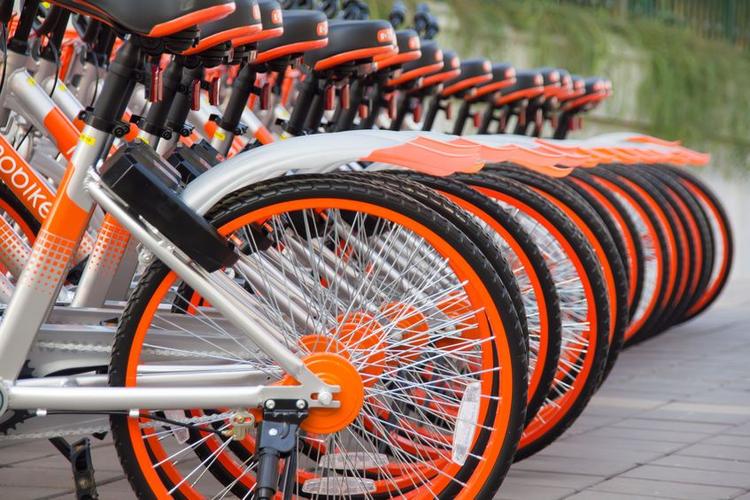
As part of the sharing economy, shared bicycles and electric scooters provide rental services through smartphone applications, allowing users to conveniently rent and park these vehicles anywhere in the city. This model is popular among many urban residents due to its convenience, flexibility, and economy.
Environmental Impact Analysis
1. Reduce carbon emissions
Shared bicycles and electric scooters provide a way of transportation that does not require burning fossil fuels. Compared to driving a car or taking a bus, they can significantly reduce emissions of carbon dioxide and other greenhouse gases. According to research, shared bicycles can save cities thousands of tons of carbon emissions annually.
2. Relieve traffic congestion
These lightweight transportation vehicles are particularly efficient for short distance travel and can replace car travel, thereby reducing road congestion. Traffic congestion not only affects the efficiency of urban operations, but also increases vehicle emissions, leading to a decline in air quality. The use of shared bicycles and electric scooters can help improve this situation.
3. Promote the transformation of energy structure
With the popularization of new types of transportation such as electric scooters, the energy structure of urban transportation is quietly changing. The electricity demand for these tools has prompted energy suppliers to increase their investment in renewable energy, thereby driving the entire society’s energy structure towards a cleaner and more sustainable direction.
4. Reduction of noise pollution
Compared to cars and motorcycles, shared bicycles and electric scooters produce almost no noise during operation, which helps reduce urban noise pollution and improve residents’ quality of life.
Challenges Faced
Although shared bicycles and electric scooters have a positive impact on the environment, they also face some challenges in the promotion process:
1. Service life and recycling issues
The service life of shared bicycles and electric scooters is relatively short, and how to effectively recycle and reuse them is a problem. The handling of batteries and other electronic components needs to follow environmental standards to avoid secondary pollution to the environment.
2. Urban management and planning
With the increasing number of shared bicycles and electric scooters, how to effectively manage and plan urban space to adapt to these new modes of transportation, avoid pedestrian congestion and parking chaos, is a problem that city managers need to consider.
3. Safety issues
The safety issues of shared bicycles and electric scooters cannot be ignored, including the risk of traffic accidents and the personal safety of users during use.
Future prospects
In the future, the technology of shared bicycles and electric scooters will continue to advance, with longer service lives and more efficient ways of recycling and reusing. Urban planning will place greater emphasis on the integration of these modes of transportation, providing them with more space and facilities. Meanwhile, with the improvement of regulations and standards, the safety of shared bicycles and electric scooters will be further enhanced.
epilogue
Shared bicycles and electric scooters, as representatives of green travel, play an important role in promoting the sustainable development of urban transportation. They not only help reduce environmental pollution and traffic congestion, but also promote the transformation of energy structure and the improvement of urban living quality. In the face of challenges, it is necessary for the government, enterprises, and the public to work together to promote the development of green transportation methods and strive to build more environmentally friendly and livable cities.













Discussion about this post