



































With the increasing impact of global warming on the environment, reducing greenhouse gas emissions has become an urgent task faced by countries around the world. Technological innovation plays a crucial role in addressing climate change, providing multiple effective methods to reduce greenhouse gas emissions. This article will explore how modern technology can contribute to global efforts to reduce emissions, as well as the effectiveness of these technologies in practical applications.
Clean energy technology
Clean energy technology is an important way to reduce greenhouse gas emissions. The utilization efficiency of renewable energy sources such as solar and wind energy is constantly improving through technological advancements. For example, the conversion efficiency of solar photovoltaic panels has improved with the development of materials science, resulting in a significant reduction in the cost of solar power generation. The design of wind turbines is becoming increasingly efficient, capable of generating electricity at lower wind speeds. In addition, other forms of clean energy such as ocean energy, geothermal energy, and biomass energy are also constantly developing.
Energy storage technology
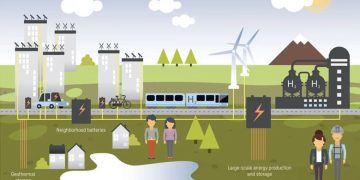
With the increase of renewable energy, energy storage technology has become particularly important. Battery storage technology, especially lithium-ion batteries and solid-state batteries, is constantly advancing, as they can more effectively store electricity generated from intermittent energy sources such as solar and wind power. Large scale energy storage solutions, such as flow batteries and compressed air energy storage (CAES), are also achieving more efficient energy management and supply stability.
Carbon capture and storage technology
Carbon capture and storage (CCS) technology is considered a key technology for reducing fossil fuel emissions. CCS involves capturing carbon dioxide generated during industrial processes and transporting it to safe geological storage facilities for long-term storage. Although cost and implementation complexity remain challenges, with the maturity and large-scale application of technology, CCS has the potential to play an important role in mitigating climate change.
Energy efficiency improvement technology
Improving energy efficiency is another effective way to reduce greenhouse gas emissions. In the field of architecture, intelligent building technology optimizes energy use and reduces waste through automated control systems. In the field of transportation, the popularity of electric vehicles has reduced reliance on fossil fuels, while intelligent transportation management systems reduce vehicle emissions by optimizing routes and reducing congestion.
Precision Agriculture Technology
Agriculture is one of the main sources of global greenhouse gas emissions. Precision agriculture technology optimizes planting patterns and resource utilization through the use of satellite imagery, sensors, and data analysis, thereby reducing the use of fertilizers and pesticides and lowering agricultural emissions. Meanwhile, these technologies can also improve crop yield and quality, enhancing the sustainability of agriculture.
Circular Economy and Waste Management
The circular economy model encourages the reuse and recycling of goods, reducing waste and emissions. By improving waste collection and treatment systems, as well as developing new recycling technologies, greenhouse gases generated from landfill and incineration can be reduced. In addition, waste conversion technologies, such as converting organic waste into biofuels or energy, also provide new ways to reduce emissions.
Smart Grid and Demand Response
Smart grid technology improves energy efficiency and the integration capability of renewable energy by monitoring and adjusting the operation of the power grid in real-time. The demand response program can regulate electricity consumption, reduce energy demand during peak hours, and thus reduce dependence on fossil fuel power generation.
epilogue
Technology plays a crucial role in helping the world reduce greenhouse gas emissions. From clean energy technology to smart grids, from precision agriculture to circular economy, these innovations not only help mitigate the impact of climate change, but also promote sustainable economic development. In the future, with the continuous advancement of technology and the reduction of costs, these solutions will be more widely applied globally, jointly building a low-carbon future.













Discussion about this post