



































Genetic engineering—once confined to the pages of science fiction—is now an area of scientific innovation, producing tangible results and pushing the boundaries of what was once thought possible. From genetically modified crops that promise to end hunger to CRISPR technology that allows precise editing of the human genome, we stand on the precipice of a new era. However, this brave new world is not without its ethical dilemmas. Are we truly ready to face the moral implications of genetic engineering?
In this article, we will explore the current state of genetic engineering, its potential benefits, the ethical concerns it raises, and whether society is prepared for the profound consequences of these advancements. As we examine the multifaceted nature of this issue, it becomes clear that while genetic engineering holds immense promise, we must tread carefully.
The Rise of Genetic Engineering
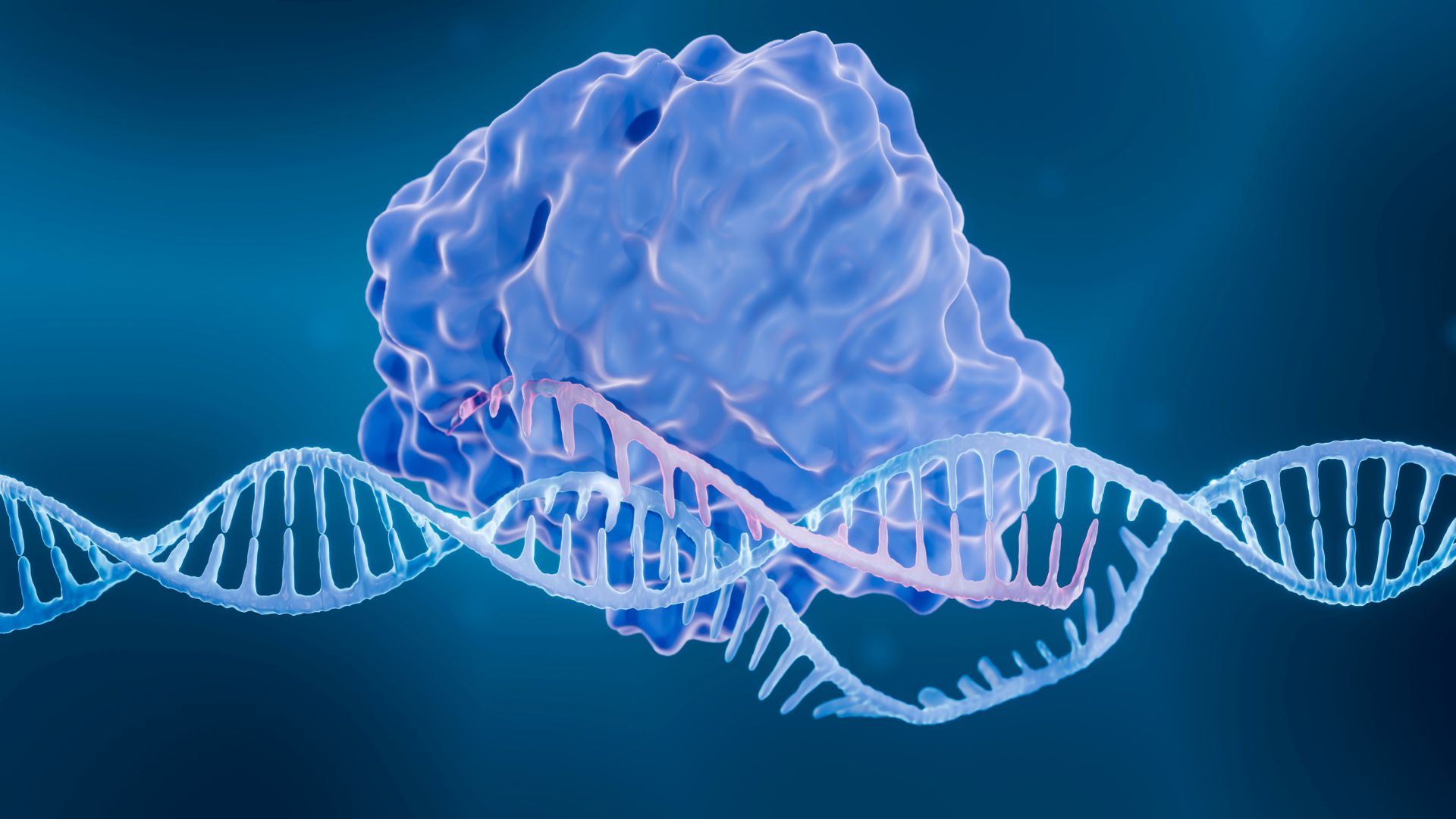
Genetic engineering refers to the direct manipulation of an organism’s genes using biotechnology. By modifying DNA sequences, scientists can enhance or alter specific traits in plants, animals, or even humans. The advent of tools like CRISPR (Clustered Regularly Interspaced Short Palindromic Repeats) has revolutionized the field, enabling precise edits to the genetic code that were previously unimaginable.
Initially, genetic engineering gained prominence in agriculture. Genetically modified (GM) crops were developed to resist pests, tolerate harsh environmental conditions, or provide enhanced nutritional content. Over time, the scope of genetic engineering expanded, leading to the creation of genetically modified animals, and even the exploration of human gene editing.
While these developments have already made a significant impact in various sectors, the ethical implications are complex and far-reaching.
The Promise of Genetic Engineering
1. Agricultural Innovation
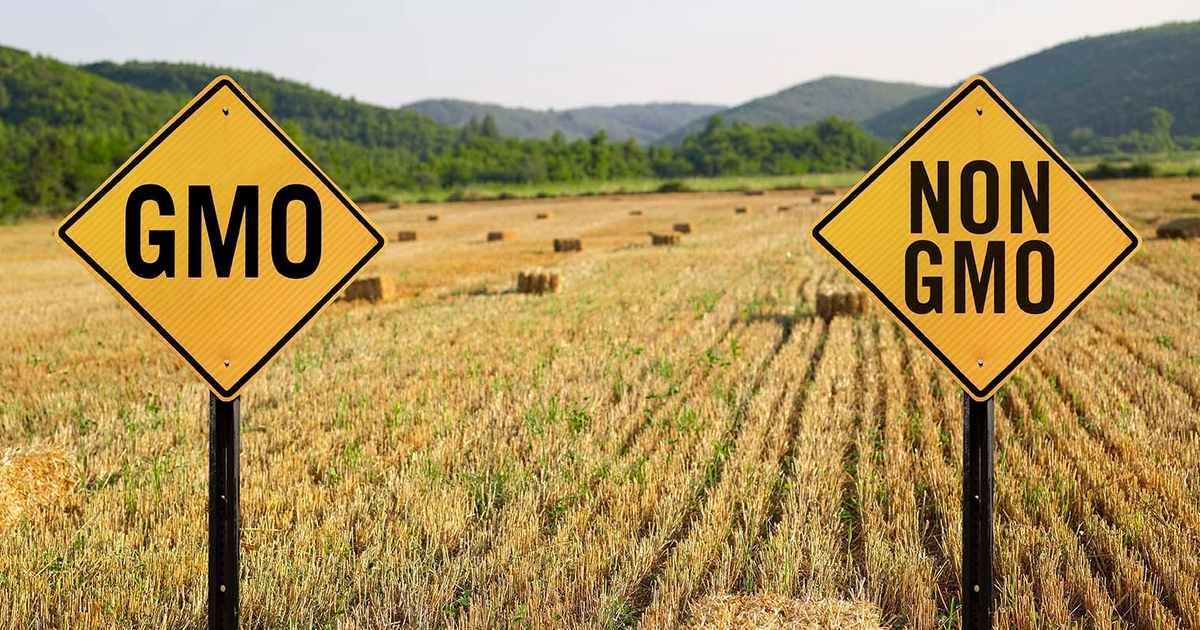
One of the most widely recognized benefits of genetic engineering lies in agriculture. Genetically modified crops, such as Bt cotton and Roundup Ready soybeans, have become staples in farming worldwide. These crops are engineered to resist pests or herbicides, increasing yields and reducing the need for chemical pesticides. In a world where food security is a growing concern, GM crops offer a potential solution to hunger and malnutrition, particularly in developing countries.
In addition to pest resistance, genetic engineering holds the potential to create crops with enhanced nutritional content. Golden Rice, for example, is genetically modified to contain higher levels of vitamin A, which can help combat vitamin A deficiency in developing regions.

2. Medicine and Human Health
In the realm of medicine, genetic engineering has already led to groundbreaking innovations. Gene therapy is being used to treat a variety of genetic disorders, such as cystic fibrosis, sickle cell anemia, and certain types of inherited blindness. By correcting the genetic mutations at the root of these diseases, gene therapy holds the potential to cure conditions that were once considered incurable.
Additionally, genetic engineering has paved the way for personalized medicine. By sequencing an individual’s genome, doctors can tailor treatments to their unique genetic makeup, increasing the effectiveness of drugs and minimizing side effects. The ability to customize medical care based on genetic information has the potential to revolutionize healthcare.
3. Environmental Solutions
Genetic engineering is also seen as a promising tool in addressing environmental challenges. For instance, scientists are experimenting with genetically modified organisms (GMOs) to help clean up pollution. Certain bacteria and fungi have been engineered to break down toxic chemicals in the environment, offering a potential solution to environmental contamination.
In the context of climate change, genetic engineering could play a role in creating crops that are more resilient to drought, extreme temperatures, or flooding. As climate conditions become increasingly unpredictable, genetically engineered plants and animals may be crucial in ensuring global food security.
The Ethical Dilemmas of Genetic Engineering
While the potential benefits of genetic engineering are significant, the ethical concerns surrounding these technologies are equally profound. As we push the boundaries of genetic manipulation, we must consider the moral implications of these actions.
1. “Playing God”: Human Gene Editing
One of the most contentious ethical issues surrounding genetic engineering is the prospect of editing the human genome. The ability to modify human genes, especially through technologies like CRISPR, raises profound questions about the extent to which we should intervene in the natural genetic process.
For example, germline editing, which involves altering the DNA of embryos, has the potential to eliminate genetic diseases before birth. While this could prevent suffering and improve quality of life, it also raises the issue of designer babies—where genetic traits like intelligence, physical appearance, or athletic ability could be selected. Such genetic modifications could create a divide between the genetically enhanced and those who remain unchanged, exacerbating social inequalities.
The ethical dilemma here is whether it is morally acceptable to make permanent changes to the human genome for reasons beyond medical necessity. Should we be able to decide what traits future generations will inherit? This question touches on deeper philosophical issues about human nature, free will, and the potential consequences of playing with the fundamental building blocks of life.
2. Genetic Discrimination
As genetic engineering and gene editing technologies become more advanced, there is the potential for genetic discrimination. Employers, insurance companies, and even governments could use an individual’s genetic information to make decisions about employment, health coverage, or other rights and privileges. For instance, individuals with genetic predispositions to certain diseases might be denied health insurance or face employment discrimination.
The fear is that genetic information could be used as a form of social stratification, leading to a society where individuals are judged not only by their abilities and achievements but by their genetic makeup. The potential for genetic discrimination raises concerns about privacy, fairness, and equality.
3. Environmental Impact and Unintended Consequences
While genetically modified crops and organisms offer many benefits, they also carry risks that are not yet fully understood. The long-term effects of releasing genetically modified organisms into the environment are still uncertain. For example, genetically engineered crops might cross-pollinate with wild relatives, potentially creating hybrid plants that could disrupt ecosystems.
Similarly, the use of genetically modified bacteria to clean up pollution could have unintended consequences. While these organisms might help in the short term, their long-term impact on the environment could be unpredictable. The introduction of genetically modified organisms into natural ecosystems could have cascading effects that are difficult to anticipate.
4. Equity and Access to Technology
Another ethical concern is the potential for genetic engineering to widen existing social and economic inequalities. Access to gene editing and genetic therapies is currently limited, with wealthy individuals and nations having greater access to these technologies. If genetic engineering becomes a tool that is only available to the privileged few, it could exacerbate global inequality.
In the context of human gene editing, there is also the issue of whether the rich could use these technologies to create genetically superior children, further entrenching social hierarchies. The question then becomes: Who benefits from genetic engineering, and at what cost to society as a whole?
Are We Ready to Navigate These Ethical Challenges?
As genetic engineering technologies continue to advance, society must grapple with the ethical dilemmas they present. We are not only confronting scientific challenges but also philosophical and moral questions that require careful thought and deliberation.
The rapid pace of innovation means that we must move forward with caution. While genetic engineering offers great promise, it is crucial that we establish clear ethical guidelines and regulatory frameworks to govern its use. This includes ensuring that the benefits of genetic engineering are shared equitably and that the potential harms are mitigated.
Moreover, public discourse and democratic decision-making will play a vital role in shaping the future of genetic engineering. It is essential that all stakeholders—scientists, ethicists, policymakers, and the public—engage in open dialogue about the direction of genetic research and its societal implications.
Ultimately, the question is not just whether we can edit genes, but whether we should. As we stand on the edge of a new genetic frontier, we must ask ourselves: Are we truly ready for the ethical dilemmas of genetic engineering?













Discussion about this post