
























In recent years, forest therapy—also known as Shinrin-yoku—has become a popular method for stress relief and mental wellness. Rooted in Japan, this practice invites individuals to immerse themselves in natural forests, encouraging them to engage all their senses while reducing stress and promoting physical health. But imagine if this time-honored practice, long associated with tranquility and mindfulness, were to merge with the cutting-edge advancements of sustainable technology? Could such a fusion elevate the therapeutic benefits of forest therapy, or perhaps redefine how we engage with nature itself?
This article explores the potential of blending sustainable technology with forest therapy, examining the impact on both human well-being and environmental health. From tech-enabled healing to green innovations in forest management, let’s dive into the future where nature and technology coexist for the greater good.
The Essence of Forest Therapy
Before diving into the tech-driven possibilities, it’s important to understand the core benefits of forest therapy. Originating in Japan in the 1980s, Shinrin-yoku has since spread globally as a scientifically supported method of stress reduction. The act of walking in a forest—without a set agenda—encourages individuals to slow down, breathe deeply, and connect with the surroundings in a way that modern life rarely allows.
Studies have shown that spending time in nature, particularly forests, can lower blood pressure, reduce cortisol levels, boost immune function, and improve mental clarity. Moreover, nature exposure has been linked to greater feelings of happiness, creativity, and overall emotional well-being. It’s a holistic form of healing that goes beyond mere relaxation; it nurtures a profound connection between humans and the environment.
In short, forest therapy isn’t just about a leisurely walk; it’s an experience that activates multiple senses—sight, sound, smell, touch, and even taste. By tuning into these sensory cues, individuals can disconnect from the digital noise and pressures of daily life, grounding themselves in the physical world.
The Role of Technology in Forest Therapy: A Green Revolution?
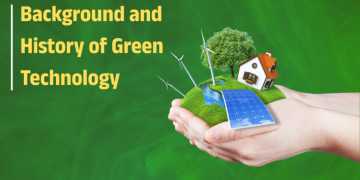
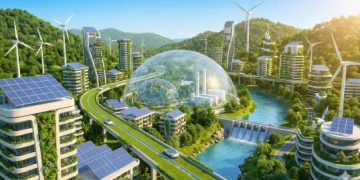
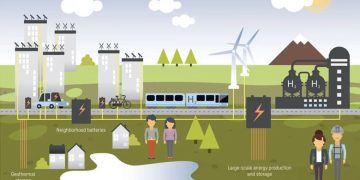
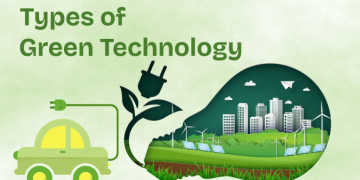
Now, let’s imagine a world where this practice is enhanced with the power of sustainable technology. Sustainable tech refers to innovations and technologies that aim to reduce human environmental impact while promoting ecological health. This encompasses everything from renewable energy to eco-friendly products, as well as technologies designed to monitor, preserve, and regenerate the natural world.
The fusion of sustainable tech with forest therapy could create a multi-layered experience, blending ancient wisdom with future-forward solutions. From digital tools that guide mindfulness practices to low-impact technologies that monitor forest health, the potential applications are vast.
Digital Integration: Guided Mindfulness Meets Augmented Reality

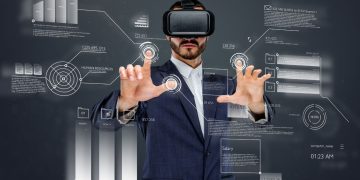
One of the first ways that sustainable technology could power forest therapy is through augmented reality (AR) and virtual reality (VR) experiences that guide participants through their nature immersion. These technologies can enhance the sensory experience of forest therapy by adding layers of auditory and visual stimuli designed to deepen mindfulness practices.
Imagine an AR application on your smartphone or wearable device that generates soundscapes mimicking the sounds of a forest environment. The device could provide calming birdsong, rustling leaves, or the sound of distant streams—all synced to your movement through the forest. By incorporating real-time data, such as heart rate or stress levels, the app could adjust the audio experience to optimize relaxation and mindfulness.
For individuals who may not have direct access to a forest but still wish to benefit from forest therapy, VR environments could simulate the forest atmosphere. VR headsets could transport users to lush green spaces, complete with 3D binaural sounds, soft lighting effects, and interactive elements that invite users to explore the virtual forest with full immersion.
But these technologies wouldn’t be limited to just the therapeutic experience; they could also be designed with sustainability in mind. Devices using low-power consumption, solar-powered AR glasses, or biodegradable VR headsets would reduce the environmental impact of the very technologies designed to connect us with nature.
Smart Forests: IoT and Data for Environmental Preservation
For forest therapy to thrive in the long term, the very ecosystems that support it must be preserved. The Internet of Things (IoT) and big data can play a significant role in monitoring and managing forests, making them more resilient and better able to withstand environmental pressures.
Imagine walking through a forest that is not only designed for human relaxation but also equipped with sensors that monitor air quality, temperature, humidity, and soil health. These sensors could provide real-time data to both the forest managers and visitors. Visitors could even receive notifications about optimal conditions for therapy, such as areas where the air quality is particularly high or sections of the forest that have the most biodiversity.
On a broader scale, data collected through IoT devices could be used to track deforestation, biodiversity loss, and climate change impacts. This information could help forest management professionals make better decisions regarding conservation efforts and the restoration of forested areas. For example, IoT devices might monitor tree health, detect diseases early, or alert to the presence of invasive species, enabling quick intervention before further damage occurs.

Sustainable tech could thus contribute to the protection of these spaces, ensuring that forests remain thriving hubs of biodiversity and wellbeing for future generations to enjoy.
Eco-Friendly Infrastructure for Forest Therapy Centers
While traditional forest therapy is inherently low-tech, incorporating sustainable infrastructure into the physical spaces designed for therapeutic experiences could enhance both the visitor experience and the health of the surrounding environment.
Eco-lodges, wellness retreats, and forest therapy centers could be powered by renewable energy sources like solar and wind. Buildings could be constructed from natural, sustainable materials such as bamboo or recycled wood, and designed to blend seamlessly with their surroundings.
Green architecture principles could be applied to create spaces that support mindfulness and relaxation. For example, the center could feature floor-to-ceiling windows that allow natural light to flood the space, promoting a connection to the outside world even when indoors. Water-saving technologies, composting systems, and energy-efficient lighting would ensure that the carbon footprint of these spaces remains minimal.
Additionally, forest trails and therapy areas could incorporate sustainable transportation options, such as electric shuttles or bicycles, reducing reliance on fossil fuels and promoting eco-friendly travel to and from the center.
The Healing Power of Biophilic Design and Sustainability
Biophilic design—an architectural and design principle that seeks to connect people with nature—has gained significant attention in recent years. By integrating natural elements into our built environments, biophilic design not only improves aesthetics but also enhances physical and mental well-being. Imagine a forest therapy center where every aspect, from the layout of the building to the materials used, fosters a sense of deep connection to the natural world.
Incorporating living walls, indoor plants, water features, and natural textures can help create a healing environment that mirrors the tranquility of the forest. The use of sustainable materials, such as responsibly sourced wood, stone, and bamboo, further reinforces the connection to nature and ensures that the environmental footprint of the space remains as low as possible.
By fostering spaces where people can physically and mentally recharge, sustainable biophilic design could complement forest therapy by creating environments that encourage reflection, healing, and relaxation.
Community-Driven Sustainable Forest Therapy
Sustainability isn’t just about technology—it’s also about creating systems and communities that promote long-term well-being. Forest therapy, when combined with community-driven efforts, could help foster a collective sense of environmental stewardship.
For example, forest therapy programs could be designed to engage local communities in forest conservation efforts. Visitors could participate in volunteer activities such as tree planting, trail maintenance, or habitat restoration, all while learning more about the ecosystems they are helping to preserve.
In this sense, sustainable technology could empower local communities by providing them with tools to manage and protect their natural resources. Technologies like drone-assisted forest monitoring or GIS mapping systems could support communities in the sustainable management of local forests, ensuring their protection while fostering economic and social benefits.
The Future of Forest Therapy and Sustainable Technology
The potential for combining forest therapy with sustainable technology is boundless. As our understanding of environmental and mental health deepens, the integration of technology into natural spaces could make forest therapy more accessible, impactful, and sustainable.
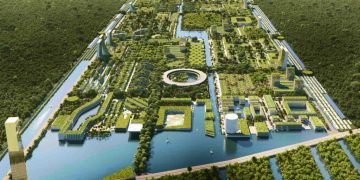
Imagine a world where therapeutic forests are not just healing sanctuaries for individuals but hubs of environmental innovation and community collaboration. Technology, used responsibly and sustainably, could enhance the benefits of nature without compromising the integrity of the ecosystems that provide it.
By making forest therapy more accessible, scalable, and aligned with ecological stewardship, we may one day realize a future where technology and nature work hand-in-hand to support human and environmental health. And perhaps, in this future, we can foster a more profound connection to the earth—a relationship that is both healing and sustainable for generations to come.













Discussion about this post