
























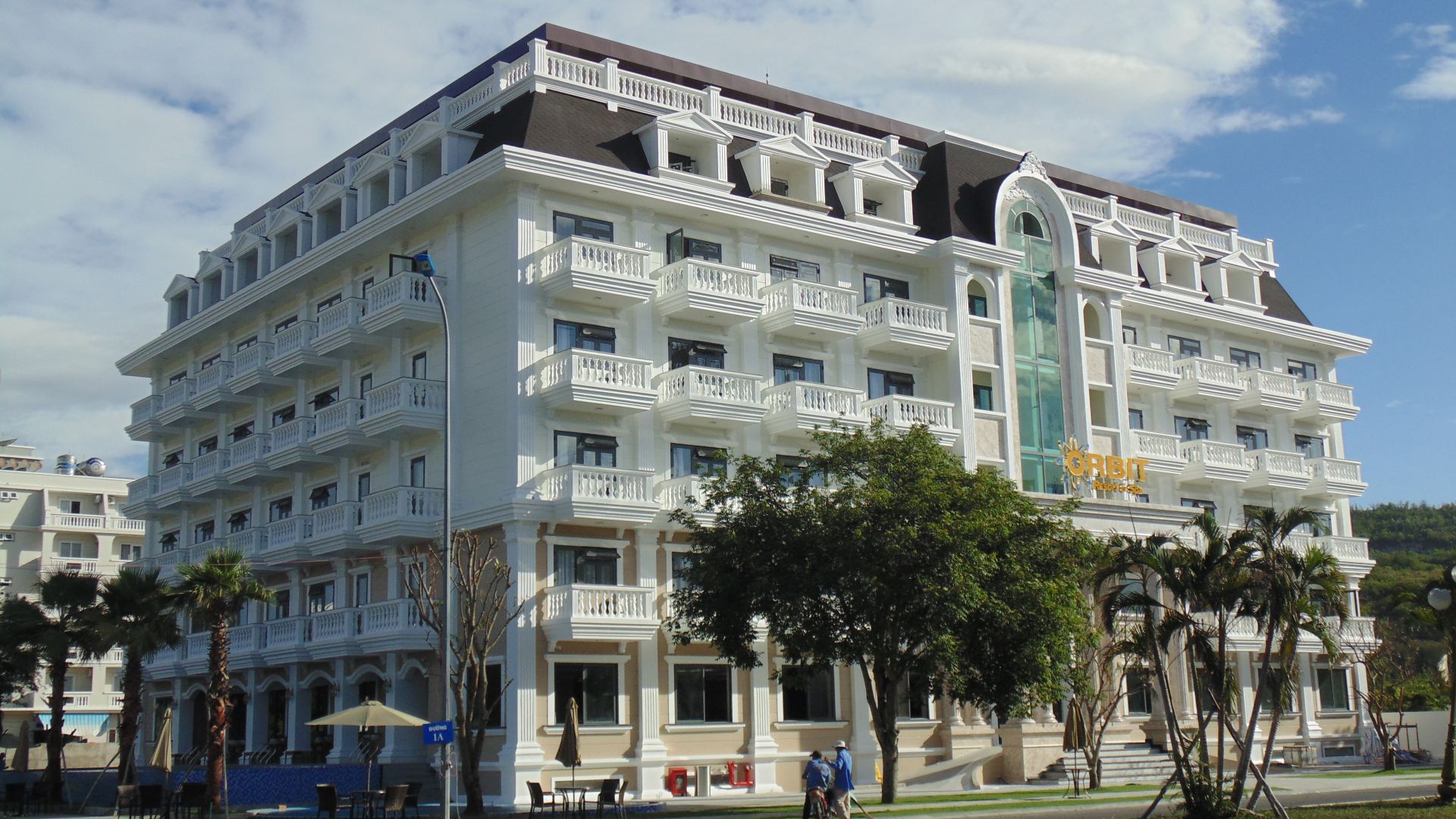
Space tourism has long been the stuff of science fiction, evoking images of adventurous astronauts zooming past planets and gazing at the Earth from above. But with the rapid advancements in technology, private companies like SpaceX, Blue Origin, and Virgin Galactic are now making that dream a reality. While we are still in the infancy of this industry, the trajectory suggests that in the next 50 years, space tourism could evolve into a thriving, mainstream industry. In this article, we will explore the future of space tourism, diving into technological innovations, sustainability concerns, and the potential societal impact of humanity becoming an interplanetary species.
The Dawn of Commercial Space Travel
In the early 21st century, space tourism was more of a novelty. The first space tourists—mostly wealthy individuals—were flown into space by Russian Soyuz spacecraft, a costly adventure that could only be afforded by a select few. These excursions were brief, lasting only a few days, and the price tag was astronomical—$20 million or more for a trip to the International Space Station (ISS).
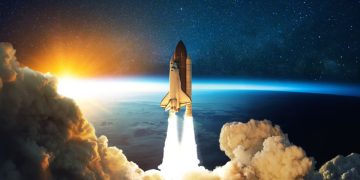
However, the pace of progress has accelerated dramatically over the past few decades. Companies like SpaceX and Blue Origin have introduced reusable rockets, drastically reducing the cost of space travel. SpaceX’s Starship, capable of carrying 100 passengers to low Earth orbit (LEO), represents one of the most significant breakthroughs, as it promises to make space travel more affordable and efficient. This change is opening the door to a broader audience of space tourists—beyond just the ultra-rich.
The Future of Spacecraft: From Rockets to Spaceplanes
In 50 years, the design of spacecraft will likely evolve significantly, moving away from traditional rockets to more advanced, reusable vehicles. Today’s spacecraft are optimized for getting from the Earth’s surface into orbit, but the future will demand much more. Space tourists will not just want a ride into space—they will want comfort, convenience, and an experience that is unlike anything they can get on Earth.
Hypersonic Spaceplanes
One possibility is the development of hypersonic spaceplanes, which could function like airplanes but with the ability to travel at speeds that break the sound barrier and beyond. These vehicles could take off from conventional airports and reach space without the need for traditional rocket launches. Powered by advanced ion or fusion propulsion systems, spaceplanes could dramatically reduce travel time and cost, making space tourism accessible to a larger population.
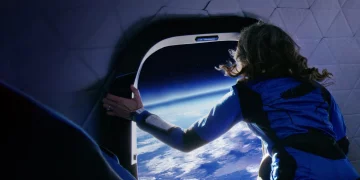
By 2075, it’s conceivable that commercial spaceports could be as common as airports today. With vertical takeoff and landing (VTOL) capabilities, these spaceplanes might shuttle tourists from Earth’s surface directly into the upper atmosphere, where they would transition into orbit. Rather than traveling in a cramped capsule, passengers could experience space in a luxury setting—complete with panoramic windows, zero-gravity rooms, and high-tech entertainment systems.
Space Stations and Orbital Resorts
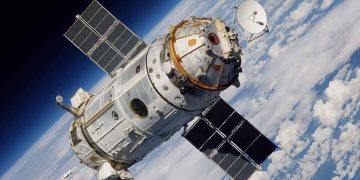
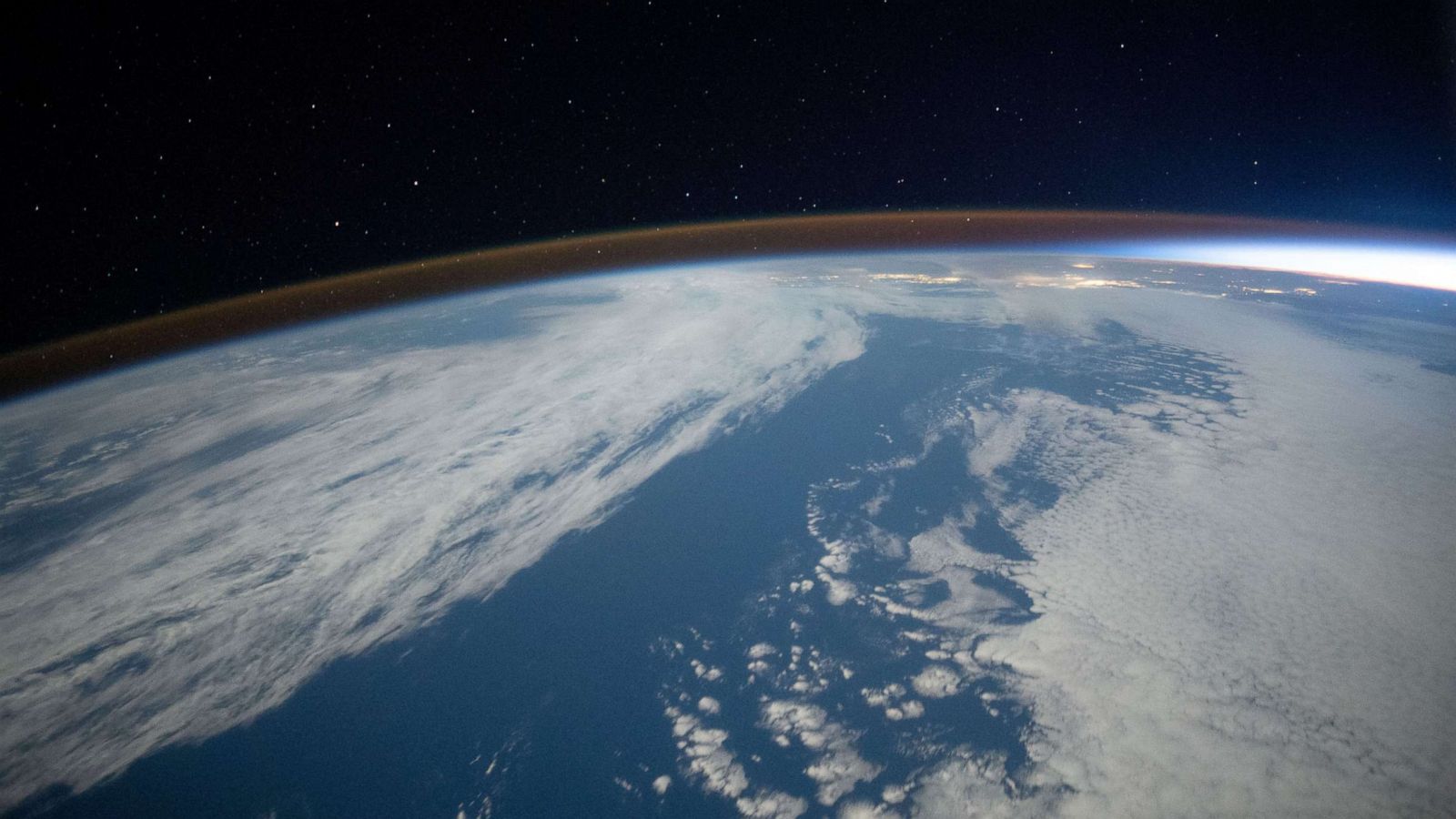
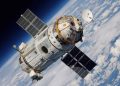
As space travel becomes more routine, the next step will be the creation of permanent infrastructure in orbit. Think of them as luxury hotels that float in space. The International Space Station (ISS) is currently the only operational space station, but it is primarily focused on scientific research. In the future, space stations will become hubs for tourism and leisure.
A fully functional orbital resort could offer tourists breathtaking views of Earth while they relax in weightlessness. These stations would be equipped with everything from high-end restaurants and swimming pools to shopping malls and observation decks. In addition, passengers would be able to experience zero-gravity recreation, like weightless sports and acrobatics, further enhancing the novelty of space travel.
The rise of orbital hotels will likely be driven by private companies, with international collaboration playing a role in funding and managing the stations. These orbital resorts could also serve as launching pads for longer journeys to the Moon, Mars, and beyond, creating a new sector of space exploration that is not solely focused on scientific discovery but on commercial tourism as well.
The Cost of Space Travel: Will Space Be Affordable for All?
While the dream of space tourism has come a long way in a short period, the biggest question remains: will space be affordable for more than just billionaires and elites? Currently, a ticket to space can cost anywhere from $250,000 for a brief suborbital flight to millions for extended missions to the ISS. But as technology improves and economies of scale take effect, it’s plausible that prices could drop significantly.
A key factor in reducing the cost of space travel will be the widespread use of reusable rockets. SpaceX’s Starship, for example, is designed to be fully reusable, with the goal of dramatically lowering the cost per launch. This is the future of space travel: rapid, frequent, and inexpensive.
Subsidizing Space Tourism
Governments and private companies alike may introduce subsidies or financing options to make space tourism more accessible to the public. Just as air travel went from a luxury experience to a routine mode of transportation for the masses in the 20th century, space tourism may follow a similar path. With the emergence of commercial spaceflight, there could be new policies or programs to make space travel more equitable, perhaps with discounts for students, scientists, or young innovators.
If space tourism is to become a part of everyday life, efforts will be needed to bridge the gap between the wealthy few who can afford it today and the middle class of tomorrow. The key will be making the experience of traveling to space as efficient, cost-effective, and automated as possible.
The Environmental Impact: Can We Travel to Space Sustainably?
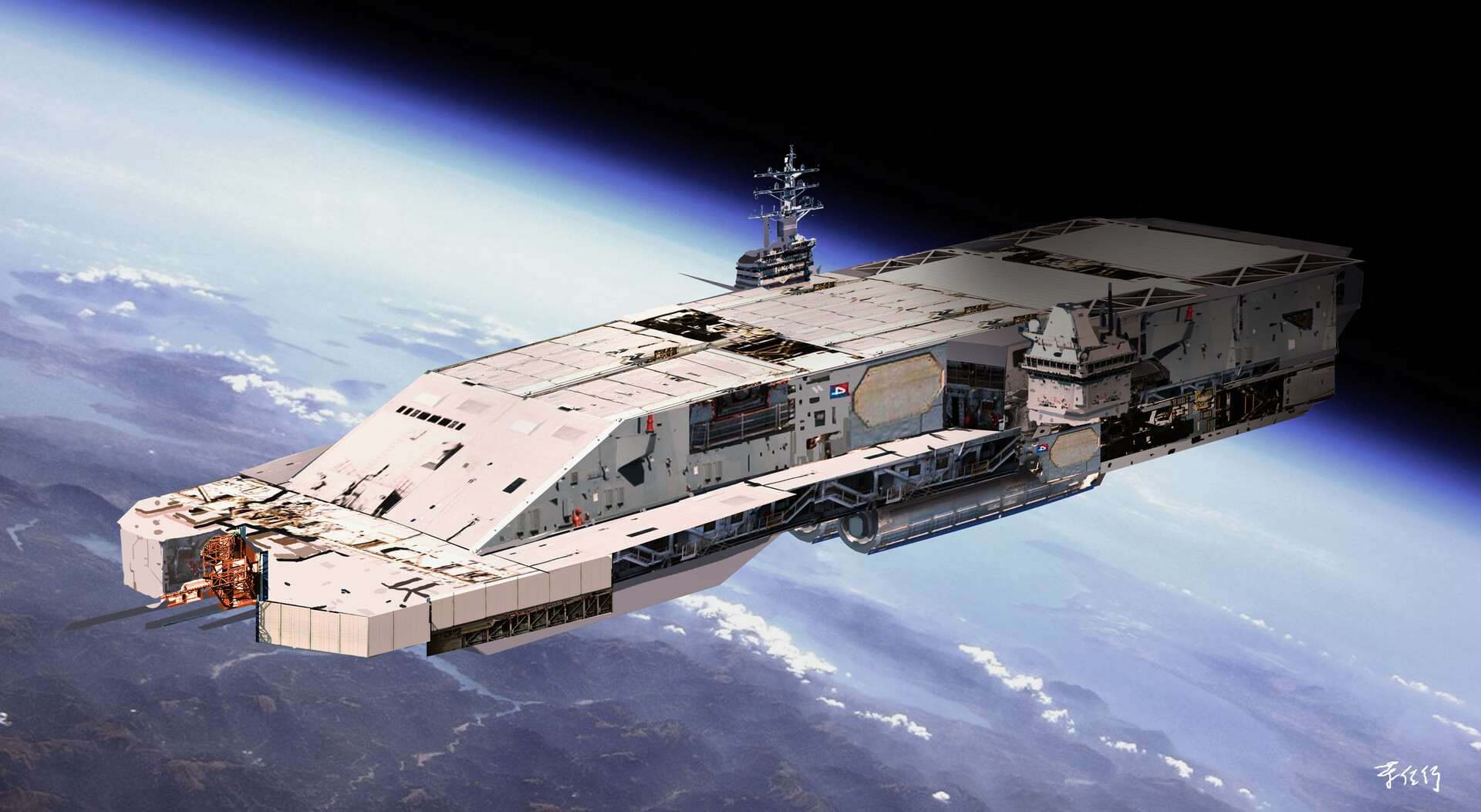
One of the most pressing concerns in the development of space tourism is its environmental impact. Space travel, like air travel, relies on large amounts of energy and creates significant carbon emissions. Rockets, in particular, produce emissions when launching, with some estimates suggesting that a single rocket launch could release more carbon dioxide into the atmosphere than an entire year’s worth of emissions from an average car.
As the industry matures, the challenge will be to balance the thrill of space tourism with the need to protect the Earth’s environment. One potential solution is the development of green rocket technology. Researchers are already exploring eco-friendly alternatives to traditional rocket fuels, including liquid hydrogen and methane, which could help reduce the carbon footprint of space travel.
In the long term, there may be innovations in space propulsion that are entirely carbon-neutral. Fusion propulsion, which harnesses the power of atomic nuclei, could provide a nearly limitless and clean energy source for deep space missions, while also reducing the reliance on Earth’s natural resources.
Space Tourism and Earth Preservation
Ironically, space tourism may have a role in helping to protect our planet. The view of Earth from space—often referred to as the “Overview Effect”—has been shown to inspire a profound sense of environmental stewardship. Tourists who experience the fragility and beauty of Earth from orbit may become more invested in preserving it for future generations.
Additionally, the development of space-based technologies like solar power generation and asteroid mining could provide solutions to resource scarcity on Earth. Space tourism could, in this way, contribute to humanity’s long-term sustainability both in space and on our home planet.
The Social and Cultural Implications of Space Tourism
In 50 years, space tourism may not only be about the physical journey but also the societal and cultural changes it brings. Today, space travel is largely the domain of astronauts, scientists, and military personnel. However, as space tourism becomes more mainstream, it could have profound effects on how humanity views itself and its place in the universe.
Changing Our Perspective
One of the most significant effects of space tourism could be the change in perspective it brings. The ability to see Earth as a fragile blue dot floating in the vastness of space could shift our collective worldview. It could foster a greater sense of unity and responsibility for the planet and its inhabitants, as people from all walks of life come together in a shared experience of space exploration.
As space travel becomes more commonplace, it could also become a tool for personal transformation. The journey to space could be viewed as a rite of passage, a way for individuals to challenge themselves and confront existential questions about life, the universe, and everything in between.
Space as a New Frontier for Human Settlements
While the focus of space tourism will initially be on suborbital and orbital flights, the long-term vision is far more ambitious. In 50 years, human settlements on the Moon or Mars may no longer be the stuff of dreams but a reality. Private companies could play a significant role in establishing colonies on the Moon or Mars, with tourism being a key component of these off-world ventures.
Living on the Moon or Mars may not be the same as living on Earth, but the allure of experiencing life beyond our planet could become an important motivator for those seeking to travel to distant worlds. Lunar resorts, Martian hotels, and off-world communities could become popular destinations, offering an entirely new form of tourism—one that combines exploration, survival, and luxury.
Conclusion: A New Age of Exploration
In 50 years, space tourism will likely be a common, mainstream activity that offers extraordinary experiences for a diverse group of people. The technological, environmental, and societal advances we make in the next few decades will determine how accessible, sustainable, and transformative this new form of travel will be.
As space tourism evolves, it may serve not just as a source of adventure and entertainment but as a powerful tool for broadening human understanding and advancing our collective goals. The question is no longer whether we will travel to space—but how soon we can make it part of everyday life.











Discussion about this post