










In recent years, deepfake technology, often associated with the manipulation of video and audio, has emerged as a fascinating tool for artists in the realm of digital art. While it’s commonly known for its controversial uses in media and entertainment, deepfake has quietly found its place in the creative landscape. This cutting-edge technology has the potential to radically transform how art is produced, experienced, and even understood. But can deepfake technology revolutionize digital art? Let’s explore this exciting intersection of technology, creativity, and visual culture.
The Evolution of Digital Art and the Rise of AI
Digital art has come a long way since its early days of pixelated creations and basic graphic design tools. Today, the realm of digital art encompasses everything from digital painting to 3D modeling, augmented reality (AR), and even virtual reality (VR). However, these tools—while revolutionary—still rely heavily on human input and creativity. Artists have to master software and design principles to create something compelling.
The rise of artificial intelligence (AI) and machine learning has further propelled digital art into uncharted territory. Artists now have access to tools that can analyze and replicate styles, generate new images from scratch, or even help in the creation of intricate and impossible-to-create designs. AI-generated art platforms like DALL·E and Runway ML have already demonstrated how neural networks can mimic human artistic expression with uncanny accuracy.
Deepfake technology, a subset of AI, has been primarily used to manipulate existing video footage, replacing faces and voices with those of others. While this raises ethical and societal concerns—such as misinformation or privacy violations—its capabilities extend far beyond these boundaries, particularly in the world of digital art.
What is Deepfake Technology?
At its core, deepfake technology involves using deep learning algorithms to swap out one person’s face or voice for another’s in a video or audio recording. It relies on generative adversarial networks (GANs), a class of machine learning models that can create realistic synthetic content. GANs are composed of two networks: the generator, which creates the content, and the discriminator, which evaluates its authenticity. These networks “compete” with each other until the generator creates content so realistic that it’s nearly indistinguishable from reality.
While deepfake technology has been controversial due to its potential for misuse, it also opens up creative possibilities. Artists and digital creators can leverage this technology to experiment with different forms of expression, combining faces, voices, and entire personas in ways that were previously unimaginable.
Deepfake and the Expansion of Creative Horizons
The question of whether deepfake technology can revolutionize digital art hinges on its ability to expand the creative possibilities available to artists. Here’s how deepfake can shape the future of art:
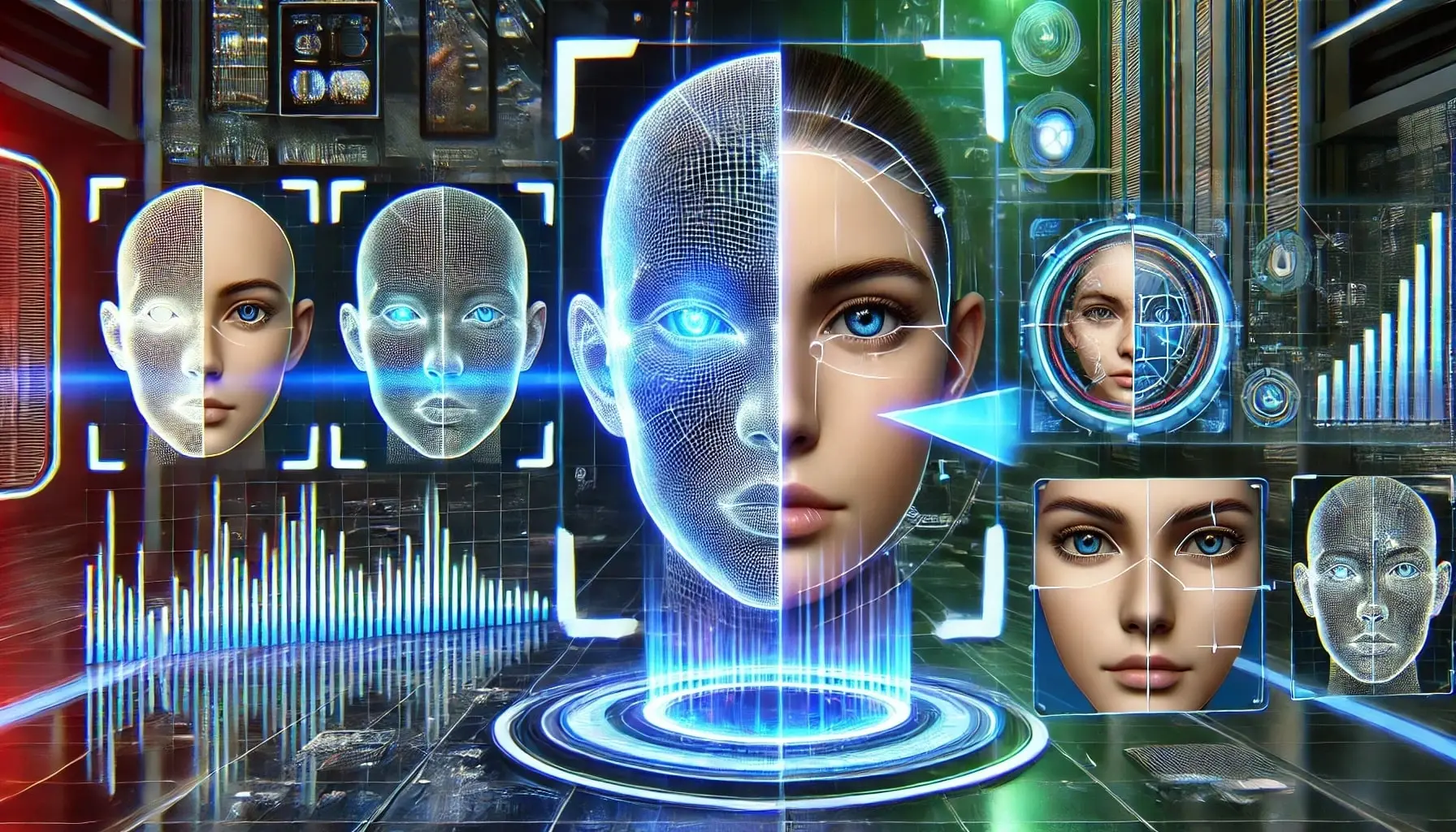
1. Creating Hyper-Realistic Portraits and Characters
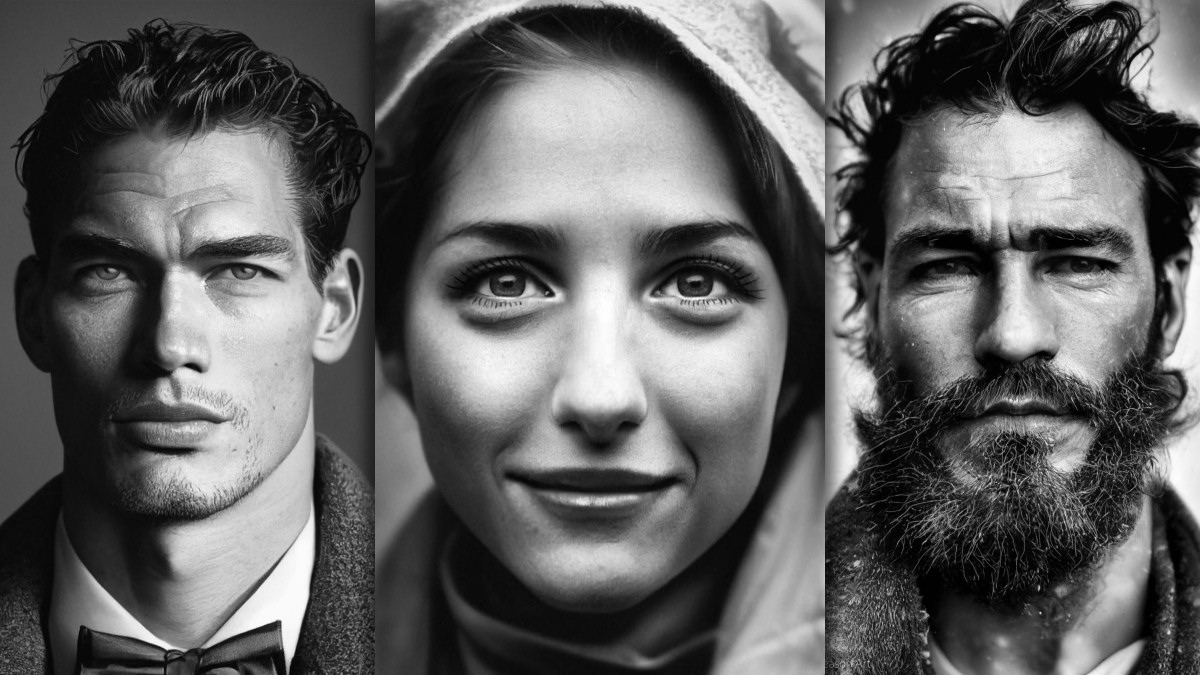
One of the most obvious applications of deepfake technology in art is the creation of hyper-realistic digital portraits or characters. Artists can use deepfake algorithms to generate lifelike faces, blending historical figures with fictional characters or creating entirely new personas. These creations can be used in digital paintings, animations, and even interactive virtual worlds.
Imagine an artist blending the face of a famous historical figure like Vincent van Gogh with a character from a futuristic dystopia. The result would be a striking fusion of reality and imagination, a visual storytelling device that evokes emotions and stimulates curiosity. Deepfake could also help digital artists experiment with multiple variations of a face or expression, exploring the subtleties of human emotion in ways that would be difficult or time-consuming to replicate manually.
2. Transforming Visual Storytelling
Deepfake technology could take visual storytelling to new heights. Filmmakers, game developers, and digital artists could use deepfake to create entirely new worlds, blending the lines between fiction and reality. For instance, imagine creating a character that combines real-world personalities with fictional narratives, or animating a classical painting and having its characters come to life.
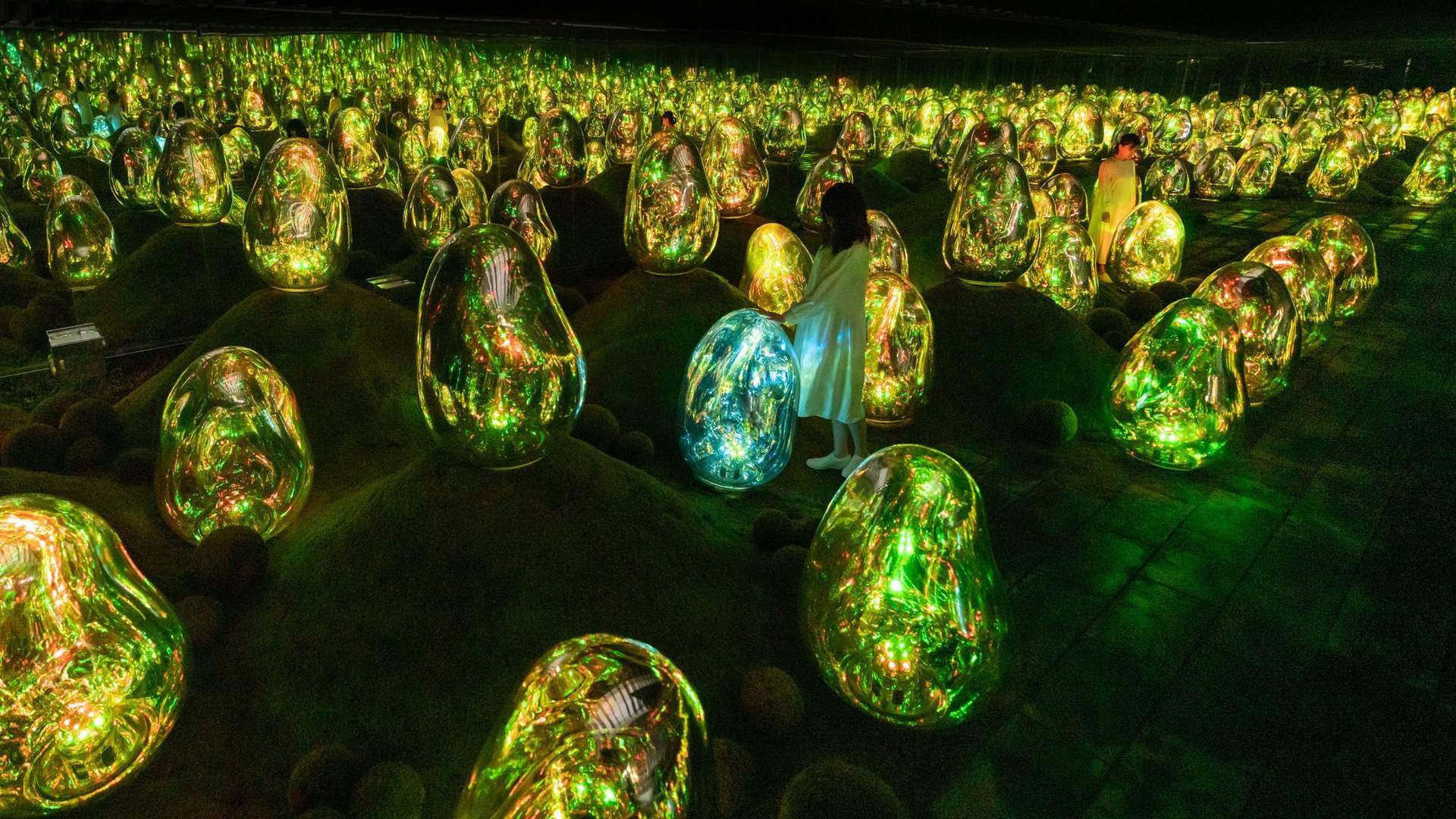
The possibilities for immersive, interactive art are endless. Using deepfake, artists could take a historical figure and make them speak in modern languages or use an actor’s likeness to perform in an entirely different time period or context. This could bring new layers of depth to the characters we know, offering a unique, almost “uncanny” experience for viewers. Deepfake could also be used in digital installations or virtual reality art, where viewers can interact with hyper-realistic avatars or environments that push the boundaries of what is possible in traditional forms of art.
3. Reimagining the Classic Masters
Deepfake could also allow contemporary artists to “revive” the classics in innovative ways. Consider the possibility of using deepfake to animate the portraits of historical figures, such as Leonardo da Vinci’s Mona Lisa, or re-imagining ancient sculptures with modern faces and expressions. This would be an intriguing way to merge classical art with new technologies, giving the pieces a new dimension while also offering commentary on the evolution of art through time.
Through deepfake technology, an artist could explore how figures from the past might have looked or sounded in different contexts. Imagine a video where the Mona Lisa starts speaking or performing an action, or where ancient Greek sculptures are animated with personalities and facial expressions that reflect contemporary themes. Such artworks could create a dialogue between the past and present, inviting viewers to rethink the relationship between historical art and contemporary culture.
4. Personalizing Digital Art and Experiences
Another potential for deepfake in digital art is personalization. Artists could use deepfake technology to create artworks that are tailored specifically to the individual viewer. For example, imagine a VR art installation where the viewer’s own face is incorporated into the artwork, or an interactive digital painting where viewers’ facial expressions influence the animation of the characters. This approach would make art more interactive, personalized, and emotionally engaging, offering a more immersive experience.
Artists could also use deepfake to personalize content in ways that deepen the viewer’s connection to the artwork. Personalized digital art could be used in marketing campaigns, interactive storytelling, and customized virtual experiences. The possibilities are endless when it comes to blending technology with art to create individualized and highly interactive experiences.
5. Collaborative and Hybrid Art Forms
Deepfake technology could also inspire hybrid art forms by merging human creativity with artificial intelligence. Artists and AI could work together to create digital artwork, where the boundaries between the two become blurred. By using deepfake to generate new characters or backgrounds, an artist could direct the overall composition, guiding the AI in creating something unique.
Moreover, this could lead to collaborative pieces between human artists and AI that push the boundaries of traditional creative practices. These collaborations would redefine what it means to be an artist and spark new conversations about authorship, creativity, and the role of AI in the artistic process.
The Ethical Implications of Deepfake Art
As much as deepfake technology offers opportunities for creative innovation, it also comes with significant ethical concerns. The ability to manipulate images, videos, and voices raises questions about authenticity, trust, and the potential for harm. In the realm of digital art, these concerns may not be as immediately impactful, but they still present challenges.
For instance, artists must be mindful of the implications of using real people’s likenesses in their work. Consent, privacy, and the potential for exploitation are all critical considerations. Additionally, there is the issue of what constitutes “authentic” art when an algorithm is responsible for much of the creation. Is deepfake-generated art truly the work of the artist, or is it the result of a machine’s computational processes?
As deepfake technology becomes more integrated into digital art, these ethical questions will need to be addressed. Artists and technologists must find ways to ensure that the use of AI and deepfake technology aligns with values of fairness, respect, and transparency. It will be important to maintain the integrity of the creative process while using these tools to expand the possibilities of artistic expression.
Conclusion: A New Era of Digital Art
Deepfake technology has the potential to radically change the landscape of digital art, opening up new realms of creativity and artistic expression. From hyper-realistic character creation to personalized interactive experiences, the applications for deepfake in art are vast and varied. However, as with any new technology, its use must be navigated thoughtfully, considering both its artistic potential and its ethical implications.
As we stand at the threshold of this exciting era, artists and creators have the opportunity to explore new ways of blending reality with imagination, forging connections between the past and future, and challenging our understanding of what art can be. If harnessed responsibly, deepfake technology could indeed revolutionize the world of digital art, inspiring the next generation of artists to push the boundaries of creativity.









Discussion about this post