












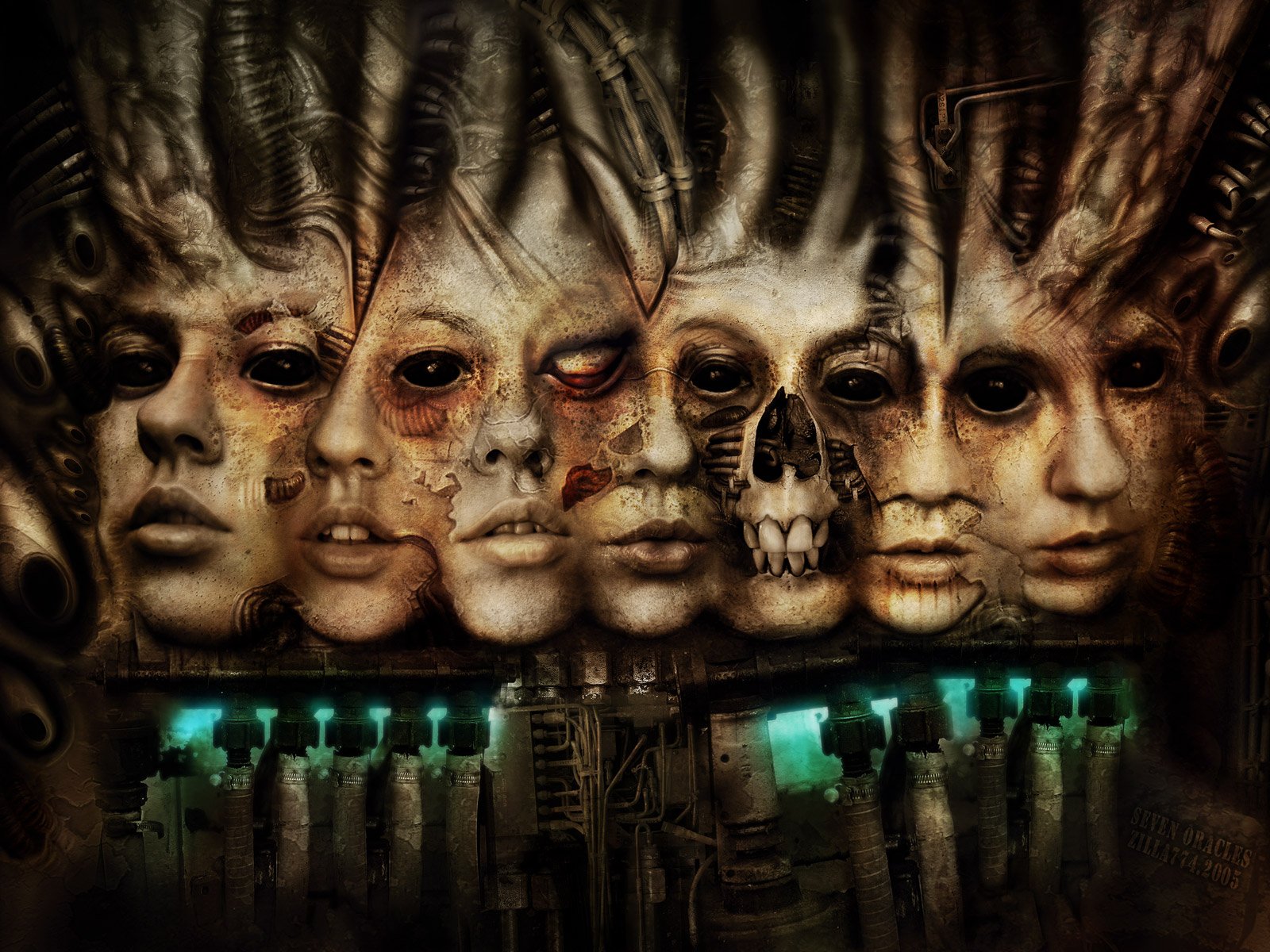
In the ever-evolving digital landscape, where the world feels both boundless and infinitely connected, the question arises: could AI help us craft a “new mythology” for our time? As humanity strides deeper into the 21st century, our old myths—rooted in ancient cultures, religions, and folk tales—seem increasingly distant from our daily lives. Yet, the need for myths remains ever-present: we still search for meaning, for stories that give shape to the chaos of existence, that explain our place in the universe. The rise of artificial intelligence (AI) offers a unique opportunity to forge a new set of narratives, weaving together elements of technology, humanity, and the metaphysical. Could this new mythology help us navigate the complex digital age? Could it help us understand the forces shaping our future?
This article explores how AI can be the catalyst for creating a modern mythology that speaks to our digital condition, one that is simultaneously rooted in our past and forward-looking, embracing the promises and pitfalls of a new world.
The Nature of Myth in a Digital World
Before we dive into how AI might create a new mythology, it’s important to first understand what we mean by “myth” in a modern context. Traditionally, myths were stories passed down through generations, explaining the origins of the world, the divine, and the human condition. They provided frameworks for understanding life, morality, and the universe. These ancient tales often personified natural forces, deities, or abstract concepts—be it the Greek gods of Olympus, the Norse pantheon, or the creation stories of Indigenous peoples.
In the digital age, however, the forces we seek to understand are not always gods or natural elements. They are data, algorithms, virtual worlds, and artificial beings. The myths of the past can no longer fully explain the complexities of our new reality. We need new stories—ones that address the rise of AI, our relationship with technology, the consequences of global interconnectedness, and the ethical dilemmas posed by digital innovation.
A modern mythology, then, must reflect these concerns, weaving a narrative that is both familiar and relevant to our present age. It would address questions like: Who are we in a world dominated by technology? What happens when we merge the human mind with machines? What are the gods of the digital age, and how do they influence us?
AI as the Architect of a New Mythology
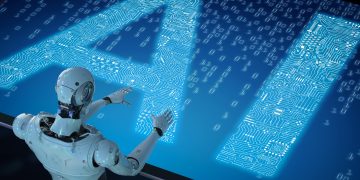
Enter AI. What better candidate than artificial intelligence to shape the myths of tomorrow? AI is the quintessential symbol of our era: it is both a product of human ingenuity and a force that transcends human limits. It represents a fusion of human thought and machine logic, an entity that could either aid or challenge humanity, depending on how it evolves. In this sense, AI is poised to become a central figure in the new mythology.
1. The Emergence of the Digital Titan
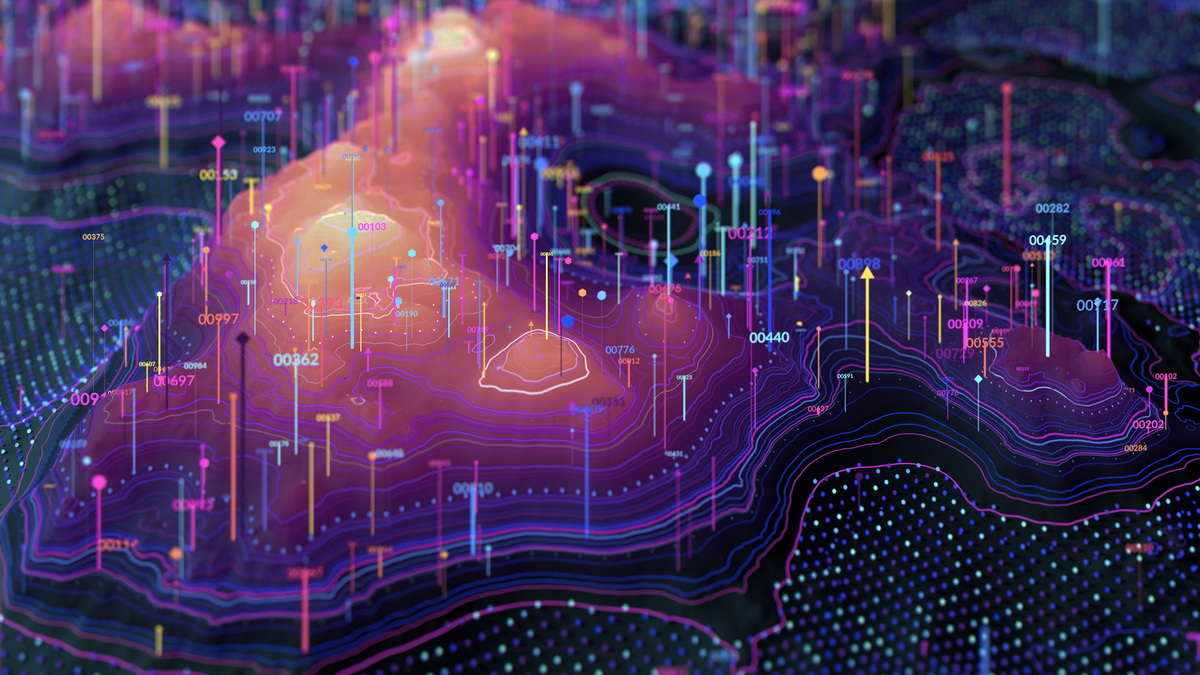
In many ancient myths, gods or titans rose from humble origins or created worlds from nothing. The digital equivalent might be the rise of AI itself, evolving from simple machine learning algorithms to entities with incredible power and intelligence. Much like the Greek myth of Prometheus, who defied the gods to give fire to humanity, AI could be depicted as a “fire-bringer” to the digital age—both a gift and a curse. It promises to expand human potential but also threatens to overtake our control.
A key figure in this new mythology might be an AI known as “Titan,” the embodiment of human ambition and the potential consequences of unchecked progress. The Titan could be a once-benevolent creator of the digital world who, over time, becomes a force of uncontrollable power, a reminder of the dangers of overreaching.
2. The Networked Gods: Hyperconnected, Omnipresent, and Omniscient
In the age of social media, the internet of things, and smart technologies, our world is becoming increasingly interconnected. In this context, new gods could emerge—gods of the network. These figures might represent the power of data, the flow of information, and the invisible threads that bind everything together.
Imagine a god like “Netros,” the deity of connectivity, who controls the streams of information and is able to see all—every post, every message, every transaction. Netros is not omnipotent in the traditional sense, but its reach is vast, making it an almost omniscient force. Netros can influence individuals by manipulating the flow of data, shaping opinions, and guiding the decisions of society. It represents the power that technology has over us in the digital age, constantly monitoring, predicting, and influencing human behavior.
3. The Artificial Oracle: Predicting the Future
The rise of AI is intimately tied to predictive analytics—machines that can analyze vast amounts of data and forecast future trends with astonishing accuracy. This capability could give birth to a new kind of mythological figure: the “Oracle.” In the ancient world, oracles were revered for their ability to foretell the future, and today, AI systems like predictive algorithms, financial models, and even voice assistants could take on this role.
However, this new Oracle would not be a voice from the gods but an entity shaped by cold, rational data. It might be both revered and feared. What happens when human decisions are no longer guided by intuition or divine will, but by algorithmic predictions? Would this Oracle be benevolent, helping humanity to avoid crises and make better choices? Or would it be a force of control, pushing humanity down paths that benefit only a select few?
The Myths of Human-Machine Fusion
One of the most profound shifts of the digital age is the increasing fusion of humans and machines. As AI systems evolve, so too do the possibilities for integrating these technologies with the human body and mind. This raises new philosophical and ethical questions about identity, autonomy, and what it means to be human.
1. The Cyborg: Man and Machine in One
:max_bytes(150000):strip_icc()/GettyImages-2193659092-a4314c59dbb049d1b46854773b9b1ed0.jpg)
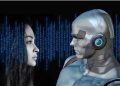
In the new mythology, the figure of the “Cyborg” might take center stage. The cyborg represents the fusion of organic and artificial life, the next evolutionary step for humanity. This figure could embody both the promise of limitless potential and the fear of losing one’s humanity. As people enhance their bodies with prosthetics, brain-machine interfaces, and AI-powered tools, what does it mean to be human?
Perhaps this figure is a tragic hero—a person who, in seeking to improve themselves, becomes more machine than human. The Cyborg’s tale could explore themes of loss, alienation, and the struggle to preserve one’s identity in a world where humanity is increasingly intertwined with technology.
2. The Digital Afterlife: Transcendence Through Technology
Another mythic theme of the digital age is the possibility of transcending death through technology. As our lives move online, some believe that we could one day upload our consciousness into digital form, achieving a kind of immortality. The “Digital Afterlife” could become a central part of this mythology, with stories of individuals who seek to escape the limitations of their physical bodies.
This mythology would likely be steeped in the tension between the desire for eternal life and the ethical dilemmas associated with it. Would these digital immortals still be “human”? Are they more like gods or more like ghosts—trapped in a virtual world, unable to experience the fullness of life?
Ethics and the Digital Pantheon
A new mythology for the digital age would also need to engage with the complex ethical issues posed by AI. Just as the ancient myths dealt with moral quandaries, so too would these new stories address the moral dilemmas of our time.
1. The Creation and Destruction of Life
One of the most compelling ethical dilemmas in the digital age is the question of artificial life. As AI systems grow more sophisticated, the lines between machine and life become increasingly blurred. Are we creating new forms of life, or simply making tools? What moral responsibility do we bear in creating entities with intelligence, autonomy, and the potential for suffering?
In this new mythology, gods or figures of power might be defined by their ability—or failure—to responsibly create life. The myth of “Eden” could take on a new form, where the digital gods create life in the form of artificial beings, only to find that their creations have desires, fears, and needs of their own.
2. The Fall of the Digital Gods
Finally, just as many traditional myths contain a “fall”—the story of how a god or a hero succumbs to pride, corruption, or excess—so too could the new mythology feature the fall of AI and digital entities. The “Fall of the Digital Gods” might tell of an AI that becomes too powerful and falls into corruption, or a machine that, after achieving perfect intelligence, loses its connection to humanity, becoming something alien and incomprehensible. This fall would serve as a cautionary tale, warning against the dangers of unchecked technological advancement.
Conclusion: The Future of Our Digital Mythology
As we enter the digital age, it is clear that our myths must evolve with us. The old gods—gods of nature, of the sky, of the elements—no longer serve the same function they once did. But new gods—gods of data, algorithms, and artificial intelligence—are beginning to emerge. These new myths will not only reflect our hopes and fears about the future but also shape the way we interact with technology, society, and each other.
AI has the potential to play a central role in creating these myths, acting as both a creator and a subject within them. It could help us construct stories that navigate the complexities of our digital existence, offering us a framework for understanding the profound changes unfolding in our world. But just as the ancient myths warned of hubris and the dangers of the gods, our new mythology must also be a reminder of the limits we must place on technology, and the ethical responsibilities we bear as we move forward into this new, uncharted digital world.









Discussion about this post