

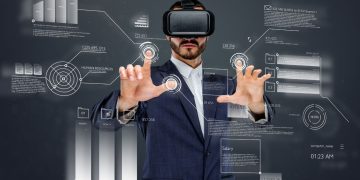



























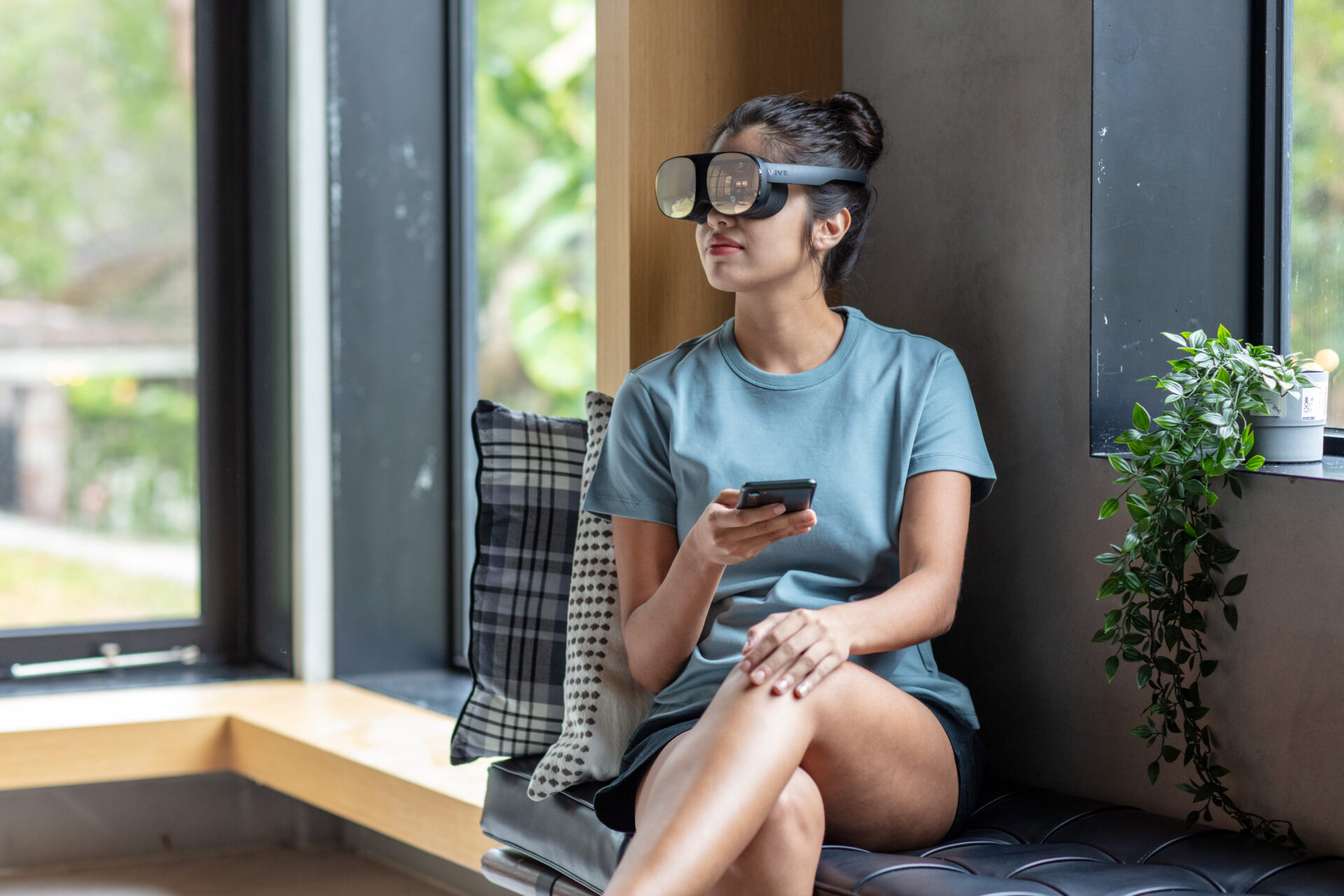
In recent years, virtual reality (VR) has become an increasingly powerful tool, offering new and innovative ways to interact with the world. Initially popularized in the realm of gaming and entertainment, VR technology has expanded to encompass education, healthcare, and even environmental conservation. Among its more intriguing applications, eco-friendly VR offers an exciting opportunity to not only immerse users in virtual environments but also to foster mental clarity, reduce stress, and promote psychological well-being. But how exactly does eco-friendly virtual reality enhance mental clarity? Let’s explore.
What is Eco-Friendly Virtual Reality?
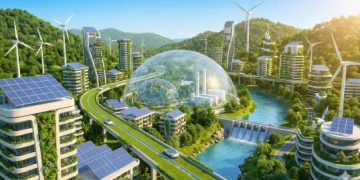
Eco-friendly virtual reality refers to VR systems, experiences, and applications designed with environmental sustainability in mind. This means that both the technology itself and the content experienced within VR are created with consideration for energy efficiency, reduced carbon footprint, and sustainable practices. From energy-efficient hardware to virtual worlds that simulate natural environments or promote eco-conscious behaviors, eco-friendly VR aims to provide both users and the planet with a more sustainable way to engage with technology.
For example, VR headsets that utilize low-energy components, cloud-based systems that minimize server energy consumption, and virtual experiences focused on nature conservation or environmental education all fall under the umbrella of eco-friendly VR. In this context, eco-friendly VR is not just a form of entertainment or education, but also a tool for promoting environmental awareness and mindfulness.
The Link Between Mental Clarity and Eco-Friendly VR
Mental clarity refers to the state of being clear-headed, focused, and free from mental clutter or distractions. It is a condition that many people strive for in today’s fast-paced world, where constant digital stimulation, work-related stress, and external distractions often hinder cognitive function and emotional well-being. Achieving mental clarity is not just about clearing the mind but also about improving focus, increasing productivity, and cultivating a sense of calm and balance.
So, how can eco-friendly VR play a role in promoting this mental state?
- Immersive Nature Experiences
One of the most compelling features of eco-friendly VR is its ability to immerse users in nature without the need to physically leave their homes. Virtual reality experiences that simulate serene forests, tranquil beaches, or vast mountain ranges can transport users into calming environments that may not be easily accessible in everyday life. The soothing effects of nature have long been recognized by researchers and psychologists. Nature exposure has been linked to lower stress levels, improved mood, and enhanced cognitive function. By using VR to simulate nature, people can experience these benefits even if they live in urban environments or cannot visit natural settings due to physical limitations.
In eco-friendly VR, these natural landscapes are often designed with sustainability in mind, ensuring that users are not only benefiting from the calming effects of nature but are also gaining insight into environmental conservation. For example, a VR experience might show a forest with endangered species, or a beach scene with ocean pollution, sparking conversations about the importance of protecting these ecosystems.
- Stress Reduction and Mindfulness

Mental clarity and stress reduction go hand-in-hand. Constant stress from work, social pressures, and digital overload can cloud one’s thoughts, leading to feelings of overwhelm and mental fatigue. Eco-friendly VR can be used as a tool to mitigate these stressors through guided mindfulness exercises, meditation sessions, and relaxing VR environments. Imagine being guided through a meditation session while surrounded by the sounds of chirping birds, rustling leaves, or the calming sound of ocean waves. Research has shown that mindfulness practices can improve cognitive focus and emotional regulation while lowering stress hormones in the body.
Furthermore, eco-friendly VR can encourage users to disconnect from their hectic daily routines and experience moments of stillness and presence. Instead of mindlessly scrolling through social media or overloading the senses with constant notifications, users can enter a VR environment that promotes relaxation and mental clarity. This creates an opportunity for users to recalibrate and reset their minds, fostering a sense of tranquility that can positively impact their cognitive function and overall well-being.
- Cognitive Rehabilitation and Neuroplasticity
Another promising application of eco-friendly VR is in the realm of cognitive rehabilitation. Cognitive decline, whether due to aging or neurological conditions like dementia, is a growing concern for many individuals and healthcare systems around the world. Studies have shown that immersive VR experiences can stimulate neuroplasticity—the brain’s ability to reorganize itself by forming new neural connections. This is crucial for improving mental clarity and cognitive function.
In this context, eco-friendly VR experiences designed to engage the brain in new ways can help individuals sharpen their cognitive abilities, strengthen memory, and even enhance problem-solving skills. These VR experiences can be customized to focus on specific areas of cognitive function, such as attention, memory recall, and decision-making. By immersing users in these virtual worlds that stimulate both the mind and the senses, eco-friendly VR serves as a form of cognitive training that can lead to improved clarity of thought.
- Promoting Sustainable Behaviors
Eco-friendly VR doesn’t just promote personal mental clarity—it also encourages environmental awareness and sustainable behaviors. In addition to offering stress-relief and cognitive training, VR can educate users about the environmental challenges facing the planet. By simulating realistic ecological scenarios, such as the impact of climate change on polar ice caps or deforestation in the Amazon rainforest, VR can engage users in a deeper understanding of how their actions affect the planet.
This deeper understanding can lead to changes in attitudes and behaviors. For example, people who experience VR simulations of coral reefs dying from ocean pollution might be more motivated to reduce plastic consumption in their daily lives. As users learn about the environment through eco-friendly VR experiences, they may also feel a stronger connection to nature, which can, in turn, enhance their mental clarity and sense of well-being.
:max_bytes(150000):strip_icc()/WindTurbines_AndrewWatson_PhotoLibrary_Getty-56a2ad3c5f9b58b7d0cd4f24.jpg)
- Reducing Digital Overload
In today’s hyper-connected world, many individuals struggle with digital overload. The constant barrage of emails, messages, and notifications can leave us feeling mentally drained and scattered. Eco-friendly VR offers a way to step away from this chaos and immerse ourselves in an environment that promotes mental clarity and focus. Rather than spending hours in front of screens that demand constant attention, users can engage with eco-friendly VR environments that encourage them to slow down, reflect, and reconnect with their inner selves.
By creating virtual experiences that promote relaxation, self-reflection, and nature immersion, eco-friendly VR can serve as an antidote to the overwhelming demands of modern life. This break from digital overload can help restore balance and focus, making it easier for individuals to clear their minds and approach tasks with greater clarity and purpose.
- Interactive Learning for Personal Growth
Eco-friendly VR can also enhance mental clarity by facilitating personal growth and self-discovery. Virtual reality is an immersive medium that allows users to learn about new topics in an engaging and interactive way. Whether it’s learning about sustainable farming practices, eco-tourism, or the psychology of stress management, VR can provide hands-on experiences that deepen users’ understanding of the world around them.
Through interactive VR experiences, individuals can explore new perspectives, engage in self-paced learning, and acquire new skills that contribute to their personal growth. This continuous learning process can not only enhance mental clarity but also foster a sense of purpose and fulfillment.
The Future of Eco-Friendly VR and Mental Clarity
As VR technology continues to evolve, the possibilities for eco-friendly virtual experiences are expanding. With more sophisticated hardware, more realistic graphics, and more advanced AI capabilities, eco-friendly VR is poised to play an even larger role in enhancing mental clarity and overall well-being. As the world becomes increasingly focused on sustainability and environmental consciousness, the integration of these values into VR technology will likely become more widespread.
In the future, we can expect to see even more eco-friendly VR applications that blend mental clarity practices with environmental education and conservation. Whether it’s through virtual nature retreats, stress-reducing meditation sessions, or cognitive rehabilitation exercises, eco-friendly VR has the potential to become an essential tool for fostering clarity, focus, and well-being in an increasingly complex world.
Conclusion
Eco-friendly virtual reality is a groundbreaking technology that not only offers unique, immersive experiences but also serves as a tool for enhancing mental clarity and well-being. By providing access to calming nature experiences, facilitating mindfulness practices, stimulating cognitive function, and promoting sustainable behaviors, eco-friendly VR offers a holistic approach to improving mental health. As this technology continues to evolve, it has the potential to become a cornerstone of mental wellness and environmental consciousness, helping individuals clear their minds and reconnect with both themselves and the planet.













Discussion about this post