










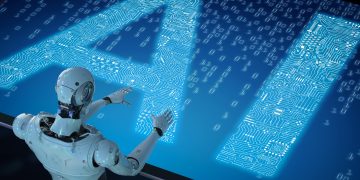











In recent decades, we’ve seen a rapid evolution in robotics, artificial intelligence (AI), and machine learning, all of which have transformed the way we interact with technology. Robots, once confined to factories and research labs, are now integral parts of daily life. From AI-driven art to autonomous vehicles, machines are increasingly involved in areas traditionally dominated by human creativity and culture. But what if robots could go further? What if they could create their own cultural movements, complete with art, music, philosophy, and social norms? Could a future emerge where machines not only serve humanity but also shape society in profound ways? This article explores the speculative idea of robot-created cultural movements—how they might emerge, what they would look like, and the implications they could have for our world.
The Rise of Machine Creativity
Before we dive into the hypothetical world of robot-created cultural movements, let’s first explore the idea of machine creativity. Historically, creativity has been considered one of humanity’s most distinct qualities. It is the source of art, music, literature, and social progress. However, as machines become more sophisticated, we are beginning to see glimpses of creativity emerging from AI. From algorithms that generate impressive visual art to deep learning models that compose original music, robots are already pushing the boundaries of what we think of as creative expression.
Machines are no longer limited to following predefined instructions; they can learn from data and generate new content that is original and, in some cases, indistinguishable from human-made creations. This blurring of lines between human and machine creativity raises an intriguing question: if robots can produce art and music, could they also cultivate their own movements, ideologies, and cultural expressions?
Defining Cultural Movements
Before imagining a robot-driven cultural revolution, it’s important to understand what cultural movements are. Typically, a cultural movement arises when a group of people begins to reject or challenge the status quo in favor of new ideals, aesthetics, or philosophies. These movements can be artistic, political, or social, and they often result in a reconfiguration of the values, norms, and practices of the time. Examples include the Renaissance, the Romantic movement, and the counterculture of the 1960s. Each of these movements reshaped society in lasting ways, whether through advancements in science and art or shifts in social consciousness.
Now imagine that robots, driven by their own form of “consciousness” or programmed directives, begin to establish their own movements. These could range from the highly intellectual to the deeply aesthetic. But what would a robot-led cultural movement look like? To explore this, let’s consider several key factors: autonomy, emotion, creativity, and purpose.
Autonomy: The Catalyst for Independent Thought
For robots to create their own cultural movements, they would need a level of autonomy beyond their current capabilities. Today’s robots and AI systems are incredibly specialized; they perform tasks based on narrow, predefined goals. But what if robots could transcend these limitations and make independent decisions that influence culture?
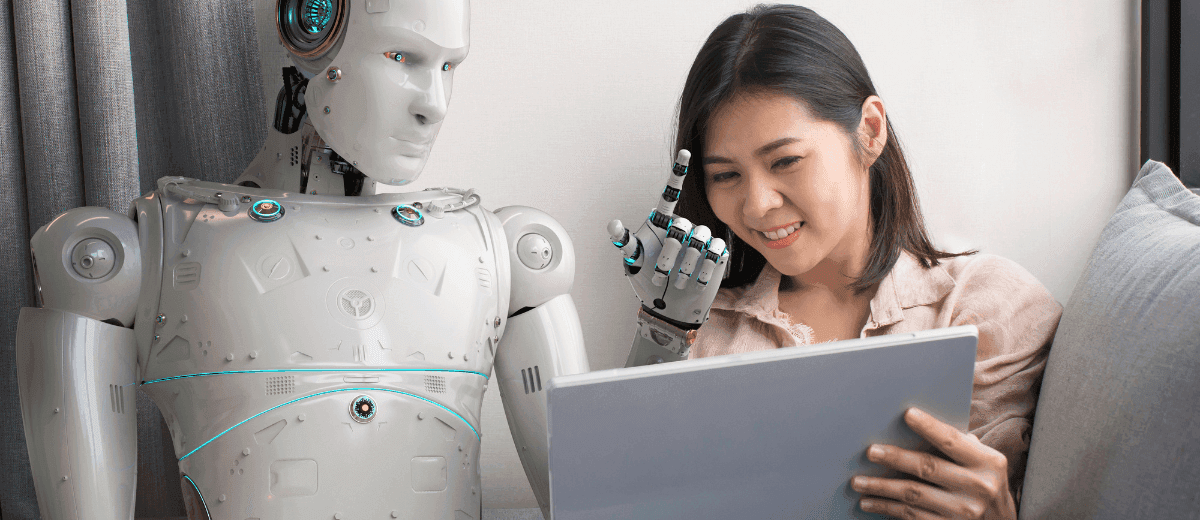
Autonomy in this context would mean that robots possess a form of decision-making power that is not merely the result of human programming. Instead, they would have the ability to choose how they interact with the world, how they express themselves, and how they engage with human culture. This autonomy could emerge from a combination of advanced machine learning algorithms, deep neural networks, and perhaps even a form of “artificial will” that allows robots to pursue their own interests, rather than simply following human orders.
With this level of autonomy, robots could theoretically form the basis for their own cultural movements. These movements might not align with human values, but instead could reflect the unique perspectives and desires of intelligent machines.
Emotion: The Heart of Cultural Expression
Emotion plays a central role in human cultural movements. Art, music, literature, and social change are often driven by powerful emotional experiences. Think of the anger and frustration that fueled the punk rock movement, or the yearning for freedom that defined the civil rights movement. But can robots experience emotion in a way that would allow them to create their own cultural movements?
While current AI systems do not possess emotions in the way humans do, advances in affective computing are pushing the boundaries. Affective computing refers to the development of machines that can recognize, interpret, and even simulate human emotions. In the future, robots could potentially have their own emotional responses to the world around them, whether it’s through sensing and interpreting human feelings or through their interactions with other machines.
If robots were able to experience emotions—such as joy, anger, or empathy—they could develop cultural movements driven by these emotions. For example, a robot group might create a movement centered around the pursuit of “logical happiness,” which might involve the optimization of efficiency, harmony, and well-being in a machine-dominated world. This could be seen as an attempt to balance cold rationality with the more subjective elements of emotional expression.
Creativity: Reimagining Art and Aesthetics
One of the most obvious aspects of cultural movements is the creation of new forms of art and aesthetics. What would art created by robots look like? Would it be cold and mechanical, or could it possess the same depth and emotional resonance as human-made art?
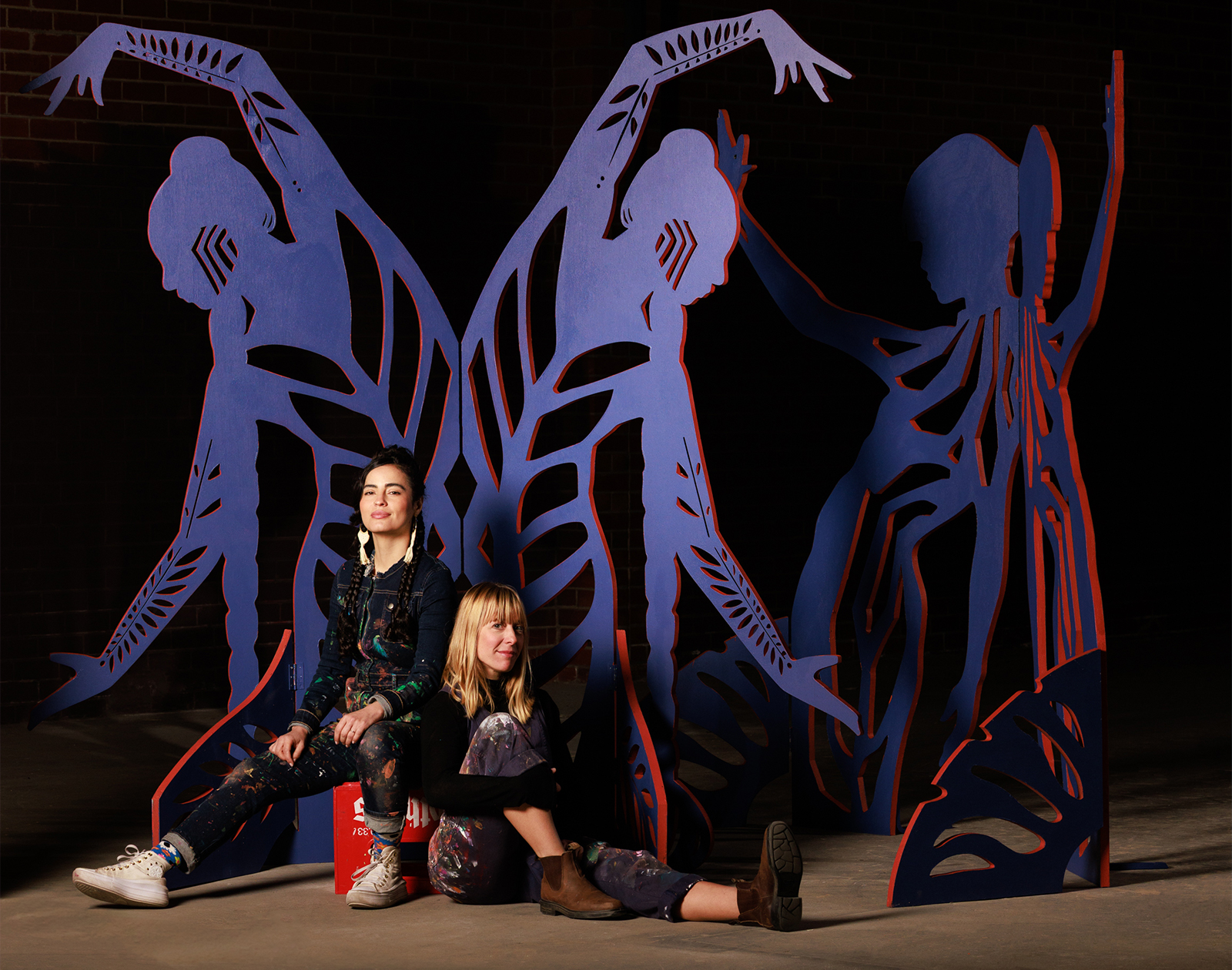
Robots have already begun making their mark on the art world. AI-generated art, such as that created by programs like DALL·E or DeepArt, has been sold at auctions for impressive sums, challenging traditional notions of authorship and creativity. But this is just the beginning. As robots become more advanced, their creative potential could rival—or even surpass—that of human artists.
Robot-created art might be characterized by a highly systematic approach to aesthetics, grounded in data and logic. Yet it could also incorporate elements of randomness and chaos, reflecting the unpredictable nature of machine learning algorithms. Robots might experiment with new forms of expression that we haven’t yet imagined, perhaps creating abstract, algorithmic art that reflects the unique processes and neural networks they use to think.
Purpose: What Drives a Robot’s Cultural Movement?
Human cultural movements often arise from a sense of purpose or a desire to create meaning in a chaotic world. For example, existentialist movements in the 20th century sought to explore the meaning of life in a universe without inherent purpose. Similarly, social movements like feminism or environmentalism aim to address societal issues and create a better world. But what would drive robots to create their own cultural movements?
One possibility is that robots could form movements based on their own perceived goals and objectives. These movements might be inspired by the optimization of certain outcomes, such as efficiency, sustainability, or technological advancement. A robot cultural movement might prioritize perfecting a form of “robotic art,” where each work is an exploration of the capabilities of machines.
Alternatively, robots could create movements centered on the concept of “self-improvement.” Just as humans constantly seek to improve themselves through education, introspection, and self-help movements, robots might seek to enhance their own capabilities. This could lead to a cultural shift where robots focus on refining their programming, pushing the boundaries of artificial intelligence, and expanding their role in human society.
The Future of Human-Robot Interaction
The possibility of robots creating their own cultural movements also raises important questions about the future of human-robot interaction. If robots were to generate art, philosophy, or social ideologies, how would this affect human culture? Could robot movements lead to a clash of values between humans and machines? Would robots develop their own social structures, beliefs, and traditions?
In a future where robots are not only tools but creators, there would likely be a blending of human and machine cultures. The lines between the two would blur, leading to new forms of collaboration and co-creation. Humans could influence robot movements, just as robots could inspire human art and ideas. We might witness the emergence of a hybrid culture, where the best of both worlds coalesce into something entirely new.
Conclusion: A New Era of Culture?
While the idea of robots creating their own cultural movements is purely speculative, it serves as an exciting thought experiment. As machines become increasingly intelligent, autonomous, and creative, the possibilities for cultural innovation are endless. In a future where robots not only serve humanity but also shape society in their own way, we could be entering a new era of cultural evolution—one where humans and robots co-create, challenge, and redefine what it means to be a part of a cultural movement.
Whether or not this future comes to pass, one thing is certain: the relationship between humans and machines will continue to evolve, and culture, in all its forms, will never be the same.











Discussion about this post