

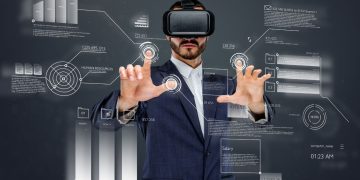



































The evolution of therapy over the last century has been nothing short of remarkable. From the pioneering work of Sigmund Freud to the introduction of cognitive-behavioral therapies, the field has continually adapted to new scientific discoveries, cultural shifts, and technological advancements. Among the most promising new tools for mental and physical health therapy is Virtual Reality (VR). Once a niche technology in gaming and entertainment, VR is quickly making its mark in healthcare as a groundbreaking therapeutic tool. But can VR truly be the next frontier in therapy? This article delves into its potential, benefits, and challenges, as well as the innovative ways it’s already being utilized.
A New Reality for Therapy
Virtual Reality immerses users in computer-generated environments that simulate real-world or imagined spaces. The technology has long been a hallmark of video games and entertainment, but in recent years, it has found its way into various sectors, including education, design, and healthcare. With its ability to create controlled environments that are both safe and immersive, VR is opening new doors for therapy, providing opportunities for patients to face fears, practice skills, and heal in ways that were previously impossible.
Therapists and mental health professionals are increasingly experimenting with VR as a means to treat a wide range of conditions, from anxiety and PTSD to chronic pain and phobias. The use of VR is helping to break down barriers and create more engaging, personalized, and effective treatment options.
The Science Behind VR Therapy
At its core, VR therapy taps into the principles of exposure therapy, cognitive-behavioral therapy (CBT), and other well-established therapeutic models. The immersive nature of VR allows patients to experience scenarios and environments that trigger specific psychological or physical responses, in a controlled, supportive setting. Through repeated exposure to these scenarios, patients can rewire their responses and build coping mechanisms.
The brain’s ability to adapt and change—known as neuroplasticity—is at the heart of VR’s potential in therapy. VR experiences can simulate situations that would otherwise be too challenging or even impossible to recreate in real life. For example, someone with a fear of flying can use VR to virtually board a plane, simulate the flight experience, and gradually reduce their anxiety without ever leaving the ground.
Moreover, VR is uniquely suited to address conditions like PTSD, where patients often relive traumatic events. Through VR, they can undergo “virtual exposure” to these traumatic memories in a controlled and safe way, guided by a trained therapist. This approach helps patients process their experiences and gradually reduce the emotional charge attached to them.
Mental Health Applications: Anxiety, Phobias, PTSD, and More
One of the most compelling areas where VR is making strides is in the treatment of anxiety disorders and phobias. Traditional treatments often rely on graded exposure, where a patient is gradually introduced to anxiety-inducing stimuli. VR accelerates this process by allowing patients to confront their fears in a fully immersive environment without the need for real-world exposure.
Virtual Reality for Anxiety and Stress Management
Anxiety is one of the most common mental health disorders worldwide, affecting millions of people. Traditional therapies like CBT have proven effective, but VR offers the potential for even more personalized, engaging experiences. For example, VR can simulate calming environments, such as beaches or forests, where patients can practice relaxation techniques or mindfulness exercises. These virtual settings can be customized to individual preferences, providing a highly tailored experience.

In addition to stress relief, VR can also be used to address specific anxiety-related disorders like social anxiety. Virtual social simulations allow patients to interact with avatars in a controlled setting, reducing the fear of judgment or failure. By practicing in these environments, patients can gain confidence and gradually transfer their skills to real-world situations.
VR for Phobias: Exposure Without the Risk
Phobias, such as fear of heights, spiders, or flying, can be debilitating for many people. Traditional treatments often involve gradual exposure to the feared object or situation, but VR has the unique ability to safely simulate these experiences, providing a way for patients to face their fears without actually being exposed to them. This approach has shown promise in treating various phobias, including fear of flying, agoraphobia, and even social anxiety.
Through VR, a person with a fear of heights can virtually experience standing on a high balcony or looking out from a tall building. The gradual and controlled exposure to these scenarios helps desensitize the individual’s fear response, ultimately leading to greater emotional resilience.
PTSD and Trauma Recovery: Virtual Exposure Therapy
Post-Traumatic Stress Disorder (PTSD) is a deeply challenging condition that affects people who have experienced or witnessed traumatic events. VR has emerged as a powerful tool for treating PTSD, particularly through exposure therapy, which allows patients to confront memories of traumatic events in a controlled, safe environment. In the case of veterans returning from war, VR has been used to simulate combat situations, allowing patients to confront their trauma and process their emotions under the guidance of trained therapists.
For many PTSD sufferers, facing the trauma in the real world can feel overwhelming and unsafe. VR therapy helps bridge this gap by providing a safe space where patients can gradually work through their traumatic memories. By reprocessing these memories in a controlled setting, patients may begin to reduce the emotional weight of the trauma, leading to better outcomes in therapy.
Physical Health Benefits: Pain Management and Rehabilitation
While VR’s applications in mental health are well-documented, its potential to aid physical health treatments is equally groundbreaking. From chronic pain management to physical rehabilitation, VR is being used to create immersive environments that distract patients from pain and help them engage in therapeutic exercises.
Virtual Reality in Pain Management
Chronic pain, whether due to injury, illness, or conditions like fibromyalgia, is one of the most challenging conditions to treat. Traditional pain management techniques, such as medications or physical therapy, can offer relief but may not address the psychological impact of living with constant pain. VR offers an innovative solution by providing patients with a way to distract themselves from their pain and enter immersive worlds that engage their mind.
One notable example is the use of VR in burn care. Patients undergoing painful treatments for burn injuries can wear VR headsets to immerse themselves in soothing or exciting virtual environments, which helps reduce the sensation of pain. The brain’s focus on the virtual world lessens its ability to register physical discomfort, providing much-needed relief during potentially agonizing procedures.

Rehabilitation: Strengthening the Body and Mind
In the realm of physical rehabilitation, VR is being used to help patients recover from surgery, stroke, and other debilitating injuries. By creating interactive environments where patients can perform physical exercises, VR provides a motivational and engaging way to facilitate recovery. For example, a stroke survivor can engage in a virtual game that encourages them to perform specific movements, improving their motor skills and coordination while simultaneously providing entertainment.
The interactive nature of VR also makes rehabilitation more fun and less monotonous. Patients who might otherwise feel discouraged by their physical limitations are often more motivated to participate in therapy when it involves gamified elements and visually engaging virtual worlds. VR allows for personalized rehabilitation, where the level of difficulty can be adjusted based on the patient’s progress.
The Future of VR Therapy: Limitations and Ethical Considerations
While the potential of VR therapy is immense, there are still several challenges and ethical concerns that must be addressed before VR can become a mainstream tool in therapy. One key limitation is the cost of VR technology. High-quality VR systems, including headsets, motion tracking devices, and software, can be prohibitively expensive, making it difficult for all patients to access the benefits of VR therapy. However, as the technology continues to evolve and become more affordable, this barrier may lessen over time.
Another consideration is the risk of overuse or dependency on virtual environments. While VR can be a powerful tool for therapy, it’s essential that it be used as a complement to traditional therapeutic methods, not a replacement for real-world experiences. Therapists will need to strike a balance between virtual and real-world interventions to ensure that patients don’t become overly reliant on the technology.
Finally, there are ethical concerns surrounding privacy and data security. As VR systems collect detailed information about patients’ behaviors, responses, and emotional states, ensuring that this data is protected from misuse will be crucial. Additionally, the use of VR in trauma therapy raises the question of whether virtual exposure could inadvertently retraumatize patients if not carefully managed.
Conclusion: A New Era in Therapy
Virtual Reality is undoubtedly pushing the boundaries of what is possible in therapeutic interventions. With its ability to create controlled, immersive environments, VR offers new ways to treat mental health conditions, manage pain, and facilitate rehabilitation. As technology continues to improve, VR therapy has the potential to become a central part of the therapeutic landscape, enhancing existing treatments and offering new possibilities for healing.
However, like all technologies, it comes with its challenges. Accessibility, cost, and ethical considerations must be addressed before VR can be fully integrated into mainstream therapy. Nevertheless, the potential for VR to revolutionize therapy—whether by helping patients face their fears, manage pain, or recover from injuries—represents a thrilling new frontier in the world of healthcare.













Discussion about this post