


































The quest to discover life beyond Earth has been a subject of human fascination for centuries, oscillating between science fiction fantasies and rigorous scientific inquiry. From the earliest star-gazers speculating about distant worlds to modern-day astronomers deploying advanced telescopes and robotic explorers, the search for extraterrestrial life reflects humanity’s enduring curiosity about our place in the cosmos. But is this search grounded in scientific plausibility, or is it simply an elaborate fantasy fueled by imagination, hope, and the allure of the unknown?
At its core, the search for extraterrestrial life is driven by one fundamental question: are we alone in the universe? While this question might appear philosophical, its pursuit is profoundly scientific. The universe is vast—unimaginably vast—with over 100 billion galaxies, each containing hundreds of billions of stars. Around many of these stars orbit planets, some of which reside in their star’s “habitable zone,” where conditions could potentially support life. Yet the vastness of the cosmos also makes the task of detecting life extraordinarily challenging.
Historical Context: From Philosophy to Science
The concept of life beyond Earth has roots in ancient philosophy. Greek philosophers such as Epicurus speculated about innumerable worlds and the possibility of life existing elsewhere. However, these were largely theoretical musings, lacking empirical evidence. The real shift toward a scientific approach came with the Renaissance and the advent of modern astronomy. The invention of the telescope allowed astronomers like Galileo and Kepler to observe the moon and planets with unprecedented clarity, sparking speculation about the possibility of alien civilizations.
In the 19th and early 20th centuries, scientists and writers like Percival Lowell and H.G. Wells fueled public imagination with tales of Martian canals and interstellar travel. These were not purely fantasy; they reflected genuine curiosity and the limited scientific knowledge of the time. Today, modern astrobiology builds on these historical foundations, applying rigorous scientific methods to the search for life.
Defining Life: What Are We Looking For?
Before we can search for life, we must define it. Life as we know it is based on carbon chemistry, relies on water as a solvent, and exhibits characteristics such as metabolism, reproduction, and evolution. This definition guides much of the search for extraterrestrial life. However, scientists remain open to alternative biochemistries—life that may be silicon-based, ammonia-based, or employ processes entirely alien to our understanding.
The challenge lies in the diversity of possible life forms. Microbial life, for instance, could exist in extreme environments like deep within Martian soil or beneath the icy crust of Europa, Jupiter’s moon. Such life may be undetectable without specialized instruments. On the other hand, intelligent life capable of communication would likely leave detectable signals, whether via electromagnetic emissions, technological artifacts, or megastructures.
Methods of Searching for Extraterrestrial Life
The search for life beyond Earth involves multiple complementary approaches, each with unique strengths and limitations.
1. Planetary Exploration
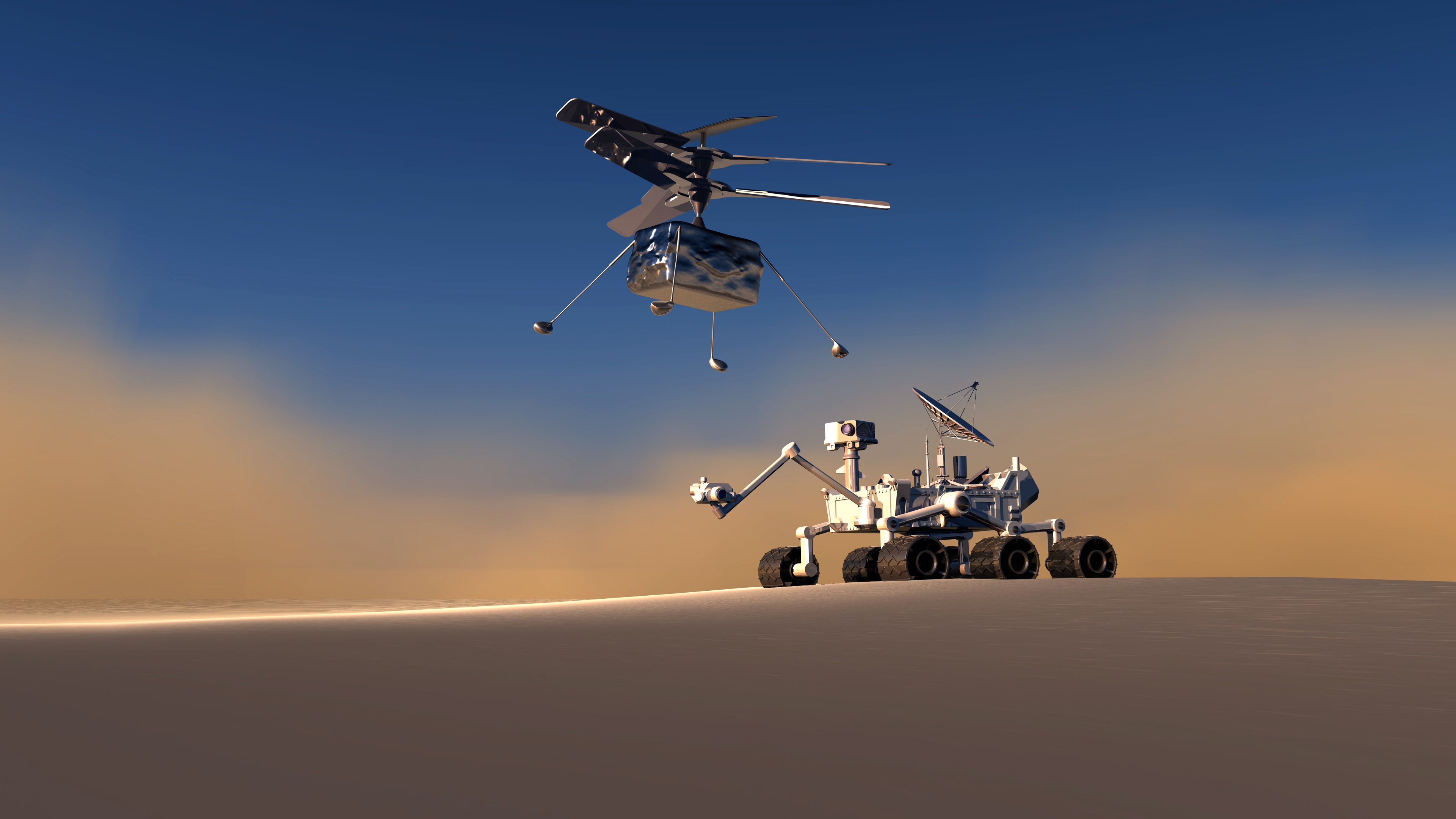
Robotic missions to planets and moons within our solar system represent one of the most direct methods. Mars has long been a primary target due to evidence of past liquid water. NASA’s Perseverance rover and ESA’s ExoMars mission are designed to search for biosignatures—chemical or physical markers indicative of past or present life. Similarly, moons such as Europa and Enceladus are intriguing because of their subsurface oceans, which may harbor microbial ecosystems shielded from harsh radiation.
2. Atmospheric Analysis
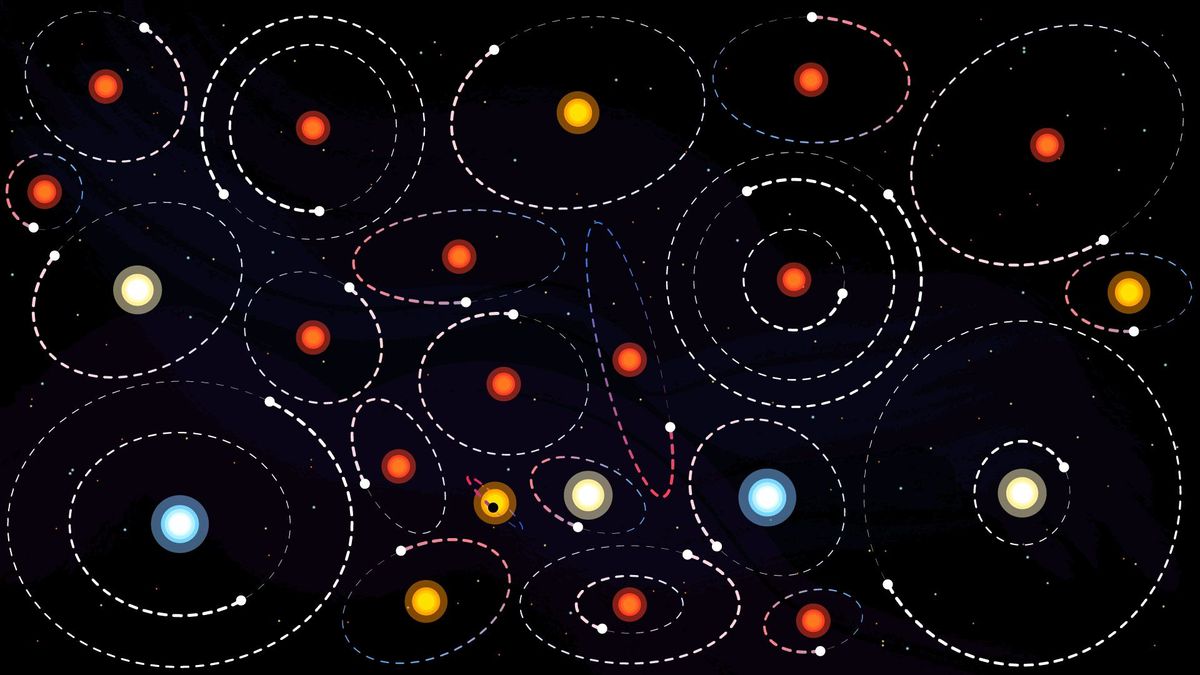
Exoplanet studies have emerged as a powerful tool in the quest for extraterrestrial life. By analyzing the light spectrum of distant planets, scientists can infer atmospheric composition. The presence of gases such as oxygen, methane, or ozone in unusual ratios could indicate biological activity. Future space telescopes like the James Webb Space Telescope and proposed missions like LUVOIR aim to provide even more detailed observations of exoplanetary atmospheres.
3. The Search for Technosignatures
While finding microbial life would be groundbreaking, the discovery of intelligent civilizations would be revolutionary. Projects like SETI (Search for Extraterrestrial Intelligence) use radio telescopes to detect signals that may indicate technological activity. More recently, researchers have expanded the search to optical signals, megastructures that partially block starlight, and other potential technosignatures.
However, the absence of signals does not necessarily imply the absence of intelligent life. Civilizations may be rare, distant, or deliberately quiet. The Fermi Paradox—why we haven’t observed any signs of extraterrestrial civilizations despite the vast number of habitable worlds—remains a central puzzle.
4. Laboratory Simulations
Astrobiology also involves recreating extraterrestrial conditions on Earth. Scientists simulate extreme environments, such as high radiation, extreme temperatures, and acidic or salty conditions, to test the survival limits of microbial life. These experiments inform the kinds of biosignatures we might expect to find on other worlds and help refine mission designs.
The Probability Question: Are We Alone?
Estimating the probability of life elsewhere is notoriously difficult. The Drake Equation, formulated in 1961, attempts to quantify the number of active, communicative civilizations in our galaxy. However, many variables remain uncertain, from the fraction of planets that develop life to the longevity of technological civilizations.
Recent discoveries of thousands of exoplanets suggest that potentially habitable worlds may be common. Yet the emergence of life requires more than habitability; it demands a precise combination of chemical, environmental, and possibly stochastic factors. Some researchers argue that microbial life may be widespread, but intelligent life could be exceedingly rare, making direct contact improbable.
Technological Frontiers and the Role of AI
Artificial intelligence is transforming the search for extraterrestrial life. Machine learning algorithms can process vast datasets from telescopes, identifying subtle patterns that humans might miss. AI is also essential in autonomous navigation for space probes, real-time data analysis, and even predicting where biosignatures are most likely to exist.
Moreover, AI simulations allow scientists to model complex planetary ecosystems, testing how life might arise under different conditions. This integration of AI with space exploration marks a critical step in moving the search from speculative to systematically scientific.
Philosophical and Cultural Implications
The discovery of extraterrestrial life would have profound implications for philosophy, religion, and culture. It would challenge notions of human uniqueness and spark debates about ethical treatment of alien life. Even the possibility of life influences human creativity, inspiring science fiction, art, and public engagement with science.
However, it also raises cautionary questions. Could contact with alien life pose biological risks? How should humanity respond if intelligent life is discovered? These questions illustrate that the search is not merely a scientific endeavor but a societal and ethical one as well.
Skepticism and Challenges
Despite the excitement, skepticism is warranted. Many claims of extraterrestrial signals or microbial fossils have proven premature or misinterpreted. Observational limitations, technological constraints, and human bias complicate the search. Moreover, the sheer distances involved make direct exploration of exoplanets currently impossible.
Another challenge is distinguishing natural phenomena from potential life. Methane on Mars, for instance, could originate from biological or geological processes. Similarly, unusual atmospheric compositions on exoplanets may have abiotic explanations. Rigorous verification and cautious interpretation are essential.
The Psychological Dimension: Why We Hope
Humans are naturally inclined to search for companionship in the cosmos. The desire to find life beyond Earth may reflect a deep-seated need for connection, curiosity, and wonder. This psychological dimension drives funding, public interest, and scientific innovation, even when direct evidence remains elusive.
Moving Beyond Fantasy: Evidence-Based Optimism
While much of the popular imagination depicts extraterrestrial life as intelligent beings or interstellar travelers, the scientific approach is more grounded. By focusing on microbial life, chemical biosignatures, and technological indicators, researchers adopt a pragmatic, evidence-based strategy.
The search is neither purely fantasy nor guaranteed success. It is a high-stakes exploration of the unknown, combining astronomy, biology, chemistry, engineering, and computer science. Each discovery, even if negative, informs our understanding of the conditions necessary for life, refining the probabilities for future searches.
The Future: Expanding Horizons
The next decades promise unprecedented opportunities. Planned missions to Mars, Europa, Titan, and distant exoplanets will expand the frontiers of our knowledge. Advances in telescope technology, AI-driven data analysis, and synthetic biology may revolutionize the search. Even if intelligent life remains undetected, understanding the prevalence and diversity of microbial life would fundamentally reshape our view of the universe.
In the end, the search for extraterrestrial life may never provide definitive answers, but it is far from a mere fantasy. It is a profound scientific endeavor that pushes the limits of human knowledge, creativity, and ambition. By exploring the cosmos, humanity confronts its own origins, its place in the universe, and the tantalizing possibility that life, in some form, exists beyond the fragile blue dot we call home.













Discussion about this post