
































Introduction: The Dawn of a New Healthcare Era
Healthcare, long perceived as a labyrinth of bureaucratic inefficiencies, slow adoption of technology, and fragmented patient data, is undergoing a quiet yet profound transformation. Artificial Intelligence (AI), once the stuff of science fiction, is now at the forefront of this revolution. From predictive diagnostics to drug discovery, AI is reimagining what is possible in healthcare innovation. Imagine a world where chronic illnesses are intercepted before symptoms appear, where treatments are tailored to an individual’s genetic makeup, and where administrative bottlenecks vanish almost entirely. This world is not science fiction—it is becoming reality.
AI’s potential to reshape healthcare is vast because it touches virtually every aspect of the field: clinical operations, patient care, research, medical imaging, and even mental health. The convergence of data, machine learning, and computational power provides unprecedented opportunities to optimize health outcomes while reducing costs. The question is not whether AI will revolutionize healthcare but how quickly and effectively it will do so.
Predictive Analytics: Seeing the Unseen
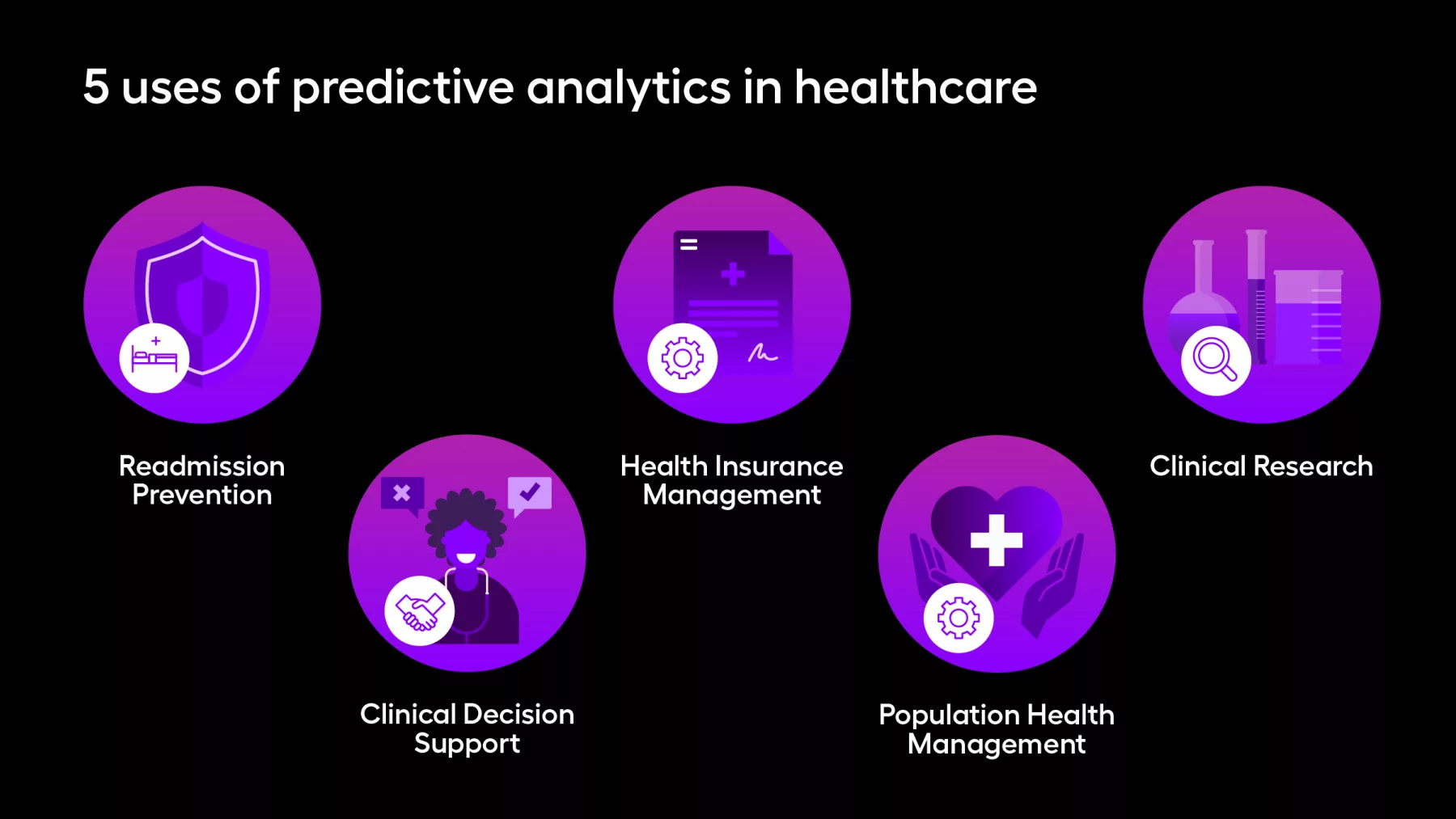
One of the most transformative applications of AI in healthcare is predictive analytics. By analyzing vast amounts of historical and real-time data—from electronic health records (EHRs) to wearable device outputs—AI models can identify patterns that human clinicians may overlook. Predictive analytics can anticipate disease progression, identify high-risk patients, and even forecast potential epidemics.
For instance, AI algorithms can analyze subtle changes in blood pressure, glucose levels, and heart rate variability to predict cardiovascular events before they occur. Hospitals are increasingly using predictive models to optimize resource allocation, ensuring that critical care units are prepared for patient surges. Beyond hospitals, AI-powered apps are now helping individuals manage their health proactively. Wearable devices continuously monitor physiological signals, feeding AI systems that provide personalized recommendations. The implications are enormous: healthcare shifts from reactive treatment to proactive prevention.
Personalized Medicine: Treating the Patient, Not the Disease
The era of one-size-fits-all medicine is fading. AI enables truly personalized healthcare by integrating genetic, lifestyle, and environmental data to design individualized treatment plans. Machine learning models can sift through genomic sequences to identify mutations linked to specific diseases, guiding clinicians to therapies most likely to succeed for a particular patient.
This is especially critical in oncology. Cancer treatment historically relied on broad-spectrum therapies with variable success rates. Now, AI-driven genomic analysis allows oncologists to tailor treatment to the genetic profile of both the patient and the tumor. The result is higher efficacy, fewer side effects, and improved quality of life. Beyond oncology, personalized medicine powered by AI is expanding into cardiology, neurology, endocrinology, and beyond, making bespoke healthcare accessible on a scale previously unimaginable.
Drug Discovery and Development: From Decades to Months
The pharmaceutical industry is notoriously slow and costly. Developing a new drug can take over a decade and billions of dollars. AI is dramatically accelerating this process. By analyzing chemical structures, biological pathways, and clinical trial data, AI can predict which compounds are likely to be effective, drastically reducing the time and cost of drug discovery.
During the COVID-19 pandemic, AI models played a critical role in identifying potential antiviral compounds and repurposing existing drugs. AI also optimizes clinical trials by identifying suitable patient cohorts, predicting adverse reactions, and simulating trial outcomes. This acceleration is not just a technical achievement; it is a humanitarian one. Faster, more efficient drug discovery means quicker access to life-saving treatments worldwide.
Medical Imaging and Diagnostics: Seeing More, Faster, Smarter
Medical imaging has been one of the most visible domains of AI innovation. Machine learning algorithms can analyze X-rays, MRIs, CT scans, and ultrasounds with remarkable accuracy, sometimes surpassing human radiologists in specific tasks. AI can detect microfractures, early-stage tumors, and subtle anomalies that might escape the human eye.
The real game-changer is speed and scalability. AI-powered imaging systems can process thousands of scans in the time it would take a human to review a handful. This not only improves diagnostic accuracy but also addresses global challenges, such as shortages of skilled radiologists in rural or underserved regions. Importantly, AI systems are becoming tools that complement, rather than replace, human expertise, allowing clinicians to focus on complex decision-making rather than routine analysis.
AI in Surgery: Precision Meets Intelligence
Surgery, a domain traditionally dependent on human dexterity and intuition, is increasingly benefiting from AI-assisted robotics. Advanced robotic platforms, guided by AI, can assist surgeons with unprecedented precision. These systems integrate preoperative imaging, real-time feedback, and predictive modeling to optimize surgical outcomes.
For example, AI can predict tissue responses during surgery, alerting surgeons to potential complications before they arise. It can also simulate surgical procedures to plan the most effective approach, reducing operative time and improving recovery rates. While robots are not replacing surgeons, AI is augmenting human skill, making complex surgeries safer and more predictable.

Administrative Efficiency: Freeing Healthcare from Paperwork
While medical breakthroughs grab headlines, AI is quietly transforming administrative operations—a domain responsible for a staggering proportion of healthcare costs. AI-driven solutions can automate patient scheduling, billing, claims processing, and even regulatory compliance. Natural Language Processing (NLP) algorithms can extract relevant data from unstructured clinical notes, reducing the administrative burden on clinicians.
By streamlining operations, healthcare providers can redirect focus from paperwork to patient care. This not only improves efficiency but also enhances job satisfaction among medical staff. AI’s administrative applications may seem less glamorous than genomic analysis or surgical robotics, but they are equally vital in building a more effective, patient-centered healthcare system.
Mental Health: A Silent Revolution
Mental health has historically lagged behind other healthcare domains in technological innovation, yet AI is making significant inroads. Chatbots and AI-driven apps provide early detection, therapy assistance, and personalized mental health interventions. Machine learning models analyze speech patterns, social media activity, and behavioral data to detect signs of depression, anxiety, or suicidal ideation.
While AI does not replace human therapists, it offers scalable, accessible support for millions who might otherwise go untreated. Virtual cognitive behavioral therapy (CBT) sessions and AI-guided mindfulness programs are just the beginning. The integration of AI in mental health care promises a future where emotional well-being is monitored and managed with the same sophistication as physical health.
Ethical Considerations: Balancing Innovation with Responsibility
As AI becomes integral to healthcare, ethical considerations cannot be ignored. Issues of data privacy, algorithmic bias, and accountability are paramount. AI systems are only as good as the data they are trained on, and biased datasets can perpetuate existing healthcare disparities. Transparent algorithms, robust validation protocols, and strict regulatory oversight are essential to ensure AI serves humanity equitably.
Moreover, the human element remains indispensable. Empathy, intuition, and moral judgment are qualities AI cannot replicate. Ethical AI in healthcare must prioritize patient welfare, augmenting human care rather than supplanting it.
Global Implications: Democratizing Healthcare Access
AI’s potential to revolutionize healthcare is particularly impactful in low-resource settings. In regions with limited access to specialists, AI-powered diagnostic tools can serve as frontline support. Mobile health applications, combined with AI, can deliver critical healthcare services to remote communities, reducing the gap between urban and rural healthcare quality.
By democratizing access to diagnostics, treatment guidance, and disease prevention, AI has the potential to transform global health outcomes. This is not merely a technological shift; it is a socio-economic one, promising a future where high-quality healthcare is a universal right rather than a privilege.
Future Horizons: Where AI Can Take Us
The trajectory of AI in healthcare is accelerating, with emerging trends hinting at even more profound changes. Integration with quantum computing could exponentially increase predictive capabilities. Advances in bioinformatics and synthetic biology may enable AI to design entirely new therapies. AI-driven telemedicine platforms could evolve into fully autonomous virtual clinics capable of managing routine care end-to-end.
Moreover, the convergence of AI with wearable and implantable devices will make continuous, real-time health monitoring commonplace. Imagine a future where your smartwatch not only tracks heart rate but detects early signs of neurological disorders, nutrient deficiencies, or immune system anomalies—and proactively suggests interventions.
The future of healthcare innovation is not merely digital; it is intelligent, interconnected, and deeply personalized.
Conclusion: Embracing the AI-Driven Healthcare Revolution
AI is not a distant possibility in healthcare—it is a present reality, reshaping how we understand, diagnose, and treat disease. From predictive analytics and personalized medicine to AI-assisted surgery and mental health interventions, the opportunities are vast and transformative. Ethical deployment, careful regulation, and ongoing collaboration between AI experts and healthcare professionals will be essential to realizing its full potential.
The AI revolution in healthcare is about more than technology; it is about fundamentally rethinking how we approach human health. By leveraging AI’s capacity for insight, precision, and scalability, we can shift from reactive care to proactive, personalized, and equitable healthcare systems. In doing so, AI promises to deliver not only efficiency and innovation but also hope—a future where quality healthcare is accessible, intelligent, and humane.











Discussion about this post