










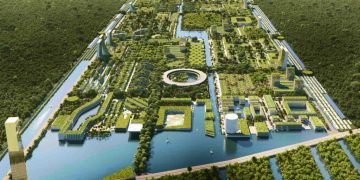

























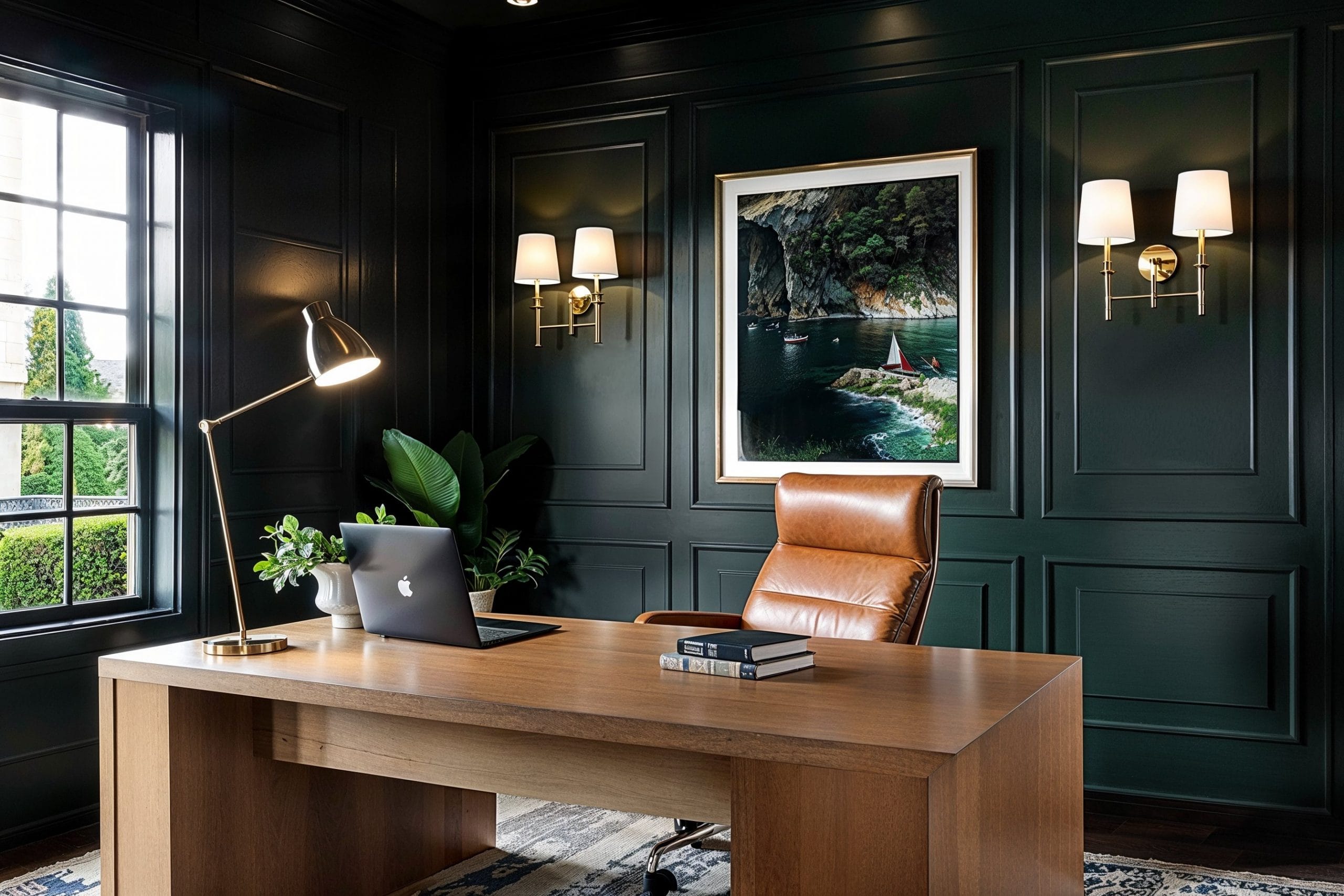
In an era dominated by concrete jungles, glass towers, and endless fluorescent lights, it’s easy to forget that humans evolved in a world of trees, rivers, and sunlight. The modern workplace, while designed for efficiency, often strips away these natural cues. Research in environmental psychology, organizational behavior, and design innovation suggests that the answer to enhancing productivity may lie not in faster computers or stricter schedules, but in a principle as old as life itself: nature. Nature-inspired design, also known as biophilic design, seeks to bridge the gap between the artificial environments we inhabit and the natural environments in which our brains and bodies thrive.
The question is simple yet profound: Can workplaces that embrace elements of nature actually improve productivity? Evidence increasingly says yes. But to understand why, we need to explore the science, psychology, and design principles that underpin the concept—and then see how businesses can apply it effectively.
The Science Behind Nature and Productivity
Humans have an innate connection to nature, a concept called biophilia. Biologist Edward O. Wilson coined the term in the 1980s to describe humans’ instinctive affinity for natural environments. Our sensory systems are attuned to natural stimuli: the rustle of leaves, the dappled pattern of sunlight, the scent of rain on soil. These inputs are not just aesthetically pleasing—they have measurable effects on our physiology and cognitive function.
Cognitive Restoration
One of the key mechanisms by which nature impacts productivity is through cognitive restoration. Our brains operate like muscles: prolonged focus depletes our mental resources, a phenomenon called directed attention fatigue. Nature provides a subtle yet powerful form of “soft fascination” that allows our cognitive resources to replenish. Unlike artificial distractions, natural stimuli engage attention without causing strain. For example, a view of trees from a window, a small indoor plant, or even a water feature can reduce mental fatigue, improve concentration, and increase problem-solving capacity.
Stress Reduction
Stress is the productivity killer hidden in plain sight. Chronic stress diminishes focus, creativity, and resilience, while also increasing the likelihood of burnout. Studies have shown that natural environments lower cortisol levels, reduce blood pressure, and improve mood. Even visual or auditory exposure to nature—like pictures of forests or the sound of flowing water—can trigger these physiological responses. A workplace that subtly integrates these cues can therefore create a calmer, more focused workforce without mandating meditation sessions or wellness programs.
Mood and Creativity Enhancement
Mood and creativity are closely linked to productivity, especially in roles requiring innovation and strategic thinking. Exposure to nature, whether direct or simulated, boosts positive affect, which enhances divergent thinking. Divergent thinking—the ability to generate multiple solutions to a problem—is a cornerstone of creativity. In other words, nature doesn’t just calm us; it also primes us for novel ideas and solutions.
Principles of Nature-Inspired Design in the Workplace
Nature-inspired design is more than placing a few plants in the office corner. True biophilic design integrates natural patterns, materials, and processes into the architecture and interior layout, creating a seamless dialogue between the built environment and the natural world. There are several key principles:
1. Visual Connection to Nature
Windows with views of greenery, indoor gardens, or even digital landscapes can provide the restorative benefits discussed earlier. The visual connection to nature is perhaps the simplest yet most impactful element of biophilic design. It satisfies the brain’s craving for natural patterns and reduces feelings of confinement.
2. Natural Materials
Wood, stone, bamboo, and other organic materials can evoke a sense of warmth and grounding. Natural textures are not just aesthetic—they also impact sensory perception and tactile engagement, subtly improving well-being and comfort. A wooden desk may feel more inviting than steel, a cork wall may reduce noise stress, and natural flooring materials can make movement feel more fluid.
3. Organic Shapes and Patterns
Straight lines and rigid geometries dominate most offices, but organic shapes—curved desks, rounded meeting rooms, fractal-inspired wall patterns—can mirror the irregular yet harmonious patterns found in nature. Fractals, which appear in tree branches, clouds, and river systems, are particularly effective at inducing relaxation and visual pleasure.
4. Light and Air Quality
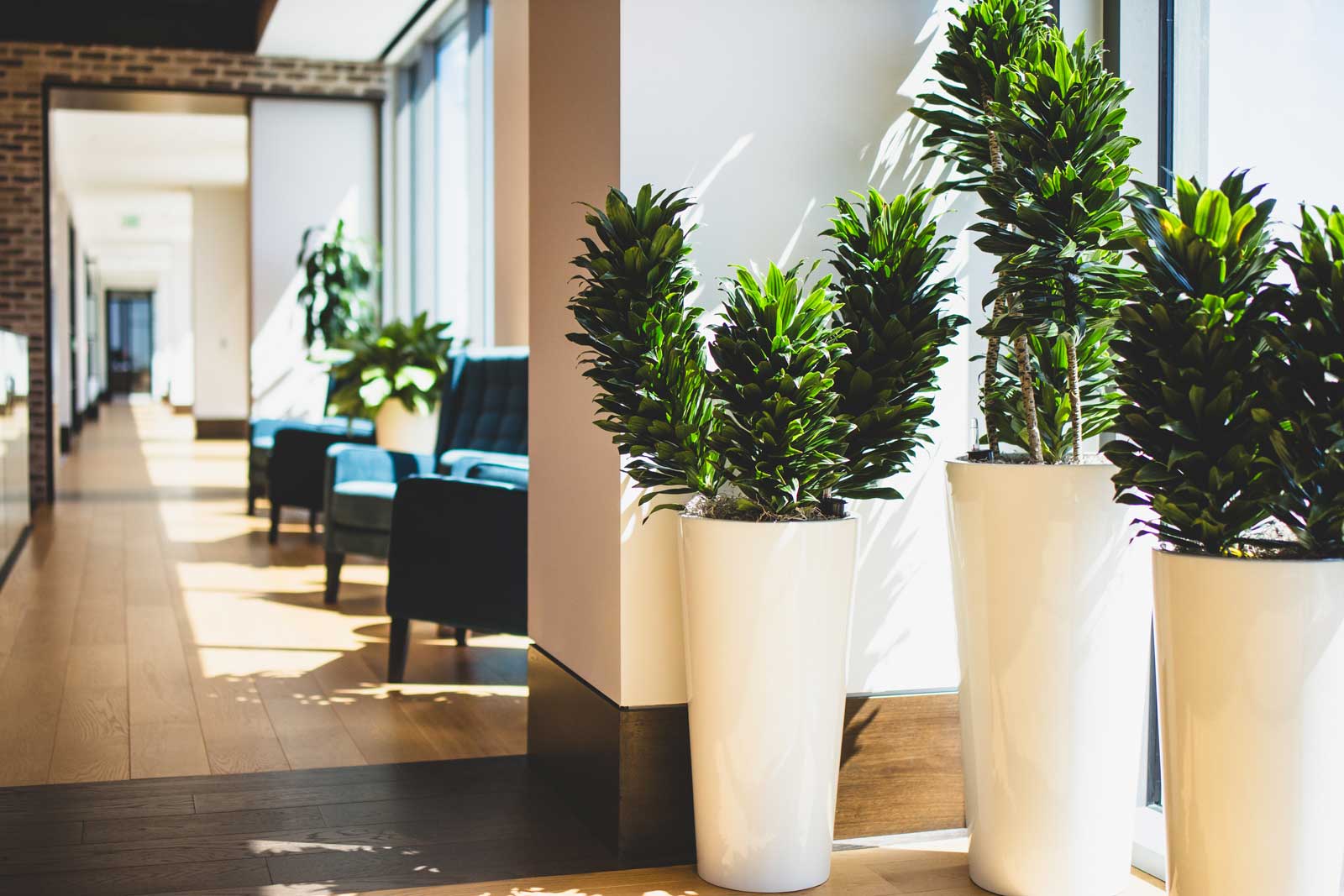
Natural light and fresh air are foundational to productivity. Sunlight regulates circadian rhythms, which in turn influence energy levels, mood, and cognitive performance. Incorporating skylights, large windows, or even circadian lighting systems indoors can simulate these benefits. Air quality, often overlooked, also plays a crucial role. Plants not only contribute visually but can improve air quality, reducing pollutants and increasing oxygen levels—both of which support cognitive function.
5. Water Features
Water is universally associated with calmness and reflection. Integrating fountains, aquariums, or flowing water motifs can improve emotional well-being, reduce stress, and even create ambient soundscapes that mask distracting noises.
6. Spaces for Retreat and Exploration
Nature inspires both contemplation and exploration. Workplaces can reflect this duality by offering quiet zones for focus and discovery zones for collaboration and creativity. Small indoor gardens, terraces, or even simulated nature pods can serve as micro-retreats, fostering mental restoration and encouraging spontaneous interactions.
Evidence from Real-World Applications
Organizations worldwide have experimented with biophilic design, and the results are compelling.
Case Study: Technology Firms
Several technology companies have incorporated natural elements into their campuses. Open office spaces feature indoor plants, floor-to-ceiling windows, and organic design motifs. Employee surveys report higher job satisfaction, increased creative output, and lower stress levels. Even simple measures, like green walls or rooftop gardens, have been linked to measurable improvements in productivity metrics.
Healthcare and Research Facilities
Hospitals and research labs have long studied the impact of nature on human performance. Patients exposed to natural views recover faster, and staff working in environments enriched with plants and sunlight report fewer symptoms of fatigue and stress. Translating these principles to office work is logical: if nature aids recovery and focus in high-stress healthcare settings, it can enhance everyday cognitive performance in corporate environments.
Startups and Co-Working Spaces
Modern co-working spaces often leverage biophilic design to attract talent. Large open areas, abundant natural light, and indoor greenery create environments that feel less corporate and more stimulating. Startups report higher engagement, lower turnover, and better collaboration in these spaces.
Beyond Aesthetics: The ROI of Nature-Inspired Design
Skeptics often ask, “Does it really pay off?” The answer is yes—and in multiple dimensions:
- Employee Productivity: Reduced stress and cognitive restoration translate directly into better task performance, faster problem-solving, and higher quality output.
- Wellness and Retention: Employees in nature-rich workplaces report higher job satisfaction, lower absenteeism, and stronger commitment to the organization.
- Energy Efficiency: Biophilic design often aligns with sustainable practices—natural light reduces reliance on artificial lighting, and plants can improve air quality without mechanical filtration.
- Brand Image: Companies that embrace nature-inspired design signal innovation, environmental awareness, and employee-centric values, which can attract talent and clients alike.
In short, investing in biophilic design isn’t just a feel-good gesture—it’s a strategic business decision with measurable returns.
Implementing Nature-Inspired Design: Practical Tips
Adopting biophilic principles doesn’t require tearing down walls or relocating to a forest. Here’s how workplaces can integrate nature thoughtfully:
1. Audit Existing Spaces
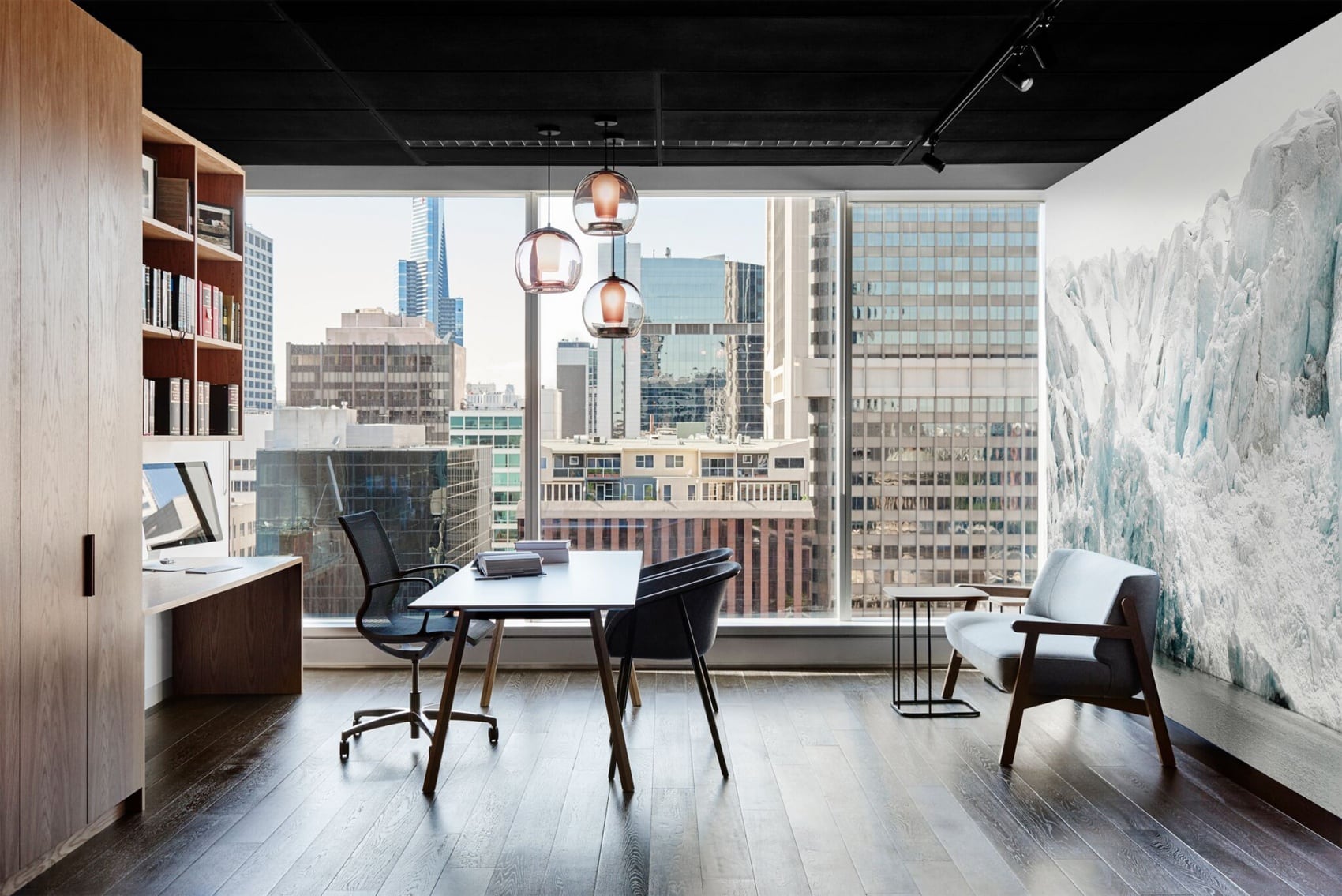
Identify where natural elements are missing or underrepresented. Is lighting too artificial? Are walls monotonous? Could air circulation or greenery improve?
2. Prioritize High-Impact Interventions
Start with visual connections to nature—windows, digital nature displays, or indoor plants. These interventions are inexpensive, easy to implement, and scientifically proven to improve mood and focus.
3. Integrate Nature Gradually
Organic shapes, natural materials, and water features can be introduced over time. This phased approach allows employees to adapt and ensures the design aligns with organizational culture.
4. Encourage Movement and Exploration
Design spaces that invite walking, stretching, or informal meetings near natural features. Movement combined with natural exposure multiplies restorative effects.
5. Measure Outcomes
Track metrics such as employee satisfaction, absenteeism, error rates, and creative output. Feedback loops help refine the approach and demonstrate ROI.
Future Directions: Technology Meets Nature
As technology continues to shape workplaces, we are seeing innovative blends of biophilic principles with digital innovation:
- Augmented Reality (AR) Windows: Employees can enjoy virtual nature views in windowless offices.
- Smart Lighting Systems: Mimic natural daylight cycles to support circadian rhythms.
- AI-Powered Air and Climate Control: Optimize indoor air quality and comfort for better cognitive performance.
- Interactive Green Spaces: Sensors in indoor gardens can track engagement, plant health, and even employee stress indicators.
These approaches demonstrate that nature-inspired design is not limited to static elements; it can be dynamic, adaptive, and integrated with emerging technologies to maximize productivity.
Challenges and Misconceptions
Despite the clear benefits, implementing nature-inspired design is not without challenges:
- Cost Concerns: Initial investments in greenery, lighting, or water features may seem high, but ROI studies suggest long-term gains outweigh costs.
- Maintenance: Plants and water features require care; a neglected feature can backfire psychologically.
- Cultural Resistance: Employees accustomed to traditional office layouts may resist change; gradual integration and education help mitigate this.
- Overemphasis on Aesthetics: Nature-inspired design is not just about beauty—it’s about function, wellness, and cognitive benefits. Superficial implementation may fail to deliver real productivity gains.
Understanding these challenges allows organizations to implement biophilic principles thoughtfully rather than superficially.
Conclusion
The modern workplace often feels alien, designed for efficiency but not for the humans who inhabit it. Nature-inspired design offers a powerful solution, bridging the gap between our evolutionary instincts and contemporary work demands. By incorporating visual cues, natural materials, organic shapes, light, air, and water, organizations can enhance cognitive performance, reduce stress, and foster creativity.
The evidence is compelling: workplaces that embrace nature are not only more aesthetically pleasing but measurably more productive, healthier, and satisfying. As the world of work evolves—with remote options, hybrid models, and technologically advanced offices—the principles of biophilic design remain timeless. They remind us that productivity is not just a function of effort; it’s a function of environment. And environments that honor our connection to nature allow humans not only to survive but to thrive.
In essence, nature is not a luxury in the office—it’s a productivity tool, wellness booster, and creativity catalyst rolled into one. The challenge for modern businesses is simple: stop fighting the human need for nature, and start designing with it in mind. The results will speak for themselves.













Discussion about this post