























The world is changing faster than ever. Cities are growing, work is evolving, and technology is leaping ahead in ways that make yesterday’s office life feel almost prehistoric. Among the most striking lifestyle transformations is the rise of the digital nomad—a person untethered from a fixed office, working remotely from beaches, co-working spaces, cafés, or even mountain cabins. But as we enter 2026, a pressing question emerges: is the digital nomad lifestyle sustainable, or is it just a romanticized mirage?
Let’s dive deep into this world, examining the economic, technological, social, and environmental angles to understand whether the freedom to work from anywhere can truly coexist with long-term viability.
The Evolution of the Digital Nomad
The digital nomad lifestyle is not entirely new. Even before smartphones, cloud computing, and high-speed internet became ubiquitous, a small tribe of adventurous professionals experimented with remote work. Freelancers, writers, and tech consultants often found ways to combine travel with productivity. However, the 2020s amplified this trend dramatically.
Several factors contributed to this explosion:
- Remote Work Revolution: The COVID-19 pandemic accelerated the normalization of working from home, proving that productivity is possible without physical office spaces. Companies began to recognize that location independence could reduce overhead and attract top talent.
- Digital Infrastructure Expansion: High-speed internet is no longer limited to urban centers. Satellite internet, 5G, and emerging mesh networks allow nomads to work from increasingly remote locations.
- Cultural Shift: Younger generations prioritize experiences over possessions. Flexibility, travel, and personal fulfillment often outweigh traditional career metrics.
By 2026, digital nomads are no longer fringe mavericks—they represent a sizable and growing global workforce. But popularity alone doesn’t guarantee sustainability.
Economic Sustainability: Can Nomads Make a Living?
One of the most critical aspects of sustainability is financial stability. Being a digital nomad sounds glamorous, but behind the Instagram posts of beaches and mountain vistas lies a complex economic reality.
Diverse Income Streams
Successful digital nomads often diversify income:
- Freelancing and Contract Work: Writing, design, programming, and consulting are common avenues. Platforms like Upwork, Fiverr, and Toptal make connecting with clients easier than ever.
- Entrepreneurship: Some run fully remote businesses, from e-commerce to SaaS products. This approach can offer higher income potential but comes with greater risk.
- Passive Income: Investments, affiliate marketing, online courses, and royalties allow nomads to earn without constant labor input.
Diversification mitigates risk, but instability remains a concern. Income can fluctuate seasonally, and global economic shocks—like inflation or recessions—can hit nomads harder than traditional employees with benefits.
Cost of Living Considerations
While many nomads are attracted to low-cost destinations, 2026 brings new challenges:
- Rising tourism demand in hotspots like Bali, Lisbon, and Chiang Mai has driven rents and services higher.
- Currency fluctuations can unexpectedly affect living expenses.
- Access to quality healthcare may be limited in certain regions, requiring private insurance that adds to costs.
Economically, sustainability depends on balancing income streams with a flexible, adaptable spending strategy.
Technological Enablers and Constraints
No discussion of digital nomadism is complete without examining technology—the engine of the lifestyle.
Connectivity Is King
Remote work relies entirely on reliable internet. Fortunately, 2026 brings unprecedented connectivity options:

- Satellite Internet: Networks like Starlink allow stable connections in remote areas, though costs remain significant for long-term use.
- 5G Expansion: Urban and semi-urban areas are now widely covered, enabling real-time collaboration and high-definition streaming.
- Cloud Computing & Collaboration Tools: Platforms like Notion, Slack, Zoom, and Figma ensure work continuity across continents.
However, dependency on technology introduces vulnerabilities. Network outages, cybersecurity threats, and software failures can cripple productivity in ways office-based employees rarely face.
AI and Automation
Artificial Intelligence is reshaping the nature of work:
- AI tools can automate routine tasks, freeing nomads to focus on higher-value work.
- Predictive analytics can optimize travel planning, budgeting, and client management.
- AI-powered language translation allows seamless communication in foreign countries.
Yet, there’s a flip side. Increasing automation threatens some freelance jobs, making certain skill sets obsolete. Sustainable nomadism requires continuous learning and adaptability to technological change.
Social Sustainability: Community and Loneliness
Living out of a suitcase offers freedom, but it also challenges human needs for community, belonging, and stability.
Nomad Hubs and Co-Living
Cities like Lisbon, Medellín, and Ho Chi Minh have developed co-working and co-living spaces catering to digital nomads. These hubs provide:
- Networking opportunities
- Mentorship and skill-sharing
- Social events to combat isolation
However, social connections are often transient. Relationships formed in nomad communities can be short-lived, and meaningful connections outside the nomad bubble may require effort and travel.
Mental Health Considerations
Constant travel can exacerbate stress, anxiety, and burnout. Unpredictable work hours, visa uncertainties, and cultural adjustments add layers of complexity. Nomads increasingly rely on mental health apps, therapy platforms, and mindfulness practices to maintain balance.
Environmental Sustainability: The Carbon Cost of Freedom
Digital nomads often romanticize travel, but sustainability extends beyond personal well-being—it encompasses the planet.
Travel Emissions
Air travel remains the largest contributor to a nomad’s carbon footprint. Even as airlines adopt more sustainable fuels and hybrid-electric planes begin emerging, frequent travel creates environmental tension. Nomads must weigh the benefits of mobility against ecological impact.
Local Impact
High nomad inflows can strain local infrastructure:
- Rising rents can displace long-term residents.
- Increased waste and water consumption stress local resources.
- Cultural homogenization can dilute local traditions.
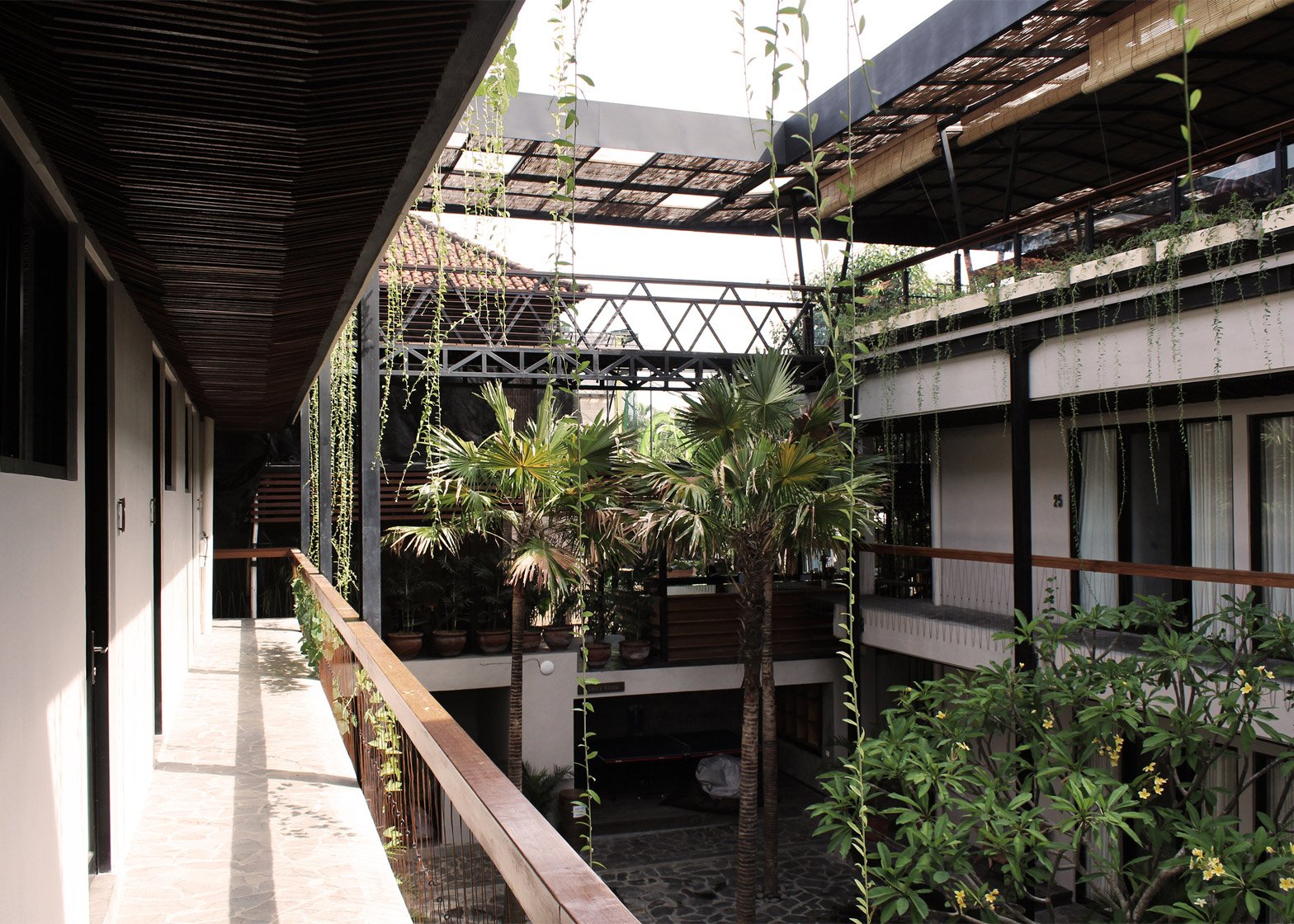
Sustainable digital nomadism may require more conscientious travel—longer stays in fewer places, eco-friendly accommodation, and active support for local communities.
Legal and Logistical Challenges
Mobility isn’t just about flights and Wi-Fi—it’s about visas, taxes, and regulations.
Visa Complexity
Many countries now offer digital nomad visas, but requirements vary:
- Proof of income
- Health insurance
- Background checks
Visa policies are evolving rapidly, and staying compliant is crucial to avoid legal headaches.
Taxation and Banking
Nomads often face intricate tax landscapes:
- Dual residency rules may require filing in multiple countries.
- Banking access can be limited abroad, though fintech solutions are improving.
- Health insurance and retirement planning need careful attention.
A sustainable nomad lifestyle requires administrative diligence—something often underestimated in the allure of “freedom.”
Future Outlook: Hybrid Nomadism
The future of digital nomadism in 2026 may not be purely location-independent. Hybrid models are emerging:
- Remote-first Companies: Some employees rotate between home base and nomadic travel.
- Regional Nomad Hubs: Staying within one country or region reduces carbon footprint and administrative complexity.
- Seasonal Nomadism: Alternating periods of work and travel to balance community, income stability, and mental health.
Hybrid models suggest that sustainability lies not in complete freedom but in strategic flexibility.
Skills and Mindset for Long-Term Sustainability
Sustainability isn’t just structural—it’s personal. Digital nomads who thrive long-term exhibit certain traits:
- Adaptability: Navigating cultural, economic, and technological changes.
- Financial Literacy: Budgeting, investing, and income diversification.
- Tech Fluency: Leveraging AI, cloud tools, and cybersecurity awareness.
- Resilience: Managing isolation, uncertainty, and intermittent failures.
Nomads who cultivate these skills can transform a transient lifestyle into a stable, rewarding career path.
The Bottom Line
Is the digital nomad lifestyle sustainable in 2026? The answer is nuanced.
- Economically: Viable with careful planning and diversified income.
- Technologically: Highly supported, though dependent on infrastructure and security.
- Socially: Achievable with effort, but isolation remains a challenge.
- Environmentally: Tension exists between freedom and ecological responsibility.
- Legally: Complex, but manageable with research and adaptability.
In short, sustainability is possible—but it requires intentional choices, ongoing learning, and mindfulness about impact. The romantic notion of endless travel is being replaced by a more sophisticated reality: a life of freedom balanced with responsibility, both personal and global.
Digital nomadism in 2026 is not about escaping society—it’s about redesigning it, blending work, travel, and life in a conscious, sustainable rhythm.












Discussion about this post