







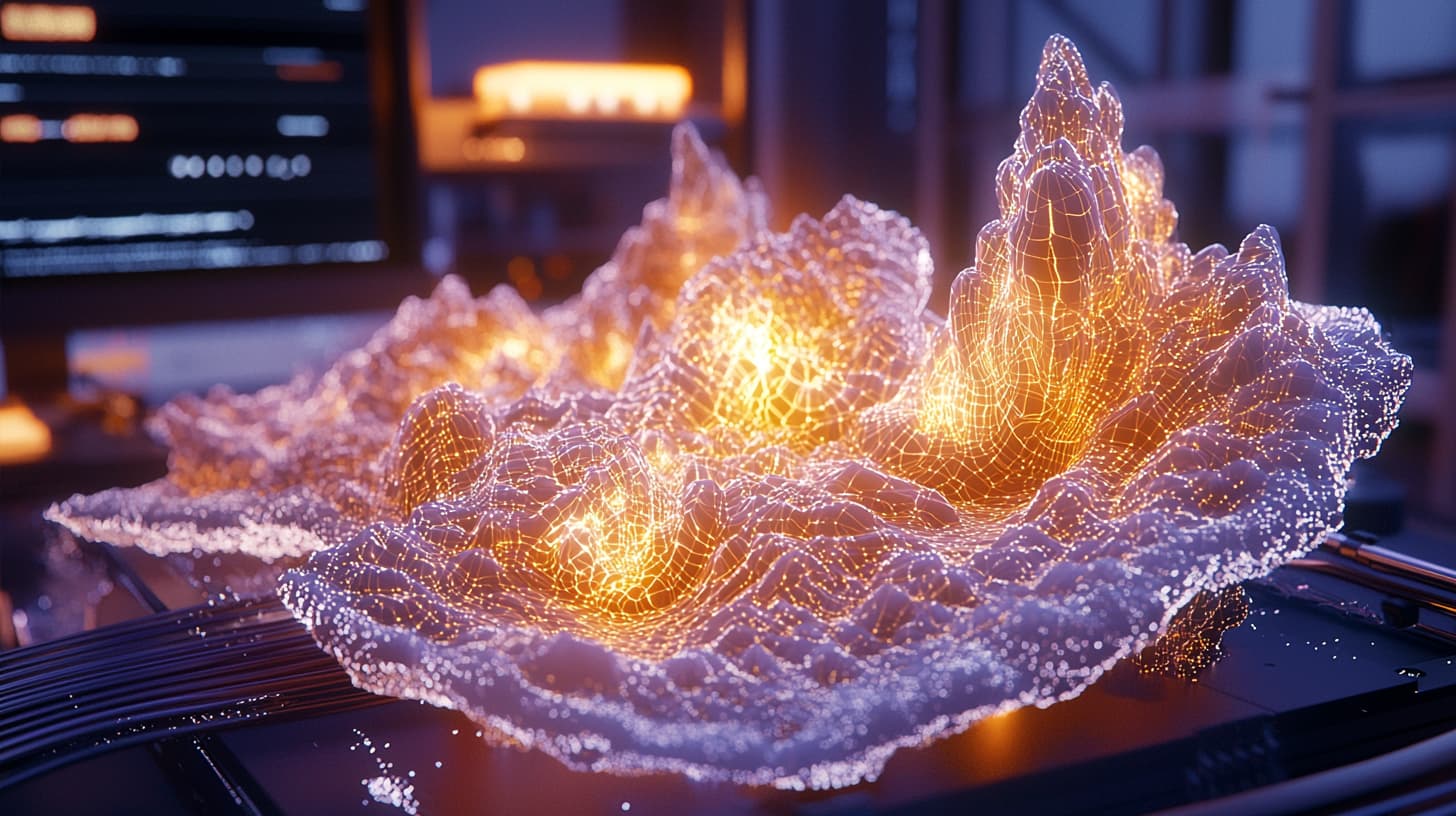
Art has always been a mirror reflecting the values, emotions, and imagination of humanity. From the earliest cave paintings to Renaissance masterpieces and modern digital creations, art has evolved with society, technology, and human ingenuity. But the landscape is shifting faster than ever. Artificial Intelligence (AI) is no longer a backstage assistant in the studio; it’s stepping onto the stage as a creator, sometimes producing works indistinguishable from human-made art. As AI-powered art begins to flood galleries, online marketplaces, and commercial campaigns, the question becomes unavoidable: Are we ready for AI-powered art to dominate the market?
The Rise of AI in Artistic Creation
AI in art isn’t science fiction anymore—it’s an everyday reality. Algorithms powered by deep learning and generative models, like GANs (Generative Adversarial Networks) and diffusion models, can now generate paintings, music, animations, and even sculptures. These systems learn from vast datasets of human-created works, analyzing patterns, styles, and techniques to produce original outputs.
What makes AI art revolutionary is its speed and adaptability. A human artist may spend months perfecting a piece; an AI can generate hundreds of variations in minutes. Brands and designers are increasingly leveraging AI to create marketing visuals, product mockups, and personalized experiences, blurring the line between technology and creativity. This surge raises questions about authenticity, value, and the evolving role of human artists.
Redefining Creativity
Traditionally, creativity has been considered an inherently human trait, born from emotion, experience, and intuition. AI challenges this notion by demonstrating that algorithms can mimic—or even surpass—certain aspects of human creativity.
But can AI truly be creative? Philosophically, it depends on your definition. AI doesn’t “feel” or “interpret” the world in a conscious sense; it identifies patterns and optimizes outputs based on input data. Yet, for audiences and consumers, the distinction often doesn’t matter. A stunning piece of digital art that evokes emotion or sparks conversation can be appreciated without concern for its creator’s consciousness.
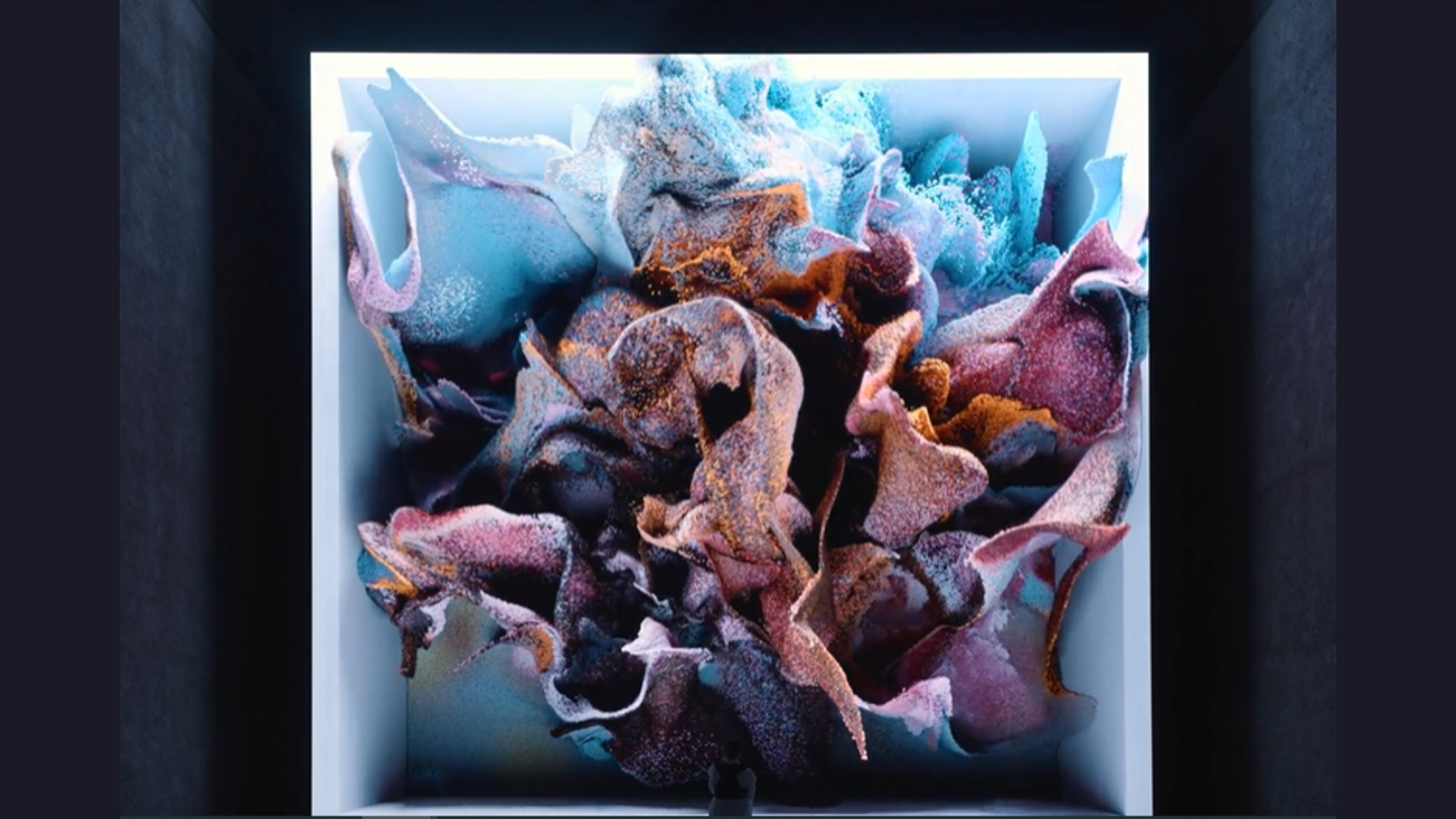
This shift compels us to rethink authorship, originality, and artistic intent. If an AI-generated painting sells for millions, does the value reside in the algorithm, the training data, or the human who guided it? Legal systems, intellectual property laws, and art markets are scrambling to adapt.
Market Implications: Democratization or Disruption?
AI-powered art has the potential to democratize creativity. Anyone with a computer or smartphone can generate professional-looking artworks, lowering barriers for emerging creators. Small businesses can design high-quality visuals without hiring a team of designers. Social media platforms are seeing a flood of AI-generated illustrations, memes, and videos, making creative expression accessible to millions.
However, there’s a flip side: market disruption. As AI-generated art scales, human artists may struggle to compete on speed and volume. Galleries and online marketplaces may favor AI creations due to cost efficiency, potentially marginalizing traditional talent. The risk of homogenization also looms, as AI trained on similar datasets may produce repetitive or derivative styles, threatening diversity in artistic expression.
Ethical Considerations
AI art is not just a technical and economic challenge—it’s an ethical one.
- Copyright and Attribution: Most AI systems are trained on publicly available artworks, often without explicit permission. This raises concerns about intellectual property infringement. Are AI-generated works truly original, or are they derivative compilations of existing art?
- Job Displacement: Professional artists, illustrators, and designers may see reduced opportunities, particularly in commercial sectors that prioritize efficiency over human creativity.
- Bias and Representation: AI models reflect the biases present in their training datasets. This can lead to cultural misrepresentation, stereotyping, or exclusion of marginalized voices.
- Transparency: Should consumers be informed that a work is AI-generated? Many argue for clear labeling to maintain trust, while others believe the focus should remain on the aesthetic and functional value.
The Role of Human Artists in an AI World
Despite concerns, human creativity remains irreplaceable. While AI can generate technically impressive work, it lacks personal narrative, lived experience, and intentional imperfection—qualities that give art depth and meaning. Successful integration may involve collaboration rather than competition:
- AI as a co-creator: Artists can use AI to explore ideas, experiment with styles, or accelerate production without losing their creative vision.
- Hybrid artworks: Combining AI outputs with human refinement allows for innovative pieces that neither could achieve alone.
- Curatorial expertise: Selecting, editing, and contextualizing AI-generated art requires human judgment, ensuring that the final work resonates with audiences.
In this collaborative paradigm, AI becomes a tool rather than a replacement, enhancing rather than erasing human creativity.
Commercial Opportunities
Businesses are already exploiting AI art to unlock new revenue streams. Examples include:
- Marketing campaigns: Brands generate personalized visuals and dynamic content at scale.
- Gaming and virtual worlds: AI creates immersive environments, characters, and narratives faster than ever.
- NFTs and digital collectibles: AI-generated assets fuel a booming market for unique digital ownership.
- Fashion and product design: Rapid prototyping of patterns, prints, and styles saves time and cost.
The common thread is speed, cost-efficiency, and customization—AI enables creative solutions that were previously unimaginable.
Challenges to Widespread Adoption
Even with its potential, AI-powered art faces hurdles:
- Public Perception: Some audiences remain skeptical, viewing AI creations as “soulless” or “inauthentic.”
- Legal Ambiguity: Intellectual property frameworks are struggling to define ownership and liability for AI-generated works.
- Data Limitations: AI outputs are only as good as their training datasets. Poor data leads to low-quality or biased art.
- Technical Barriers: High-performance AI models require computational resources, which can be costly and environmentally taxing.
Overcoming these obstacles will determine whether AI art becomes a mainstream force or remains a niche curiosity.
Cultural Impact and the Future of Art
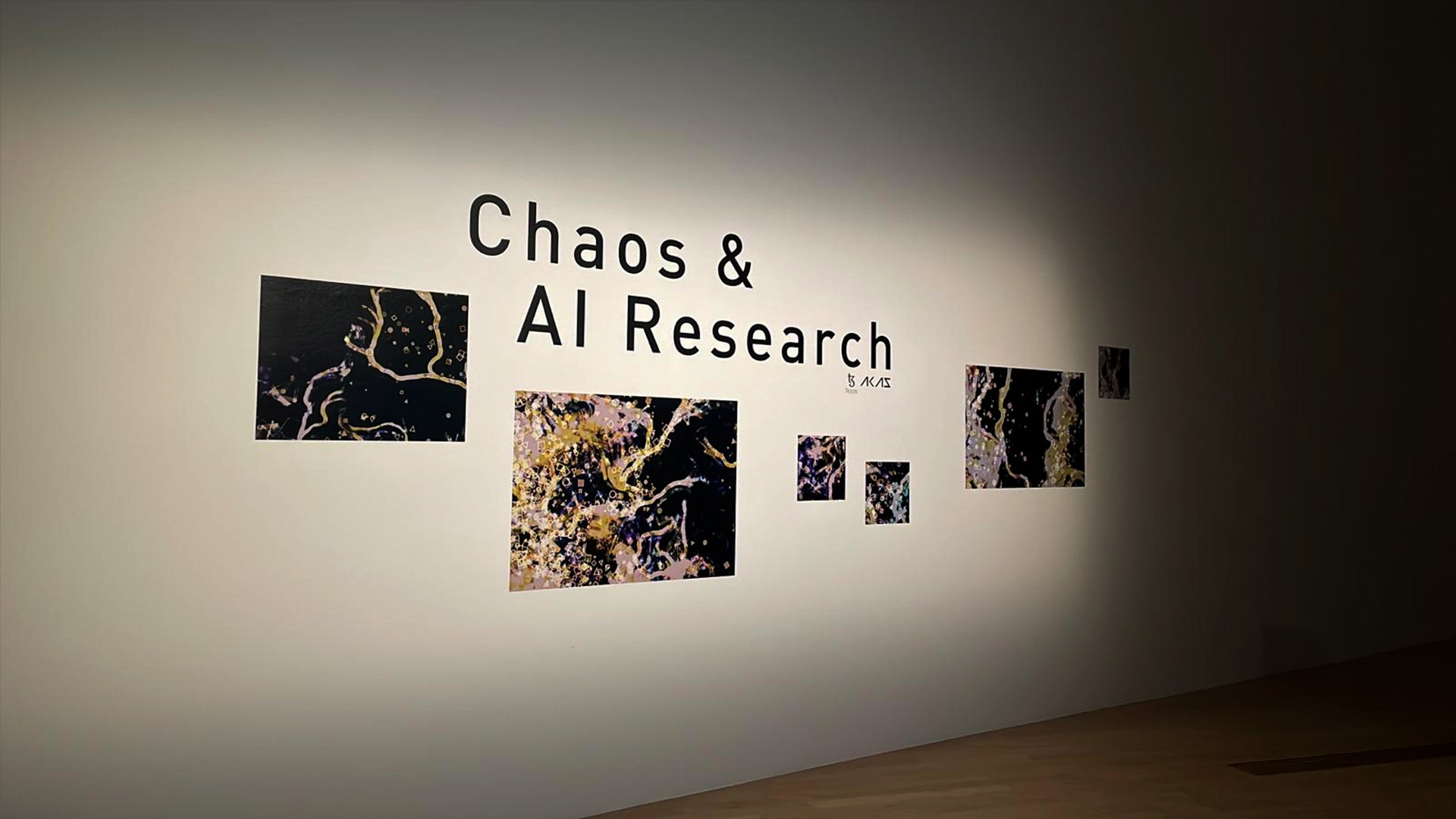
AI art challenges society to reconsider what art means and who creates it. Museums and galleries are experimenting with AI exhibitions, provoking dialogue about technology, authorship, and cultural evolution. Educational institutions are integrating AI tools into art curricula, teaching students to blend traditional techniques with cutting-edge technology.
In the long term, AI could transform the definition of creativity itself. If machines can generate compelling, emotionally resonant art, humanity may shift focus toward conceptual innovation, storytelling, and experience design—areas where human intuition still excels.
Sustainability and Ethical Design
As AI scales, environmental concerns come to the forefront. Large generative models consume substantial energy during training and deployment. Designers and technologists are exploring eco-friendly AI, including smaller models, optimized algorithms, and renewable energy-powered data centers.
Ethical AI in art also requires mindful cultural representation, fair attribution, and accessibility. Responsible adoption ensures that AI doesn’t just dominate the market but enhances the creative ecosystem for everyone.
Conclusion: Are We Ready?
The rise of AI-powered art presents a paradox: it is simultaneously exciting and disruptive, democratizing and threatening, innovative and ethically complex. Market dominance may be inevitable due to speed, accessibility, and cost advantages. Yet, readiness isn’t just about technology—it’s about society, ethics, culture, and human creativity adapting to a new paradigm.
We are entering an era where humans and machines co-create, compete, and coexist. The future of art is not merely AI replacing human artists—it is AI amplifying human imagination, challenging us to redefine creativity, value, and expression. How society navigates this transformation will determine whether AI art becomes a tool of empowerment or a source of contention.
In short, readiness is not about resisting AI—it’s about learning to work with it, ethically, thoughtfully, and creatively. The question is less whether AI will dominate, and more how we will shape the artistic landscape together.




Discussion about this post