

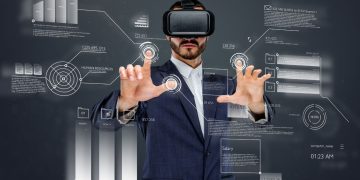


































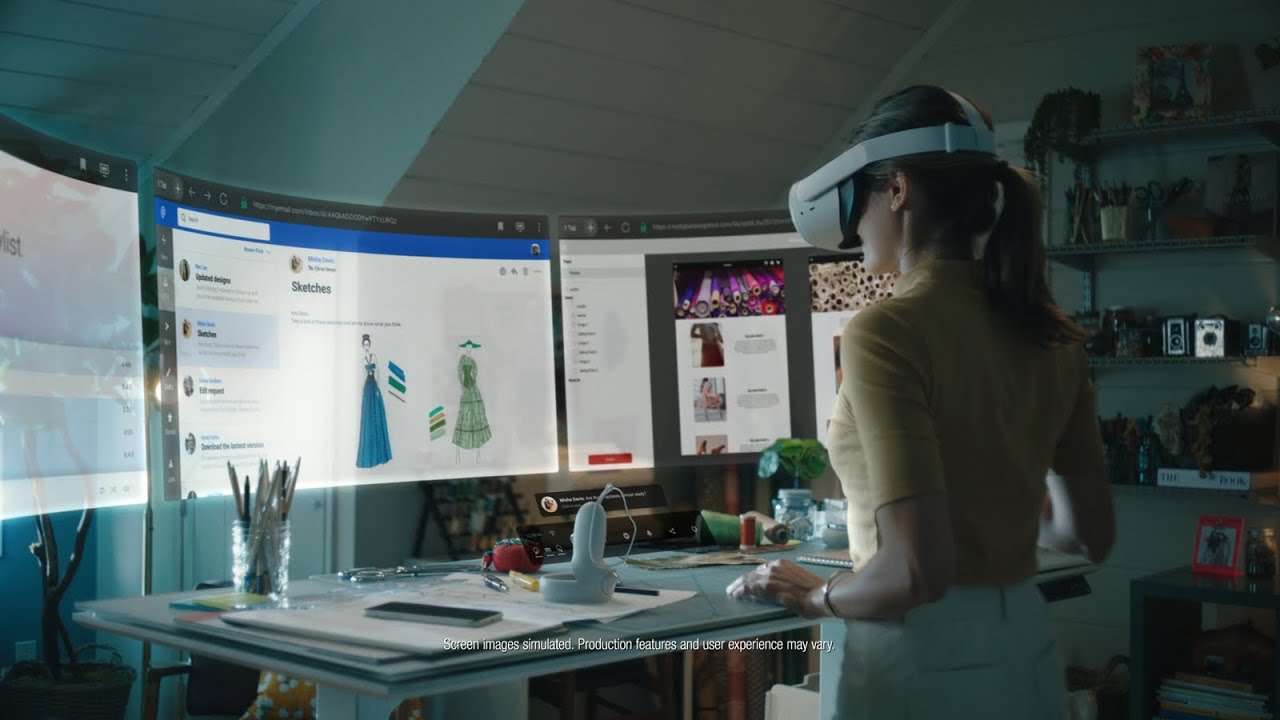
The office, as we’ve known it, is undergoing a radical transformation. For decades, the traditional workspace—cubicles, meeting rooms, water coolers—has shaped how humans collaborate, communicate, and innovate. But now, a new contender is emerging: Virtual Reality (VR) workspaces. No longer confined by physical walls, VR offers a paradigm shift where offices are no longer just places we go to—they become immersive environments we inhabit.
This isn’t just a futuristic dream. VR workspaces are already reshaping industries, redefining workflows, and challenging our conventional notions of productivity. But are they truly the future of office life, or just another passing tech trend? Let’s explore.
The Rise of VR in the Workplace
The concept of virtual workspaces is not entirely new. Remote work has existed for decades, powered by email, messaging apps, and cloud storage. Yet, the pandemic accelerated a realization: our traditional tools are limited. Video calls, though functional, can’t replicate the spontaneity of in-person collaboration. Screen-sharing is helpful, but it lacks the dimensionality of real-world interaction.
Enter VR. Unlike conventional tools, VR immerses users in a 3D environment, allowing avatars to interact, manipulate objects, and hold meetings in virtual rooms that can mimic—or surpass—physical spaces. Imagine brainstorming with colleagues on a floating platform above a digital cityscape or simulating complex workflows with real-time 3D models. The experience feels alive, interactive, and engaging in ways that 2D screens cannot match.
Advantages of VR Workspaces
1. Enhanced Collaboration
One of the most compelling benefits of VR workspaces is enhanced collaboration. Teams spread across continents can work in the same virtual room, manipulate shared 3D models, and interact with objects as though they were tangible. Architects can walk through virtual buildings, designers can iterate in real-time, and engineers can troubleshoot equipment before it exists in the physical world.
Traditional video meetings force participants into rigid frames, often reducing complex interactions to verbal explanations. VR, however, adds spatial context, body language, and environmental cues, which makes teamwork more natural and effective.
2. Accessibility and Inclusion
VR can democratize work environments. Employees with mobility issues, chronic illnesses, or those in remote regions gain access to office experiences that were previously inaccessible. By customizing avatars, workstations, and even ambient conditions, VR makes workplaces more inclusive. People can engage without worrying about commuting, physical constraints, or geographic limitations.
3. Creativity Unleashed
Creativity thrives in spaces that challenge conventional thinking. VR allows organizations to create environments that inspire—floating islands, futuristic labs, or zero-gravity collaboration rooms. Gamification elements can be introduced to meetings, turning tedious reporting into interactive storytelling. This not only increases engagement but also fosters innovative thinking that traditional offices often stifle.
4. Cost Efficiency in the Long Run
While VR hardware and software have upfront costs, long-term savings can be substantial. Companies can reduce physical office space, cut utility expenses, and minimize travel costs. Hosting a global conference in a VR environment can replace expensive flights, hotels, and logistics without sacrificing interactivity.
Challenges and Limitations
Despite its allure, VR workspaces are not without hurdles.
1. Hardware and Accessibility
VR headsets, gloves, haptic feedback devices, and compatible computers are still relatively expensive. Not all employees may have access, and tech disparities could widen inequalities if adoption isn’t managed carefully.

2. Learning Curve and Fatigue
VR isn’t inherently intuitive. Users need time to adapt to motion controls, gestures, and spatial navigation. Extended VR sessions can also cause discomfort—eye strain, dizziness, and “VR fatigue” are real issues that limit continuous use.
3. Security and Privacy
Virtual workspaces introduce unique security challenges. Sensitive information transmitted in 3D environments could be intercepted or recorded. Organizations must implement robust cybersecurity measures and data privacy protocols, particularly in industries like finance, healthcare, or defense.
4. Human Connection
While VR simulates presence, it’s not a perfect substitute for human touch, casual interactions, or shared experiences. Some studies suggest that too much VR can cause feelings of isolation or detachment from reality, making it unsuitable as a total replacement for physical offices.
Case Studies of VR in Action
Architecture and Engineering
Firms like Foster + Partners and Gensler have integrated VR into their design workflows. Virtual walkthroughs allow clients and teams to explore unbuilt spaces, adjust layouts, and experiment with materials in real-time. The result? Fewer costly revisions and a more immersive design process.
Corporate Training
Walmart and Boeing have pioneered VR-based training programs. Employees can simulate emergency situations, machinery operations, or customer interactions in controlled environments. These programs enhance skill retention and reduce risks associated with real-world training.
Remote Collaboration
Companies such as Spatial and Meta have created VR meeting platforms where global teams collaborate seamlessly. Whiteboards, sticky notes, and 3D prototypes can be manipulated as naturally as in physical offices, bridging the gap between remote and in-person collaboration.
The Psychological Impact of VR Workspaces
The human mind responds differently to immersive experiences. Studies suggest VR can improve focus, memory retention, and engagement. Gamified VR environments can motivate employees, while personalized virtual spaces reduce stress and increase satisfaction.
However, there’s a fine line. Over-immersion may blur the boundaries between work and personal life, contributing to burnout. Organizations adopting VR must carefully balance engagement with well-being.
Designing the Future Office
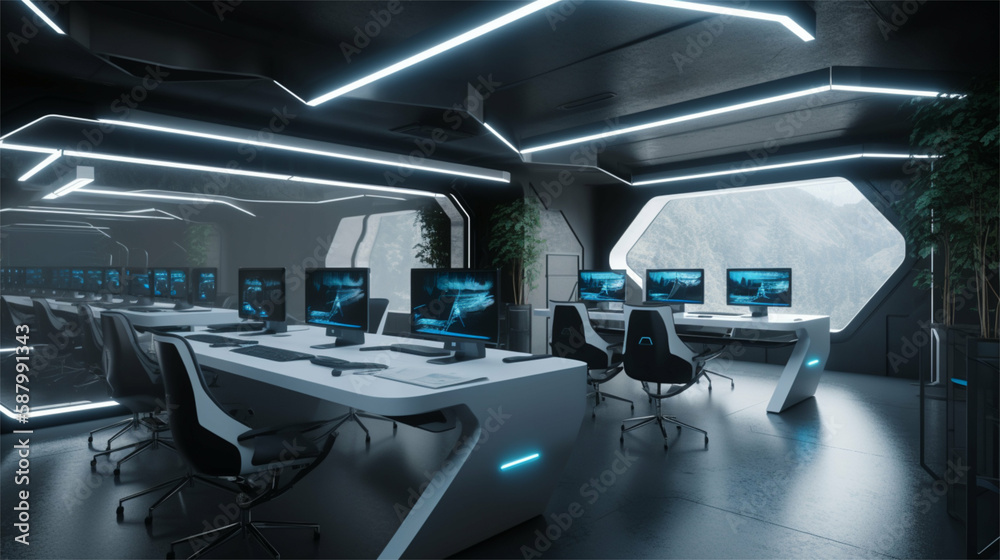
VR workspaces offer unparalleled flexibility in design. Office planners no longer face physical constraints. Conference rooms can expand infinitely, private offices can appear and vanish on demand, and collaborative zones can morph to suit tasks.
Moreover, VR can integrate with AI and augmented reality (AR) to provide adaptive workspaces. Imagine a meeting room that rearranges itself based on the number of participants, highlights urgent tasks in your environment, or uses AI avatars to summarize discussions in real-time. This synergy promises a smarter, more efficient office than we’ve ever experienced.
Will VR Replace Physical Offices?
The question is not whether VR will exist in the workplace—it already does—but whether it will replace traditional offices entirely. Most experts predict a hybrid model, where VR complements physical spaces rather than eliminates them.
Physical offices will remain essential for activities that require hands-on interaction, spontaneous socialization, and team bonding. VR, however, will dominate areas like training, collaboration across distances, simulations, and design-intensive projects. The future likely holds a balance: a digital-physical ecosystem where employees choose the most effective mode of work for each task.
Economic Implications
Widespread VR adoption could reshape urban landscapes. Reduced office space demand may lower commercial real estate costs. Cities might witness shifts in traffic patterns, transportation needs, and retail consumption. Conversely, new industries will emerge: VR software development, virtual furniture design, avatar creation, and immersive analytics.
Companies investing in VR now could gain competitive advantages in productivity, talent attraction, and brand perception. Early adopters may define the standards for the next generation of work.
Ethical Considerations
VR workspaces raise ethical questions. Employee monitoring, avatar representation, and data privacy must be managed responsibly. Employers must avoid excessive surveillance while ensuring equitable access to immersive tools. Additionally, companies must consider the mental health implications of prolonged VR usage and provide guidelines to prevent burnout or addiction-like behaviors.
The Road Ahead
Technological evolution is accelerating. Lighter headsets, wireless VR, eye-tracking, and haptic suits are already emerging, making immersive experiences more seamless. Integration with AI, AR, and cloud computing will expand VR’s capabilities, transforming it from novelty to necessity.
As VR ecosystems mature, standardization will become crucial. Protocols for interoperability, avatar representation, and data sharing will define successful adoption. Organizations that embrace this technology thoughtfully, balancing innovation with human-centric design, are poised to lead the next era of work.
Conclusion
Virtual Reality workspaces are more than a futuristic gimmick—they represent a profound shift in how humans work, interact, and create. By transcending physical limitations, enhancing collaboration, and fostering creativity, VR offers a glimpse into the office of tomorrow.
Yet, this future isn’t devoid of challenges. Hardware limitations, VR fatigue, ethical concerns, and the irreplaceable value of physical human interaction temper the excitement. The ultimate trajectory likely lies in hybrid models where VR complements, rather than replaces, traditional offices.
In the end, whether VR becomes a mainstream staple or a specialized tool, it will undeniably reshape the workplace landscape. Companies that experiment responsibly, prioritize inclusivity, and design immersive experiences with human well-being in mind will be the ones defining the future of office life.
Virtual Reality workspaces are here to stay—but they will succeed only if they enhance human potential, rather than replace it.













Discussion about this post