




































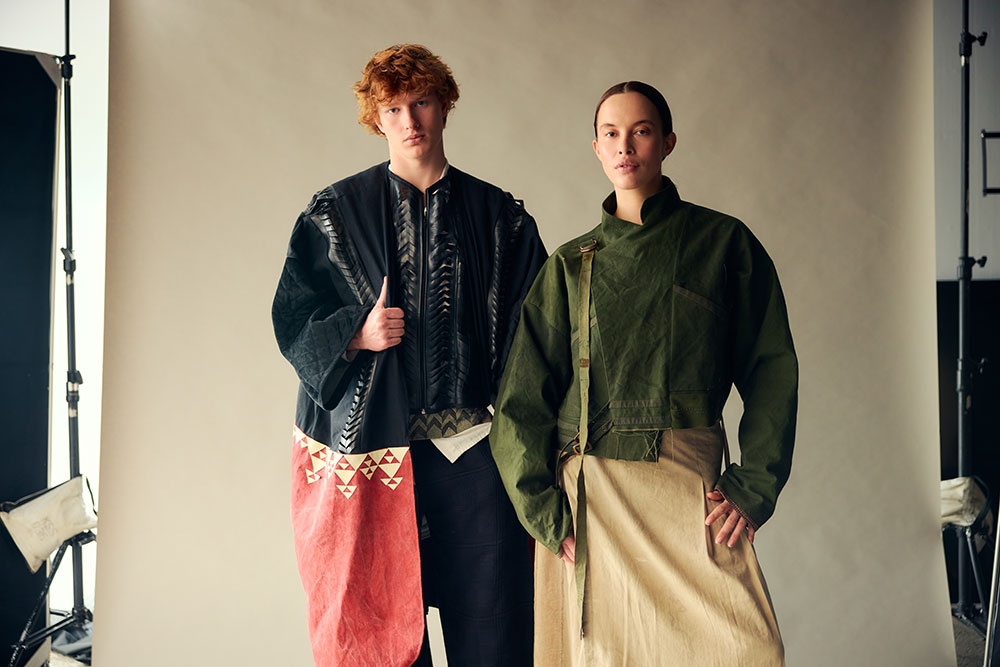
In recent years, sustainable fashion has transitioned from a niche concern into a powerful movement that intertwines environmental responsibility with personal wellbeing. While the obvious benefits of sustainable fashion—reducing waste, conserving resources, and promoting ethical labor practices—are widely discussed, its influence on mental health remains less explored. Yet, the intersection between what we wear and how we feel is profound, affecting our emotional, psychological, and even social wellbeing. This article delves into how sustainable fashion contributes to mental wellbeing, exploring its psychological impacts, social dimensions, and practical applications in everyday life.
The Psychology of Fashion: More Than Just Clothing
Fashion has long been recognized as a powerful medium for self-expression. The clothes we choose do not merely cover our bodies; they communicate identity, mood, and values. Wearing sustainable clothing can enhance self-perception in several ways: it can affirm our ethical beliefs, foster a sense of pride in contributing to a healthier planet, and reinforce personal values.
Research in environmental psychology highlights a concept called moral congruence, which refers to the harmony between our actions and beliefs. When individuals align their consumption patterns with their ethical standards—choosing eco-friendly, fair-trade, or recycled clothing—they often experience heightened satisfaction and reduced cognitive dissonance. This alignment can translate into improved mental wellbeing by lowering stress levels and promoting a sense of coherence in life choices.
Mindful Consumption and Emotional Regulation
Sustainable fashion encourages mindful consumption, which is a key factor in emotional regulation. Mindfulness is the practice of being fully present and aware of one’s thoughts and actions. By engaging in mindful shopping practices—such as researching brands, understanding material origins, and considering the lifecycle of garments—consumers cultivate patience, reflection, and intentionality.
This slow, deliberate approach contrasts sharply with fast fashion, which often promotes impulsive buying, overconsumption, and subsequent buyer’s remorse. Fast fashion, with its rapid production cycles and ever-changing trends, can fuel stress, anxiety, and even guilt. By contrast, choosing sustainable clothing can foster a calmer, more deliberate relationship with possessions, leading to emotional stability and a greater sense of control over one’s life.
The Empowerment Factor
Wearing sustainable fashion is also empowering. It signals conscious decision-making and the refusal to conform blindly to consumerist pressures. Empowerment has a direct link to mental wellbeing; feeling capable and morally consistent reduces anxiety and strengthens self-esteem. Individuals who choose sustainable fashion often report a sense of accomplishment and agency, knowing that their choices have positive social and environmental implications.
Moreover, sustainable fashion promotes inclusivity and body positivity. Many eco-conscious brands prioritize diversity in sizing, celebrate natural body shapes, and produce clothing that respects human dignity over rigid standards of beauty. By wearing such clothing, individuals can reinforce positive self-images, reducing stress associated with societal pressure to conform.
Social Connection Through Sustainable Choices
Humans are inherently social beings, and social connection is a cornerstone of mental health. Sustainable fashion fosters community engagement and collective purpose. People who participate in eco-fashion movements—through online communities, clothing swaps, or local eco-friendly markets—experience a sense of belonging. Shared values around sustainability create social bonds, encourage support networks, and reduce feelings of isolation.
Beyond direct social connections, sustainable fashion also reinforces societal mindfulness. Knowing that one’s clothing choices are aligned with ethical labor practices and environmental stewardship can reduce feelings of guilt or helplessness about global issues. This collective consciousness provides a psychological buffer against eco-anxiety, which is the distress arising from awareness of environmental degradation.
The Sensory and Aesthetic Experience
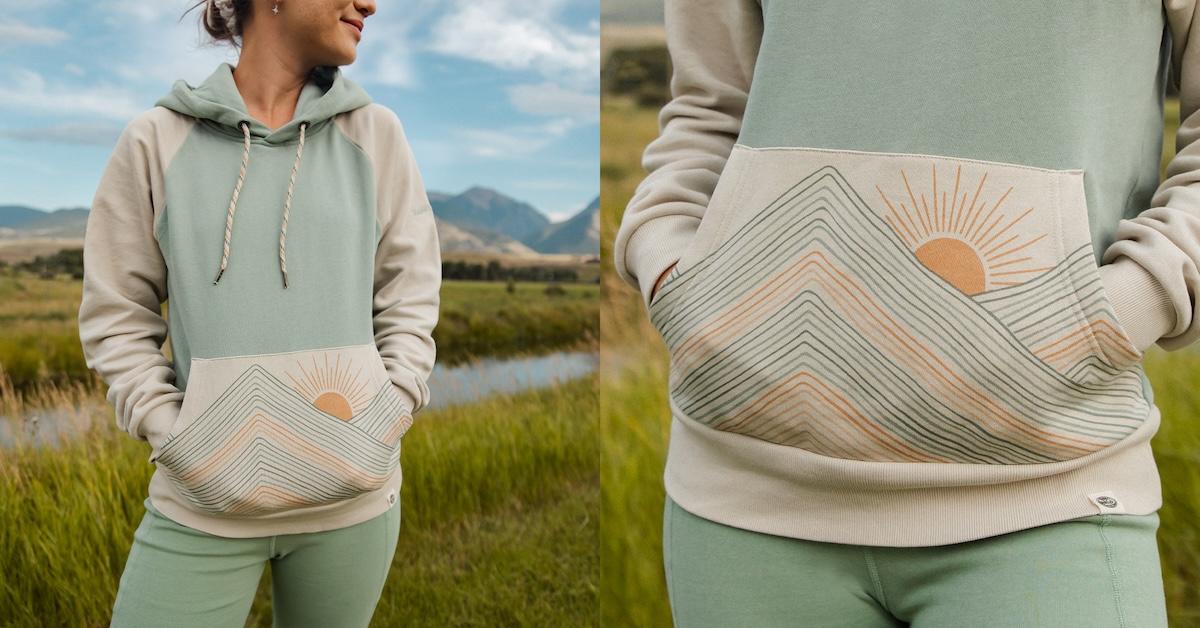
Sustainable fashion often emphasizes quality, natural fabrics, and timeless design. These elements contribute to the sensory experience of clothing, which has a measurable effect on mood and wellbeing. Natural fibers such as organic cotton, hemp, or bamboo are soft, breathable, and tactilely comforting, enhancing physical comfort and mental relaxation.
Aesthetic satisfaction also plays a role. Sustainable clothing often features minimalist, versatile designs that encourage thoughtful styling rather than mindless trend-chasing. This attention to aesthetics nurtures creativity, self-expression, and a sense of mastery—all of which are essential for psychological health.
Reducing Eco-Anxiety Through Action
Eco-anxiety, or environmental grief, is a growing mental health concern. Awareness of climate change, pollution, and biodiversity loss can trigger stress, helplessness, and depression. Sustainable fashion offers a tangible form of action to mitigate these feelings. Choosing clothing that is recycled, locally produced, or made from renewable materials provides a practical avenue for environmental engagement.
Engaging in such purposeful consumption transforms passive worry into active problem-solving, which improves resilience and psychological wellbeing. By contributing to environmental solutions through fashion choices, individuals gain a sense of efficacy and hope—emotional states closely tied to mental health.
Economic Mindfulness and Stress Reduction
While sustainable fashion is sometimes perceived as expensive, it promotes financial mindfulness that can reduce stress in the long term. Investing in high-quality, durable clothing discourages compulsive spending and the psychological burden of excess ownership. Financial strain is a well-documented stressor, and sustainable fashion encourages thoughtful budgeting and prioritization of long-lasting items over fleeting trends.
Moreover, practices such as clothing swaps, upcycling, or DIY fashion cultivate creativity, resourcefulness, and a sense of achievement. These activities strengthen cognitive flexibility and emotional resilience, both of which are protective factors against anxiety and depression.
Cultural and Ethical Identity Reinforcement
Sustainable fashion allows individuals to express cultural and ethical identity simultaneously. Many eco-conscious brands collaborate with local artisans, preserve traditional crafts, and highlight heritage techniques. Wearing such pieces reinforces a sense of connection to culture, community, and history, providing grounding and meaning in daily life.

Ethical alignment is also crucial. Supporting fair labor practices and responsible sourcing fosters moral satisfaction and psychological comfort. When individuals know that their clothing is ethically produced, they experience reduced guilt and enhanced self-respect, contributing to positive mental health outcomes.
Sustainable Fashion as a Therapeutic Practice
In some ways, sustainable fashion can be considered a therapeutic practice. Mindful selection, creative styling, and conscious maintenance of garments echo principles found in occupational therapy and cognitive-behavioral approaches. Activities such as repairing clothes, organizing a capsule wardrobe, or designing upcycled outfits can provide focus, reduce rumination, and promote a sense of accomplishment.
This approach to fashion transforms it from a superficial pursuit into a meaningful, emotionally nourishing ritual. In a world dominated by disposable consumerism, treating clothing as a source of joy, creativity, and purpose can have profound mental health benefits.
Environmental Impact as a Mental Health Catalyst
The health of the environment is inextricably linked to human wellbeing. By engaging with sustainable fashion, individuals contribute to reduced pollution, lower carbon emissions, and conservation of natural resources. Awareness of this positive impact reinforces purpose and efficacy, which are critical for mental wellbeing. Feeling connected to a larger mission beyond oneself enhances meaning in life—a core component of psychological resilience.
Overcoming Psychological Barriers to Sustainable Fashion
Despite the clear benefits, several psychological barriers prevent widespread adoption of sustainable fashion. These include perceived high costs, limited availability, social pressure to follow trends, and skepticism about brands’ environmental claims. Overcoming these barriers requires education, positive reinforcement, and social modeling.
Brands that transparently communicate their sustainability practices, highlight the mental and emotional benefits of ethical consumption, and cultivate community engagement can shift consumer behavior. Similarly, public campaigns that emphasize the personal wellbeing advantages of sustainable fashion—beyond environmental impact—can accelerate adoption.
Practical Steps to Integrate Sustainable Fashion for Mental Wellbeing
- Build a Capsule Wardrobe: Focus on a limited number of versatile, ethically produced pieces to reduce decision fatigue and encourage mindful dressing.
- Choose Quality Over Quantity: Invest in durable, eco-friendly fabrics that feel comfortable and boost confidence.
- Engage in Clothing Swaps or Upcycling: Transform old garments creatively, combining sustainability with therapeutic crafting.
- Support Ethical Brands: Research brands for fair labor practices, eco-certifications, and community impact.
- Practice Mindful Consumption: Before purchasing, reflect on your emotional motivations, necessity, and long-term satisfaction.
- Connect with Sustainable Communities: Join online forums, local events, or workshops to reinforce social bonds and shared purpose.
By incorporating these practices, sustainable fashion becomes a daily tool for enhancing emotional resilience, reducing stress, and cultivating a purposeful, value-aligned lifestyle.
Conclusion: Fashion as a Bridge Between Ethics and Emotion
Sustainable fashion is more than an environmental or ethical choice—it is a mental health strategy. By promoting mindfulness, empowering consumers, reinforcing ethical identity, and fostering social connection, sustainable fashion provides a multifaceted boost to wellbeing. Its sensory appeal, cultural resonance, and practical engagement transform the act of dressing into a source of emotional satisfaction and psychological resilience.
In a fast-paced, consumer-driven world, sustainable fashion offers a moment of reflection, a chance to align action with values, and a path toward more meaningful living. By choosing sustainability in clothing, we not only care for the planet but also nurture our own mental and emotional health, proving that what we wear truly can shape how we feel.













Discussion about this post