

















In an era dominated by algorithms, neural networks, and deep learning, a provocative question arises: can artificial intelligence truly replace human creativity? At first glance, the answer might seem obvious. Machines, after all, are capable of composing music, painting visual masterpieces, writing poetry, and even generating film scripts that rival human efforts. But beneath the surface of these technological marvels lies a more nuanced reality: creativity is not merely pattern recognition, prediction, or recombination—it is a deeply human process rooted in emotion, context, and experience. To understand whether AI can supplant this uniquely human faculty, we must dive into the science, philosophy, and artistry of creative expression.
The Anatomy of Creativity
Human creativity is a multi-dimensional phenomenon. It involves divergent thinking—the ability to explore many possible solutions to a problem—as well as convergent thinking, the capacity to distill ideas into coherent, actionable outcomes. It is fueled by curiosity, emotional resonance, cultural context, and sometimes even the irrationality that defines human existence. AI, by contrast, functions through structured algorithms. It learns from data sets, detects patterns, and predicts outcomes based on probability. While this allows it to generate new ideas, those ideas are derivative of existing inputs.
For instance, an AI trained on thousands of classic paintings can produce an image in the style of Van Gogh or Monet. But can it understand the existential anguish Van Gogh felt, the struggles that informed each brushstroke? Can it truly innovate outside the constraints of its training data? Here lies the fundamental tension: AI can simulate creativity but lacks the subjective consciousness that underpins authentic human artistry.
AI as a Creative Partner
Rather than viewing AI as a replacement for human creativity, a more productive perspective is to see it as a collaborator. Tools like generative adversarial networks (GANs), natural language processing models, and procedural design software have already transformed fields such as architecture, game design, and advertising.
Take architecture as an example. Generative design algorithms can produce hundreds of potential structures optimized for efficiency, sustainability, or aesthetics. Architects can then select, refine, and infuse these designs with cultural meaning or historical context. Similarly, in music, AI can compose melodies and harmonies at breathtaking speeds, yet human musicians provide the emotional nuance, interpretation, and performative expression that give music its soul.
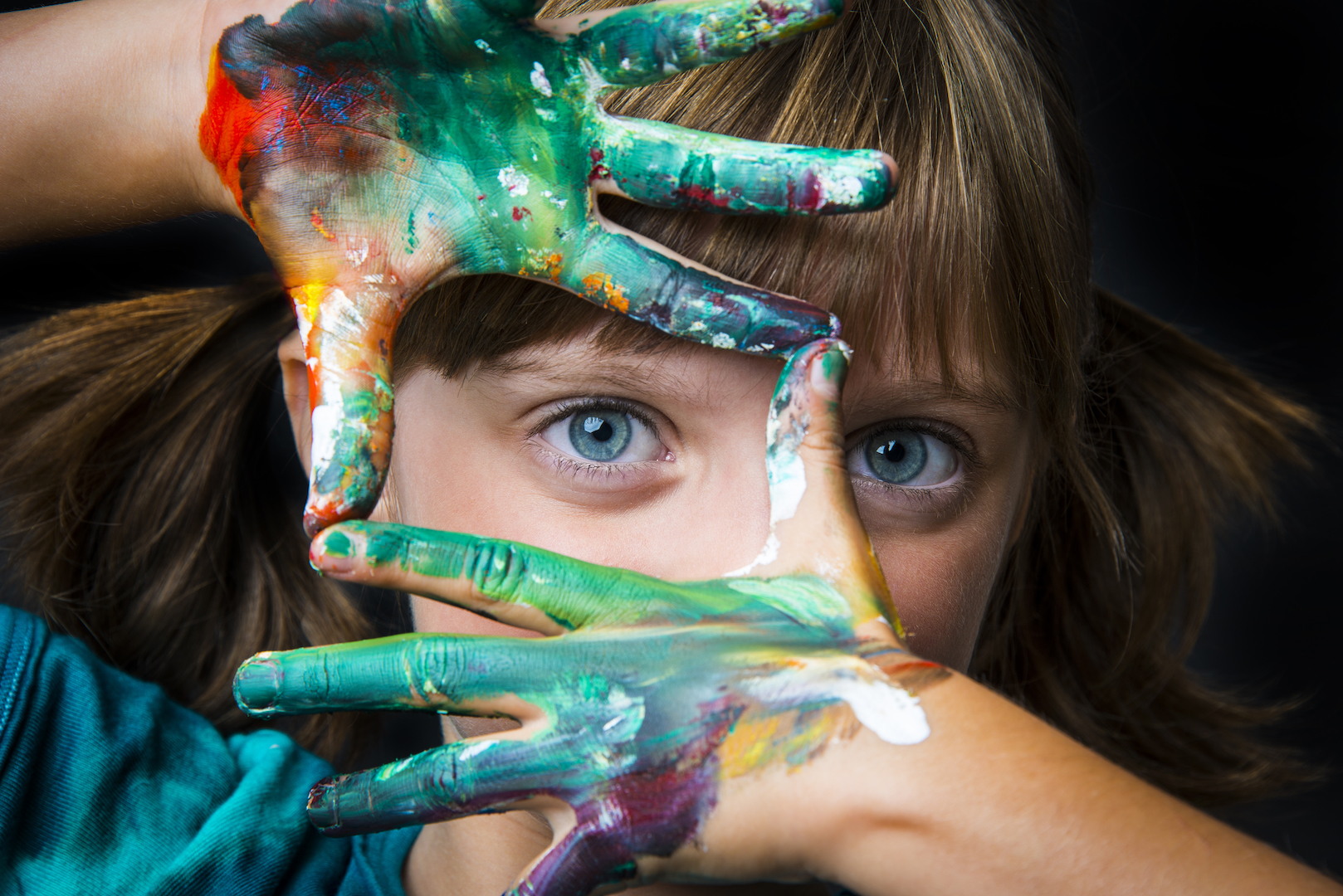
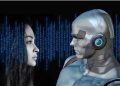
This partnership highlights a critical point: AI amplifies human creativity rather than supplanting it. The machine’s strength lies in scale, speed, and pattern recognition, while human creativity contributes judgment, intention, and meaning.
Creativity Beyond Logic
AI excels in structured problem-solving but struggles with ambiguity. Many of the world’s most groundbreaking creative achievements emerge not from logic but from serendipity, error, and irrational leaps. Consider the discovery of penicillin or the invention of the Post-it note—both were the result of unplanned experiments and human intuition. AI, constrained by training data and optimization parameters, is inherently less capable of such “happy accidents.”
Furthermore, creativity is profoundly social. Human culture evolves through dialogue, collaboration, and the interplay of diverse perspectives. Machines lack lived experience, and while they can mimic the output of these interactions, they cannot authentically participate in the social and emotional dynamics that shape creative evolution.
Machine Learning and the Illusion of Originality
Recent advances in AI, particularly in deep learning, have sparked debates about the nature of originality. Models like GPT, DALL-E, and other generative tools can produce work that appears original, yet fundamentally, they remix existing knowledge. In philosophical terms, AI does not “conceive” ideas—it extrapolates from probability distributions.
This raises an intriguing question: if creativity is defined by novelty and utility, can AI-generated outputs ever be considered truly creative? The answer depends on how narrowly we define creativity. If we equate it with output alone, AI might meet the criteria. If we include intentionality, consciousness, and emotional engagement, AI falls short.
Emotional Intelligence: The Missing Ingredient
Art, literature, and design are not merely exercises in technical skill—they communicate and evoke emotion. AI-generated works can mimic sentiment, but they do not experience it. The difference is subtle but profound: humans create to express, to understand, and to connect. Machines generate to optimize.
Imagine a symphony composed entirely by AI. Technically flawless, harmonically sophisticated, rhythmically intricate. But will it move the listener to tears, to reflection, to profound empathy? Possibly, but the emotional resonance is indirect—it relies on the human perceiver projecting meaning rather than the machine conveying lived experience.
Case Studies: AI in Creative Industries
1. Visual Arts: AI-generated art has sold for millions at auction, signaling its market value. Yet the art world still debates whether these pieces possess intrinsic artistic merit or whether their value lies in novelty and technological curiosity. Museums and galleries increasingly feature AI art, but human curation remains essential.
2. Literature: AI can draft novels, articles, and scripts. Some experimental works have been published under human guidance. However, human editors remain crucial to structure, voice, and thematic cohesion. The machine can suggest, but humans must select and refine.
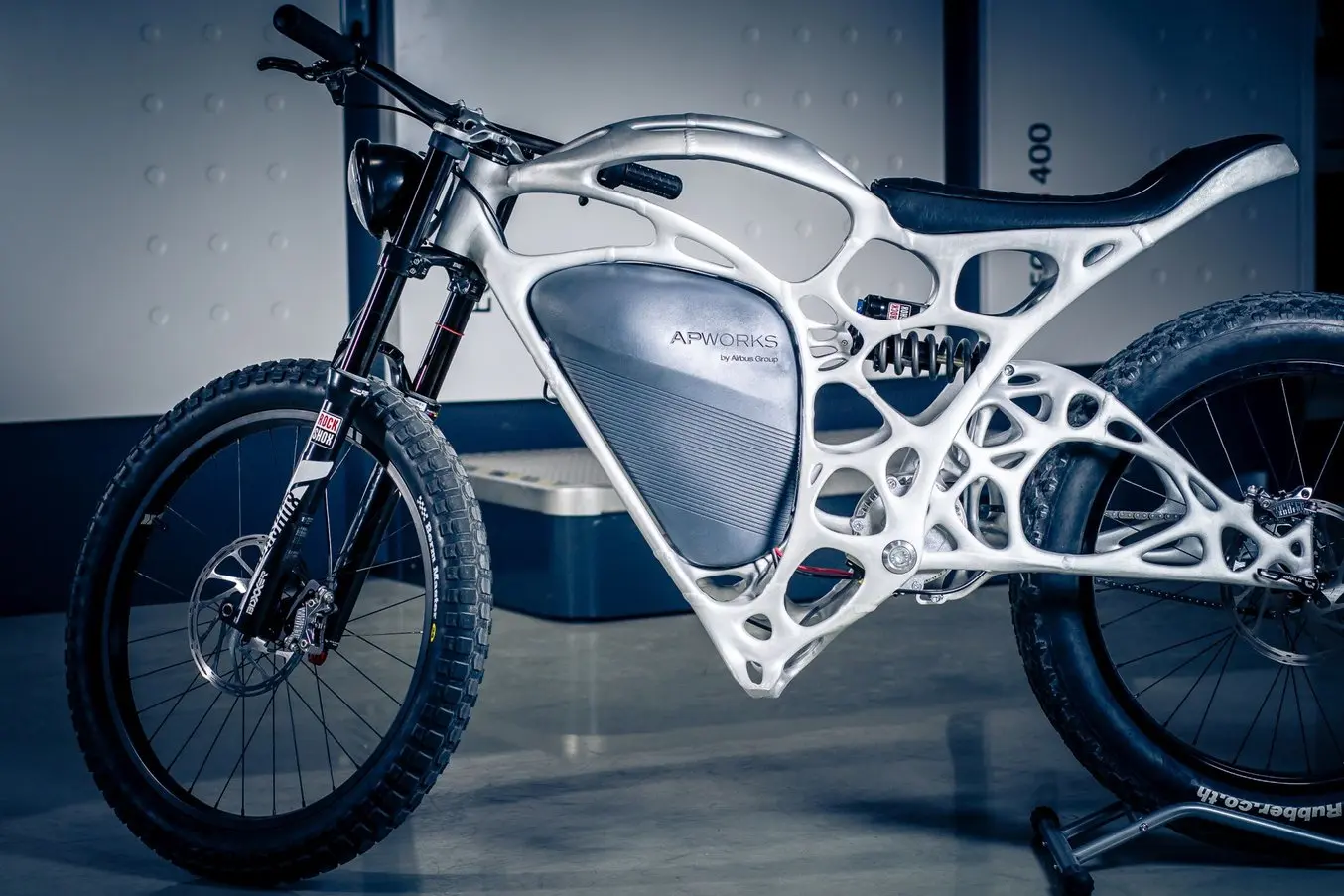
3. Music: AI tools can compose music in multiple genres. Composers use AI to explore ideas rapidly, generating motifs or chord progressions that may not occur to a human mind. Yet human composers provide context, emotional depth, and performance interpretation.
4. Gaming: Procedural generation in games allows massive worlds to be created algorithmically. Players’ experiences, narratives, and emotional investment are shaped by human storytelling choices, which cannot be entirely replaced by AI-generated randomness.
Ethical and Philosophical Implications
The rise of AI creativity raises ethical questions. If AI-generated works become indistinguishable from human-created content, how do we define authorship, ownership, and intellectual property? Moreover, reliance on AI could inadvertently homogenize creative expression, privileging patterns that machines can easily detect over truly novel ideas.
Philosophically, the debate touches on the nature of consciousness itself. Creativity is often linked to self-awareness. If AI lacks consciousness, can it truly “intend” or “understand” its creations? This challenges both legal frameworks and societal perceptions of creativity.
The Future of Human-AI Creativity
The future likely holds a hybrid model where AI is a creative tool rather than a replacement. Imagine writers collaborating with AI to brainstorm plot twists, scientists using AI to propose experimental designs, and visual artists employing AI to explore color and form. In this vision, AI accelerates creative potential while humans retain agency, judgment, and cultural interpretation.
Interestingly, AI may also expand what we consider creative. By generating ideas beyond typical human constraints, AI can push the boundaries of imagination. Surreal architectural forms, novel musical structures, and unexpected visual aesthetics might emerge from human-AI collaboration. The human role may shift from sole creator to curator, director, and interpreter of machine-assisted creativity.
Redefining Creativity in the AI Era
Ultimately, the question may not be whether AI can replace human creativity, but whether it can help redefine it. Creativity could evolve from a solitary act of genius to a dialogic process between human intention and machine suggestion. In such a scenario, originality may stem from synthesis—human emotion and judgment combined with algorithmic exploration.
This redefinition has profound implications for education, industry, and culture. Schools may teach not just traditional arts but “AI literacy” in creative practice. Companies may rely on AI to innovate faster, yet human teams remain essential for meaningful output. Society may come to appreciate creativity not solely for novelty but for the human-machine synergy that produces it.
Conclusion: Complement, Not Replacement
Artificial intelligence is transforming creativity in profound ways, but it cannot fully replace the human element. Machines excel at generating possibilities, recognizing patterns, and optimizing outcomes, but they lack intentionality, consciousness, and emotional resonance. Human creativity, rooted in curiosity, culture, and lived experience, remains irreplaceable.
The real opportunity lies in collaboration. By embracing AI as a creative partner, humans can amplify their imaginative capacity, explore new forms of expression, and push the boundaries of what is possible. In this partnership, AI is a powerful brush in the human artist’s hand—a tool to extend, not substitute, the uniquely human gift of creativity.
In the end, AI may challenge our definitions of creativity, but it cannot supplant the soul of artistic expression. Creativity is more than output; it is intention, emotion, and the human capacity to connect with others through ideas. AI will reshape the creative landscape, but the human spirit will remain at its heart.









Discussion about this post