



































The smart city concept is taking over urban areas across the globe. Cities are transforming with new technologies like the Internet of Things (IoT), artificial intelligence (AI), and big data. These smart systems are meant to improve efficiency, sustainability, and quality of life for residents. However, beneath the sleek technology and futuristic vision, there are serious concerns that need attention. This article explores the dark side of the smart city revolution, highlighting the risks and challenges that come with these advancements.
What Exactly Are Smart Cities?
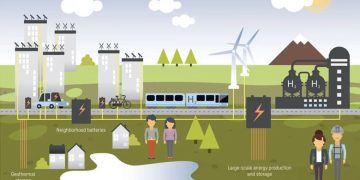
Smart cities use technology to manage urban areas more efficiently. IoT sensors and devices track data on everything from traffic to energy use to public health. AI helps analyze this data to make decisions, like optimizing traffic lights or managing energy consumption. The goal is to make cities more sustainable and livable, with cleaner air, smoother traffic, and smarter infrastructure.
On paper, this sounds like a dream come true. But the reality is more complicated. There are several hidden dangers associated with the rise of smart cities that could impact privacy, equality, and security.
Surveillance: A Double-Edged Sword
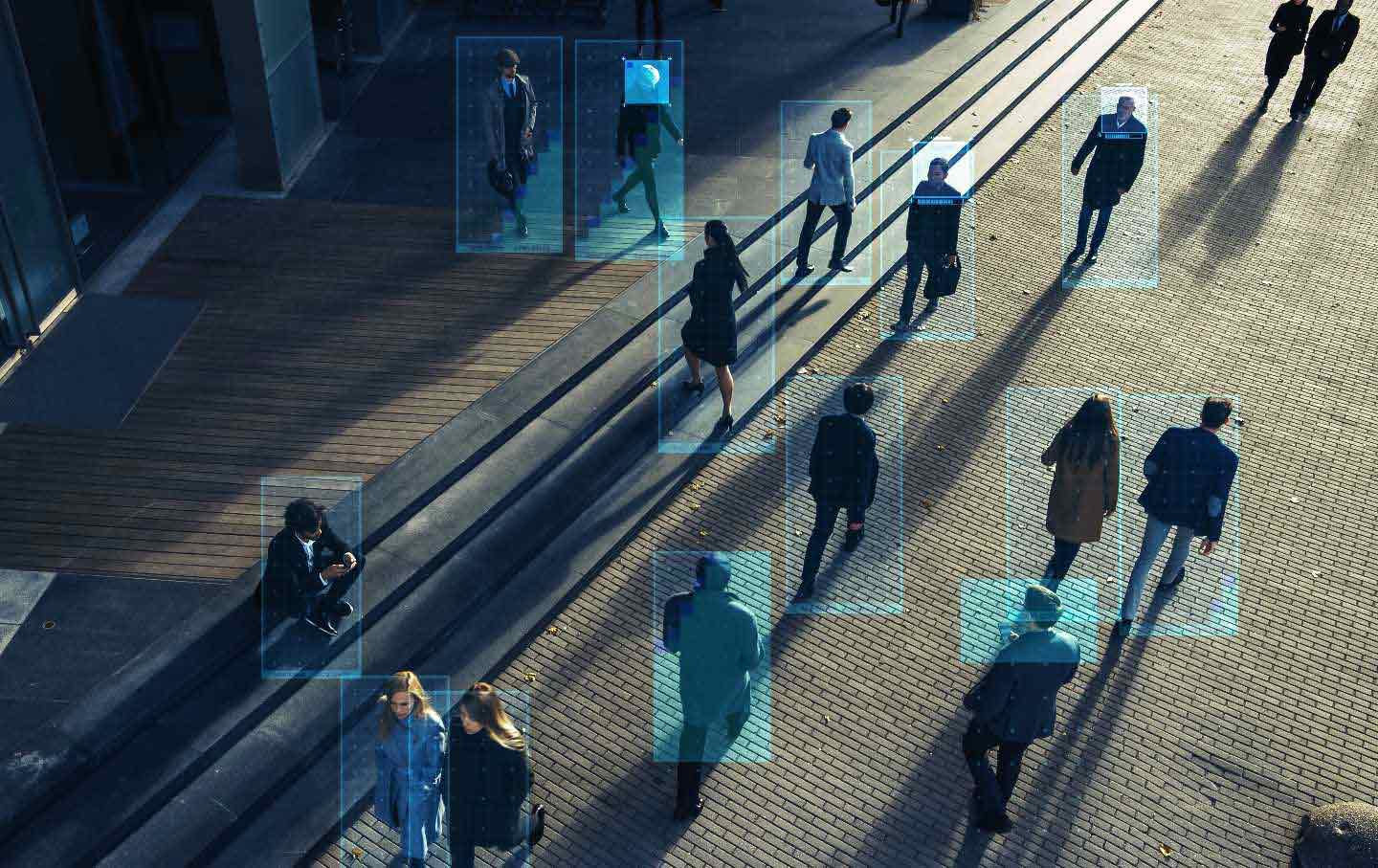
One of the biggest concerns about smart cities is the rise of surveillance. In these cities, cameras, sensors, and data trackers monitor everything from traffic to people’s movements. While surveillance can help reduce crime and improve safety, it also raises major privacy issues.
For example, facial recognition technology can track individuals as they move through public spaces. This kind of constant monitoring might feel invasive, even if it’s done for safety reasons. The more data is collected, the more vulnerable it becomes to misuse. Governments or companies could use the information to track and control citizens in ways that infringe on personal freedoms. In some cases, a smart city could even evolve into a “surveillance state,” where privacy is stripped away in the name of security.
Who Owns Your Data?
In smart cities, data is collected from almost every aspect of life. Your phone, car, and even your thermostat could be sending data to the city’s central system. But this raises an important question: Who owns this data?

City governments and private tech companies have access to vast amounts of personal information. While some argue that data can be anonymized to protect privacy, it’s still possible for personal details to leak out, either accidentally or through cyberattacks. And even if data is anonymized, it can still be used to manipulate individuals—whether through targeted ads or behavioral profiling.
Moreover, if data is mishandled, the consequences could be disastrous. Cybercriminals could hack into city systems, stealing sensitive information like bank details, health records, or even social security numbers. This makes the protection of personal data in smart cities a top priority. Yet, many cities have yet to put strong enough safeguards in place.
The Digital Divide: Inequality in Smart Cities
As cities grow smarter, they risk leaving certain communities behind. Smart city technology is expensive to build and maintain, which means that only wealthier areas are likely to benefit from these advancements. This could create a divide between rich and poor neighborhoods, where high-income areas enjoy all the perks of smart technology, while low-income areas miss out.
The digital divide could extend beyond just access to technology. Those without the right skills or resources might find it harder to adapt to the demands of a smart city. For instance, if healthcare becomes digitized, people without access to the internet or modern devices might be left without critical health services. In a worst-case scenario, the gap between the haves and have-nots could become even wider, reinforcing existing social inequalities.
Environmental Impact: The Unseen Costs
While smart cities are often marketed as environmentally friendly, there are hidden environmental costs associated with the technology. For one, the infrastructure needed to support smart systems—like sensors, data centers, and communication networks—requires significant energy and raw materials. Building and maintaining these systems can contribute to environmental degradation if not done sustainably.
Additionally, the rapid pace of technological change leads to e-waste. Old sensors, computers, and other tech gear can quickly become obsolete. When disposed of improperly, electronic waste can harm the environment, especially in countries that lack proper recycling facilities. The hidden environmental impact of smart cities might undermine some of their green promises.
Job Losses: The Automation Dilemma
Smart cities rely heavily on automation, which can lead to significant job displacement. AI systems, self-driving cars, and robots are increasingly taking over tasks that were once done by humans. While this may increase efficiency, it could also result in a loss of jobs, particularly in industries like transportation, retail, and customer service.

Automation might replace not only low-skilled workers but also mid-skill workers, leaving many people without jobs. This poses a serious challenge for workers who don’t have the education or training needed for new, high-tech roles. Without careful planning, the rise of automation in smart cities could lead to widespread unemployment and economic inequality.
Cybersecurity: A Growing Threat
The more connected a city becomes, the more vulnerable it is to cyberattacks. In a smart city, critical systems—like the power grid, water supply, and transportation network—are all interconnected. A hacker gaining access to one part of the system could potentially bring down entire city infrastructures.
For instance, a cyberattack on a smart grid could cause widespread power outages, while a breach in traffic management systems could lead to chaos on the streets. As smart cities become more dependent on digital systems, their vulnerability to cyber threats grows, making cybersecurity a major concern.
The Ethics of AI: Trusting Machines to Make Decisions
AI plays a key role in managing the operations of a smart city, from traffic control to emergency response systems. But AI algorithms are not infallible. They can be biased, make mistakes, or fail to account for the human element in decision-making.
For example, if an AI system is responsible for managing law enforcement or healthcare, it could unintentionally reinforce biases against certain groups of people. AI systems often rely on data, and if the data used to train them is flawed or biased, it could lead to unfair or harmful outcomes.
While AI has the potential to improve efficiency and decision-making, it also raises ethical concerns. Should we trust machines to make life-changing decisions? Who is accountable when AI makes a mistake? These are difficult questions that need to be addressed as we integrate more AI into our cities.
Conclusion: Building Smart Cities with Caution
Smart cities have the potential to revolutionize urban living, but they come with significant risks. Surveillance, data privacy issues, environmental costs, and job displacement are just a few of the challenges that must be carefully considered.
For smart cities to succeed, it’s crucial to create policies that protect citizens’ rights, ensure access for everyone, and minimize environmental damage. With thoughtful planning and responsible implementation, it’s possible to build cities that are both smart and fair, balancing innovation with ethical considerations.













Discussion about this post