





















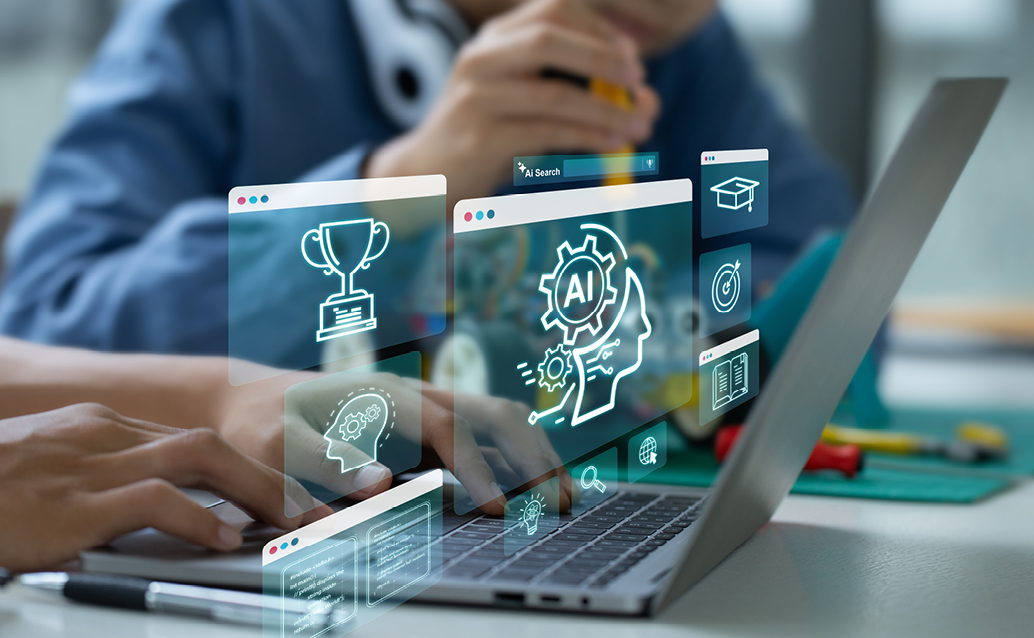
The future of education is evolving fast, and Artificial Intelligence (AI) is at the heart of this transformation. From personalized learning experiences to automating administrative tasks, AI is changing how we teach and learn. But how exactly will AI impact the world of education? What benefits and challenges will it bring? And how will it affect students and teachers in the years to come? Let’s take a closer look.
Personalized Learning: Education for Every Student
One of the most exciting changes AI brings to education is personalized learning. In traditional classrooms, teaching is often designed to cater to an “average” student, which can leave some students behind, while others feel unchallenged. AI is changing this by allowing each student to learn at their own pace, based on their strengths, weaknesses, and interests.
AI-powered systems can track a student’s progress in real time. These systems can adjust lessons, suggest extra resources, and even change the difficulty level of tasks. Whether a student is struggling or excelling, AI makes sure they are getting the right level of challenge. For example, platforms like Khan Academy already use AI to adjust content based on the learner’s pace, helping students stay engaged and motivated.
By personalizing the learning process, AI makes education more accessible, especially for students with different learning needs, including those with learning disabilities or students who are gifted.
AI Tutors: Learning Anytime, Anywhere
AI can also serve as a personal tutor for students. AI-powered tutors are available 24/7, ready to answer questions, explain difficult concepts, and offer instant feedback. These virtual assistants work through conversational AI, meaning they can interact with students just like a human tutor would. This creates a unique opportunity for students to get help outside regular class hours, which is especially valuable for students who need extra support.
For instance, AI tutors can guide students through complex math problems or provide additional exercises to help them understand challenging subjects. The AI can even offer emotional support, providing reassurance when students feel frustrated or overwhelmed. This accessibility is key, especially in areas where qualified teachers are in short supply.
Automating Administrative Work: More Time for Teaching
AI doesn’t just change the way students learn—it also transforms the way schools operate. Many teachers spend a lot of time on administrative tasks, such as grading assignments, creating lesson plans, and organizing schedules. This takes away from the time they could spend teaching and engaging with students.
AI can automate these repetitive tasks, saving teachers time and reducing the risk of human error. For example, AI systems can automatically grade assignments, provide feedback, and even generate personalized reports for each student. With more time on their hands, teachers can focus on interacting with students and improving the classroom experience.

Additionally, AI can help schools manage schedules, allocate resources, and track student performance. By streamlining these administrative tasks, AI allows educational institutions to run more efficiently.
Gamification and AI-Driven Content: Making Learning Fun
AI has the potential to make learning more fun and interactive, thanks to gamification and engaging educational content. Gamification adds elements like rewards, challenges, and levels to learning, which makes it feel more like a game and less like a task.
AI takes gamification a step further by personalizing the learning experience. For example, AI-driven educational games can adjust their difficulty level based on how well a student is performing. This helps keep students engaged and prevents them from feeling bored or overwhelmed.
AI can also support immersive learning experiences through technologies like Virtual Reality (VR) and Augmented Reality (AR). Imagine being able to explore ancient civilizations in a history class or examine the human body in 3D during a biology lesson. These interactive experiences not only make learning more engaging but also help students understand complex concepts more easily.
Overcoming Language Barriers: AI as a Translator
Language can be a significant barrier in education, especially in multicultural classrooms. AI can help by breaking down these barriers through real-time translation tools. These tools can instantly translate spoken or written text, allowing students and teachers to communicate more effectively.
Advanced AI translation systems can even understand the context and tone of conversations, making translations more accurate and natural. In the future, AI could translate live classroom discussions, helping non-native speakers participate more fully in lessons.
By ensuring that students from different linguistic backgrounds can learn together, AI can help create a more inclusive and diverse educational environment.

Addressing Ethical Concerns: Privacy and Bias in AI
With all the potential benefits of AI, there are also important ethical considerations to keep in mind. One major concern is privacy. AI systems collect a lot of data about students, such as their academic progress, learning habits, and even emotional responses. This data is valuable for personalizing education, but it must be handled responsibly to ensure student privacy is protected.
There’s also the issue of bias. If an AI system is trained on biased data, it might unintentionally favor certain students over others, based on factors like gender, race, or socioeconomic background. To avoid this, AI systems must be designed to be transparent, fair, and free from bias.
Developing ethical guidelines and regulations for AI in education is essential to ensure that these technologies benefit all students equally, without reinforcing existing inequalities.
The Role of Teachers in an AI-Powered Classroom
While AI is a powerful tool, it is not meant to replace teachers. Instead, AI should be seen as an assistant that supports educators in their work. Teachers will still be needed to foster creativity, critical thinking, and emotional intelligence—skills that AI cannot replicate.
In fact, AI can free up teachers from administrative tasks, allowing them to spend more time mentoring students and fostering meaningful classroom discussions. AI can also help teachers by offering insights into student performance and suggesting ways to improve their teaching methods.
Additionally, AI could play a role in teacher training, providing real-time feedback and helping educators improve their skills. This continuous development can ensure that teachers are well-equipped to handle the evolving needs of students in a technology-driven world.
AI’s Global Impact: Education for All
AI has the potential to democratize education, particularly in developing countries where access to quality teachers is limited. AI-powered educational tools can provide personalized lessons and support to millions of students, helping to bridge the education gap.
In places where there is a shortage of qualified teachers, AI can act as a supplement, providing online tutoring or interactive lessons. Additionally, AI’s ability to adapt to different languages and cultural contexts makes it an ideal solution for global education initiatives.
However, there’s a challenge: ensuring that all students, regardless of where they live, have access to the technology needed to benefit from AI. If AI in education is to be truly transformative, it must be accessible to everyone, everywhere.
Conclusion
AI is poised to reshape education as we know it. By offering personalized learning experiences, automating administrative tasks, and fostering greater engagement, AI has the potential to make education more efficient, inclusive, and enjoyable. However, its success will depend on how we address ethical concerns, such as privacy and bias, and ensure that these technologies are used responsibly.
Ultimately, AI is not here to replace teachers but to empower them. By working together, AI and educators can create a future where learning is more personalized, accessible, and meaningful for every student.










Discussion about this post