































Augmented Reality (AR) is one of the most exciting technological advances in recent years, especially in the world of education. This technology is transforming traditional learning methods by blending digital content with the physical world. From enhancing textbooks to creating virtual field trips, AR is opening up new ways to learn and engage with content. But how exactly is AR changing the way we learn? Let’s explore.
What is Augmented Reality?
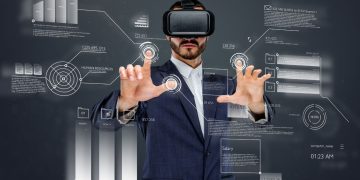
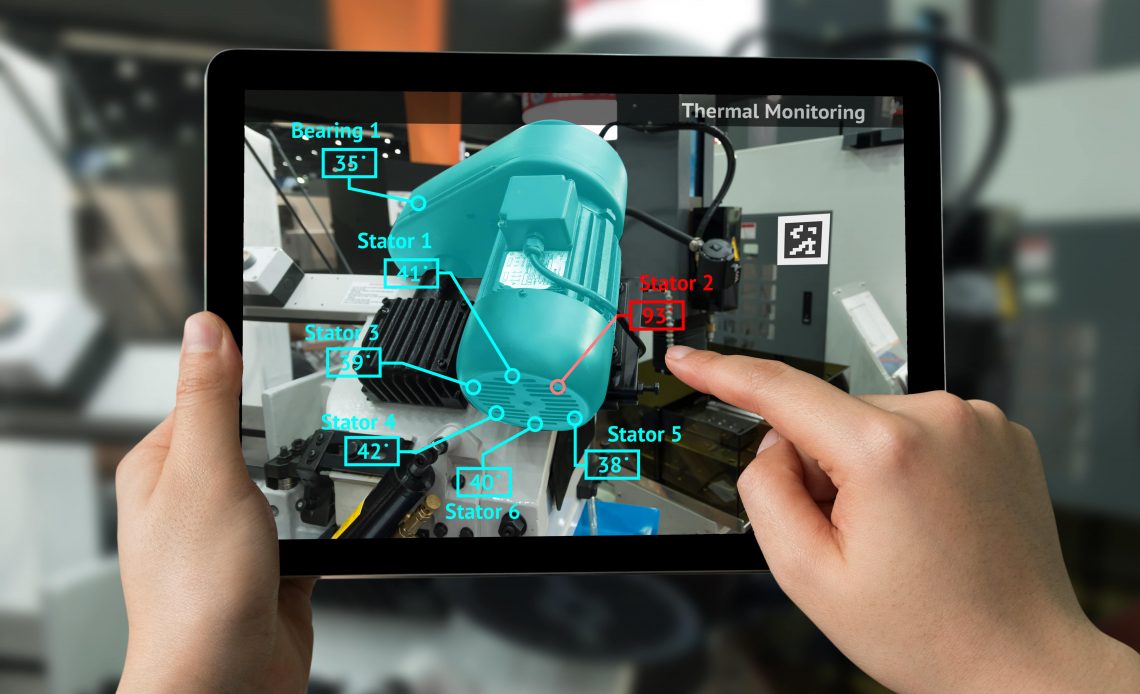
Before diving deeper into how AR is reshaping education, let’s first define it. Augmented Reality (AR) is a technology that superimposes digital information—like images, sounds, and text—onto the real world. It’s different from Virtual Reality (VR), which creates entirely virtual environments. With AR, you can still see and interact with your physical surroundings, but with extra digital elements added.
In education, AR brings textbooks, classroom activities, and lessons to life. Students can interact with 3D models, videos, and animations that overlay onto their real-world environment, making learning more dynamic and interactive. This blend of the digital and physical worlds offers a richer learning experience that was once only imagined in science fiction.
The Power of Immersive Learning
One of the primary reasons AR is revolutionizing education is its ability to make learning more immersive. Traditional education methods—like textbooks and lectures—are often static. They provide valuable information but might not be engaging enough to hold the attention of today’s students. AR, however, makes learning more dynamic and fun.
Take biology, for example. Instead of reading about the circulatory system, students can use AR to see a 3D heart pumping blood. They can interact with the heart, learning how blood flows through the body in a way that feels real and engaging. The interactive nature of AR helps students understand complex concepts more clearly, making abstract ideas feel more tangible.
In history, students can virtually “walk” through ancient cities or explore historical events as they unfold before their eyes. These immersive experiences help foster a deeper connection to the subject matter, making learning both exciting and meaningful.
AR in the Classroom: Real-World Applications
AR is already making its mark in classrooms around the world. Below are just a few of the many ways AR is being used to transform education:
1. Interactive Textbooks
AR-enabled textbooks are making traditional textbooks more engaging. These books can contain hidden AR content that can be unlocked using a smartphone or tablet. For instance, a history textbook might feature an image of the pyramids, but when scanned with an AR app, a 3D model of the pyramids could appear on the page, allowing students to explore them in 360 degrees.
These interactive textbooks bring subjects to life in a way that flat, static pages cannot. Instead of reading about events or concepts, students can experience them firsthand, making learning much more engaging.
2. Virtual Field Trips
Field trips are a great way to enhance learning, but they can be expensive and logistically difficult to organize. AR offers a solution by allowing virtual field trips to places students might not otherwise have access to. With AR, students can explore landmarks, museums, or even the surface of Mars from their own classroom.
For example, a student studying marine biology could “dive” into the ocean and see marine life up close, all through AR. These virtual experiences are valuable educational tools, particularly for schools that have limited resources or for students with disabilities that make travel difficult.
3. Simulations and Virtual Labs
In science and engineering, AR offers the ability to conduct virtual experiments that would otherwise be impossible or dangerous. Students can explore the chemical reactions in a virtual lab, build complex machines, or manipulate the forces of nature, all in a safe and controlled digital environment.
These simulations allow for hands-on learning without the risks or costs associated with real-world experiments. It’s a powerful tool for teaching STEM subjects, where experimentation and visualization are key to understanding.
4. Collaborative Learning
AR fosters collaboration among students. For example, students can work together to build a 3D model of a building, solve a math problem interactively, or design a scientific experiment in real time. This shared experience strengthens teamwork skills and encourages active participation.
Teachers can also use AR to allow students to collaborate remotely, making learning more flexible and accessible for students in different locations or with varying schedules.
The Benefits of AR in Education
The adoption of AR in the classroom offers several significant benefits that improve both teaching and learning experiences.
1. Increased Engagement
AR makes learning more exciting by offering interactive and visually stimulating content. Students are more likely to stay engaged when they are actively participating in lessons rather than passively listening or reading. AR brings the material to life, making it more appealing and relevant to students of all ages.
2. Better Retention
Research suggests that people retain information better when they engage with it actively. With AR, students aren’t just reading about a topic—they are interacting with it. This hands-on approach helps students grasp and remember complex ideas more effectively.
3. Personalized Learning
Every student learns at a different pace, and AR can cater to these individual needs. By allowing students to explore topics at their own speed, AR makes learning more personalized. Whether they need to revisit certain concepts or dive deeper into areas of interest, AR supports self-directed learning.

4. Access to Diverse Resources
AR opens up a world of learning resources that students can access at their fingertips. Whether it’s a 3D model, a video, or a virtual experiment, AR makes educational content more accessible and diverse. This broad range of resources enhances students’ understanding and helps them approach subjects from multiple angles.
Challenges of AR in Education
While AR offers exciting possibilities, there are challenges that need to be addressed before it can reach its full potential in education.
1. Cost and Accessibility
The main barrier to widespread adoption of AR in schools is cost. Many AR applications require specialized hardware—such as AR glasses or high-end tablets—that can be expensive. This makes it difficult for schools with limited budgets to implement AR technology on a large scale.
Furthermore, students in underprivileged areas may lack the necessary devices to access AR-based learning, exacerbating the digital divide.
2. Teacher Training
For AR to be effective, teachers need to be trained on how to use the technology. Many educators may not be familiar with AR tools and may struggle to integrate them into their teaching. Professional development is necessary to ensure that teachers can make the most of this technology.
3. Technical Issues
Like any digital tool, AR can encounter technical issues such as software bugs or device malfunctions. These issues can disrupt the learning experience and frustrate both students and teachers.
4. Over-reliance on Technology
While AR can be a powerful educational tool, it is important not to become overly reliant on technology. Students should still engage with traditional learning methods—like reading, writing, and critical thinking—to develop a well-rounded education. The key is finding a balance between digital and traditional teaching methods.
The Future of AR in Education
Looking ahead, the potential for AR in education is vast. As technology becomes more affordable and accessible, we can expect to see even more schools and universities integrating AR into their curriculums.
The combination of AR and other emerging technologies, like Artificial Intelligence (AI), promises to make learning even more personalized and adaptive. Imagine a learning environment that responds in real-time to a student’s needs, adjusting the content based on their learning progress. This level of personalization could revolutionize how we teach and learn.
Additionally, the rise of online and remote learning presents new opportunities for AR. AR can offer immersive learning experiences for students who are unable to attend physical classrooms, ensuring that education is accessible to all.
Conclusion
Augmented Reality is undeniably changing the way we learn. From creating immersive, interactive experiences to making learning more engaging and personalized, AR is reshaping education. While there are still challenges to overcome—such as cost, accessibility, and teacher training—the benefits of AR in the classroom are clear. As technology continues to evolve, AR will play an even bigger role in shaping the future of education.













Discussion about this post