




































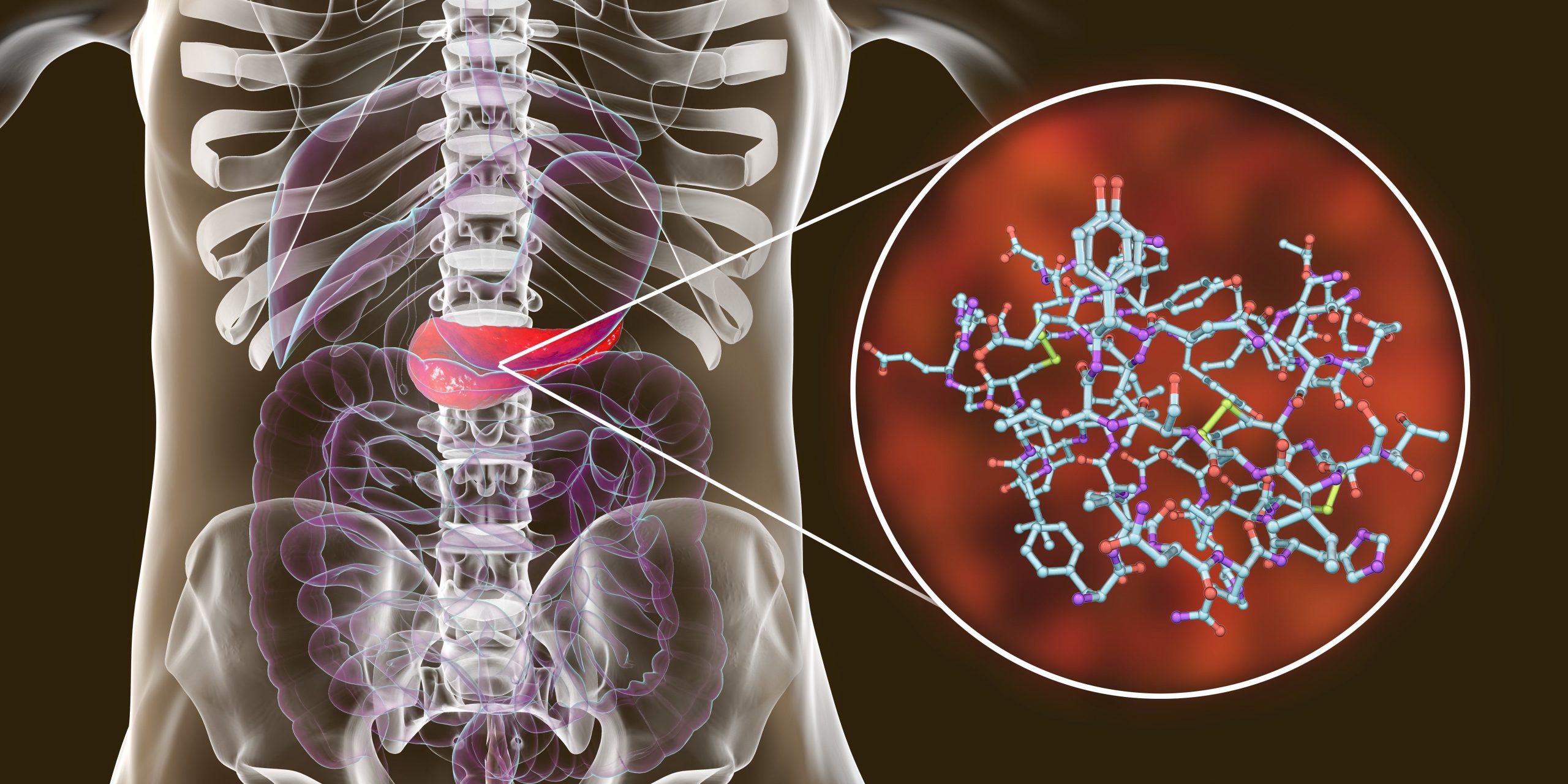
The Pivotal Discovery of ‘First Responder’ Cells in Pancreatic Function
An international team, including researchers from the Center for Regenerative Therapies Dresden at the Technical University of Dresden, Germany, has advanced our understanding of glucose homeostasis—the delicate balancing act of blood sugar levels within the human body. The recent discovery made within the pancreatic landscape has pinpointed a specialized cohort of ‘first responder’ cells that play a critical role in initiating glucose-responsive actions. This significant finding was featured in the latest issue of “Science Advances.”
For the body to function optimally, maintaining stable glucose levels is paramount. In the case of individuals with diabetes, when a rise in blood sugar occurs, pancreatic β-cells respond by discharging insulin, thus restoring equilibrium. Both hyperglycemia and hypoglycemia can pose health hazards. A deeper grasp of the operations of β-cells and how they orchestrate the response to glucose elevation could pave the way for the development of more effective diabetes treatments.
Researchers have turned to the zebrafish in their quest to unravel the workings of the pancreas, an organ whose functioning mirrors that of human beings in its fundamentals. The translucent nature of these tropical fish stands as a window for the scientists, permitting real-time observation of pancreatic activities within the fish’s body.
The study recognized that a small faction of β-cells holds a heightened sensitivity to fluctuations in glucose levels, reacting more promptly than their peers, and hence have been termed ‘first responder’ cells. These cells assume the lead, kickstarting the glucose response, with the remaining ‘follower’ cells swiftly falling into line.
To test the reliance of ‘followers’ on the ‘leaders’ for initiating a glucose response, researchers employed optogenetic techniques in zebrafish. This cutting-edge method allows single-cell activation or deactivation with a targeted light beam. When the ‘first responder’ cells were shut down, a diminished response to glucose in the following cells was observed. Conversely, when ‘first responders’ were selectively activated, an intensified response was noted in the progeny cells.

The team delved into the genetic expression between β-cells highly sensitive to glucose and those less so, discovering that ‘first responder’ cells are involved in the production of vitamin B6. When production of vitamin B6 was inhibited in both zebrafish and mice pancreas, β-cells in both species showed a significantly reduced response to high levels of glucose.
This suggests a conserved evolutionary role of vitamin B6 in glucose response. The ‘first responder’ cells may generate vitamin B6 and supply it to other β-cells to modulate their activity.
Emerging research has linked low levels of vitamin B6 with an increased incidence of metabolic diseases and type 2 diabetes. Understanding how vitamin B6 regulates β-cells in the pancreas may provide new perspectives for the pathophysiological research of diabetes and aid in the quest for novel treatment approaches.













Discussion about this post