



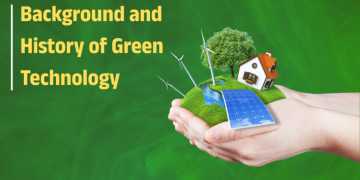
























Introduction: The Importance of Transitioning to Clean Energy in Homes
As the world confronts the challenges of climate change, the shift toward clean, sustainable energy solutions has become more crucial than ever. A significant part of this transition is happening within our own homes. Traditionally, households have relied on fossil fuels like coal, natural gas, and oil for their energy needs, but the environmental impact of these energy sources is undeniable. The future of energy lies in harnessing renewable, clean sources like solar, wind, geothermal, and more to reduce carbon emissions and dependence on non-renewable resources.
In 2025 and beyond, more homeowners are looking for ways to reduce their ecological footprint, cut energy costs, and take control over their energy consumption. Green technologies for homes are becoming more affordable, accessible, and efficient, offering sustainable alternatives that benefit both the environment and homeowners’ wallets. This article explores five of the most promising clean energy solutions for residential properties, helping individuals transition to more sustainable living.
Solar Panels: The Backbone of Residential Clean Energy Systems
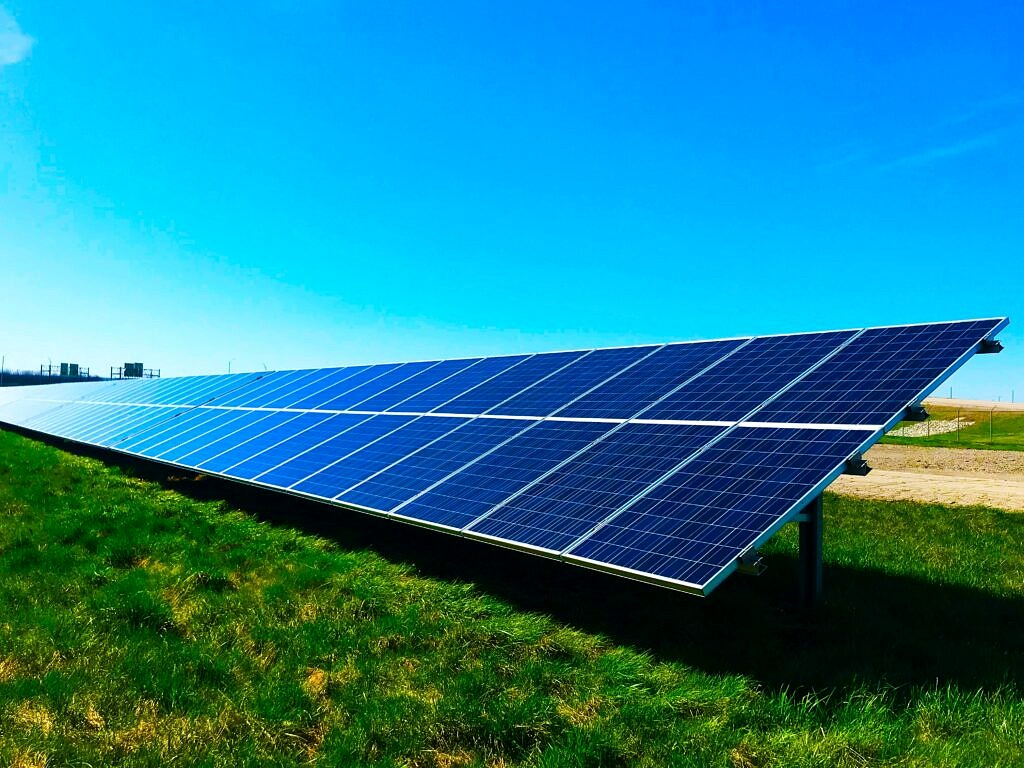
Among the various green technologies available, solar panels have undoubtedly become the most popular and widely adopted solution for homeowners looking to go green. By capturing sunlight and converting it into electricity, solar panels offer an efficient, renewable source of energy.
- How Solar Power Works: Photovoltaic (PV) panels, the most common type of solar panels, work by using semiconducting materials to absorb sunlight and generate an electrical current. The system is connected to an inverter, which converts the direct current (DC) electricity generated by the panels into alternating current (AC) electricity, the type used in homes.
- Benefits of Solar Energy: Installing solar panels not only helps reduce reliance on traditional fossil fuel-based power but can also result in substantial cost savings over time. With the price of solar technology continuing to drop, many homeowners are seeing a return on investment in just a few years. Additionally, government incentives, tax rebates, and net metering policies, which allow users to sell excess power back to the grid, further make solar an appealing option.
- Challenges to Consider: While solar panels have many advantages, they do require an initial investment, and their efficiency can be influenced by factors like geographical location, roof orientation, and shading from trees or nearby buildings. However, advancements in solar technology, such as more efficient panels and improved battery storage systems, continue to make solar energy an increasingly viable option for more homeowners.
Wind Power for Homes: Small-Scale Wind Turbines for Residential Energy Generation
Although solar panels dominate the residential renewable energy market, wind power is another promising solution for clean energy at home, especially for properties in rural or windy areas. Small-scale wind turbines can harness wind energy and convert it into usable electricity.
- How Wind Power Works: Small wind turbines consist of blades that rotate when wind passes over them. This mechanical movement turns a generator, producing electricity that can either be stored in batteries or used to power the home. Residential wind turbines are typically smaller than commercial turbines but are designed to work in a range of wind conditions.
- Benefits of Wind Energy: Wind energy is renewable, clean, and can significantly reduce electricity bills when properly installed. Unlike solar, wind energy can work at night, making it a complementary technology for homes using solar power during the day. For homes in areas with consistent wind speeds (typically 5-6 meters per second), wind power is a reliable energy source.
- Challenges to Consider: The feasibility of wind power for homes depends heavily on location and wind conditions. Homes in urban areas with low wind speeds may find wind turbines inefficient. Additionally, the installation of a turbine requires sufficient space and local regulations need to be considered. Maintenance costs can also be higher than those of solar panels.
Geothermal Heating and Cooling: Harnessing the Earth’s Natural Temperature Regulation
Geothermal energy is a less well-known but highly effective green technology for homeowners, particularly when it comes to heating and cooling. By tapping into the earth’s stable temperatures below the surface, geothermal systems provide energy-efficient solutions for home temperature regulation.
- How Geothermal Systems Work: Geothermal systems use a heat pump that transfers heat from the earth to your home in winter and reverses the process in summer. The system relies on a network of pipes buried underground, where the temperature remains relatively constant year-round. During the winter, the system extracts heat from the earth, and in the summer, it moves heat away from the house into the ground.
- Benefits of Geothermal Energy: Geothermal heating and cooling systems are highly efficient, as they use the natural temperature of the earth rather than relying on fossil fuels or electricity. These systems are energy-efficient and require less maintenance than traditional heating and cooling methods. Additionally, geothermal systems have a lifespan of 25 years or more, making them a long-term investment in reducing energy consumption and costs.
- Challenges to Consider: The installation of a geothermal system requires significant upfront investment due to the cost of drilling and setting up the piping system. It’s also most effective in areas with stable ground temperatures and may not be as feasible in regions with extreme seasonal temperature variations. Despite these challenges, geothermal systems can lead to significant savings over time.
Home Energy Storage Systems: Storing Renewable Energy for Later Use
One of the biggest hurdles for renewable energy in homes is the intermittent nature of energy generation. Solar and wind energy depend on natural conditions—sunlight and wind—to generate power, which can fluctuate throughout the day. Home energy storage systems, such as batteries, help solve this problem by storing excess energy for later use.
- How Energy Storage Works: Energy storage systems, like Tesla’s Powerwall or LG Chem’s RESU, store excess energy generated by solar panels or wind turbines in batteries. When energy production is high (e.g., on sunny or windy days), the system captures and stores the energy. When demand exceeds production (e.g., during the night or when the wind isn’t blowing), the stored energy is used to power the home.
- Benefits of Energy Storage: By using a home energy storage system, homeowners can become less reliant on the grid, reduce energy costs, and increase their energy independence. This is particularly useful for areas with unreliable grid access or high energy prices. It also enables homeowners to store energy during off-peak hours and use it during peak demand, which can lower electricity bills in some regions.
- Challenges to Consider: While home battery systems can be very effective, they still come with a significant upfront cost. Additionally, battery life can vary, and they require regular maintenance and eventual replacement. However, as battery technology improves, the cost of these systems is expected to continue to decrease.
Smart Grid Integration: Connecting Homes to a Cleaner, More Efficient Power Grid
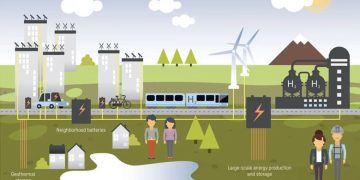
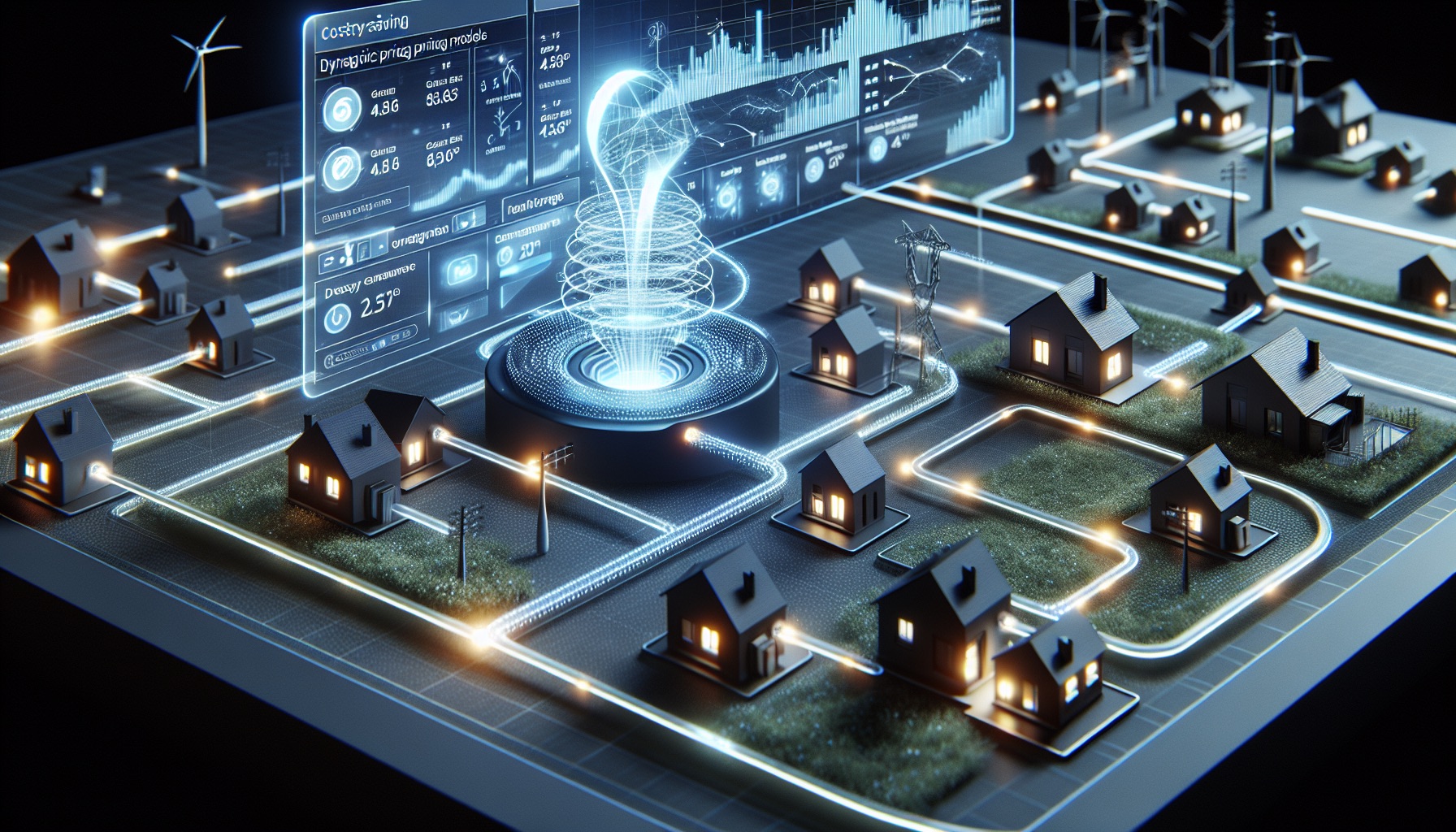
The next step in the evolution of home energy systems is integrating these green technologies with the broader energy infrastructure. Smart grids are designed to improve the efficiency, reliability, and sustainability of electricity distribution. By connecting homes with smart grid systems, households can not only take advantage of renewable energy but also help balance demand on the grid.
- How Smart Grids Work: Smart grids use digital communication technology to monitor and manage electricity flow between the power generation source and the end user. With smart meters and connected devices, energy usage can be tracked in real-time, allowing for more efficient distribution of electricity.
- Benefits of Smart Grid Integration: By connecting homes to a smart grid, households can access renewable energy when available, and contribute excess energy back to the grid, benefiting both homeowners and the community. Smart grids also allow for more dynamic pricing, meaning homeowners can take advantage of cheaper electricity prices during off-peak hours.
- Challenges to Consider: The widespread implementation of smart grids requires significant investment in infrastructure. While many cities and regions are moving toward smart grid systems, the transition will take time. Additionally, integrating green technologies into a smart grid system requires that the home’s energy systems, like solar panels and batteries, be compatible with the grid’s digital infrastructure.
Conclusion: How Home-Based Green Tech is Changing the Energy Landscape
The clean energy revolution is happening right in our homes. With solar panels, wind turbines, geothermal systems, energy storage solutions, and smart grid integration, homeowners now have a wealth of tools to reduce their environmental impact and contribute to a sustainable future. While the upfront costs of these technologies may still be a barrier for some, the long-term financial and environmental benefits are becoming more apparent. By adopting green technologies, homeowners can reduce their reliance on fossil fuels, lower their utility bills, and take an active role in shaping a cleaner, greener planet.
As innovation continues to drive down costs and improve efficiency, the adoption of these technologies is expected to grow rapidly in the coming years. Clean energy is no longer just a concept for the future—it’s a viable, accessible solution for homeowners today. By embracing these five green tech solutions, we can all play a role in creating a more sustainable world.













Discussion about this post