



































Introduction: The Shift Toward a Cashless Economy
The rise of digital technology has been reshaping industries across the globe, and one of the most profound transformations has been in the financial sector. The world is moving swiftly towards a cashless economy, where physical money is replaced by digital transactions. This transition is fueled by advancements in mobile technology, digital payment systems, and the increasing adoption of online banking services. The digital wallet, in particular, has become a pivotal innovation that is revolutionizing how we manage, spend, and transfer money.
While cash has been the traditional medium of exchange for centuries, it is increasingly being replaced by electronic forms of payment, including credit and debit cards, mobile wallets, and even digital currencies. According to recent trends, many regions around the world are already experiencing a shift toward a fully cashless society, particularly in urban areas where technology adoption is highest. This shift is not only changing the way consumers interact with money but also reshaping global commerce and financial systems.
In this article, we explore the evolving role of digital wallets and how they are facilitating the transition to a cashless society. We will examine various digital payment methods, including mobile wallets, contactless payments, and the integration of cryptocurrencies. Additionally, we will dive into the security and privacy concerns surrounding digital transactions, the rise of digital-only banks, and the role of artificial intelligence in enhancing financial services. Finally, we will speculate on what the future of digital payments holds and the broader implications of a cashless world.
Digital Payment Methods: Mobile Wallets, Contactless Payments, and Beyond
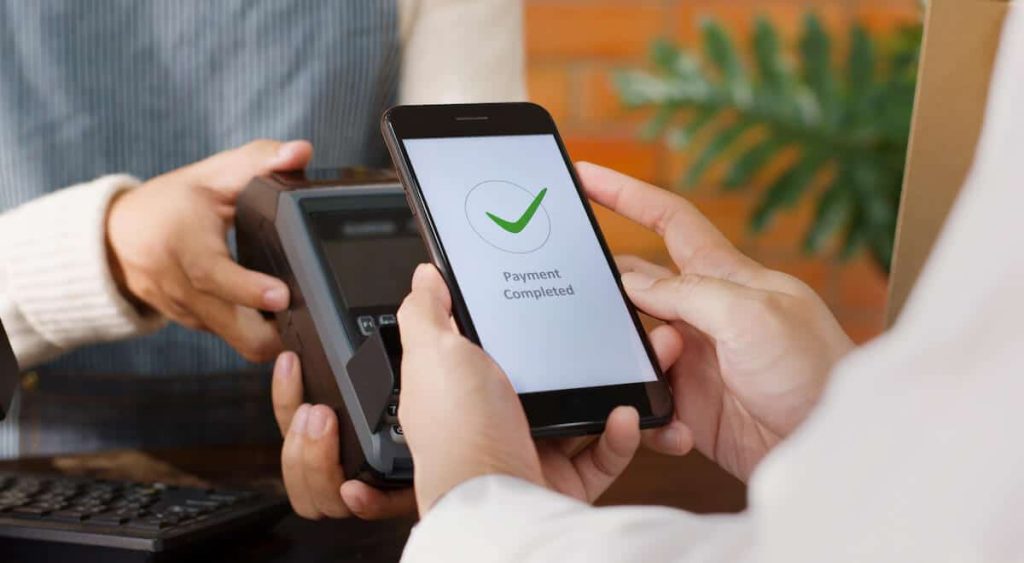
The advent of smartphones has revolutionized how we pay for goods and services. Mobile wallets like Apple Pay, Google Wallet, and Samsung Pay are becoming increasingly common, offering consumers an easy and secure way to make transactions. These mobile wallets store digital versions of credit, debit, and prepaid cards, allowing users to make payments using their phones or smartwatches instead of traditional physical cards or cash.
One of the key advantages of mobile wallets is their convenience. Consumers can store multiple payment methods in one app, which makes it easier to carry less cash and fewer cards. In addition to standard payment methods, many mobile wallets now also support peer-to-peer payment services like Venmo and Cash App, further eliminating the need for physical money.
The rise of contactless payments has further streamlined the payment process. Contactless payment cards and mobile wallets use near-field communication (NFC) technology to facilitate quick, secure transactions without the need to physically swipe a card or insert it into a reader. Simply tapping your card or phone near a payment terminal is enough to complete the transaction, making it faster and more efficient than traditional methods.
In many countries, contactless payments have become the norm, especially for small-ticket items like coffee, transit fares, or groceries. The adoption of QR code payments is also growing, especially in Asia, where platforms like Alipay and WeChat Pay dominate the market. By scanning a QR code on a merchant’s screen, consumers can make payments directly from their mobile wallets, further reducing the need for cash.
Beyond these methods, we are seeing the rise of biometric payments where facial recognition or fingerprint scanning can be used to authenticate payments. These technologies, once seen as futuristic, are becoming a reality, particularly in markets like China, where companies like Alibaba and Tencent have integrated biometric payments into their apps.
Cryptocurrency and Blockchain: The Impact of Digital Currencies on Transactions
Perhaps the most disruptive innovation in digital payments is the rise of cryptocurrency. Bitcoin, Ethereum, and other cryptocurrencies have been gaining traction as alternative forms of currency, and their impact on the global financial system is undeniable. Cryptocurrencies offer a decentralized, borderless, and often more private way of conducting transactions. This is especially attractive in a world that is increasingly looking for ways to minimize reliance on traditional banks and centralized financial institutions.
While cryptocurrencies are still not as widely accepted as traditional forms of payment, their usage is steadily increasing, particularly in the tech-savvy demographic. Cryptocurrencies offer lower transaction fees, faster settlement times, and greater privacy compared to traditional banking systems. For international transactions, cryptocurrencies can bypass currency conversion fees and long processing times, making them an ideal option for cross-border payments.
Blockchain technology, which underpins cryptocurrencies, also plays a crucial role in reshaping digital payments. Blockchain is a decentralized ledger that records all transactions across a network of computers, making it transparent, secure, and nearly tamper-proof. By removing intermediaries like banks and payment processors, blockchain technology can significantly reduce transaction costs and fraud risks.
Smart contracts, which are self-executing contracts with the terms directly written into code, are another blockchain application that is gaining traction in the financial sector. These contracts automatically execute transactions when predefined conditions are met, reducing the need for legal intermediaries and enhancing efficiency in business transactions.
In the coming years, we can expect to see more businesses accepting cryptocurrency payments as the technology matures and becomes more regulated. However, widespread adoption will depend on overcoming barriers such as volatility, scalability issues, and regulatory concerns.
Security and Privacy: Ensuring Safe Transactions in a Digital World
With the shift to digital payments, concerns around security and privacy have become paramount. Digital transactions are more convenient and faster than traditional methods, but they also introduce new vulnerabilities. Data breaches, identity theft, and fraudulent transactions are some of the major risks associated with digital payments.
To mitigate these risks, digital payment platforms are investing heavily in security features such as multi-factor authentication (MFA), end-to-end encryption, and biometric verification. MFA ensures that even if someone gains access to a user’s password or card information, they cannot complete a transaction without additional authentication. Biometric technologies, like facial recognition or fingerprint scanning, add an extra layer of security by making it difficult for unauthorized users to access accounts or initiate payments.
Tokenization is another important security measure that is gaining traction. Tokenization replaces sensitive data, such as credit card numbers, with randomly generated tokens that can be used for transactions but are meaningless outside of the system. This ensures that even if hackers access payment data, they are unable to use it for fraudulent purposes.
In addition to enhancing security, there is also growing concern over privacy. Many digital payment methods require users to share personal information, such as transaction history, location data, and spending habits. The collection and use of this data raise significant privacy issues, especially in light of increasing concerns over data misuse and surveillance. As a result, regulations like the General Data Protection Regulation (GDPR) in the European Union are pushing companies to implement stronger privacy protections for consumers.
For digital wallets and payment services to gain widespread acceptance, they must strike a balance between convenience, security, and privacy. Consumers must feel confident that their financial data is being handled securely and that their personal information is protected from misuse.
Digital Banks: The Rise of Online-Only Banking Services
As the digital payment ecosystem evolves, the rise of digital-only banks (also known as neobanks) is a natural progression. These banks operate entirely online, without physical branches, and offer services such as checking accounts, savings accounts, loans, and payment processing. Neobanks have gained popularity due to their low overhead costs, which allow them to offer better interest rates and lower fees than traditional banks.
Digital banks also excel in providing users with seamless, mobile-first banking experiences. These banks typically offer intuitive apps that allow users to manage all aspects of their financial lives, from transferring money to investing in stocks. Many neobanks are leveraging AI and machine learning algorithms to provide personalized financial advice, automate savings, and offer tailored product recommendations based on user behavior.
The absence of physical branches also means that digital-only banks can operate in regions where traditional banking infrastructure is lacking, providing services to underserved populations. In addition, neobanks often embrace open banking standards, allowing third-party developers to create apps and services that integrate with their platforms, expanding the range of financial services available to users.
The Role of AI: How Artificial Intelligence is Enhancing Financial Services
AI is playing an increasingly important role in transforming the digital payments ecosystem. From fraud detection to personalized financial advice, AI technologies are enabling banks, payment processors, and other financial services to operate more efficiently and securely.
One of the most important applications of AI in digital payments is fraud prevention. Machine learning algorithms can analyze vast amounts of transaction data in real time, identifying suspicious activity and flagging it for review. This helps prevent unauthorized transactions before they occur, reducing the risk of financial loss.
AI is also improving the customer experience by offering personalized financial recommendations. By analyzing spending patterns and financial behavior, AI can suggest budgeting tips, savings strategies, or even investment opportunities tailored to the user’s goals and preferences. As AI becomes more sophisticated, it will be able to provide increasingly accurate and customized financial advice.
Conclusion: What’s Next for Digital Payments?
The future of digital payments is bright, with continuous advancements in technology and shifting consumer preferences pushing the industry forward. Mobile wallets, cryptocurrency, blockchain, and AI are all contributing to a revolution in how we manage and transfer money. As we move toward a cashless society, the convenience, speed, and security offered by digital payment methods will continue to drive their adoption worldwide.
The key challenges that remain—such as ensuring security, protecting privacy, and achieving widespread cryptocurrency adoption—will be addressed by ongoing technological innovation and regulatory frameworks. In the coming years, we can expect to see further integration of digital payment systems into everyday life, with mobile wallets becoming the primary means of transaction and cryptocurrencies playing an increasingly important role in global commerce.
As the digital wallet continues to evolve, it is clear that the way we handle money will never be the same. The future of payments is digital, and it is just beginning to unfold.













Discussion about this post