





































techfusionnews
  • Home
  • Digital Lifestyle
    Do You Really Own Your Digital Content, or Are You Just Borrowing It?

    Do You Really Own Your Digital Content, or Are You Just Borrowing It?

    Smart Green Architecture: The Ultimate Anti-Aging Secret?

    How Are Digital Economies Reshaping Local Communities?

    Digital Art: Can It Truly Capture Human Emotion, or Is It Just Pixels?

    Digital Art: Can It Truly Capture Human Emotion, or Is It Just Pixels?

    Is Artificial Reality More Authentic Than Real Life in Certain Situations?

    Is Artificial Reality More Authentic Than Real Life in Certain Situations?

    Is Your Digital Library a True Reflection of Who You Are?

    Is Your Digital Library a True Reflection of Who You Are?

    Can You Truly Escape Digital Overload with a Simple App?

    Can You Truly Escape Digital Overload with a Simple App?

  • Green Tech & Wellness
    How Does Eco-Conscious Travel Affect Your Mental Health?

    How Does Eco-Conscious Travel Affect Your Mental Health?

    Bio-Based Materials in Wearables: Can They Prevent Chronic Illness?

    Bio-Based Materials in Wearables: Can They Prevent Chronic Illness?

    Smart Green Architecture: The Ultimate Anti-Aging Secret?

    Smart Green Architecture: The Ultimate Anti-Aging Secret?

    How Can Eco-Friendly Virtual Reality Enhance Mental Clarity?

    How Can Eco-Friendly Virtual Reality Enhance Mental Clarity?

    Can Eco-Centric Tech Improve Your Neuroplasticity?

    Can Eco-Centric Tech Improve Your Neuroplasticity?

    How Much of Your Personality Is Crafted by Social Media Filters?

    How Much of Your Personality Is Crafted by Social Media Filters?

  • AI
    Can AI Explore Parallel Universes Through Data?

    Can AI Explore Parallel Universes Through Data?

    Will AI Ever Create Art That Challenges Our Understanding of Reality?

    Will AI Ever Create Art That Challenges Our Understanding of Reality?

    Can AI Identify Patterns in Nature That Humans Have Yet to Discover?

    Can AI Identify Patterns in Nature That Humans Have Yet to Discover?

    AI Capable of Decoding the Concept of Time Itself?

    AI Capable of Decoding the Concept of Time Itself?

    Can AI Predict the Future of Human Consciousness?

    Can AI Predict the Future of Human Consciousness?

    How Could AI Be Used to Recreate Lost Historical Events?

    How Could AI Be Used to Recreate Lost Historical Events?

  • Space Exploration
    How Does Space Radiation Affect Astronauts’ Health?

    How Does Space Radiation Affect Astronauts’ Health?

    Can We Mine Asteroids for Resources in the Future?

    Can We Mine Asteroids for Resources in the Future?

    Why Haven’t We Found Extraterrestrial Civilizations Yet?

    Why Haven’t We Found Extraterrestrial Civilizations Yet?

    Can Artificial Intelligence Lead the Next Space Missions?

    Can Artificial Intelligence Lead the Next Space Missions?

    What if Earth’s Atmosphere Was Not Perfect for Life?

    What if Earth’s Atmosphere Was Not Perfect for Life?

    Will We Ever Find a Parallel Universe Beyond Our Own?

    Will We Ever Find a Parallel Universe Beyond Our Own?

  • Innovation & Research
    Robotics: The Key to Overcoming Labor Shortages in Science?

    Robotics: The Key to Overcoming Labor Shortages in Science?

    How Can Artificial Intelligence Foster Creativity in the Arts?

    How Can Artificial Intelligence Foster Creativity in the Arts?

    What If We Could Edit Human Memories—Should We?

    What If We Could Edit Human Memories—Should We?

    Can 3D Printing Transform the Medical Field?

    Can 3D Printing Transform the Medical Field?

    Blockchain: The Future of Transparent and Secure Research

    Blockchain: The Future of Transparent and Secure Research

    What Will the Next Big Breakthrough in Renewable Energy Look Like?

    What Will the Next Big Breakthrough in Renewable Energy Look Like?

  • All Tech
    Could Wearable Tech Unlock Hidden Human Abilities?

    Could Wearable Tech Unlock Hidden Human Abilities?

    Can Virtual Reality Be the Next Frontier in Therapy?

    Can Virtual Reality Be the Next Frontier in Therapy?

    Is Biohacking the Next Step in Human Evolution?

    Is Biohacking the Next Step in Human Evolution?

    What If Robots Could Create Their Own Cultural Movements?

    What If Robots Could Create Their Own Cultural Movements?

    Are We Prepared for the Ethics of AI-Driven Space Exploration?

    Are We Prepared for the Ethics of AI-Driven Space Exploration?

    New Mythology for the Digital Age

    New Mythology for the Digital Age

techfusionnews
  • Home
  • Digital Lifestyle
    Do You Really Own Your Digital Content, or Are You Just Borrowing It?

    Do You Really Own Your Digital Content, or Are You Just Borrowing It?

    Smart Green Architecture: The Ultimate Anti-Aging Secret?

    How Are Digital Economies Reshaping Local Communities?

    Digital Art: Can It Truly Capture Human Emotion, or Is It Just Pixels?

    Digital Art: Can It Truly Capture Human Emotion, or Is It Just Pixels?

    Is Artificial Reality More Authentic Than Real Life in Certain Situations?

    Is Artificial Reality More Authentic Than Real Life in Certain Situations?

    Is Your Digital Library a True Reflection of Who You Are?

    Is Your Digital Library a True Reflection of Who You Are?

    Can You Truly Escape Digital Overload with a Simple App?

    Can You Truly Escape Digital Overload with a Simple App?

  • Green Tech & Wellness
    How Does Eco-Conscious Travel Affect Your Mental Health?

    How Does Eco-Conscious Travel Affect Your Mental Health?

    Bio-Based Materials in Wearables: Can They Prevent Chronic Illness?

    Bio-Based Materials in Wearables: Can They Prevent Chronic Illness?

    Smart Green Architecture: The Ultimate Anti-Aging Secret?

    Smart Green Architecture: The Ultimate Anti-Aging Secret?

    How Can Eco-Friendly Virtual Reality Enhance Mental Clarity?

    How Can Eco-Friendly Virtual Reality Enhance Mental Clarity?

    Can Eco-Centric Tech Improve Your Neuroplasticity?

    Can Eco-Centric Tech Improve Your Neuroplasticity?

    How Much of Your Personality Is Crafted by Social Media Filters?

    How Much of Your Personality Is Crafted by Social Media Filters?

  • AI
    Can AI Explore Parallel Universes Through Data?

    Can AI Explore Parallel Universes Through Data?

    Will AI Ever Create Art That Challenges Our Understanding of Reality?

    Will AI Ever Create Art That Challenges Our Understanding of Reality?

    Can AI Identify Patterns in Nature That Humans Have Yet to Discover?

    Can AI Identify Patterns in Nature That Humans Have Yet to Discover?

    AI Capable of Decoding the Concept of Time Itself?

    AI Capable of Decoding the Concept of Time Itself?

    Can AI Predict the Future of Human Consciousness?

    Can AI Predict the Future of Human Consciousness?

    How Could AI Be Used to Recreate Lost Historical Events?

    How Could AI Be Used to Recreate Lost Historical Events?

  • Space Exploration
    How Does Space Radiation Affect Astronauts’ Health?

    How Does Space Radiation Affect Astronauts’ Health?

    Can We Mine Asteroids for Resources in the Future?

    Can We Mine Asteroids for Resources in the Future?

    Why Haven’t We Found Extraterrestrial Civilizations Yet?

    Why Haven’t We Found Extraterrestrial Civilizations Yet?

    Can Artificial Intelligence Lead the Next Space Missions?

    Can Artificial Intelligence Lead the Next Space Missions?

    What if Earth’s Atmosphere Was Not Perfect for Life?

    What if Earth’s Atmosphere Was Not Perfect for Life?

    Will We Ever Find a Parallel Universe Beyond Our Own?

    Will We Ever Find a Parallel Universe Beyond Our Own?

  • Innovation & Research
    Robotics: The Key to Overcoming Labor Shortages in Science?

    Robotics: The Key to Overcoming Labor Shortages in Science?

    How Can Artificial Intelligence Foster Creativity in the Arts?

    How Can Artificial Intelligence Foster Creativity in the Arts?

    What If We Could Edit Human Memories—Should We?

    What If We Could Edit Human Memories—Should We?

    Can 3D Printing Transform the Medical Field?

    Can 3D Printing Transform the Medical Field?

    Blockchain: The Future of Transparent and Secure Research

    Blockchain: The Future of Transparent and Secure Research

    What Will the Next Big Breakthrough in Renewable Energy Look Like?

    What Will the Next Big Breakthrough in Renewable Energy Look Like?

  • All Tech
    Could Wearable Tech Unlock Hidden Human Abilities?

    Could Wearable Tech Unlock Hidden Human Abilities?

    Can Virtual Reality Be the Next Frontier in Therapy?

    Can Virtual Reality Be the Next Frontier in Therapy?

    Is Biohacking the Next Step in Human Evolution?

    Is Biohacking the Next Step in Human Evolution?

    What If Robots Could Create Their Own Cultural Movements?

    What If Robots Could Create Their Own Cultural Movements?

    Are We Prepared for the Ethics of AI-Driven Space Exploration?

    Are We Prepared for the Ethics of AI-Driven Space Exploration?

    New Mythology for the Digital Age

    New Mythology for the Digital Age

No Result
View All Result
Plugin Install : Cart Icon need WooCommerce plugin to be installed.
techfusionnews
No Result
View All Result
Home All Tech

Are Foldable Smartphones the Future of Mobile Devices?

March 13, 2025
in All Tech, Digital Lifestyle
Are Foldable Smartphones the Future of Mobile Devices?

Introduction: What Foldable Smartphones Are and Why They Have Generated So Much Buzz in Recent Years

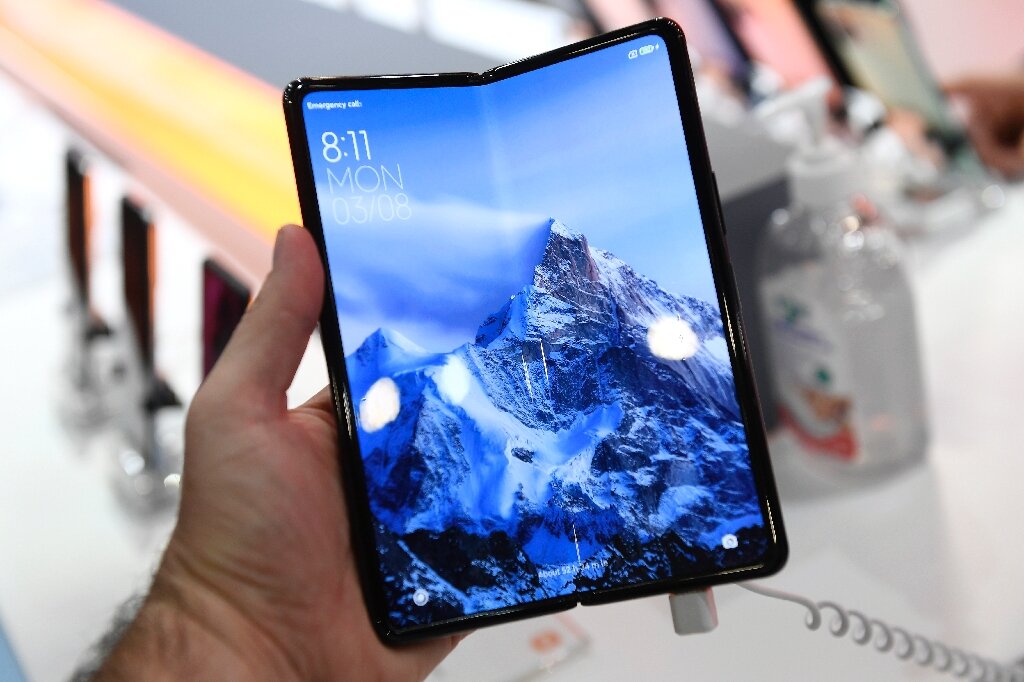
In recent years, the world of mobile technology has witnessed a significant shift with the introduction of foldable smartphones. These devices have generated considerable excitement and attention in the tech industry, thanks to their innovative form factors that promise to change the way we interact with our mobile devices. Offering the potential for larger screens in a more compact and portable design, foldable smartphones have captured the imaginations of both consumers and manufacturers alike.

Foldable smartphones are essentially mobile devices that feature flexible screens, allowing them to fold into a more compact size. This provides users with the ability to enjoy the advantages of a larger screen—ideal for multitasking, gaming, watching videos, and productivity—while maintaining the portability of a conventional smartphone. The idea of a device that combines the best of both worlds—combining the portability of a phone with the functionality of a tablet—has made foldable smartphones an enticing proposition for many.

Despite their promise, foldable smartphones are still in their early stages of development, and many challenges remain. The high cost, potential durability issues, and the need for software optimization are all hurdles that need to be addressed before foldable phones can become a mainstream device. In this article, we will explore the current technology behind foldable smartphones, their benefits, the challenges they face, and the future trends that might shape their development.

Current Technology: Overview of Foldable Screen Technology, Including OLED Displays and Hinges

At the core of foldable smartphones is the innovative screen technology that allows the device to fold. The primary technology used in these screens is OLED (Organic Light Emitting Diode) displays. OLED screens are flexible, thin, and capable of producing vibrant colors with high contrast ratios, making them ideal for foldable devices. OLED technology differs from traditional LCD screens, which rely on backlighting. OLED panels, on the other hand, emit their own light, which allows for thinner designs and the flexibility needed for foldability.

OLED displays have been crucial in enabling foldable smartphones to exist in their current form. These screens are made up of organic compounds that emit light when an electrical current is applied. Because of their thin nature and flexibility, OLED screens can be bent and folded without sacrificing image quality. They are also energy-efficient, contributing to the battery life of foldable devices.

Alongside the screen technology, another important component of foldable smartphones is the hinge mechanism. The hinge is the part of the device that allows the screen to fold and unfold, providing a smooth and seamless transition between the different form factors. The hinge must be strong and durable enough to withstand the repeated folding and unfolding that users will put it through, yet it also needs to be compact enough to fit into the slim design of the device. Manufacturers have been working on creating hinges that can support this functionality without compromising the device’s overall aesthetics or performance.

One of the challenges with hinges is ensuring that they don’t create a noticeable crease in the display. Early foldable phones, such as the Samsung Galaxy Fold, received criticism for the visible crease that appeared when the screen was unfolded. Over time, manufacturers have worked on refining the hinge design and incorporating advanced materials to minimize creases and improve the overall durability of the screen.

Benefits: Larger Screens, Multi-tasking Features, Portability, and Innovative User Experiences

Foldable smartphones offer a wide range of benefits, particularly in terms of size, functionality, and user experience. One of the most obvious advantages is the larger screen that comes with a foldable design. When unfolded, these devices offer a tablet-sized display, making them ideal for activities that benefit from a larger screen, such as video watching, gaming, and reading. For users who want the portability of a smartphone but the screen real estate of a tablet, foldable smartphones present an exciting solution.

The ability to multitask is another significant benefit of foldable smartphones. With the larger, unfolded screen, users can run multiple apps simultaneously. For example, you can have a web browser open on one side of the screen while checking your email on the other side. This multitasking feature enhances productivity, making foldable smartphones particularly attractive to professionals who need to manage several tasks at once while on the go. Additionally, the larger screen makes reading documents or working on presentations more convenient, as users don’t have to zoom in and out constantly as they would on smaller smartphones.

The portability of foldable smartphones is also a major selling point. When folded, these devices are compact and easy to carry, fitting comfortably into a pocket or small bag. This is in stark contrast to tablets or larger smartphones, which can be bulky and cumbersome to transport. The folding design allows users to enjoy the benefits of a large screen without sacrificing the convenience of portability.

Furthermore, the foldable design offers innovative user experiences. The ability to fold and unfold the device creates new opportunities for how users interact with their smartphones. For example, when folded, the device can function as a traditional smartphone, but when unfolded, it can provide a larger, tablet-like interface for more immersive activities. This flexibility can revolutionize the way users consume content, communicate, and perform tasks on their devices.
Challenges: Durability Concerns (e.g., Screen Creases), High Cost, Battery Life, and Software Optimization for Foldable Form Factors

While foldable smartphones offer a host of benefits, they are not without their challenges. One of the most significant concerns is durability. Early models of foldable phones, such as the Samsung Galaxy Fold, faced issues with screen creases, which became visible after repeated folding. These creases not only detract from the user experience but also raise questions about the long-term durability of foldable screens. Over time, manufacturers have worked to improve the hinge mechanisms and screen materials, but durability remains a key concern for consumers and manufacturers alike.

Another challenge is the high cost of foldable smartphones. Due to the advanced technology involved in creating foldable screens and hinges, the price of these devices is significantly higher than traditional smartphones. For example, the Samsung Galaxy Z Fold 3 is priced at over $1,800, which is far more expensive than most flagship smartphones on the market. While the price may come down as the technology matures and production processes become more efficient, the high cost remains a barrier to widespread adoption.

Battery life is also a challenge for foldable smartphones. These devices typically feature large, high-resolution OLED displays, which can be power-hungry, especially when the screen is unfolded. Despite advancements in battery technology, the need to power a larger screen while maintaining a compact form factor presents a challenge for manufacturers. Additionally, the folding mechanism adds complexity to battery placement and power management, which could further limit battery life. As foldable smartphones become more mainstream, improving battery life will be crucial to their success.

Software optimization is another challenge that manufacturers must address. Foldable smartphones present unique design challenges that require software to adapt to the different form factors. For instance, apps must be able to seamlessly transition between the compact, folded state and the larger, unfolded state. Some apps may not be optimized to take full advantage of the larger screen, which can lead to a suboptimal user experience. Manufacturers are working closely with app developers to ensure that their software can take full advantage of the foldable design, but this remains a work in progress.

Future Trends: The Continued Evolution of Foldable Phones, Including Potential Future Iterations and Applications

The future of foldable smartphones is bright, with several trends pointing to continued innovation and refinement. One of the key areas of focus is improving the durability of foldable devices. As the technology matures, manufacturers will likely develop more robust folding mechanisms and more durable screen materials, minimizing creases and ensuring that foldable smartphones can withstand long-term use.

In terms of design, future foldable phones may feature even more innovative form factors. For example, we could see foldable smartphones with flexible screens that allow for multiple folds, creating entirely new shapes and user experiences. The introduction of more flexible materials, such as graphene, could enable the development of foldable devices with improved performance and durability. These advances may open the door to foldable phones that can bend in ways that were previously unimaginable, further blurring the line between smartphones, tablets, and even wearable devices.

Another exciting possibility is the integration of foldable technology with other emerging technologies, such as 5G and augmented reality (AR). Foldable smartphones could serve as a hub for AR applications, with their large, foldable screens offering an immersive platform for AR experiences. Additionally, the advent of 5G networks will provide faster data speeds and lower latency, enhancing the performance of foldable smartphones in areas such as gaming, streaming, and multitasking.

The continued development of foldable smartphones will also likely lead to a reduction in cost over time. As manufacturers scale production and improve efficiency, the price of foldable phones will decrease, making them more accessible to a wider audience. This will likely accelerate adoption and help foldable smartphones become a mainstream option for consumers.

Conclusion: Foldable Smartphones Are Exciting but Face Significant Technological and Market Challenges Before Becoming Mainstream

Foldable smartphones have undoubtedly captured the public’s imagination with their innovative design and potential to change the way we use mobile devices. The ability to offer a larger screen in a compact, portable form factor has the potential to revolutionize the smartphone market, providing users with an entirely new experience that combines the best aspects of smartphones and tablets. However, despite their promise, foldable smartphones face significant technological and market challenges, including durability concerns, high cost, battery life limitations, and the need for software optimization.

As manufacturers continue to refine the technology and address these challenges, foldable smartphones will likely become more mainstream in the coming years. The future of foldable phones is filled with exciting possibilities, from improved durability to more flexible form factors and new applications powered by 5G and AR. While it may take some time before foldable smartphones are a staple in the market, their potential to transform the way we interact with mobile devices is undeniable.


Tags: foldable smartphonesfolding technologymobile device innovationOLED screens
ShareTweetShare

Related Posts

Could Wearable Tech Unlock Hidden Human Abilities?
All Tech

Could Wearable Tech Unlock Hidden Human Abilities?

December 11, 2025
Can Virtual Reality Be the Next Frontier in Therapy?
All Tech

Can Virtual Reality Be the Next Frontier in Therapy?

December 10, 2025
Do You Really Own Your Digital Content, or Are You Just Borrowing It?
Digital Lifestyle

Do You Really Own Your Digital Content, or Are You Just Borrowing It?

December 10, 2025
Smart Green Architecture: The Ultimate Anti-Aging Secret?
Digital Lifestyle

How Are Digital Economies Reshaping Local Communities?

December 9, 2025
Is Biohacking the Next Step in Human Evolution?
All Tech

Is Biohacking the Next Step in Human Evolution?

December 9, 2025
Digital Art: Can It Truly Capture Human Emotion, or Is It Just Pixels?
Digital Lifestyle

Digital Art: Can It Truly Capture Human Emotion, or Is It Just Pixels?

December 8, 2025

Discussion about this post

  • Trending
  • Comments
  • Latest
Eternal Luminary: Humanity’s Perpetual Fascination with the Sun

Eternal Luminary: Humanity’s Perpetual Fascination with the Sun

November 5, 2024
The Race Heats Up: OpenAI Joins the AI-Powered Search Arena

The Race Heats Up: OpenAI Joins the AI-Powered Search Arena

October 16, 2024
The Canon DIGITAL IXUS Legacy: Redefining Photography with Style and Innovation

The Canon DIGITAL IXUS Legacy: Redefining Photography with Style and Innovation

November 2, 2024
A New Hope: Exploring KarXT’s Potential in Treating Alzheimer’s-Related Psychosis

A New Hope: Exploring KarXT’s Potential in Treating Alzheimer’s-Related Psychosis

December 5, 2024
The Lunar Symphony: Hal Clement’s Prophetic Fantasia

The Lunar Symphony: Hal Clement’s Prophetic Fantasia

Unlocking the Future with AI’s Latest Breakthroughs: A Journey into the Unchartered Frontier

Unlocking the Future with AI’s Latest Breakthroughs: A Journey into the Unchartered Frontier

The Transformative Power of Machine Learning: Shaping the Future of Technology and Beyond

The Transformative Power of Machine Learning: Shaping the Future of Technology and Beyond

The Emotional Intelligence of AI: Bridging the Gap Between Machines and Hearts

The Emotional Intelligence of AI: Bridging the Gap Between Machines and Hearts

Could Wearable Tech Unlock Hidden Human Abilities?

Could Wearable Tech Unlock Hidden Human Abilities?

December 11, 2025
Can AI Explore Parallel Universes Through Data?

Can AI Explore Parallel Universes Through Data?

December 11, 2025
How Does Space Radiation Affect Astronauts’ Health?

How Does Space Radiation Affect Astronauts’ Health?

December 11, 2025
Robotics: The Key to Overcoming Labor Shortages in Science?

Robotics: The Key to Overcoming Labor Shortages in Science?

December 11, 2025
techfusionnews

Discover the essence of innovation at "Tech Aggregator," where the latest in tech converges. From cutting-edge gadgets to cosmic ventures and green breakthroughs, our site offers a streamlined look at the future of technology. Engage with concise, impactful content designed for those eager to stay ahead in an ever-evolving digital landscape. Join us at the forefront of the tech revolution.

© 2025 techfusionnews.com. contacts:[email protected]

No Result
View All Result
  • Home
  • Digital Lifestyle
  • Green Tech & Wellness
  • AI
  • Space Exploration
  • Innovation & Research
  • All Tech

© 2025 techfusionnews.com. contacts:[email protected]

Welcome Back!

Login to your account below

Forgotten Password?

Retrieve your password

Please enter your username or email address to reset your password.

Log In