






























In today’s digital age, algorithms permeate every aspect of our lives, from our social media feeds to the products we buy online, and even the music we listen to. But one area where algorithms are silently influencing us—often without our awareness—is in shaping our dreams and aspirations. While the influence of technology on our waking lives is undeniable, its subtle power over our subconscious world is far less discussed. In this article, we explore the fascinating and somewhat eerie ways in which algorithms are shaping our dreams, both literal and metaphorical, without us even realizing it.
The Invisible Architects of Our Dreams
Before we dive into the specifics, let’s first define what we mean by “dreams.” Most people think of dreams as those strange, surreal experiences that occur while we sleep. But in the context of this article, “dreams” also encompass our aspirations, desires, and visions for the future—what we hope to achieve, who we want to become, and how we want the world to view us. Algorithms, as powerful tools of data processing, are shaping both these literal and metaphorical dreams.
Algorithms and the Formation of Our Subconscious Desires
At their core, algorithms are designed to optimize our experience. Whether they recommend content on Netflix, suggest products on Amazon, or curate our Instagram feeds, they are fine-tuned to offer us what they believe we will enjoy or need. In this process, algorithms gather and analyze vast amounts of data to identify patterns in our behavior and predict what we might want next.
This can create a kind of feedback loop, where we are repeatedly exposed to the same types of content or products that algorithms believe will resonate with us. Over time, our desires become more tailored to these recommendations. In a way, we can become trapped in a cycle where our aspirations, dreams, and even the way we view ourselves are shaped by the very machines designed to serve us. For instance, if an algorithm frequently recommends fitness content to someone who has shown an interest in health, that person might start developing a stronger desire to pursue fitness or adopt a healthier lifestyle. In this case, the algorithm doesn’t just reflect their current desires; it subtly influences their future aspirations.
Shaping Our Perceptions of Reality
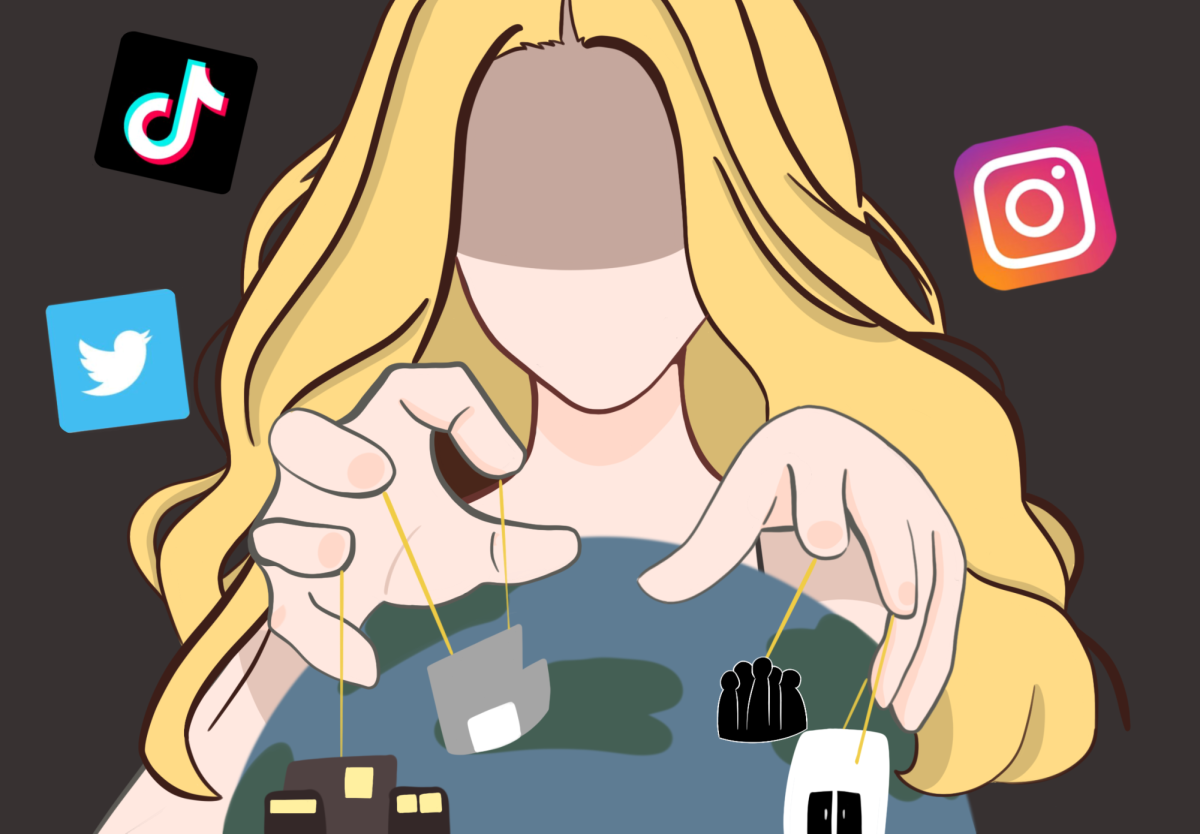
One of the most powerful ways algorithms influence our dreams is by shaping how we perceive the world around us. In the digital age, social media platforms like Instagram, TikTok, and Facebook use algorithms to present a curated version of reality. These platforms optimize for engagement, showing us images, videos, and posts that are designed to captivate our attention. Over time, these carefully selected pieces of content can distort our perceptions of what is normal, beautiful, successful, or desirable.
Consider how influencers and celebrities use social media to promote idealized versions of their lives. The algorithm learns what engages users and amplifies these types of content, creating an aspirational standard that many strive to emulate. Whether it’s the perfect body, the dream vacation, or the “hustle culture” of nonstop success, algorithms are constantly feeding us images and stories that shape what we dream of achieving. This can result in a society where people become obsessed with curated ideals of beauty, wealth, and success, influencing their goals and dreams in often unrealistic and harmful ways.
Algorithms and the Reinforcement of Echo Chambers
Another subtle way algorithms shape our dreams is through the creation of echo chambers. Algorithms tend to show us content that aligns with our existing beliefs, interests, and biases. While this might feel comforting in the short term, it can limit our exposure to diverse perspectives and ideas. As a result, we may unknowingly limit the scope of our dreams and aspirations.
For instance, someone who frequently engages with content about environmental activism may be exposed to a narrow set of ideas and solutions. While this can inspire them to pursue eco-friendly initiatives, it can also prevent them from considering other paths or solutions to global problems. Similarly, someone interested in a particular career path may be presented with content that glorifies a specific version of success, potentially overshadowing other viable, yet less conventional, routes.
By reinforcing our existing beliefs and desires, algorithms contribute to the narrowing of our dreams. This can lead to a form of intellectual and emotional myopia, where we are unable to see or even imagine other ways of thinking, being, or achieving.
The Dream of Perfection: Algorithms and the Cult of Self-Improvement
In the quest for self-improvement, algorithms play a powerful role. Platforms like YouTube, TikTok, and fitness apps are flooded with content designed to help us optimize our bodies, minds, and lives. Algorithms, once again, play a pivotal role by feeding us content based on what we’ve already shown an interest in. If we watch one workout video, it won’t be long before we’re bombarded with similar content. The same happens with self-help books, motivational speakers, and life-coaching materials. These algorithms are feeding us a dream of constant improvement—of the need to be “better” and “perfect.”

But here’s the catch: these dreams of perfection are not only shaped by what we watch or read, but also by the relentless pressure of the algorithm itself. Because these platforms are engineered to reward engagement, they often present a never-ending stream of idealized images and aspirational messages. We are led to believe that we should always be striving for more—more productivity, more success, more fitness, more happiness. This creates an environment where the dream of self-improvement becomes not just a personal goal but a societal expectation, one that is perpetuated by algorithms that thrive on our desire for validation and recognition.
Algorithms as Storytellers: The Narratives They Create
Algorithms are also powerful storytellers. Whether it’s the plot of a Netflix show or the journey of a video game character, algorithms help shape the stories we consume. These stories, in turn, shape our understanding of what is possible in life. If you spend hours watching uplifting success stories or superhero sagas, you might start to believe that success is something to be achieved by overcoming great obstacles. These narratives, carefully crafted and tailored by algorithms, reinforce certain ideals about what is worth aspiring to and how to go about achieving it.
One particularly compelling example is the rise of algorithmically-driven narrative content. Shows like Black Mirror, The Social Dilemma, and even the now-classic The Matrix have explored the dystopian potential of algorithms in shaping our lives. These stories, while fictional, mirror the very real ways in which technology is influencing our hopes, fears, and futures. They depict a world where algorithms don’t just recommend our next purchase or social interaction, but actively shape our perception of reality.
The Dual Nature of Algorithmic Influence: Opportunity or Manipulation?
As much as algorithms shape our dreams, they also present unique opportunities. For instance, algorithms can introduce us to new ideas, people, and cultures that we might otherwise never encounter. They can inspire creativity, broaden our horizons, and connect us to a world of information. If used mindfully, algorithms can empower us to dream bigger, think more critically, and aspire to new possibilities.
However, the line between opportunity and manipulation is thin. Because algorithms are designed to maximize engagement and profit, they often prioritize content that elicits strong emotional reactions. This means that algorithms favor sensationalism, outrage, and idealized lifestyles, creating an environment where dreams are not formed organically but curated to meet the needs of tech companies and advertisers.
In many cases, algorithms can push us toward shallow or materialistic aspirations—dreams that align with consumerism rather than self-actualization. It is up to us, as individuals, to become aware of how these algorithms influence our desires and to take an active role in curating our own dreams, rather than passively accepting the ones the algorithms serve us.
How Can We Reclaim Control Over Our Dreams?
The good news is that we aren’t completely powerless in the face of algorithmic influence. By becoming more mindful of the content we consume and the platforms we engage with, we can start to regain control over the direction of our dreams. Here are a few strategies for doing so:
- Diversify Your Sources: Don’t limit yourself to content that the algorithm deems relevant. Seek out different perspectives, new ideas, and unconventional voices. Read books, attend talks, and engage with content outside your usual online bubble.
- Take Breaks from Social Media: While it can be difficult, taking regular breaks from social media can help reset your mental state and break free from the constant barrage of algorithmically-driven content.
- Be Critical of Perfection: Recognize that the “perfect life” shown online is often a carefully curated illusion. Aspiring to a life based on authenticity and personal fulfillment is more sustainable than chasing idealized perfection.
- Set Your Own Goals: Instead of allowing algorithms to dictate your dreams, take the time to reflect on what truly matters to you. Set goals that are aligned with your values, not with the ones the algorithm encourages you to pursue.
Conclusion
In a world increasingly dominated by algorithms, the very dreams we have—whether about our careers, relationships, or even our sense of self—are being shaped, often without our conscious awareness. Algorithms are powerful tools, and while they can provide us with new opportunities and insights, they also come with the risk of distorting our desires, narrowing our perspectives, and reinforcing unrealistic ideals. To truly own our dreams, we must become conscious of how these digital forces are influencing us and take deliberate steps to shape our futures on our own terms.












Discussion about this post