






























Human evolution is one of the most complex and fascinating stories ever told. It spans millions of years, marked by shifts in anatomy, behavior, and cognition, molding Homo sapiens into the species we are today. But could we replicate this intricate and gradual process using Artificial Intelligence (AI)? In this article, we will explore the potential of AI to simulate the process of human evolution—examining the technologies, methods, challenges, and implications involved.
The Power of Evolutionary Simulations
To understand whether AI can simulate human evolution, we first need to grasp the concept of evolutionary simulations. Evolutionary biology is the study of how species evolve over time, driven by natural selection, genetic variation, and environmental pressures. By modeling these dynamics computationally, we can simulate evolutionary processes and observe how virtual organisms develop and adapt.
In AI, there are algorithms that mimic evolutionary principles to solve complex problems. These algorithms, often referred to as evolutionary algorithms or genetic algorithms, work by generating a population of potential solutions and iteratively selecting, breeding, and mutating them based on a fitness function. Over successive generations, the population evolves towards an optimal solution, mimicking natural selection.
While these algorithms are typically used in fields like optimization, machine learning, and engineering, their underlying principles are closely related to biological evolution. The idea of simulating the evolution of life, including human evolution, is a natural extension of these techniques.
AI and Evolutionary Algorithms: A Brief Overview
Evolutionary algorithms are inspired by the process of natural evolution, which includes:
- Selection: The process by which the fittest individuals are chosen to reproduce and pass on their genetic material.
- Crossover: The recombination of genetic material from two parent organisms to create offspring with traits inherited from both.
- Mutation: Small random changes to an individual’s genetic code that introduce new traits.
- Reproduction: The creation of new individuals based on selected parents and mutated genetic codes.
These components allow AI systems to mimic the process of natural selection in a highly controlled, repeatable environment. However, when we extend this to simulating human evolution, the complexity increases significantly. Human evolution isn’t just about genetic changes—it’s also about environmental influences, social dynamics, and cultural evolution. Modeling all of these factors in AI requires a sophisticated approach.
The Role of Artificial Life in Evolution Simulations
Artificial life (or A-Life) is a field of research that attempts to understand life by recreating it in digital environments. A-Life simulations often involve the creation of virtual organisms that can interact, reproduce, evolve, and adapt to changing environments. Some of these simulations have been remarkably successful at demonstrating how life forms can evolve over time.
For instance, the “Evolving Virtual Creatures” project, conducted by researchers at the University of Tokyo, created an environment where simple virtual organisms evolved to adapt to various challenges. While these creatures were far removed from human beings, the project demonstrated that AI could simulate evolutionary processes such as mutation, survival of the fittest, and adaptation to environmental pressures.
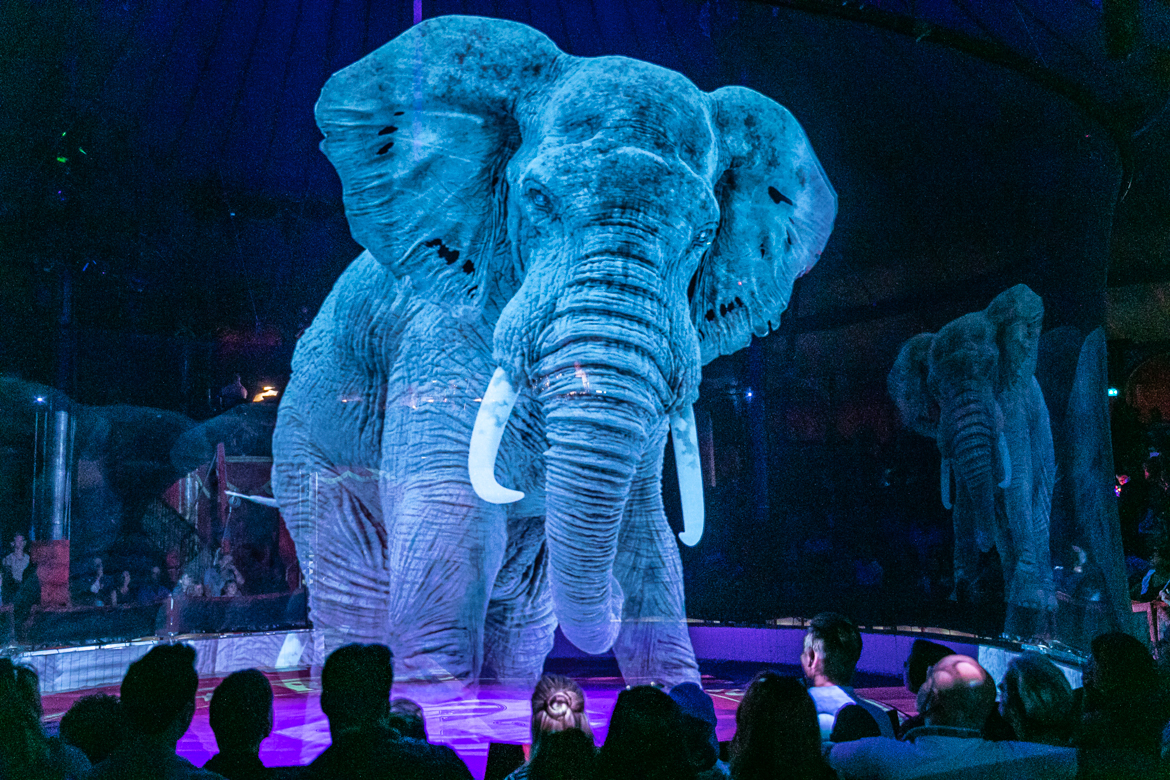
If we want to simulate human evolution using AI, we would need to create virtual organisms with vastly more complex traits. These would need to include aspects of human biology, behavior, and cognition—each of which can be influenced by genetic, environmental, and cultural factors.
Simulating Human Evolution: The Complexity of the Task
Simulating the full trajectory of human evolution would require not just modeling genetic mutations but also accounting for the environmental pressures that shaped our ancestors. These include climate changes, geological events, food availability, predation, and social structures. In addition, we would need to model the development of language, tool use, and social behaviors—all of which are key aspects of human evolution.
Moreover, human evolution is not a linear process. It involves branching patterns, where different species (such as Homo habilis, Homo erectus, and Homo sapiens) emerged and interacted. For an AI simulation to replicate this complexity, it would need to simulate not just individual organisms, but entire populations and ecosystems. Additionally, it would need to model cultural evolution, which is the transmission of knowledge, tools, and behaviors between generations—an aspect of human evolution that is particularly unique to our species.
Key Challenges in Simulating Human Evolution with AI
- Genetic and Biological Complexity: Human genetics is enormously intricate. There are approximately 20,000-25,000 genes in the human genome, each with numerous variations and interactions. Modeling this complexity requires vast computational resources and sophisticated algorithms capable of simulating not just the genetic code but also the epigenetic factors that influence gene expression.
- Environmental Factors: Evolution is driven not only by genetic mutations but also by environmental factors. Climate, terrain, availability of resources, and the presence of other species all play crucial roles. Simulating these factors realistically in an AI environment is a daunting task that would require detailed data on Earth’s history, from the emergence of life to the present day.
- Cultural Evolution: Human evolution has been heavily influenced by culture—language, social structures, technology, and knowledge have shaped our development in ways that biological evolution alone cannot explain. Modeling cultural evolution in an AI system adds a layer of complexity that has yet to be fully realized in evolutionary algorithms.
- Ethical Considerations: Simulating human evolution in an AI environment could raise ethical questions. While we can use AI to model evolutionary processes, the potential implications of artificially creating or manipulating virtual human-like entities might challenge our understanding of personhood, consciousness, and rights.
Towards an AI Simulation of Human Evolution
Despite these challenges, there has been significant progress in simulating various aspects of evolution using AI. Here are some of the steps that could contribute to building a more complete simulation of human evolution:
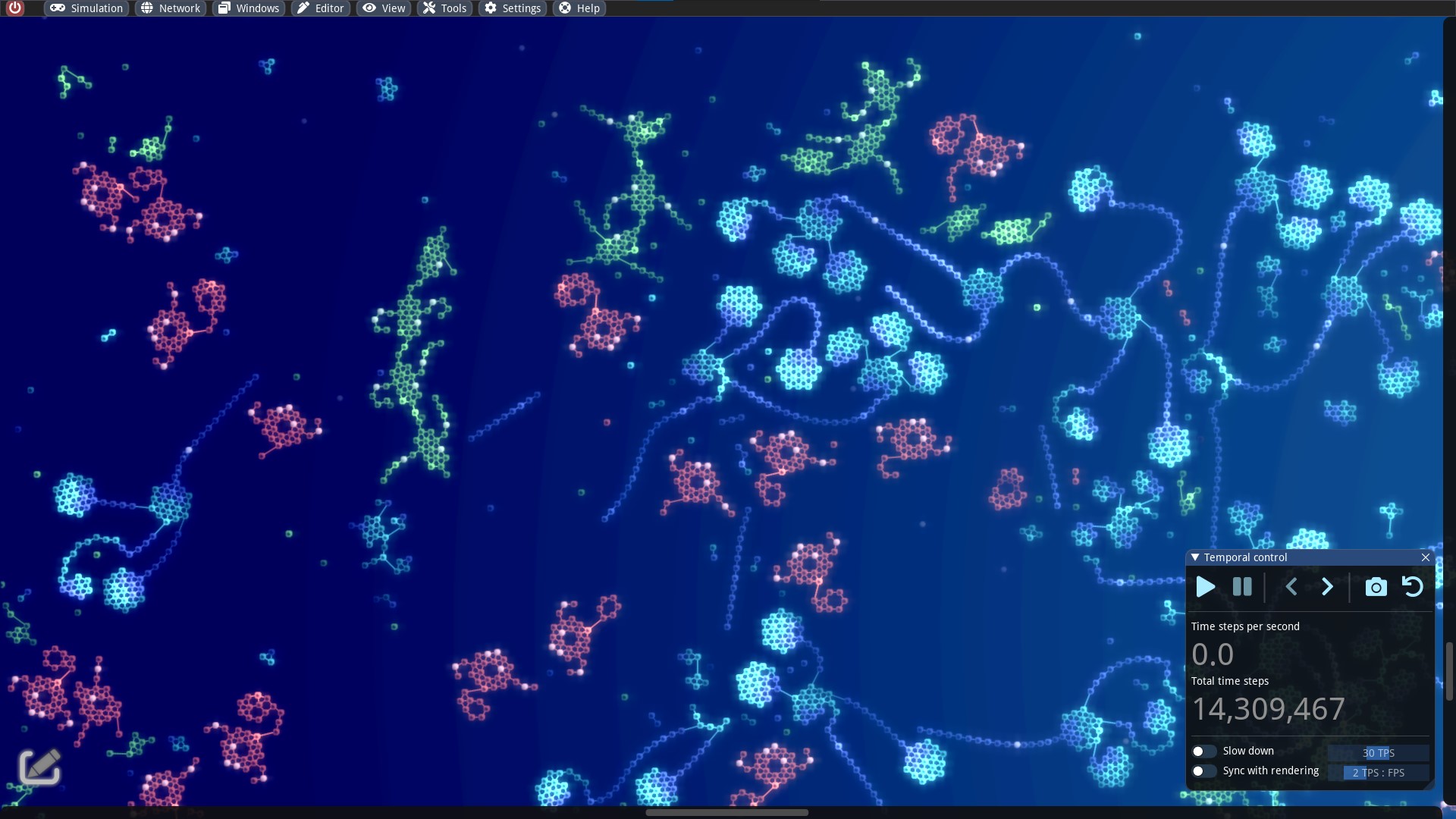
- Creating Complex Virtual Organisms: AI models could start by creating more sophisticated virtual organisms with traits similar to those of early human ancestors. These organisms could possess rudimentary cognitive abilities, basic social behaviors, and a limited capacity for tool use. Over generations, these organisms would adapt to their environment in response to natural selection pressures.
- Simulating Environmental Pressures: By creating dynamic, evolving ecosystems, we can model how environmental factors (such as climate change or the availability of food) influence the evolution of organisms. For example, an AI simulation could explore how early human ancestors adapted to changing climates, migrating between different habitats in response to ice ages or the spread of forests.
- Modeling Cultural Evolution: One of the most interesting aspects of human evolution is the development of culture. AI could simulate how early human societies developed tools, language, and social structures. For instance, virtual humans might learn to use fire or develop social hierarchies, passing on knowledge to future generations through a form of “cultural inheritance.”
- Multi-Agent Systems: AI could also simulate human evolution through multi-agent systems, where each virtual human (or group of humans) acts as an independent agent with its own goals and behaviors. These agents could interact with each other, form alliances, and even compete for resources. Over time, these interactions could lead to the emergence of complex social and cultural behaviors.
- Long-Term Simulations: One of the key features of evolution is that it occurs over long timescales. AI models could run simulations over millions of years, allowing virtual human populations to evolve gradually. These long-term simulations would allow researchers to observe how various factors—genetic mutations, environmental changes, and cultural shifts—interact over time to produce new forms of behavior, anatomy, and cognition.
Applications of AI Simulations in Evolutionary Research
If AI could successfully simulate human evolution, the potential applications would be wide-ranging:
- Evolutionary Medicine: By simulating the evolution of human diseases, resistance to diseases, or the development of immune systems, AI models could provide valuable insights into human health. For instance, researchers could simulate how diseases like malaria or tuberculosis evolved to understand how they might evolve in the future.
- Anthropology and Evolutionary Psychology: AI simulations could help anthropologists and psychologists test hypotheses about the origins of human behavior. By simulating human societies in various environments, researchers could explore the factors that shaped our cognitive abilities, social structures, and cultural practices.
- Education and Public Engagement: AI simulations could offer an engaging way to teach the public about human evolution. By creating interactive simulations where users can control virtual organisms and see how they evolve over time, educators could help people understand the complex processes behind human development.
- Artificial Evolution in Technology: Evolutionary algorithms are already used in optimization tasks. Extending these algorithms to model human evolution could lead to the development of more advanced AI systems that are capable of solving problems in new, innovative ways.
Conclusion: Is Simulating Human Evolution Possible?
Simulating the process of human evolution using AI presents both tremendous opportunities and significant challenges. While AI has proven effective in simulating evolutionary processes on a small scale, creating a model that replicates the complexity of human evolution—including genetic, environmental, and cultural factors—remains an ambitious task. However, as AI technology continues to evolve, so too will our ability to simulate complex systems like human evolution.
In the future, AI simulations of human evolution could provide us with deeper insights into our past, help us address modern-day challenges, and even shape the development of future technologies. As we continue to push the boundaries of what AI can achieve, the possibility of simulating the evolution of human life might one day become a reality.













Discussion about this post