




































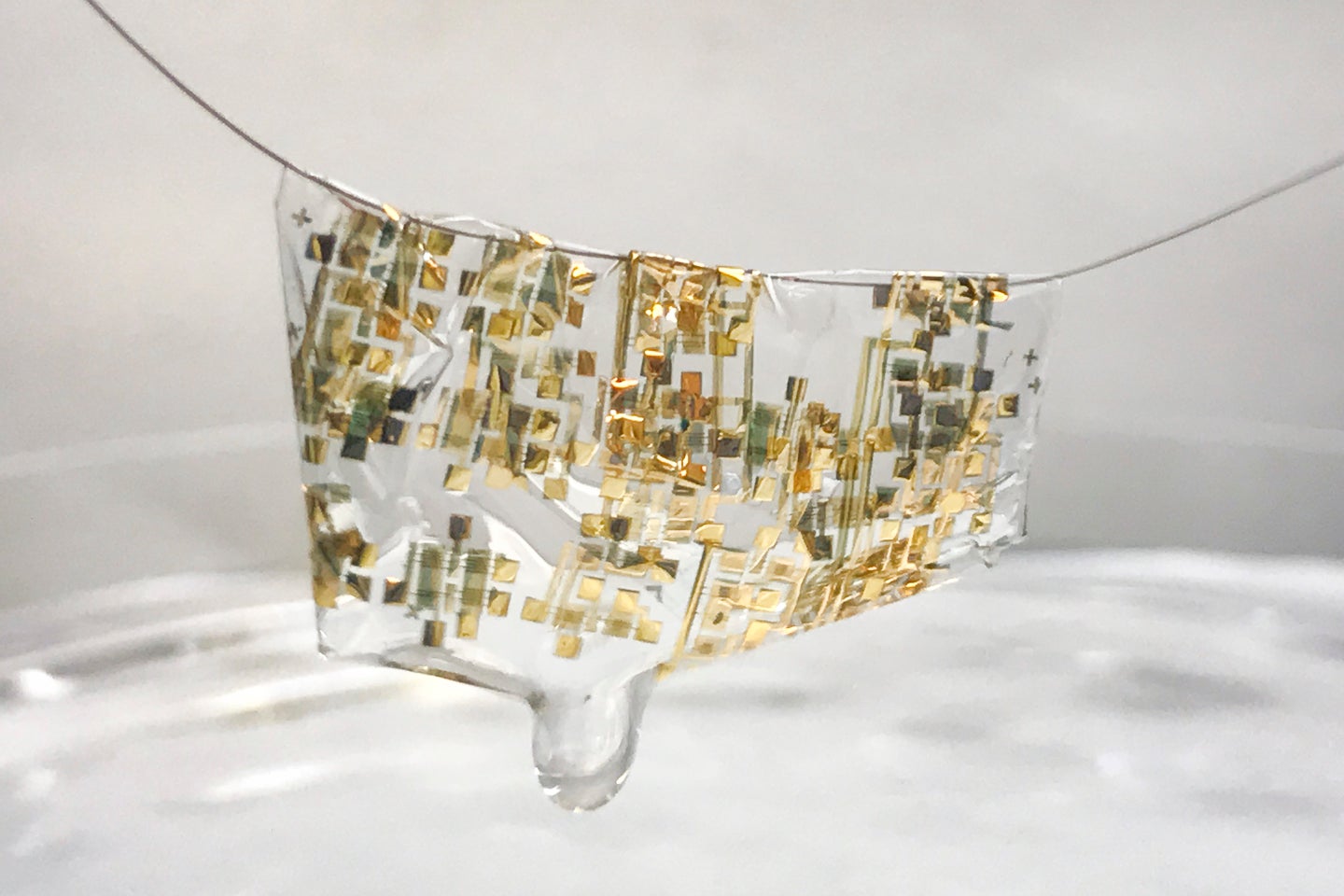
In the age of rapid technological innovation, the demand for more efficient, greener, and sustainable solutions has never been greater. Traditional electronics, with their reliance on non-biodegradable materials, have contributed significantly to e-waste—the fastest-growing waste stream globally. Yet, as the world moves toward a more sustainable future, a new frontier in electronics is emerging: biodegradable circuits. These eco-friendly alternatives to conventional electronic components hold the potential to transform the way we design, manufacture, and dispose of tech devices.
But are biodegradable circuits truly the key to sustainable technology, or are they just another promising idea yet to reach its full potential? In this article, we will explore the science, benefits, challenges, and future possibilities of biodegradable circuits in the context of sustainable tech. From their materials and applications to their environmental impact, we’ll analyze whether they can help create a cleaner, more sustainable technological future.
The Problem with Traditional Circuits
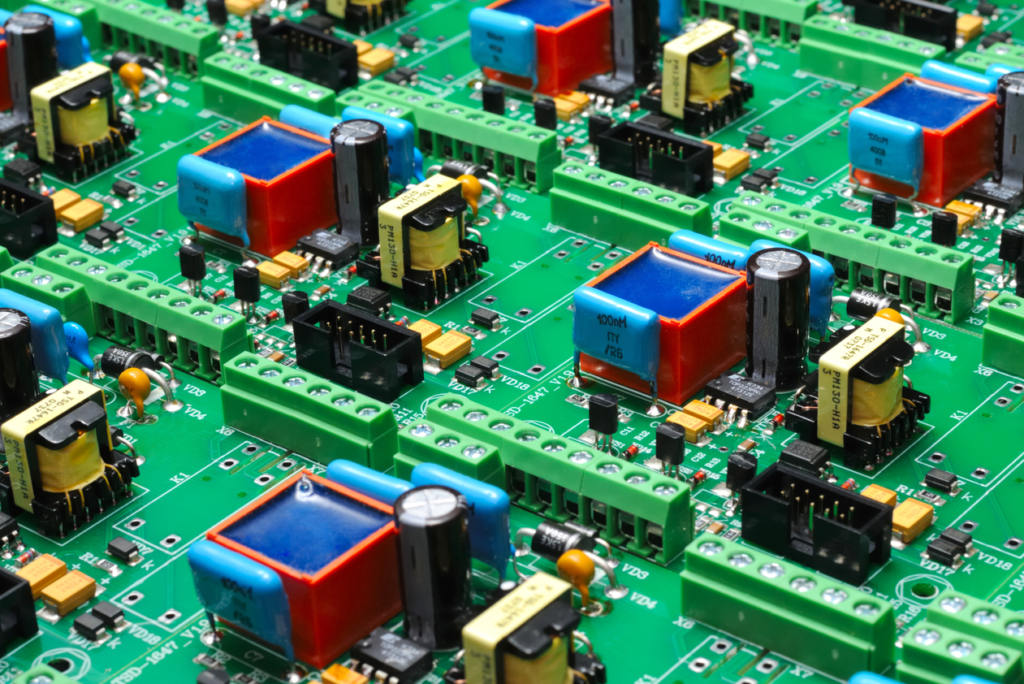
Before diving into the potential of biodegradable circuits, it’s important to understand the environmental issues surrounding traditional electronic circuits. Most electronic devices—whether smartphones, computers, or wearable tech—are made using printed circuit boards (PCBs). These PCBs are composed of several non-biodegradable materials such as plastics, metals (copper, gold, and aluminum), and hazardous chemicals (lead, mercury, and cadmium). When discarded improperly, these materials leach into the environment, contaminating soil and water and causing long-term ecological damage.
The mounting problem of e-waste is largely due to the rapid obsolescence of electronics. With faster product lifecycles, devices are replaced more frequently, leading to an increase in waste. According to the United Nations, the world generates over 50 million tons of e-waste annually, and only 20% of it is formally recycled. The rest ends up in landfills or is incinerated, releasing toxic chemicals and further harming the environment.
Moreover, recycling traditional circuits is not an easy task. The separation of valuable metals from non-recyclable components requires specialized equipment and can be economically unfeasible for many regions. This results in the inefficiency of recycling processes, further exacerbating the e-waste problem.
Enter Biodegradable Circuits
Biodegradable circuits represent a significant shift in how we think about electronics. These circuits are designed with materials that can naturally break down after their useful life, reducing the harmful environmental impact of e-waste. By using biocompatible, sustainable, and recyclable materials, biodegradable circuits offer a promising alternative to the toxic and non-recyclable components of traditional PCBs.
But what exactly are biodegradable circuits made from? Let’s break it down.
Materials Behind Biodegradable Circuits
One of the key challenges of creating biodegradable electronics is identifying materials that can both function like traditional circuit components and decompose safely without harming the environment. Researchers are exploring several materials for this purpose, including:
- Biodegradable Polymers: Bioplastics, such as poly(lactic acid) (PLA) and polyhydroxyalkanoates (PHA), are being studied for their potential use in circuit boards. These polymers are derived from renewable resources (such as corn starch or sugarcane) and can degrade naturally in the environment. These materials can be molded and processed in much the same way as traditional plastics, allowing for the creation of flexible and lightweight circuit boards.
- Conductive Inks: One of the most exciting advancements in biodegradable electronics is the development of conductive inks. These inks are made from environmentally friendly materials, such as silver nanowires or carbon-based materials, and can be used to print conductive pathways directly onto biodegradable substrates. This approach reduces the need for traditional metal-based wiring, making the circuits both functional and eco-friendly.
- Plant-Based Fibers: Researchers are also exploring the use of plant-based fibers such as cellulose and bamboo as substrates for biodegradable circuits. These natural materials are not only sustainable but also lightweight and flexible, making them ideal for use in wearable tech and other flexible electronics.
- Bio-based Metals: In some cases, researchers are investigating the use of bio-based or less toxic metals for circuit components. For instance, researchers have been experimenting with conductive inks made from copper that can be processed without toxic chemicals. These bio-based metals are more sustainable than traditional heavy metals used in conventional circuits.
- Microbial Electronics: Perhaps the most innovative approach is the use of bacteria or other microorganisms to create bio-circuits. These “living circuits” could one day offer a completely biodegradable solution, as they can be grown and self-assembled into functional electronics without the need for traditional materials.
How Do Biodegradable Circuits Work?
Biodegradable circuits function similarly to traditional circuits but with the added advantage of being able to break down when exposed to environmental factors such as heat, moisture, or microbial activity. The electronic components, including capacitors, resistors, and transistors, are typically printed or integrated into the biodegradable substrates. Conductive pathways are formed using eco-friendly inks or metal traces, which allow electricity to flow and power the device.
One of the most significant breakthroughs in biodegradable circuits has been the development of transistors made from biodegradable materials. Transistors are the fundamental building blocks of modern electronics, controlling the flow of electricity and enabling the processing of data. Researchers have created transistors using materials like organic semiconductors, which can function in much the same way as traditional silicon-based semiconductors but with the added benefit of being biodegradable.
For example, in a biodegradable circuit, the transistors might be made from organic semiconducting materials, and the connections might be printed with conductive inks. The entire system is designed to degrade over time, without leaving behind harmful residues.
Advantages of Biodegradable Circuits
The potential advantages of biodegradable circuits go beyond just reducing e-waste. These circuits could provide a host of other benefits, including:
- Reduced Environmental Impact: By using materials that can naturally decompose, biodegradable circuits significantly reduce the environmental impact of electronics. The materials used are non-toxic and break down into harmless substances, preventing the accumulation of dangerous chemicals in the environment.
- Energy Efficiency: Some biodegradable materials, such as organic semiconductors, can operate at lower energy levels than traditional silicon chips. This could lead to energy savings in devices that rely on biodegradable electronics, making them more energy-efficient.
- Cost-Effective Manufacturing: Biodegradable circuits could be cheaper to produce in the long run. Materials like biodegradable polymers and conductive inks are often less expensive than traditional materials, and the processes used to create these circuits can be less energy-intensive, reducing production costs.
- Flexible and Lightweight: Many biodegradable materials are flexible, making them ideal for use in wearable devices, sensors, and other flexible electronics. These materials also tend to be lighter than traditional electronic components, which could be particularly useful for devices that require portability.
- Improved Recycling and Disposal: Biodegradable circuits have the potential to reduce the challenges associated with recycling traditional electronics. Because the materials are designed to break down naturally, there is less need for complex recycling processes, making disposal easier and more sustainable.
Applications of Biodegradable Circuits
Biodegradable circuits have a wide range of potential applications across various sectors. These include:
- Wearable Electronics: With the growing popularity of wearable tech like smartwatches, fitness trackers, and health-monitoring devices, biodegradable circuits could provide an environmentally friendly alternative to traditional electronics. These devices, which are in constant contact with the human body, could benefit from flexible, biodegradable components that degrade safely after their useful life.
- Medical Devices: Biodegradable circuits hold immense potential in the medical field. For example, bioelectronics such as temporary implants or bio-sensors could be designed to degrade in the body after serving their purpose, eliminating the need for surgical removal and reducing the risk of infections or complications.
- Sensors and IoT Devices: The Internet of Things (IoT) is rapidly expanding, with billions of connected devices generating data around the world. Biodegradable circuits could help power temporary or disposable sensors, reducing the environmental impact of devices that are often used for a short period and discarded.
- Eco-friendly Packaging: Biodegradable circuits can also be integrated into smart packaging, such as packaging for food or pharmaceuticals. These circuits could enable features like temperature tracking, real-time monitoring, or tamper detection while remaining entirely biodegradable after use.
- Consumer Electronics: While still in the early stages, biodegradable circuits could one day replace traditional PCBs in consumer electronics like smartphones, laptops, and tablets. As the technology matures, it could help make these devices more sustainable and less harmful to the environment.
Challenges and Limitations
While biodegradable circuits show great promise, there are still several challenges to overcome before they can be widely adopted:

- Performance Limitations: Although biodegradable materials are functional, they are currently not able to match the performance of traditional electronic components in some areas. For example, the conductivity and efficiency of biodegradable circuits may not be on par with those made from metals like copper or silicon.
- Scalability: Many biodegradable electronics are still in the experimental phase, and scaling up production to meet the demands of the tech industry presents a significant challenge. The cost and availability of sustainable materials may also limit their widespread adoption.
- Durability: Biodegradable materials may not have the same durability as traditional electronics, especially in harsh environments. For instance, biodegradable circuits may degrade too quickly when exposed to moisture or heat, limiting their use in certain applications.
- Regulatory Hurdles: The use of new materials in electronics often faces regulatory scrutiny, especially when it comes to safety and environmental impact. Biodegradable circuits will need to undergo rigorous testing and approval processes before they can be commercialized at scale.
- Consumer Acceptance: There is also the issue of consumer awareness and acceptance. Many consumers are unfamiliar with biodegradable electronics, and there may be resistance to adopting new technologies, especially if they are perceived as less durable or reliable than traditional products.
The Future of Biodegradable Circuits
Despite the challenges, the future of biodegradable circuits looks promising. As research advances and new materials are developed, biodegradable electronics could become a major part of the sustainable tech landscape. Collaborative efforts between scientists, engineers, and manufacturers will be key to overcoming the barriers to mass production and commercialization.
With the rising demand for eco-friendly products and the growing awareness of the environmental impact of e-waste, biodegradable circuits could become a cornerstone of the circular economy. In the coming decades, we may see a new era of electronics—one that is as sustainable as it is innovative.
Conclusion
Biodegradable circuits represent a fascinating and potentially game-changing innovation in the field of electronics. While still in the early stages of development, they offer a promising solution to the growing problem of e-waste and provide a glimpse into a future where technology and sustainability can coexist.
By utilizing biodegradable materials that can break down naturally and safely, these circuits offer a way to reduce the environmental impact of electronic devices, from wearables to medical implants. While challenges remain, the potential benefits of biodegradable electronics—such as reduced waste, energy efficiency, and flexibility—make them a crucial part of the sustainable tech movement.
In a world increasingly focused on environmental responsibility, biodegradable circuits could very well hold the key to creating a more sustainable, circular economy for tech products. Whether or not they are the ultimate solution to the e-waste crisis remains to be seen, but one thing is clear: the journey toward greener electronics is well underway.













Discussion about this post