



































The passage of time has often left humanity with gaps in our understanding of history. Wars, natural disasters, and other significant events have erased records, leaving us to piece together fragments of the past. Today, advances in artificial intelligence (AI) offer a new avenue to bridge these gaps, potentially enabling us to “recreate” lost historical events with unprecedented accuracy and depth. From predictive algorithms to digital reconstructions, AI is transforming the way we explore and understand history. But how exactly could AI be used to recreate lost historical events, and what does this mean for our connection to the past?
The Power of Artificial Intelligence in Historical Reconstruction
AI is revolutionizing multiple sectors by mimicking the human brain’s ability to learn, adapt, and process large amounts of data. It can be broken down into various subfields, such as machine learning, natural language processing (NLP), and computer vision, all of which have unique applications in the realm of historical research and recreation. These technologies allow us to sift through mountains of historical data, detect patterns, and extrapolate information that may otherwise be missed.
1. Analyzing Lost Texts and Documents
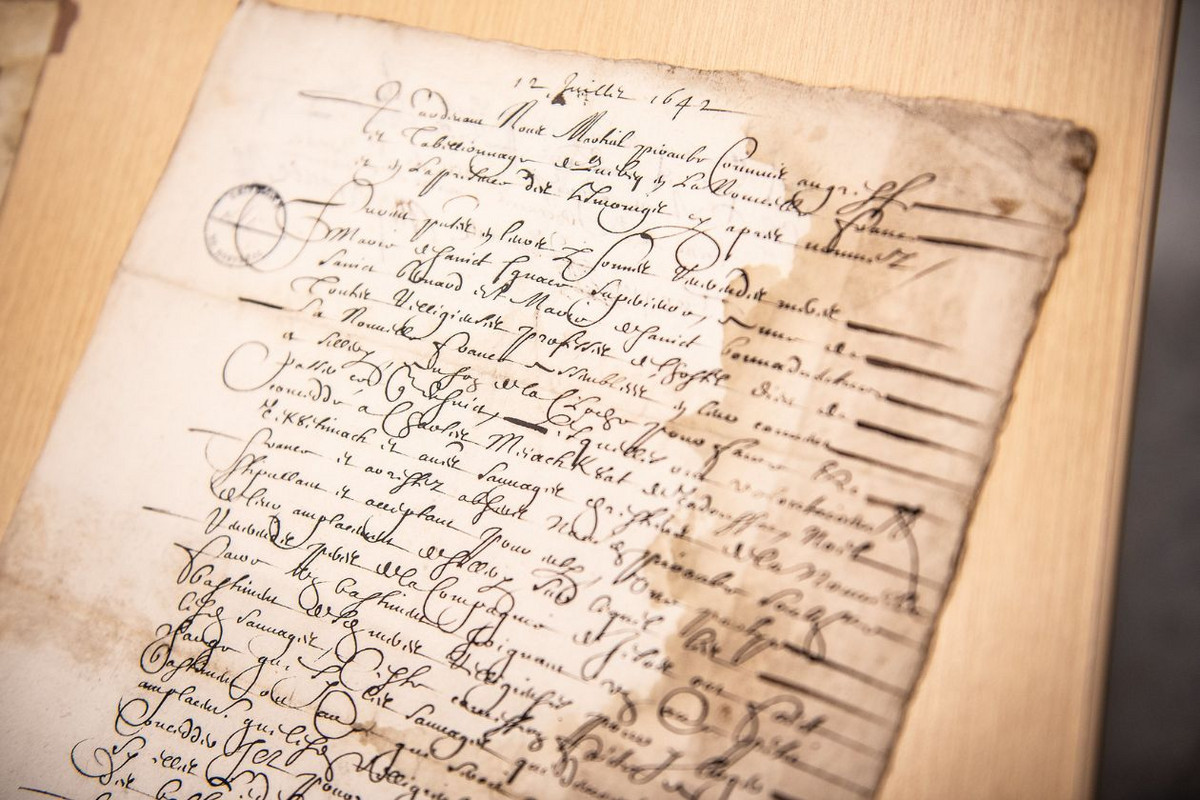
One of the most promising applications of AI in historical research is its ability to recover and analyze lost or fragmented texts. Ancient manuscripts, letters, or other written records that have been destroyed, eroded, or remain inaccessible can potentially be reconstructed with AI. For example, in cases where only small sections of texts have survived, machine learning algorithms can fill in the blanks based on similar works or known historical contexts. By training AI models on existing literature from the same period, researchers can help AI “guess” what the missing content may have been.
In addition, AI-powered tools can transcribe and translate ancient languages, making it possible to understand texts that were once impenetrable. This process was already seen in the reconstruction of ancient Egyptian hieroglyphs and the Rosetta Stone’s significance. AI could accelerate similar efforts, unlocking languages and cultures that we thought we had lost forever.
2. Digital Reconstructions of Lost Places and Events
AI isn’t just about words; it’s also revolutionizing how we visualize the past. Historical sites that have been destroyed, such as the ancient Library of Alexandria, or events that were never captured on film, can now be reimagined through digital reconstructions. By feeding AI systems with archaeological data, historical accounts, and other sources, AI can help create virtual models of lost cities, buildings, and landscapes.
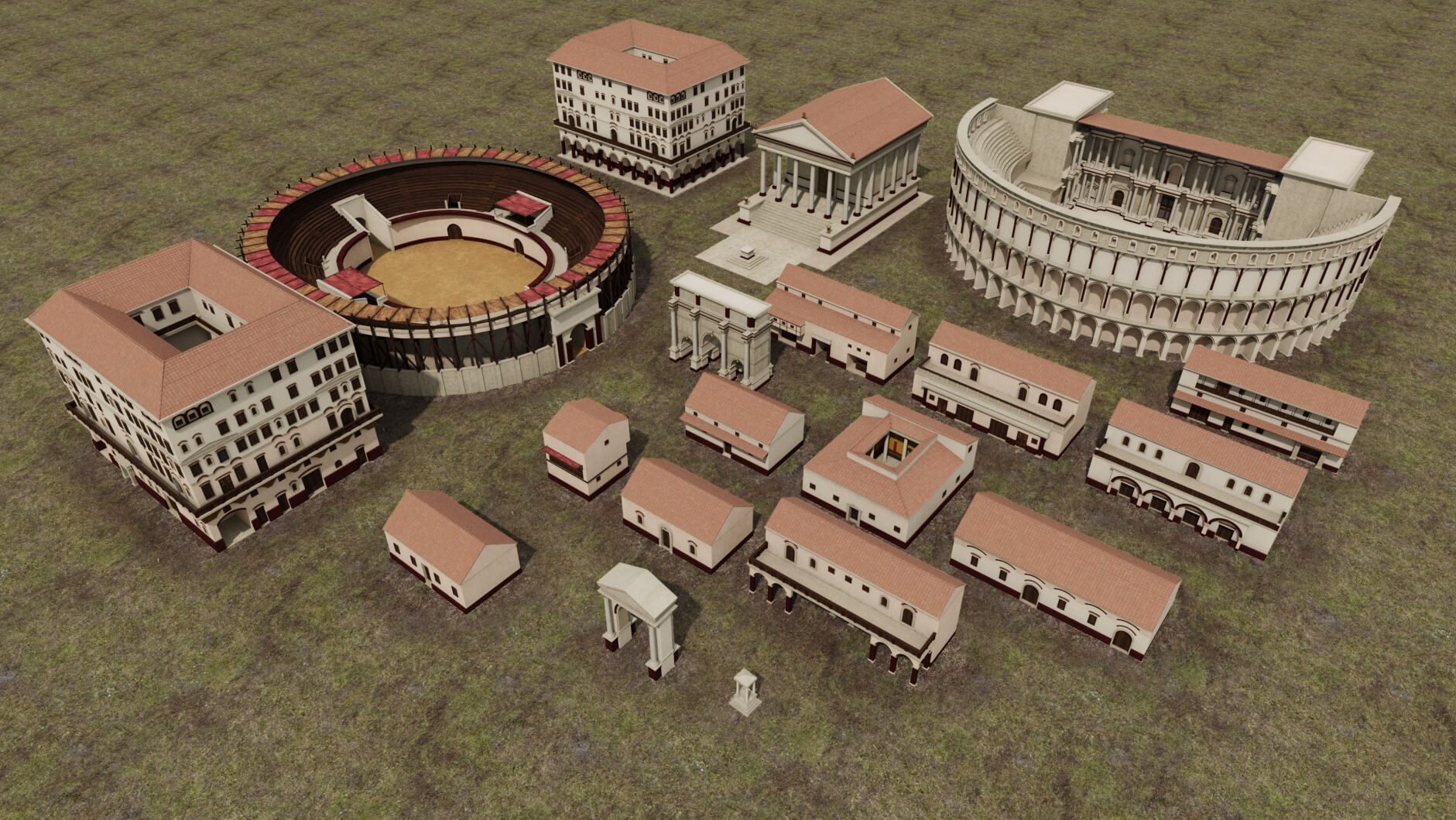
One striking example of this is the digital recreation of ancient Rome. Using AI-powered tools like 3D scanning, researchers can reconstruct the city as it appeared at various stages of history. These models can be used not just to visualize history but to analyze how people interacted with their environments. What did the city look like during the reign of Augustus compared to the time of Nero? How did the layout of Rome evolve with new technological advancements? AI can provide answers to these questions by building intricate, multi-dimensional models that change over time.
3. AI for Predicting Historical Outcomes
AI’s predictive abilities also offer intriguing possibilities for recreating lost events or speculating on “what could have been.” Machine learning algorithms are trained to recognize patterns in historical data—such as military strategies, political events, or social movements—and use that data to predict how different scenarios might have played out.
For instance, AI could be used to predict the outcome of famous historical battles based on the specific variables that influenced the events: the military strategies used, the terrain, the leadership, and the available technology. Researchers could feed data from a battle like the Battle of Hastings in 1066 into an AI model and run simulations to see how different tactical decisions might have led to different outcomes. This wouldn’t recreate the event itself, but it could offer a fresh perspective on the critical factors that shaped it.
Moreover, by applying AI to political decisions, historians could run simulations of alternative historical paths. What might have happened if Napoleon had won at Waterloo? What if the U.S. had not entered World War II? AI could suggest alternative timelines based on a deep analysis of political, economic, and social data, offering new insights into well-known events.
4. Recreating Lost Voices: Historical Speech Synthesis
A fascinating development in AI technology is the ability to synthesize voices, including those of historical figures who are no longer alive. Imagine hearing a speech by Winston Churchill delivered with the tone and cadence of the actual man, or hearing the words of Cleopatra or Julius Caesar in a voice that feels real and authentic. AI can take recorded samples of a person’s voice (if available) and recreate the speech patterns, making it possible to virtually “hear” figures from history speak once again.

Though this technology may sound more like science fiction, it’s becoming a reality. Companies like Descript, which use AI-driven audio processing, have already made it possible to synthesize voices, and similar applications could be adapted for historical purposes. For instance, using existing speeches, letters, and writings, AI could reconstruct how a historical figure may have sounded in a lost speech, based on linguistic patterns and historical context.
5. AI and the Reconstruction of Historical Narratives
In many ways, AI is an excellent tool for not just reconstructing individual events or figures but for rethinking entire historical narratives. Much of what we know about history has been shaped by biases, omissions, and gaps. Historical narratives are often influenced by the perspective of those in power, leading to distorted versions of events. AI can assist in offering a more holistic approach to history by analyzing a wider range of sources—from obscure letters to lesser-known historical accounts—and creating new interpretations that may have been overlooked.
For instance, AI could analyze hundreds of documents, oral histories, and media representations of a particular historical event, such as the American Civil War, and then identify patterns or inconsistencies that historians may not have noticed. AI might uncover overlooked perspectives or marginalized voices, allowing historians to reconstruct the event in a more nuanced, comprehensive manner.
This could have profound implications for how we understand events such as colonialism, the history of indigenous peoples, or the roles women played in major social movements. By democratizing the analysis of historical records, AI could allow for a more inclusive and diverse retelling of history.
The Ethics of AI and Historical Reconstruction
While AI’s potential for historical reconstruction is vast, it also raises important ethical considerations. AI’s ability to create simulations, recreate lost voices, or even predict alternate timelines might lead to questions about authenticity, ownership, and the distortion of historical truth.
The use of AI in recreating events and voices could raise concerns about “historical revisionism.” For example, what happens when AI is used to generate speeches or documents that never existed, but are presented as historical truths? Or when AI predicts alternate historical outcomes, potentially altering the public’s understanding of the past?
It’s crucial that historical AI projects are carried out transparently, with clear guidelines about the accuracy of the information being presented. Historical simulations should always be framed as possibilities, not facts. Similarly, AI-generated recreations of lost voices or events should be contextualized as speculative interpretations, not definitive accounts.
Conclusion: The Future of AI in Historical Reconstruction
The potential for AI to recreate lost historical events is both thrilling and transformative. With its ability to process vast amounts of data, predict outcomes, and generate virtual models, AI offers historians new ways to explore the past. Whether through reconstructing lost documents, predicting historical outcomes, or recreating ancient cities, AI is opening doors to a deeper understanding of our history.
However, with these capabilities comes responsibility. It’s essential that AI is used thoughtfully and ethically to ensure that it enhances our understanding of history, rather than distorting it. As the technology continues to advance, the line between fact and fiction may blur, but if wielded correctly, AI can offer a powerful tool in bridging the gaps of history—bringing the lost moments of our past to life in ways previously imagined only in dreams.













Discussion about this post