






















In the digital age, where the world’s information is growing at an unprecedented rate, traditional data storage methods are reaching their limits. Hard drives, SSDs, and cloud services, while reliable, are starting to feel the strain of the ever-expanding data universe. Enter DNA — a molecule that has not only revolutionized biology but also promises to revolutionize the way we store information. Could this natural substance, which carries the blueprint of life itself, become the ultimate storage medium for the digital age? How close are we to using DNA as a data storage medium?
The Rise of DNA Data Storage
DNA has a remarkable ability to store vast amounts of information in a tiny space. The human genome, for instance, contains approximately 3 billion base pairs of genetic code — and it fits in a single cell, not much bigger than the size of a speck of dust. For context, if you were to stretch out the DNA in one human cell, it would measure about 2 meters long. Despite its microscopic size, DNA contains enough information to hold all of humanity’s knowledge — and more.
This concept is not new. Scientists have been exploring the idea of using DNA as a data storage medium for decades. However, only in the past 10 to 15 years have significant advances been made in the practicalities of reading, writing, and synthesizing DNA for data storage. What was once the stuff of science fiction is now edging closer to reality.
DNA’s Unique Properties
Before delving into the potential of DNA as a data storage medium, it’s essential to understand why DNA is so special. DNA is composed of four nucleotides: adenine (A), cytosine (C), guanine (G), and thymine (T). These four bases pair up in specific combinations (A with T, and C with G) to form the double helix structure we associate with DNA. The sequence of these bases is what encodes genetic information.
In terms of storage, DNA is far more efficient than any digital system we currently have. It is incredibly dense, meaning that a gram of DNA can hold about 215 petabytes (215 million gigabytes) of data. Compare that to the best current storage medium — silicon-based hard drives, which can store only a few terabytes per unit.
Moreover, DNA is stable. While the technology to extract and read it is still evolving, DNA molecules can remain intact for thousands of years under the right conditions. The ancient remains of extinct species, including Neanderthals and mammoths, have provided us with genetic information preserved for tens of thousands of years. This makes DNA an incredibly robust and durable data storage medium.

DNA Data Storage Technology
Writing Data to DNA
The process of encoding digital information into DNA is a complex but fascinating one. At its core, it involves translating binary data (the 1s and 0s of the digital world) into the language of DNA — the four-letter genetic alphabet. This is done by converting groups of binary digits (bits) into corresponding DNA sequences. For example, the binary code “00” might translate to “A,” “01” to “C,” “10” to “G,” and “11” to “T.”
Once the data is encoded into a DNA sequence, it must be synthesized — that is, physically created in a lab. Scientists use automated DNA synthesizers to assemble the DNA strands with the encoded information. These synthesizers combine nucleotides in the correct order, forming long chains of DNA that store the data.
Reading Data from DNA
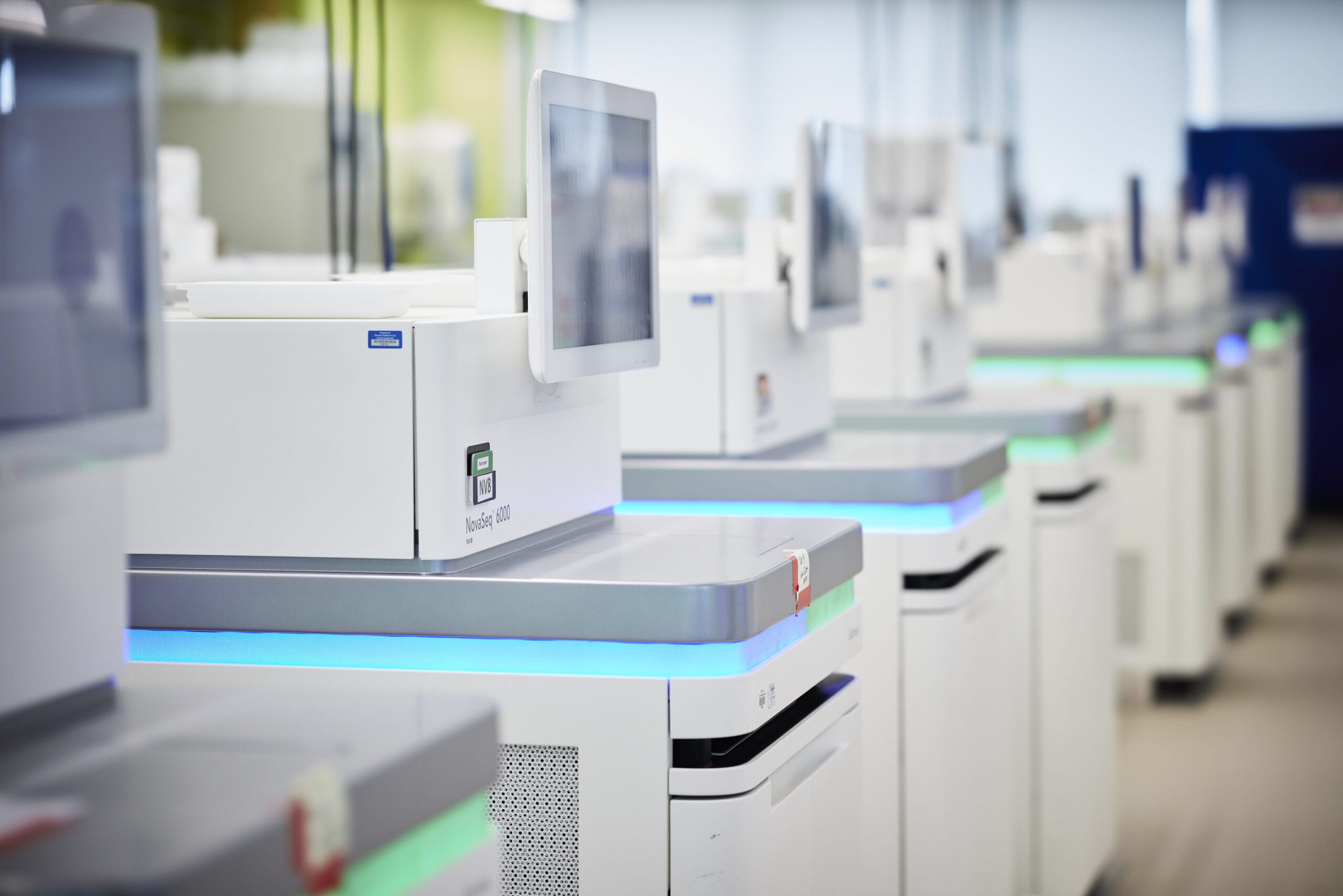
The process of reading data from DNA involves sequencing, a technique that decodes the DNA sequence back into binary data. Sequencing technologies, like next-generation sequencing (NGS), have become significantly faster and cheaper over the years, which has brought us closer to practical DNA data storage. Sequencers essentially “read” the order of the nucleotide bases (A, C, G, T) in a DNA sample, which can then be translated back into binary.
Currently, the process of reading DNA data is slower and more expensive than traditional storage methods. But advances in sequencing technologies are making it faster, more cost-effective, and scalable. As sequencing costs continue to drop, it’s possible that the time it takes to retrieve information from DNA will be reduced to a more practical level.
Data Retrieval and Error Correction
One of the challenges of using DNA for data storage is ensuring that data retrieval is accurate. DNA is inherently error-prone, especially when it’s replicated over long periods. To overcome this, researchers have developed sophisticated error-correction algorithms. These algorithms work by introducing redundant information into the DNA sequence, which helps identify and correct errors during data retrieval.
For example, Reed-Solomon error correction, a common technique used in digital communications, has been adapted for DNA data storage. This allows for the retrieval of data even if a portion of the DNA sequence is corrupted or degraded. As the technology matures, error correction methods will continue to improve, making DNA a more reliable storage medium.
The Advantages of DNA as a Storage Medium
- Extreme Data Density: As mentioned earlier, DNA can store a staggering amount of data in a very small space. To put this into perspective, one gram of DNA could store roughly 215 petabytes of data. That’s more than enough to store all of the world’s data multiple times over.
- Longevity and Stability: DNA is incredibly stable, especially when stored under the right conditions. In fact, researchers have successfully extracted and sequenced DNA from 50,000-year-old mammoth remains. If properly preserved, DNA could remain intact for centuries or even millennia, making it a highly durable storage medium.
- Energy Efficiency: Unlike traditional storage devices, which require power to maintain data, DNA is a passive storage medium. It doesn’t need electricity to store information. This makes it a potentially energy-efficient alternative to data centers that are currently consuming enormous amounts of energy to store and process digital data.
- Biodegradability: DNA is a natural material, and unlike synthetic storage media like hard drives or SSDs, it won’t contribute to the growing e-waste problem. When DNA storage systems are eventually retired or degraded, they break down naturally, avoiding the environmental hazards posed by plastic and metal waste.
Challenges to Overcome
Despite its potential, DNA data storage is still in its infancy. There are several challenges that must be addressed before DNA can become a practical, scalable storage solution.
High Cost of Synthesis and Sequencing
While DNA synthesis and sequencing technologies have advanced, they are still prohibitively expensive for large-scale data storage applications. Synthesizing a single gram of DNA could cost millions of dollars today. However, costs are steadily decreasing. In the past decade, the cost of sequencing a human genome has dropped from billions of dollars to around $1,000. It’s expected that with further technological improvements and economies of scale, DNA synthesis and sequencing costs will continue to fall, making DNA data storage more affordable.
Slow Data Writing and Reading Speeds
Currently, the process of writing data to DNA and reading it back is much slower than traditional storage systems. Writing data to DNA involves careful and time-consuming synthesis processes, while reading it requires sequencing, which can also take time. However, as both DNA synthesis and sequencing technologies improve, the speeds of these processes should increase, making DNA storage more competitive with existing digital storage methods.
Scalability
Scaling up DNA storage to the level required for practical use in global data centers is another hurdle. DNA data storage isn’t just about synthesizing the DNA — it’s about organizing and managing vast quantities of it. As the technology matures, researchers will need to develop efficient ways to store, organize, and retrieve large amounts of data encoded in DNA.
The Future of DNA Data Storage
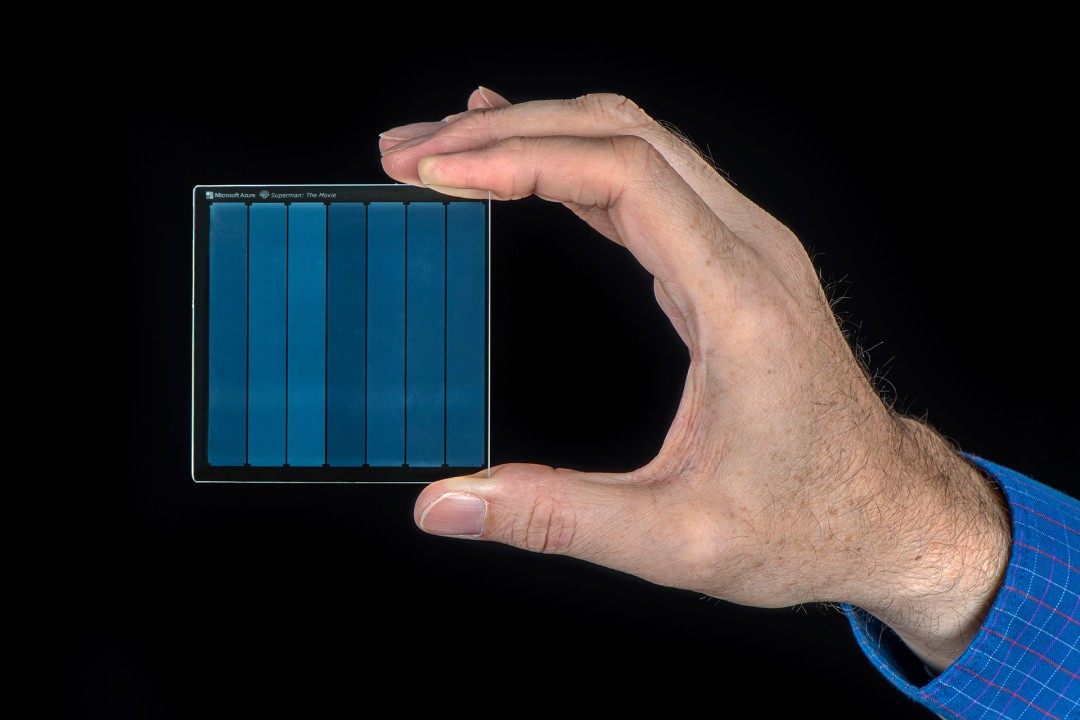
Researchers and companies worldwide are working diligently to address these challenges. In fact, some companies, including Microsoft and Twist Bioscience, have already made significant strides in developing DNA-based data storage systems. Microsoft’s project, known as “Project Silica,” aims to develop DNA as a medium for storing large-scale archival data, with promising results. In 2019, the company successfully encoded and retrieved data stored in DNA.
The future of DNA data storage looks promising, but it will take time before it is ready to replace traditional storage systems. For now, DNA storage is best suited for archival and long-term data storage, where speed and immediate access are not as critical. It could be used for storing historical records, scientific data, or other types of information that don’t require rapid retrieval.
The ultimate goal is to develop a scalable, affordable, and efficient system for DNA data storage that could integrate seamlessly with existing digital infrastructure. As the technology matures, it could revolutionize the way we think about data storage, providing an ultra-dense, ultra-durable, and eco-friendly alternative to current systems.
Conclusion
While we are not yet ready to replace traditional data storage methods with DNA, significant progress is being made. The potential of DNA as a data storage medium is undeniable. Its density, longevity, and energy efficiency make it a compelling option for the future of data storage, and advances in synthesis, sequencing, and error correction are steadily overcoming the challenges that have made it impractical until now.
As technology continues to evolve, DNA could soon become the storage medium of choice for the world’s ever-growing data needs. Until then, we’ll continue to watch with great interest as this exciting frontier in data storage unfolds.












Discussion about this post