



















In a world where technology governs nearly every aspect of our lives, the concept of a “digital library” has evolved from being a simple collection of documents and files to an intricate mirror of our personal identities. Your digital library isn’t just a repository of ebooks, music, or video files; it’s a virtual extension of your thoughts, preferences, and even your aspirations. It encapsulates your interests, professional endeavors, and personal tastes—just as a physical library or bookshelf would.
But here’s the burning question: is your digital library a true reflection of who you are? Does it accurately represent your character, beliefs, and passions, or is it simply a disjointed, disorganized collection of random files and apps accumulated over time? To answer that, we must delve deeper into the elements that make up this digital collection and analyze whether they align with our true selves or merely act as convenient placeholders for the digital age.
The Nature of the Digital Library
A “digital library” can mean many things to different people. It’s the sum total of your curated files—ebooks, PDFs, notes, articles, playlists, videos, photos, and software. It might reside on your personal devices, cloud storage, or even social media accounts. A digital library reflects your knowledge, interests, and creativity, often revealing more than you might consciously realize.
For some, this library serves as a way to organize their personal and professional lives. For others, it’s a place of leisure, filled with entertainment and escapism. Either way, the digital library is much more than a passive collection. It’s an active, evolving mirror that offers a glimpse into your world. The apps you use, the content you consume, and the information you store all tell a story.
Digital Archives: Curated or Chaotic?
The question of whether your digital library is a true reflection of who you are depends on its curation. Some people carefully organize their digital spaces—creating folders for work-related projects, personal interests, educational materials, and leisure activities. They have a system for saving articles that align with their professional goals, organizing music by genre or mood, and archiving photos to tell a story of their personal life.
On the other hand, many digital libraries resemble disordered filing cabinets, filled with a hodgepodge of files and apps that have been accumulated without rhyme or reason. This often happens unintentionally, as we download files, install apps, and save documents without considering their relevance or long-term utility. But in this chaos, we might still find fragments of ourselves, bits of nostalgia, and scattered traces of long-forgotten interests.
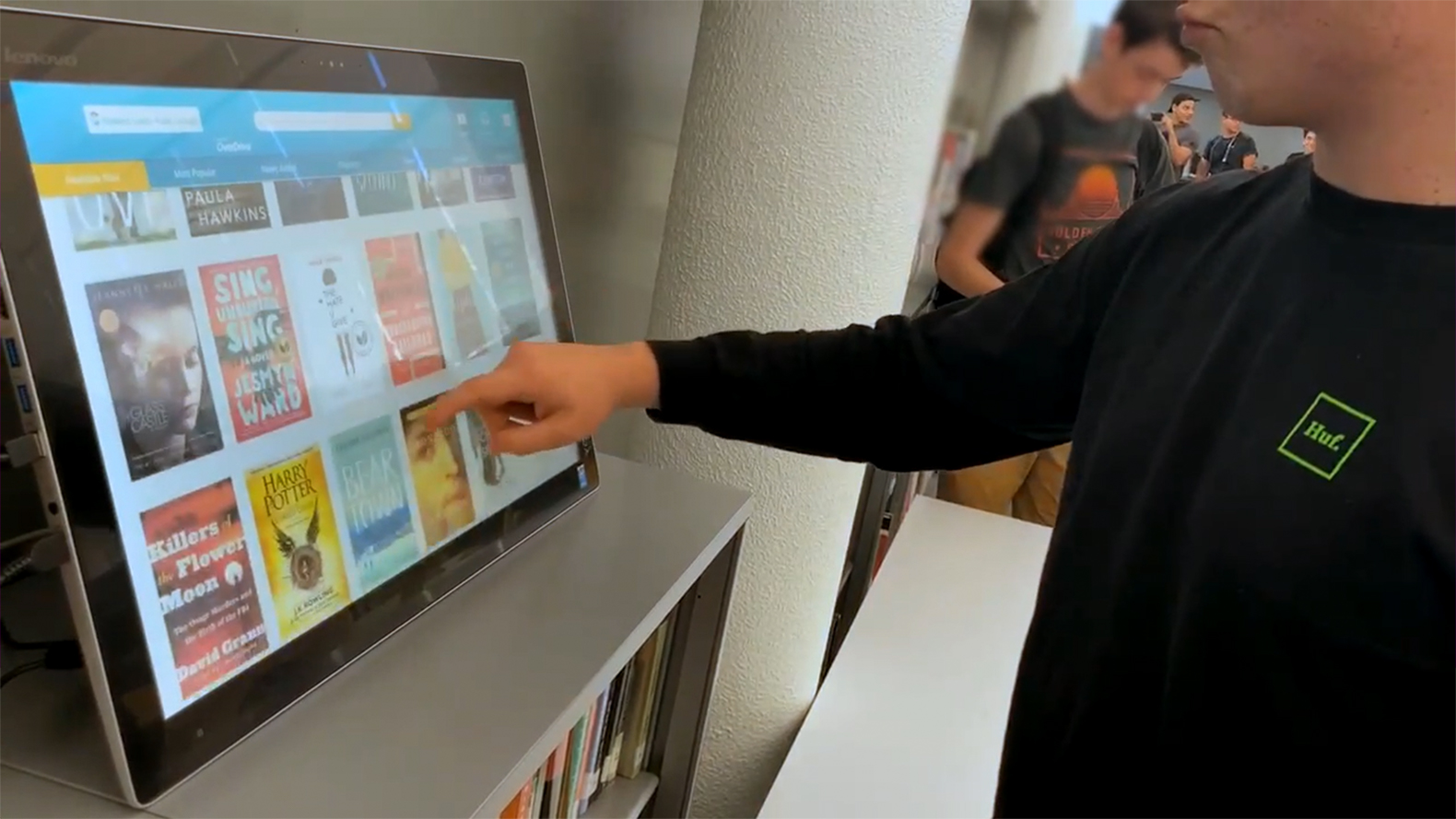
So, does the presence of disorder in your digital library imply a disconnect between it and your true self? Not necessarily. The chaos of your digital space might be reflective of a mindset that is less about strict organization and more about fluidity and spontaneity. In that sense, your digital library could reflect an open-mindedness and adaptability—traits that are just as much a part of who you are as any neatly arranged digital space.
The Personal vs. Professional Divide
In the digital age, many of us maintain separate digital libraries for different aspects of our lives—one for personal use, one for work, and sometimes even others for specific hobbies or interests. This division serves practical purposes, but it also highlights the complex relationship between our digital lives and our true selves.
Our professional digital libraries often feature polished, curated content—files that support our career objectives, showcase our skills, and highlight our professional growth. These might include academic papers, industry reports, or work projects that demonstrate our expertise and ambitions. They paint a clear picture of our professional identity, but they might say little about our personal interests or private lives.
On the other hand, our personal digital libraries are often more eclectic, filled with everything from self-help books to travel guides, photos, music playlists, and cooking tutorials. This space might reflect a more rounded view of who we are—our desires, dreams, and hobbies. However, this side of our digital life is sometimes forgotten or overshadowed by the demands of the professional world. In this context, we might wonder whether our professional identity overtakes our personal identity, leaving the digital library skewed in favor of one aspect of ourselves.
Is Your Digital Library a Manifestation of Your Authentic Self?
The digital age offers the opportunity to curate and craft our identities in ways that were previously unimaginable. Social media profiles, blogs, and websites are all self-made portraits of who we wish to be, and our digital libraries contribute to that self-image. But how much of this curation is an authentic representation of who we truly are?
Many people carefully select the books, articles, and playlists they consume and save, hoping that they will project an image of sophistication, intelligence, or creativity. Similarly, we might follow certain influencers or subscribe to specific digital communities to align ourselves with particular values or interests. But in doing so, we might fall into the trap of presenting an idealized version of ourselves, one that conforms to societal expectations or online trends.
In contrast, some people use their digital library to showcase their true, unvarnished selves. They save content that genuinely resonates with them—be it obscure indie films, niche hobbies, or deeply personal reflections. For them, the digital library is not a tool for impressing others but a private archive of their thoughts, values, and experiences.

The true test of whether your digital library is a genuine reflection of yourself lies in its content. Are you saving things because you feel compelled to appear a certain way, or because they genuinely resonate with you? Are you building a space that feels authentic, or are you curating a version of yourself that you believe others will admire?
The Evolving Nature of Identity in the Digital World
In the past, our identities were largely shaped by physical artifacts—our homes, our libraries, our clothing. These things were tangible, and they provided insight into who we were. Today, our digital identities are no less significant. The lines between our online and offline selves have blurred, and what we store, share, and display in the digital realm often carries as much weight as anything in the physical world.
The beauty of the digital world is that it allows for constant reinvention and evolution. Your digital library doesn’t have to remain static. It can be a living, breathing entity, reflecting your growth and changing interests. As you learn new skills, encounter new passions, and evolve as a person, your digital library should grow and adapt with you.
However, this constant updating and reshaping can also create a disconnect between your current self and the version of you that exists in your digital space. You might look at your digital library and realize that it no longer reflects who you are today, or that it’s an outdated version of your past self. That realization can be unsettling, but it also presents an opportunity for reinvention—a chance to reshape your digital space to better reflect the person you’ve become.
What Does Your Digital Library Say About You?
It’s often said that we are the sum of the books we read, the people we interact with, and the choices we make. In the same way, our digital library reflects who we are and who we strive to become. The books we read, the videos we watch, and the music we listen to all shape our worldview, beliefs, and behaviors.
For example, if your digital library is filled with self-help books, motivational podcasts, and productivity tools, it might suggest that you’re focused on personal growth and efficiency. If it’s filled with creative writing or design tutorials, it could reflect a desire to express yourself artistically. A digital library brimming with historical documentaries or academic papers might indicate intellectual curiosity, while a collection of cooking recipes and travel guides could point to a love for adventure and exploration.
Even the tools and apps you choose to use—whether it’s a minimalist note-taking app or a cutting-edge photo editing software—offer clues to your personality. A digital library that’s carefully curated and well-organized may suggest that you value order and control, while one that’s more haphazard and chaotic may indicate a flexible, free-spirited nature.
But your digital library doesn’t just reflect what you already know or like—it can also show where you want to go. People often save content that inspires them, things they haven’t yet explored but hope to. For example, someone interested in philosophy but who has not yet read deeply into it may have a collection of philosophical texts or podcasts that they plan to dive into. In this way, your digital library is not just a reflection of who you are now; it’s also a roadmap of who you aspire to become.
In Conclusion
Your digital library is much more than a collection of files; it’s a window into your soul. Whether carefully curated or chaotically amassed, it speaks volumes about your interests, values, and aspirations. It reflects both your past and your future, serving as a personal archive of everything that shapes who you are.
To answer the question of whether your digital library is a true reflection of who you are: it depends. It depends on how you curate it, what you choose to include, and how closely it mirrors your genuine interests and authentic self. In the end, your digital library is as much a tool for self-reflection as it is an archive of the thoughts, ideas, and experiences that make you who you are.











Discussion about this post