





































In recent years, sustainable fashion has become more than just a trend—it’s a movement aimed at reducing the environmental impact of clothing production and consumption. With growing awareness of the fashion industry’s contribution to pollution, water waste, and ethical concerns, the shift towards sustainability is gaining momentum. But while most discussions around sustainable fashion focus on its environmental and ethical implications, an intriguing and lesser-discussed aspect is its potential impact on our health, particularly our gut health.
In this article, we will explore the surprising connection between sustainable fashion and gut health, considering how the fabrics we wear, the processes behind their production, and the ways we engage with clothing can influence our microbiome and overall well-being. From chemicals used in textile manufacturing to the psychological effects of sustainable consumption, let’s dive into how the clothes we choose to wear can affect not just the planet, but our very health.
1. The Hidden Chemicals in Fashion: A Threat to Gut Health?
Traditional clothing manufacturing processes often involve the use of harsh chemicals like pesticides, dyes, flame retardants, and other toxic substances. These chemicals can find their way into the fabric and onto our skin, and in some cases, they can even affect our gut health. When we wear clothing made from non-organic materials, such as conventional cotton or synthetic fabrics, we’re not only exposing ourselves to harmful chemicals but potentially disrupting the balance of our gut microbiome.
Our skin, which is the largest organ in our body, is an important interface between the external world and our internal systems. Fabrics that contain residual chemicals can irritate the skin, leading to inflammation and discomfort. This irritation can trigger stress responses in the body, which in turn may affect the gut. Inflammation is a key contributor to dysbiosis (an imbalance in gut bacteria), which has been linked to numerous health conditions, including digestive disorders, autoimmune diseases, and even mental health issues like anxiety and depression.
Sustainable fashion, on the other hand, tends to focus on natural and organic materials—such as organic cotton, hemp, and bamboo—that are produced with minimal use of harmful chemicals. These fabrics are generally gentler on the skin and less likely to cause irritation or inflammation, promoting a healthier skin-gut connection.
2. The Microbiome and Skin-to-Gut Connection
The gut and skin are more closely linked than we might think. The gut microbiome—the vast community of microorganisms living in our digestive tract—plays a critical role in regulating not only digestion but also immune function, mood, and even the health of our skin. Interestingly, the skin itself hosts its own microbiome, which interacts with the gut microbiome in complex ways. This relationship is why skin irritation and inflammation often lead to gut imbalances.
When we wear clothing made from sustainable fabrics, we reduce our exposure to synthetic dyes and chemicals, which can potentially help maintain the delicate balance of both our skin and gut microbiomes. For instance, wearing natural fabrics like organic cotton allows the skin to breathe more easily and reduces the risk of irritation. In contrast, synthetic fabrics like polyester, which are often treated with chemical finishes, can trap moisture and heat, leading to discomfort and skin conditions like eczema. Inflammation in the skin caused by these irritants could trigger a cascade of effects, including altering gut microbiota.
Research suggests that the body’s inflammatory responses to chemical exposure or environmental stressors can influence the composition and diversity of the gut microbiome. By supporting a healthier skin environment with sustainable fashion, we are potentially promoting a more balanced gut microbiome as well.
3. The Role of Sustainable Fabrics in Supporting Gut Health
What exactly makes sustainable fabrics different from conventional ones, and how might these differences benefit our gut health? Let’s take a closer look at the types of fabrics commonly used in sustainable fashion:
Organic Cotton
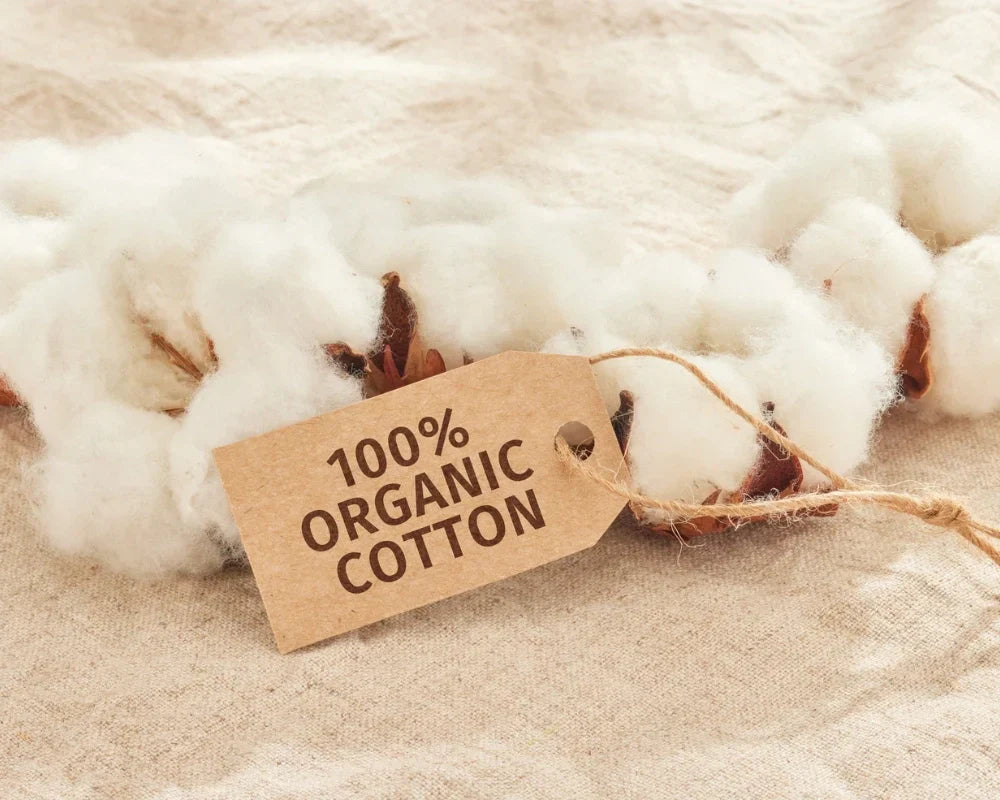
Unlike conventional cotton, which is often grown with heavy pesticide use, organic cotton is produced without harmful chemicals. This means that organic cotton fabrics are less likely to contain residues that could irritate the skin or disrupt the gut microbiome. The gentler nature of organic cotton makes it an ideal option for those with sensitive skin or digestive issues.
Hemp
Hemp is another eco-friendly fabric that has gained popularity in the world of sustainable fashion. Hemp is naturally resistant to pests, meaning it requires little to no pesticides in its cultivation. It is also biodegradable and requires less water to grow compared to conventional cotton. Hemp fabrics are breathable and can promote better skin health by allowing moisture to evaporate, preventing bacterial growth that could lead to irritation.
Bamboo
Bamboo fabrics are soft, breathable, and biodegradable. They also have natural antibacterial properties, which can help reduce the likelihood of skin irritations. This makes bamboo an excellent choice for clothing that comes into direct contact with the skin, further reducing the risk of inflammation and skin-related issues that could impact gut health.
Linen

Linen, made from the flax plant, is another fabric often used in sustainable fashion. It is naturally hypoallergenic, breathable, and resistant to bacteria. Linen’s ability to regulate temperature and wick moisture away from the skin reduces the chances of developing skin conditions that could, in turn, affect gut health.
4. Environmental Impact and Gut Health: The Bigger Picture
The environmental impact of the fashion industry extends far beyond the fabrics it uses. From overproduction to waste, the processes that sustain the fast fashion industry can contribute to broader ecological issues, such as soil degradation, water pollution, and resource depletion. These environmental problems may seem distant from gut health, but the truth is that environmental stressors play a role in influencing our internal balance.
In many regions, conventional agricultural practices—such as the use of chemical pesticides and fertilizers in cotton farming—can lead to soil and water contamination, which, in turn, affects the quality of food produced. When we consume food grown in polluted soils or with pesticide residues, it can negatively affect our gut microbiome. In contrast, sustainable farming practices that avoid harmful chemicals and prioritize soil health contribute to cleaner, safer food that supports a balanced microbiome.
By choosing sustainable fashion, we’re not only improving the way we interact with the environment; we’re also supporting agricultural practices that prioritize the health of the soil, water, and ultimately, the food we consume. Healthy ecosystems are key to maintaining a healthy gut microbiome.
5. The Psychological Impact of Sustainable Fashion on Gut Health
The connection between mind and body has been well-established in the field of health. Chronic stress, anxiety, and negative emotions can wreak havoc on the gut, leading to conditions such as irritable bowel syndrome (IBS) and other digestive disorders. Wearing clothing that is aligned with our values—such as garments made from sustainable materials—can provide a sense of satisfaction and emotional well-being.
Research has shown that buying clothes that align with ethical and environmental standards can foster a sense of accomplishment and well-being. When we feel good about our choices, we reduce stress and improve mental health. Since psychological stress is a major trigger for gut issues, the emotional benefits of supporting sustainable fashion can have a downstream effect on digestive health.
Furthermore, sustainable fashion encourages mindfulness and intentionality when it comes to purchasing. Instead of buying mass-produced items on impulse, consumers of sustainable fashion often take the time to research products and make thoughtful choices. This shift toward conscious consumerism can reduce stress levels and contribute to a healthier gut-brain connection.
6. Creating a Holistic Approach to Health: Fashion, Food, and Environment
When considering the impact of sustainable fashion on gut health, it’s important to view this issue through a holistic lens. The way we dress is interconnected with the food we eat, the environment we inhabit, and the mindset we cultivate. A commitment to sustainability often extends beyond the wardrobe to include conscious food choices, eco-friendly living practices, and mental wellness habits.
For example, many people who embrace sustainable fashion also opt for organic and locally sourced food, which can further benefit the gut microbiome by avoiding exposure to harmful chemicals and preservatives. Similarly, individuals who prioritize environmental health are more likely to engage in activities that reduce stress and promote overall well-being, such as spending time outdoors or practicing mindfulness.
In this sense, sustainable fashion is not just about the clothes we wear, but a broader lifestyle choice that supports our health and the health of the planet.
7. Conclusion: A Positive Feedback Loop
The relationship between sustainable fashion and gut health is a fascinating example of how our choices in one area of life can have far-reaching effects on our overall well-being. By choosing clothing made from organic, eco-friendly materials, we not only reduce our exposure to harmful chemicals, but we also foster a healthier relationship between our skin, gut, and mind.
As the sustainable fashion movement continues to grow, it is clear that the benefits of conscious clothing choices extend beyond environmental conservation and ethical production practices. By embracing sustainable fashion, we are making a positive impact on our health, our planet, and future generations.













Discussion about this post