




























In the age of rapid technological advancement, we often hear terms like “neuroplasticity” and “eco-centric technologies,” but what happens when the two intersect? Neuroplasticity, the brain’s ability to reorganize itself by forming new neural connections throughout life, is a concept that has taken the scientific world by storm. Meanwhile, eco-centric technologies are emerging solutions that prioritize environmental sustainability, focusing on creating a harmonious balance between human needs and the planet’s health.
But how do these two concepts relate? Can eco-centric tech actually help improve our brain’s neuroplasticity? The answer, surprisingly, might lie in a mixture of neuroscience, technology, and our deepening connection with the natural world. In this article, we’ll explore the synergy between eco-centric innovations and neuroplasticity, diving into how technologies designed with sustainability in mind could impact the brain’s ability to adapt, learn, and grow.
The Fascinating World of Neuroplasticity
What Is Neuroplasticity?
Neuroplasticity refers to the brain’s incredible ability to adapt and rewire itself in response to learning, experience, and even injury. Historically, scientists believed that the brain’s structure was fixed after a certain age, but breakthroughs in neuroscience have shown that the brain can form new neural pathways at any stage of life.
This plasticity allows us to develop new skills, recover from brain injuries, and adapt to changing environments. Neuroplasticity is driven by factors like:
- Learning: New experiences and knowledge stimulate brain activity, prompting the formation of new neural connections.
- Recovery: After a brain injury, the brain can “re-map” itself by reallocating functions to other areas of the brain.
- Environment: Changes in the environment, whether natural or man-made, can influence brain development and adaptability.
How Neuroplasticity Affects Our Daily Lives
Neuroplasticity is vital for cognitive functions like memory, attention, and problem-solving. It also plays a key role in emotional regulation, motor skills, and even social interactions. When we engage in novel experiences, like learning a new language or acquiring a musical instrument, our brains form new connections that make these activities easier over time. In short, the more we stimulate our brains with new and diverse experiences, the more adaptable and resilient they become.
But while neuroplasticity can be nurtured through traditional methods such as mental exercise, physical activity, and mindfulness practices, it turns out that eco-centric technology may offer additional, unique ways to enhance it.
Enter Eco-Centric Technology
What Is Eco-Centric Technology?
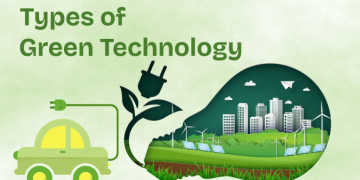
Eco-centric technology refers to innovations that emphasize environmental sustainability, using resources efficiently and minimizing the negative impact on nature. In this context, “eco” doesn’t just mean “green”; it involves technologies designed to integrate human activity more harmoniously with the planet. Examples include:

- Renewable energy systems (e.g., solar, wind, and hydroelectric power)
- Sustainable agriculture technologies
- Green building materials and smart cities
- Eco-friendly transportation solutions
- Nature-inspired design and biomimicry
Eco-centric technologies aim to create a better future for both humanity and the Earth by developing systems that restore balance, reduce waste, and protect ecosystems.
Can Eco-Centric Tech Impact the Brain?
At first glance, it may seem like eco-centric technologies and neuroplasticity are worlds apart. However, research is beginning to show that the environment, including the technological tools we use, has a profound effect on our brains. Here are some of the ways eco-centric technologies might promote neuroplasticity:
1. Nature-Inspired Technologies and Brain Health
Many eco-centric technologies are inspired by nature, employing biomimicry to solve human problems. From energy-efficient buildings that mimic natural airflow to machines designed to imitate animal behavior, these technologies help us reconnect with the natural world. Why does this matter for neuroplasticity?
Nature exposure has been shown to have a profound impact on cognitive function. Studies indicate that spending time in natural environments can reduce stress, improve focus, and enhance memory. By creating technologies that integrate nature’s principles, we may be able to foster similar benefits in urban and digital environments.
For example, eco-centric tech could include:
- Biophilic design: The integration of natural elements such as plants, natural light, and water features into built environments.
- Green spaces in urban areas: Parks, community gardens, and green rooftops have been linked to improved cognitive function and mental health.
By encouraging interaction with the natural world, eco-tech can create environments that stimulate the brain in ways that promote neuroplasticity.
2. Sustainable Digital Tools for Mental Health
A growing area of interest is the intersection of mental health, sustainability, and technology. Eco-centric digital tools are increasingly being used to help people manage their mental well-being. For example:
- Mindfulness apps: Apps like Calm and Headspace promote neuroplasticity by encouraging meditation, which has been shown to improve brain function and promote emotional resilience.
- Nature sound apps: Listening to natural sounds like rainfall, ocean waves, or birdsong has been shown to reduce stress and enhance cognitive flexibility.
These technologies aim to provide digital experiences that mimic natural rhythms, helping users reduce stress and improve focus — both of which contribute to better neuroplasticity.

3. Eco-Friendly Physical Activity Tools
Physical activity is another key component of neuroplasticity. Exercise promotes the growth of new neurons, improves blood flow to the brain, and supports overall cognitive health. Many eco-centric tech solutions now encourage people to stay active in sustainable ways. For example:
- Electric bikes and scooters reduce car usage, encouraging people to cycle or walk, which boosts brain function.
- Sustainable fitness equipment made from recycled materials promotes physical well-being while supporting eco-friendly practices.
Being active in nature, such as hiking or cycling in parks, offers additional neuroplastic benefits. Physical activity combined with exposure to natural environments has been shown to significantly enhance cognitive flexibility.
4. Eco-Centric Smart Cities: Enhancing Cognitive Function
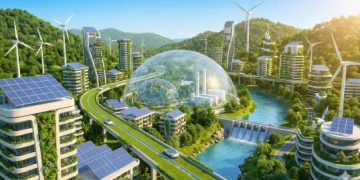
Smart cities—urban areas that use technology to manage resources efficiently and create a sustainable living environment—are becoming more popular around the world. These cities not only aim to reduce environmental impact but also improve the quality of life for their residents. Smart cities often integrate:
- Green infrastructure: Solar-powered buildings, rainwater harvesting, and green rooftops, all of which reduce environmental stressors.
- Pollution reduction: Sustainable transport systems like electric buses and bike-sharing schemes minimize pollution, providing cleaner air for brain health.
- Connected green spaces: Urban parks designed with natural elements that enhance cognitive function and provide stress relief.
By promoting cleaner, healthier environments, smart cities may offer more than just environmental benefits—they can improve residents’ neuroplasticity by providing an enriched setting that supports cognitive and emotional well-being.
The Role of Eco-Centric Technologies in the Future of Neuroplasticity
A Shift Toward Integrating Nature with Tech
As we look to the future, eco-centric tech could play a pivotal role in helping us cultivate greater neuroplasticity. By blending nature’s benefits with cutting-edge technological solutions, we can create environments that actively nurture our brain’s ability to grow, adapt, and thrive.
This shift toward eco-centric tech may also help reverse some of the damage caused by over-reliance on technology in the past. Modern technologies often isolate us from nature, contributing to stress and cognitive overload. However, by introducing nature-inspired, sustainable solutions into our daily lives, we can reduce digital burnout and improve mental clarity, enhancing brain plasticity in the process.
Neuroplasticity as a Key to Lifelong Learning
The ultimate promise of neuroplasticity is that it can enhance lifelong learning and adaptability. As eco-centric tech evolves, it will likely open up new pathways for individuals to continually stimulate their brains through healthy, sustainable practices. Whether through mindful digital experiences, eco-friendly physical activities, or more harmonious living environments, eco-centric tech has the potential to revolutionize our approach to brain health.
Wrapping Up: The Future Is Green and Flexible
In conclusion, while we’ve always known that engaging with new environments, learning new skills, and maintaining a healthy lifestyle can enhance neuroplasticity, eco-centric tech takes this concept a step further. By fostering deeper connections with nature and creating technologies that prioritize sustainability, we can create a more adaptable brain and a more resilient planet. So, as we move into a future where technology and nature coexist, we should embrace eco-centric innovations that don’t just protect the Earth—they protect and improve our minds as well.













Discussion about this post