






























In the age of rapidly advancing technology, the distinction between “real” and “artificial” has blurred, particularly with the emergence of Artificial Reality (AR) and Virtual Reality (VR). These technologies promise a new way of experiencing the world, and in some cases, they may even be more “authentic” than the life we experience daily. But what does it mean for something to be “authentic,” and how can AR or VR claim authenticity in comparison to real life? In this article, we will explore these questions and analyze whether, in certain situations, artificial realities can surpass the authenticity of our lived experiences.
1. The Nature of Authenticity: A Philosophical Exploration
Before diving into the world of Artificial Reality, it’s crucial to understand what “authenticity” means in the first place. The term has been widely debated in philosophy for centuries. In a broad sense, something is considered authentic when it is true to its origin or nature—unspoiled, unaltered, and in line with its intrinsic qualities.
However, authenticity in human experience is not just about being untainted. The existentialist philosopher Jean-Paul Sartre, for example, suggests that authenticity is about living in accordance with one’s true self, rather than conforming to societal expectations. In this sense, authenticity becomes a subjective, personal experience—one that could, in theory, be experienced in both real and artificial environments.
2. Artificial Reality: More Than Just a Simulation
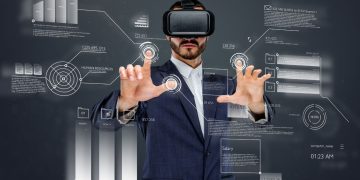
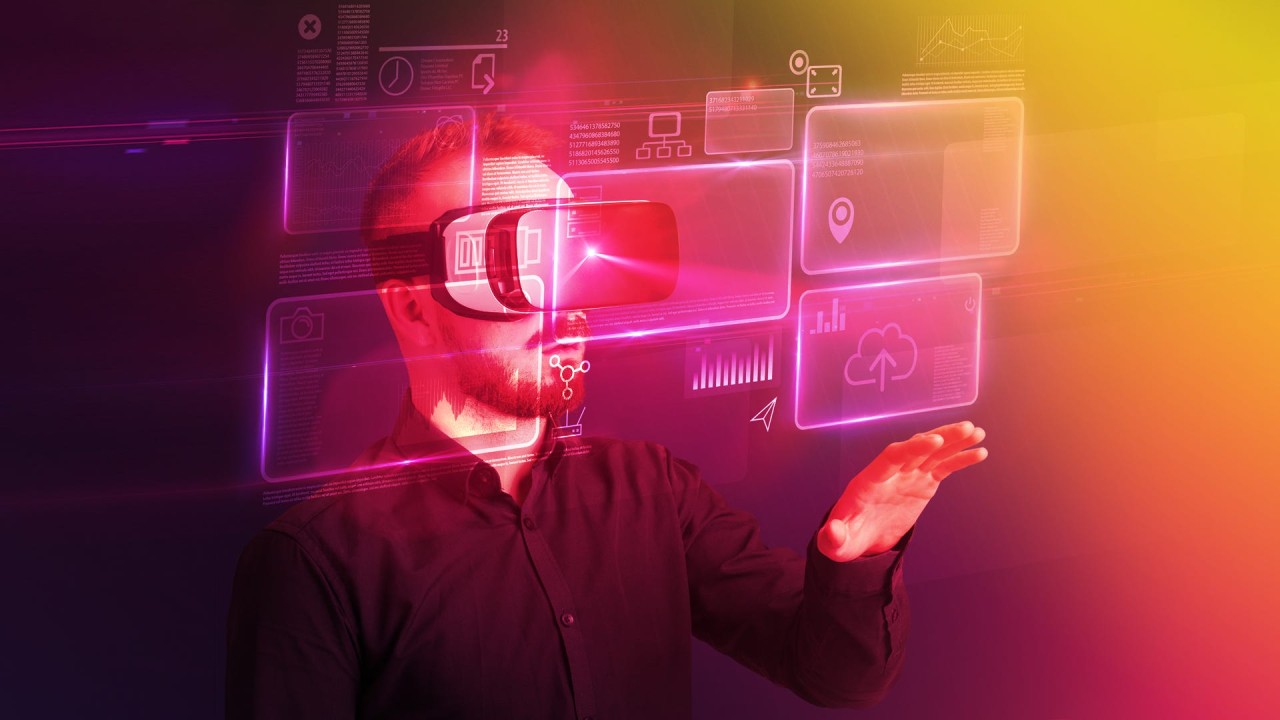
Artificial Reality, which includes both Virtual Reality (VR) and Augmented Reality (AR), is rapidly transforming the way we interact with digital and physical worlds. Unlike traditional media, where content is passively consumed (e.g., watching a film or scrolling through social media), AR and VR offer immersive, interactive experiences.
- Virtual Reality creates entirely synthetic environments where users can escape the real world and experience something that feels as real as life itself.
- Augmented Reality, on the other hand, overlays digital information onto the physical world, enhancing it in ways that could alter our perception of what’s “real.” An example of AR would be Pokémon Go, where digital creatures interact with the real environment around you.
These technologies are designed to immerse users fully, often engaging their senses in ways that make them feel as though they are truly “living” in an artificial world. But can these simulations ever be more “authentic” than the reality we already inhabit?
3. Authenticity of Experience: Real vs. Artificial

When comparing the authenticity of real-life experiences to those in artificial environments, the distinction often boils down to emotional impact and the depth of sensory engagement.
3.1 Emotional Impact
In a purely emotional sense, artificial realities can offer experiences that real life often cannot. For instance, in VR, a user can experience scenarios ranging from flying through space to exploring ancient civilizations, all of which would be physically impossible in the real world. These experiences, while not “real” in the traditional sense, can evoke strong emotional reactions, from awe to terror, creating memories that feel authentic in their intensity.
Moreover, AR has the ability to enhance real-world experiences by adding layers of information that make them more meaningful. Imagine visiting a historical site where you can view 3D reconstructions of events or interact with holograms of historical figures. The added context deepens the emotional and intellectual engagement, perhaps making the experience feel more “authentic” than simply viewing a plaque or listening to a guide.
3.2 Sensory Engagement
The authenticity of an experience is also closely linked to the senses. In real life, we interact with the world through all five senses—sight, sound, taste, touch, and smell—which together create a rich, multi-dimensional experience. However, while VR and AR currently engage sight and sound (and sometimes touch), they fall short of replicating the full sensory depth of the real world.
In VR, visual and auditory cues can be incredibly convincing, but the absence of physical touch, taste, and smell means the experience will always feel incomplete, at least for now. Some argue that this lack of sensory completeness makes these technologies inherently “inauthentic.” Yet, others might counter that the emotional or intellectual impact of a VR experience can still feel genuine, even if it’s not physically tangible.
4. Escaping Reality: Can Artificial Realities Offer a Truer Experience?
One of the primary appeals of AR and VR is the ability to escape the limitations of the real world. For many, the allure lies in the possibility of inhabiting a space where they can transcend their physical environment—whether by becoming someone else, experiencing another world, or exploring fantasy realms beyond the bounds of reality. This escape, for some, is not just a form of entertainment but a means of personal exploration or even self-actualization.
But does this ability to escape reality offer a “truer” or more “authentic” experience than everyday life? Is it more “authentic” to inhabit a world free of limitations, or does true authenticity lie in accepting and dealing with the complexities of real life?
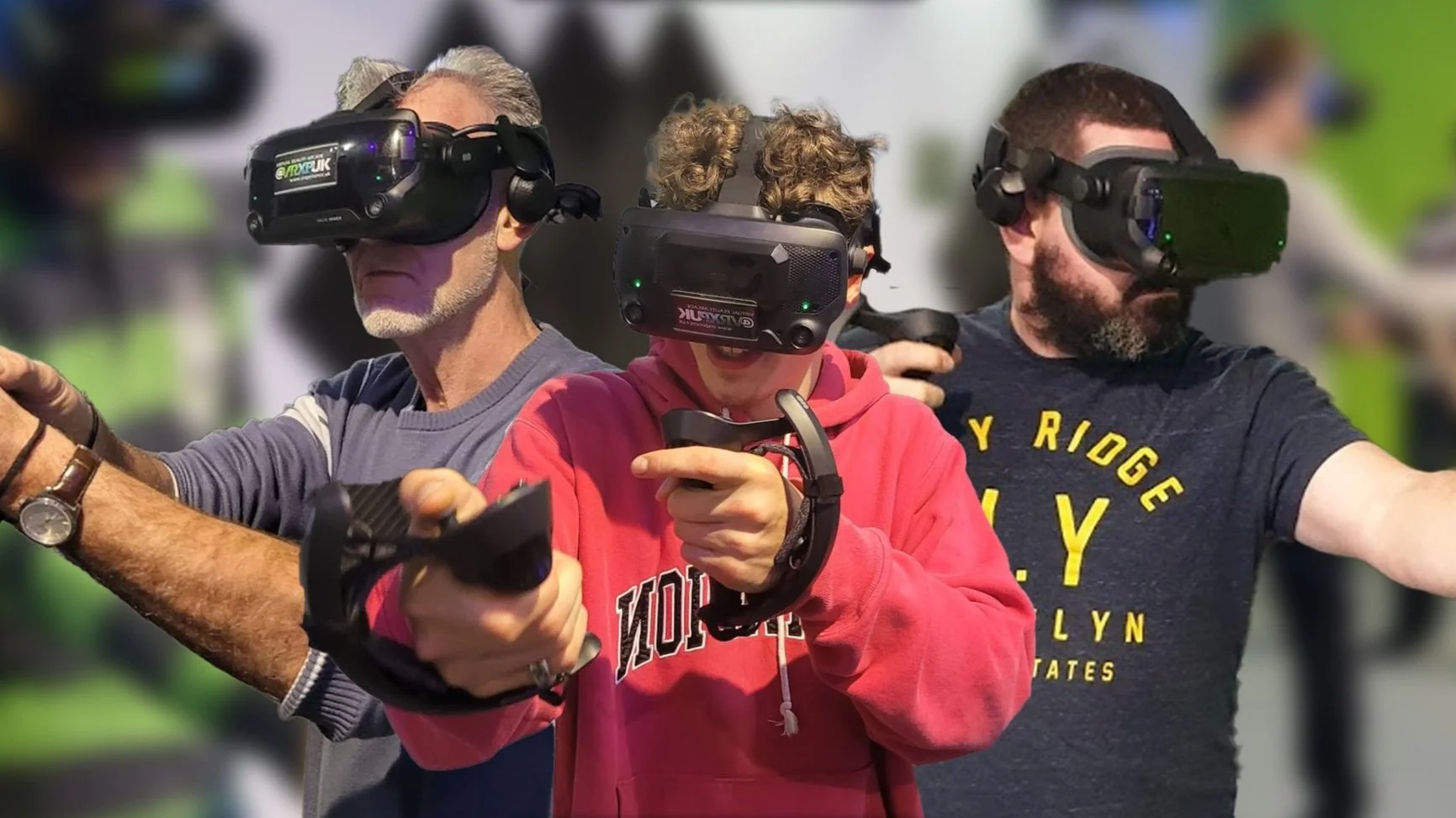
For instance, many gamers find deep satisfaction in fully immersing themselves in a VR game. The stakes are high, the narrative compelling, and the challenges real, despite the fact that none of it exists beyond the screen. This kind of immersion can create a sense of purpose or meaning that feels just as authentic as any other human endeavor. However, this sense of immersion comes with the awareness that the consequences of failure in the game are not real—something that would be unthinkable in the real world.
In contrast, real-life experiences are imbued with an inherent sense of risk and consequence. The authenticity of these experiences arises from the fact that we cannot control every variable, and the outcomes of our decisions carry real-world implications.
4.1 The Search for Meaning in Artificial Realities
A compelling argument in favor of the authenticity of artificial environments is that they allow people to experience a deeper sense of personal meaning. Take the example of grief—VR and AR technologies are being used in therapeutic settings to help people process loss. In VR, a grieving individual might be able to “meet” a lost loved one in an environment designed to facilitate emotional closure. While this experience may not be physically real, the emotional experience can provide real, healing benefits. For some, this might even feel more “authentic” than traditional forms of therapy, especially when it allows for closure or catharsis in a way that the physical world cannot.
5. Real-Life Limitations: When Artificial Realities Are Better
In certain situations, artificial realities might even offer experiences that surpass the real world in terms of authenticity. One example of this is in education. Traditional learning can be a dry, passive experience, but AR and VR can make learning interactive, engaging, and deeply immersive. Imagine a biology class where students can enter a 3D model of the human body and explore it from the inside. This experience, which combines the real and the artificial, may offer a deeper understanding of the material than simply reading a textbook or watching a video.
Similarly, in the arts, VR has allowed artists to create entirely new types of experiences—interactive performances, immersive galleries, and participatory art pieces—that challenge our traditional notions of what constitutes “authentic” art. These experiences engage participants in ways that could be considered more meaningful than simply viewing a painting in a museum.
6. The Future of Authenticity in a Digital World
As technology continues to advance, the lines between the real and the artificial are likely to blur even further. It is entirely possible that future versions of AR and VR will be able to engage more senses—smell, taste, and touch included—creating experiences that feel even more authentic than they do today. Additionally, the increasing sophistication of AI could lead to virtual environments that are highly personalized and tailored to individual needs, creating deeply authentic experiences for each user.
However, one must ask whether, as artificial environments become more immersive and lifelike, we risk losing touch with the very nature of authenticity itself. If an experience can be perfectly replicated in a synthetic environment, does it cease to be authentic? Or does the very fact that the experience has meaning for the individual—whether in the real world or in an artificial one—give it authenticity?
7. Conclusion: The Balance Between the Real and the Artificial
In conclusion, the question of whether Artificial Reality can be more authentic than real life depends largely on what we mean by “authenticity.” While real life offers the full spectrum of human experiences, with all its complexity, messiness, and unpredictability, artificial realities can provide a type of authenticity that real life cannot—especially when it comes to emotional depth, exploration, and personal meaning.
Artificial realities allow us to transcend the limits of the physical world, creating experiences that can be just as “real” in their emotional or intellectual impact. Yet, the authenticity of these experiences is inherently tied to the individual’s engagement with them. In some cases, an artificial reality may offer a more intense, meaningful experience than the mundane or challenging moments of real life. In others, it may pale in comparison to the richness of lived reality.
Ultimately, both real and artificial worlds can offer authentic experiences—whether those experiences feel “real” depends on how they resonate with us, how they change us, and how deeply they engage our minds and hearts.













Discussion about this post