



























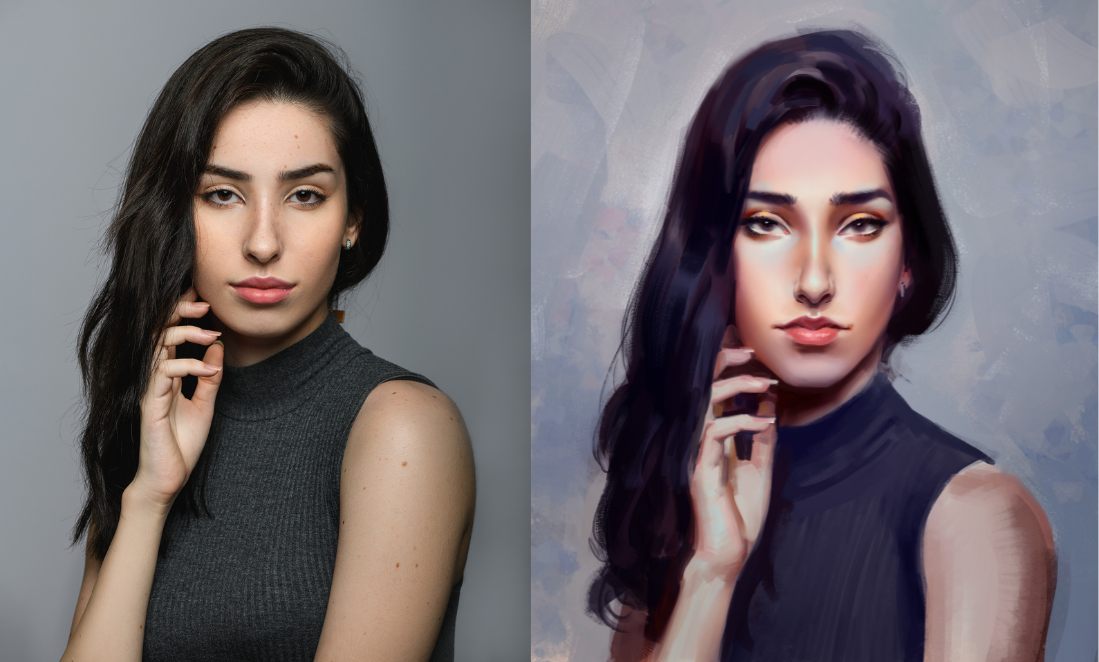
In the world of art, the question of whether digital art can capture the essence of human emotion, or if it is merely a collection of pixels, has sparked ongoing debate. This topic is not just a discussion about the technicalities of creating art through digital mediums; it delves into the heart of what art is, how it functions, and the role of technology in the expression of deeply human experiences.
Over the last few decades, digital art has evolved from a niche subcategory to a mainstream medium. Artists now employ sophisticated software, advanced tools, and cutting-edge techniques to create pieces that are both visually stunning and emotionally resonant. But does the shift from traditional to digital media change the way we experience and connect with art? Can a piece created on a screen truly reflect the rawness of human emotion, or are we merely looking at lifeless pixels?
The Nature of Human Emotion and Art
Before diving into the intricacies of digital art, it’s important to first understand the connection between art and human emotion. For centuries, art has been a vehicle for self-expression, a way for artists to communicate their innermost feelings, thoughts, and experiences. Whether it’s a melancholic painting by Edvard Munch, the agony of sculptor Rodin’s “The Thinker,” or the intense passion in Frida Kahlo’s self-portraits, art has always been seen as a mirror to the emotional landscape of humanity.
The connection between human emotion and traditional art is clear. A painter can use brushstrokes to express anger or serenity; a sculptor can carve a figure to depict agony or joy. Each stroke, each curve, each texture is a language in itself—a form of expression that communicates something beyond words. Traditional art forms are often praised for their tactile nature and the intimate connection between the artist and the medium. It’s not just about the image produced, but about the process—the texture of the canvas, the weight of the brush in the artist’s hand, and the way light and shadow interact in the physical space.
When we discuss human emotion in art, we usually think of these tangible qualities. But with digital art, this connection is less immediate. Digital mediums allow for layers of manipulation, infinite revisions, and an absence of physical boundaries, which can sometimes feel impersonal. But does that mean digital art can’t evoke emotion? Or that it’s just a cold, sterile creation of pixels?
The Digital Revolution in Art

The advent of digital tools in art-making has opened up a world of possibilities. Programs like Adobe Photoshop, Procreate, and 3D modeling software allow artists to experiment with new techniques, quickly make adjustments, and create stunning works that would have been impossible with traditional tools. For instance, digital art can play with light and shadow in ways that would be challenging for a painter working with oils or acrylics. Artists can create entire worlds with just a few clicks, designing intricate landscapes, characters, or abstract visuals that transcend the limitations of the physical world.
One of the most powerful aspects of digital art is its versatility. It can blend mediums, merge styles, and present a rich array of visual possibilities. The ability to work with infinite layers allows for the creation of complex images where every detail can be tweaked to perfection. Digital tools like tablet styluses allow for precise control, giving artists the ability to create intricate linework or soft gradients with incredible ease. These capabilities may seem like they lack the “human touch” found in traditional art, but this isn’t necessarily the case. The artist’s emotional input and creative decision-making process are still very much at the core of the work, even if the medium used is different.
Digital art has also broken barriers for artists, allowing them to create without geographic limitations. In the past, if an artist wanted to share their work, they had to physically display it in a gallery or rely on prints and reproductions. Today, an artist can share their work with a global audience in seconds via social media or online galleries. The digital landscape has democratized art, giving voices to those who might not have had access to traditional art spaces. As a result, the emotional and personal narratives that digital art portrays are often more diverse and inclusive, as artists from all walks of life can now share their stories.
Pixels: Cold or Alive?
At the heart of the debate is whether digital art can truly convey the emotional depth found in traditional mediums. After all, digital art is made up of tiny pixels—essentially a grid of color values that come together to form an image. Can something so fundamentally mechanical ever capture the nuance and complexity of human emotion?
The truth is, digital art is not devoid of emotion. It’s easy to assume that because digital tools are often associated with precision and perfection, the art created with them might lack the raw, unpredictable energy of a hand-painted canvas. But this assumption overlooks the fact that the artist’s emotional and creative input is what imbues any work of art with meaning.
In fact, the very nature of digital tools can enhance the emotional quality of the artwork. For example, in digital painting, an artist can create an image that’s deliberately “imperfect”—emulating brushstrokes, rough textures, or uneven lines that mimic the rawness of traditional media. Similarly, digital artists can play with concepts like glitch art, where intentional errors or distortions are used to convey emotion—whether it’s chaos, dissonance, or disintegration. Far from being “cold,” digital art can use its unique properties to evoke a wide range of emotions.
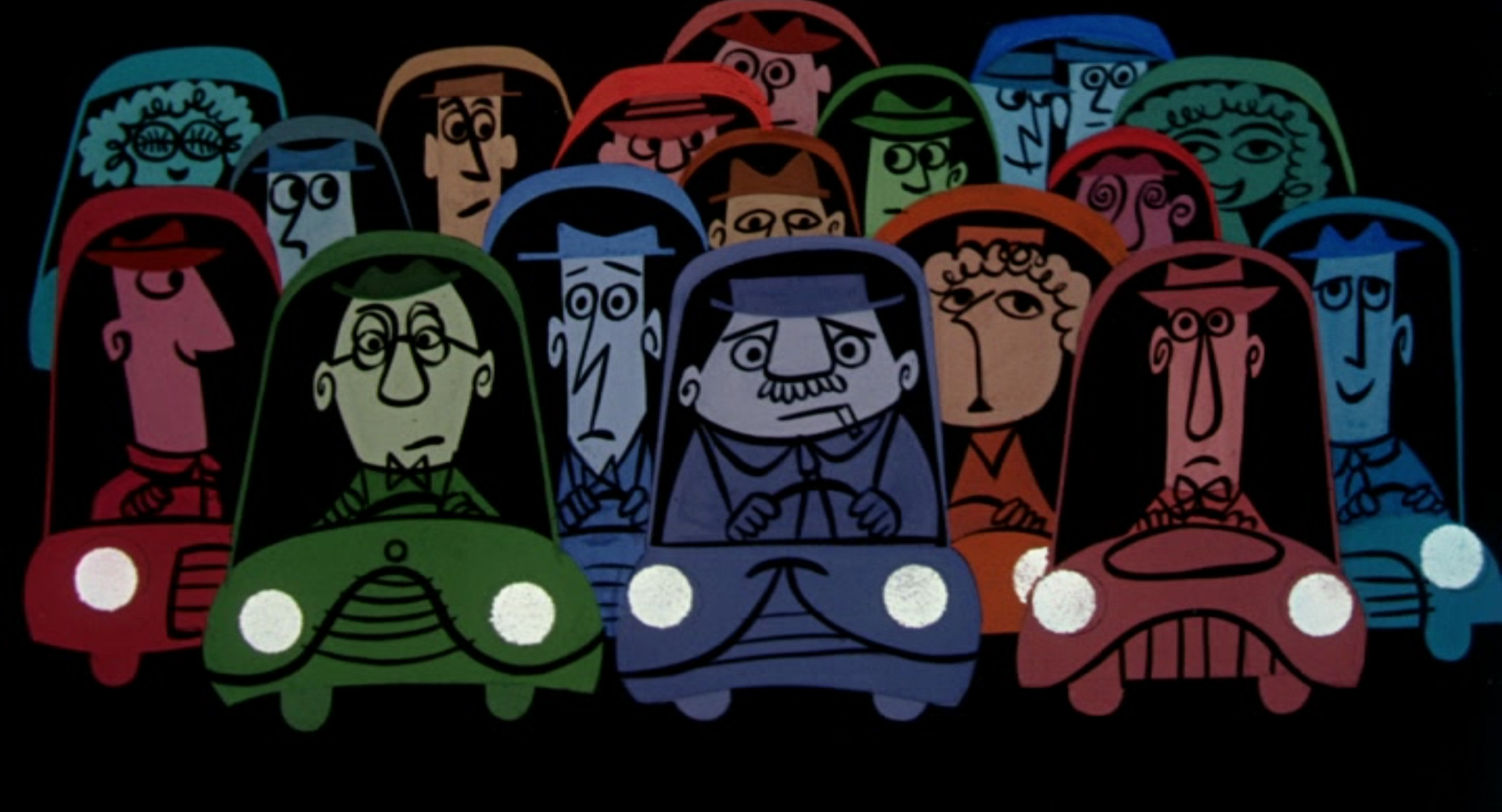
It’s also important to remember that digital art is often used in dynamic formats, such as animation or interactive installations. These mediums, unlike static paintings or sculptures, offer even more avenues for emotional engagement. Digital art can move, change, and respond to its environment or the viewer’s actions, making it a highly immersive experience. In this sense, it can amplify human emotion in ways that traditional art forms might not.
The Artist’s Emotional Connection to Digital Tools
When we talk about emotion in art, we cannot ignore the artist’s role. An artist’s emotional connection to their tools and materials is an essential part of the creative process, whether they are working with oils on canvas or pixels on a screen. While it’s true that digital tools might lack the tactile feel of paint on paper or the resistance of a chisel on marble, they still provide the artist with a unique form of expression.
For many digital artists, the emotional experience of creating art on a screen is no less profound than that of traditional artists working with physical materials. The process of creating a digital artwork can be just as intimate, engaging, and personal. The artist’s intent, vision, and emotional state are still present in the work, even if the medium is a digital one. Some artists even view digital tools as an extension of their own creative process, where they can experiment freely, create with abandon, and push the boundaries of their imagination.
However, one might argue that traditional art forms—such as painting, sculpture, or drawing—carry an inherent emotional weight because of the materials involved. The artist’s direct interaction with the medium can lend a visceral, organic quality to the work. Yet, digital tools also allow for a different kind of tactile experience, even if it’s not as physically grounded. The artist’s emotions are expressed not through the texture of the paint but through the manipulation of pixels and layers, each choice reflecting their emotional state.
Digital Art as Emotional Expression
Despite these concerns, there is no denying that digital art can evoke powerful emotions. From evocative portraiture to surreal landscapes, digital art has the ability to stir the soul. The key to understanding this is recognizing that emotion in art is not tied to the medium but to the message. A photograph or a painting can convey emotion through composition, color, light, and subject matter. Similarly, digital art can achieve the same emotional depth by utilizing the tools at its disposal—whether through color gradients, movement, or interaction.
Moreover, digital art opens up a new realm of emotional expression through abstract and experimental works. The fluidity and freedom digital tools provide can push the boundaries of representation and tap into emotions that might not be easily captured with traditional art forms. Abstract digital works, for example, may use algorithms, randomness, or generative processes to create visual expressions of chaos, tranquility, or complexity.
Even in the realm of animation and video games, the emotional impact of digital art is profound. From the deeply moving visuals in films like The Lion King to the emotional storytelling in games such as The Last of Us, digital art plays an essential role in creating immersive worlds that evoke feelings of love, loss, hope, and despair. These digital creations are not just sequences of pixels—they are experiences that engage the viewer emotionally, often in ways that traditional art forms struggle to achieve.
Conclusion: Pixels as Emotion, Not Just Data
In the end, digital art is not simply a collection of pixels; it’s a medium that, like any other, has the power to evoke deep emotional responses. The key difference is that digital art allows for a different kind of emotional expression—a more fluid, adaptable, and often interactive one. While the tactile, physical nature of traditional art carries its own unique emotional resonance, digital art offers new opportunities for creativity and engagement.
By breaking down barriers of space, time, and technique, digital art opens up new possibilities for artists to communicate their feelings, thoughts, and experiences. Whether it’s a poignant portrait, an abstract composition, or an interactive experience, digital art is every bit as capable of capturing the nuances of human emotion as its traditional counterparts. Pixels may be the building blocks, but it’s the artist’s vision and emotional energy that transform them into something meaningful.













Discussion about this post